
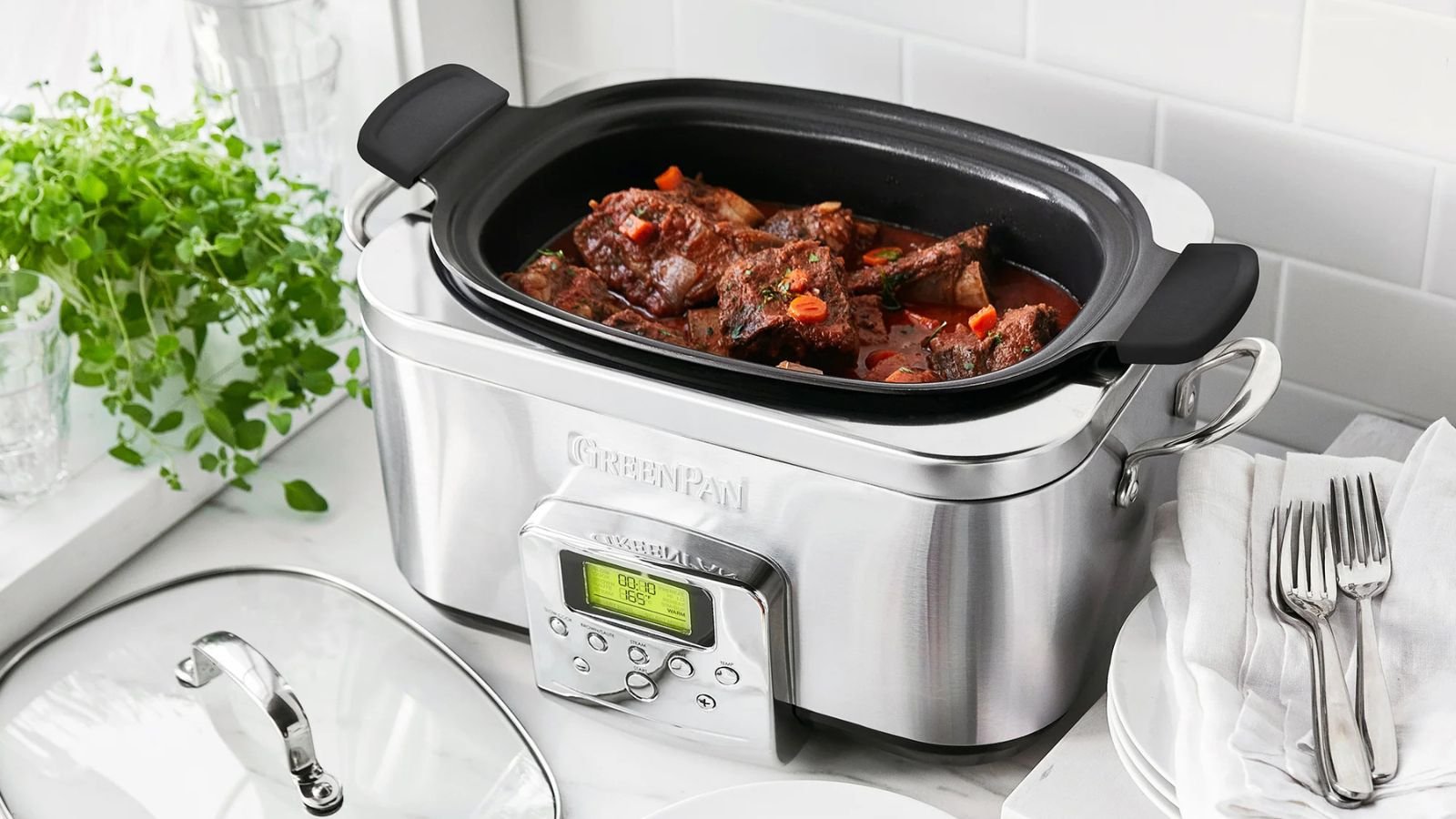
Are you ready to make soup-making easier and tastier? Using a slow cooker can turn simple ingredients into a warm, comforting meal with very little effort from you.
But getting the best results takes more than just tossing everything in and hitting start. You’ll discover practical tips that help you unlock the full potential of your slow cooker for soups. Whether you’re a beginner or want to improve your slow-cooking skills, these tips will save you time, enhance flavors, and make your kitchen routine smoother.
Keep reading to find out how you can create delicious soups that everyone will love—without the hassle.

Credit: www.msn.com
Benefits Of Slow Cooking Soups
Slow cooking soups is a simple way to prepare meals with less effort. It lets flavors blend deeply while you do other tasks. Using a slow cooker can save time and energy in the kitchen.
This cooking method also helps keep nutrients in the ingredients. The gentle heat cooks food evenly, making soups rich and tasty. Slow cooking is a healthy and convenient choice for soup lovers.
Enhanced Flavor Development
Slow cooking allows ingredients to simmer gently over hours. This process unlocks deep flavors that fast cooking cannot match. Herbs, spices, and vegetables mix well to create rich, full-bodied soups.
Better Nutrient Retention
Slow cooking keeps vitamins and minerals safe by using low temperatures. This method prevents nutrient loss often caused by boiling or frying. Soups cooked slowly provide more health benefits.
Convenience And Time Savings
Using a slow cooker frees up time for other activities. You can prepare ingredients, set the cooker, and leave it unattended. This hands-off cooking suits busy days or meal prepping.
- Prepare ingredients quickly in the morning
- Set the slow cooker and adjust the temperature
- Come back to a warm, ready-to-eat soup
- Minimal cleanup after cooking
Energy Efficiency
Slow cookers use less energy than ovens or stovetops. They keep a steady low heat, which lowers electricity or gas use. This makes slow cooking an eco-friendly choice for daily meals.
| Cooking Method | Energy Use (per hour) |
|---|---|
| Slow Cooker | 75-150 watts |
| Electric Oven | 2000-5000 watts |
| Stovetop Burner | 1200-3000 watts |

Credit: www.msn.com
Choosing The Right Ingredients
Using a slow cooker for soups needs careful ingredient choices. The right items make your soup tasty and healthy.
Focus on fresh and quality ingredients to get the best flavor. This helps your soup cook evenly and taste great.
Selecting Fresh Produce
Pick fresh vegetables and herbs for your soup. Fresh produce adds bright flavors and good texture.
Check for firm, ripe, and unblemished items. Avoid wilted or soft vegetables because they lose taste.
- Choose carrots that are firm and bright orange
- Pick leafy greens that are crisp and green
- Use fresh herbs like parsley or thyme for aroma
- Avoid bruised or spotted vegetables
- Wash all produce well before use
Importance Of Quality Broths
Broth is the base of your soup. Using good quality broth makes your soup flavorful.
Choose broths that match your soup style. Homemade or store-bought broths both work if they are fresh.
- Use chicken, beef, or vegetable broth based on your soup
- Look for low-sodium options to control salt levels
- Homemade broth adds natural flavor without additives
- Store broth in sealed containers to keep freshness
- Heat broth before adding to the slow cooker for better taste
Layering Techniques For Flavor
Using a slow cooker for soups needs some thought about how to add ingredients. Layering helps build deep, rich flavors over time.
By placing ingredients in the right order, you can avoid bland soup and make sure every bite tastes great.
Order Of Ingredients
Put hard vegetables like carrots and potatoes at the bottom. They take longer to cook and soften.
Next, add meats or beans. These add protein and flavor to the soup.
- Hard vegetables (carrots, potatoes)
- Meats or beans
- Softer vegetables (tomatoes, zucchini)
- Leafy greens or herbs on top
Adding soft vegetables last keeps them from turning mushy. Herbs on top keep their fresh taste.
Balancing Seasonings And Spices
Spices and seasonings need careful timing. Some flavors get stronger when cooked long, others fade.
| Seasoning | When to Add | Effect |
| Salt | Near the end | Prevents over-salting |
| Bay leaves | Start | Adds deep aroma |
| Fresh herbs | Last 30 minutes | Keeps fresh flavor |
| Ground spices | Start or middle | Builds warmth and depth |
Check your soup near the end. Adjust salt and pepper to taste before serving.
Maximizing Flavor With Herbs And Spices
Slow cookers make soup preparation easy and flavorful. Herbs and spices add depth and aroma to soups.
Using the right herbs and spices at the right time helps you get the best taste from your slow cooker recipes.
Using Fresh Herbs
Fresh herbs bring bright and lively flavors to slow cooker soups. Add them near the end of cooking to keep their aroma.
- Basil and parsley add freshness when added in the last 15 minutes.
- Cilantro works best if stirred in just before serving.
- Rosemary and thyme can go in earlier but add some fresh sprigs at the end for extra flavor.
- Chopped green onions or chives brighten soups when sprinkled on top.
Timing For Adding Spices
Spices release their flavors differently during slow cooking. Adding them at the right time improves your soup’s taste.
| Spice | When to Add | Reason |
| Black Pepper | Mid to late cooking | Prevents bitter taste |
| Cumin | Start of cooking | Allows full flavor development |
| Bay Leaves | Start of cooking | Infuses soup with earthy aroma |
| Paprika | Mid cooking | Preserves smoky flavor |
| Garlic Powder | Late cooking | Maintains strong garlic taste |
Adjusting Cooking Times
Using a slow cooker for soups lets you cook food slowly and evenly. Adjusting cooking times helps get the best taste and texture.
Knowing how to change the cooking time based on your slow cooker’s settings makes your soup better every time.
Understanding Low Vs High Settings
Slow cookers usually have two main settings: low and high. Low cooks food gently over a longer time. High cooks food faster with more heat.
Choosing the right setting changes how long you cook your soup. Low setting is good for rich flavors. High setting is useful if you are short on time.
- Low setting: 6 to 8 hours
- High setting: 3 to 4 hours
- Adjust cooking times if using frozen ingredients
Impact Of Cooking Duration On Texture
Cooking time affects how ingredients change texture. Longer cooking softens vegetables and meats more. Shorter cooking keeps them firmer.
Overcooking can make some ingredients mushy. Undercooking can leave them tough or hard to eat.
- Long cooking: tender meat, soft vegetables
- Short cooking: firmer texture, fresh taste
- Adjust time for delicate ingredients like pasta or leafy greens
Adding Ingredients At The Right Time
Adding ingredients at the right time helps your soup taste better. Some foods cook faster and need careful timing.
Slow cookers work well when you know which items to add early or late. This guide shows when to add delicate vegetables and dairy.
When To Add Delicate Vegetables
Delicate vegetables like spinach, peas, and zucchini cook quickly. Add them near the end of cooking to keep their texture and color.
- Add delicate vegetables during the last 30 minutes of cooking.
- Stir gently to mix them without breaking.
- Check softness often to avoid overcooking.
- If using frozen vegetables, add them slightly earlier than fresh ones.
Incorporating Dairy Products
Dairy like milk, cheese, and cream can change texture if cooked too long. Add dairy products near the end to keep the soup smooth.
| Dairy Product | When to Add | Tip |
| Milk or cream | Last 15-30 minutes | Stir well to mix evenly |
| Cheese | Last 10 minutes | Choose cheeses that melt smoothly |
| Sour cream or yogurt | After cooking ends | Stir in off heat to avoid curdling |
Tips For Thickening Soups
Slow cooker soups often turn out thin because of the long cooking time. You can easily fix this by thickening the soup near the end of cooking. It helps give your soup a rich and satisfying texture.
There are simple ways to thicken soups using ingredients like cornstarch or flour. You can also use blending techniques to make soups creamy without extra thickeners.
Using Cornstarch Or Flour
Cornstarch and flour are common thickening agents. They mix well with liquids and create a smooth texture. Use them carefully to avoid lumps or an overly thick soup.
- Mix 1 tablespoon of cornstarch or flour with 2 tablespoons of cold water to make a slurry.
- Slowly add the slurry to the soup during the last 30 minutes of cooking.
- Stir well to combine and prevent lumps.
- Allow the soup to cook until it thickens, usually 10 to 15 minutes.
- If the soup is too thick, add a little broth or water to adjust.
Blending Techniques
Blending part or all of the soup can thicken it naturally. This method works well with vegetable or bean soups. It also adds creaminess without extra ingredients.
| Blending Method | How to Use |
|---|---|
| Partial Blend | Remove half the soup, blend until smooth, then stir back in. |
| Full Blend | Blend the entire soup for a creamy texture. |
| Use a Potato Masher | Mash soft ingredients directly in the pot for a chunky, thick soup. |
Storing And Reheating Leftovers
Slow cooker soups often make extra servings. Saving leftovers lets you enjoy them later. Proper storage keeps soup fresh and tasty.
Reheating leftovers the right way brings back the original flavor. Follow these tips to store and heat your soup safely and well.
Proper Storage Techniques
Cool soup before storing. Put it in airtight containers to avoid spills and smells. Label containers with the date to track freshness.
- Cool soup to room temperature within two hours
- Use shallow containers for faster cooling
- Seal containers tightly to keep air out
- Store soup in the refrigerator for up to four days
- Freeze soup for longer storage, up to three months
Reheating For Optimal Taste
Reheat soup gently to keep its flavor and texture. Stir soup while warming to heat evenly. Avoid overheating to prevent loss of taste.
| Method | Instructions | Tips |
| Stovetop | Heat soup on medium heat, stirring often | Use a lid to keep moisture |
| Microwave | Heat in short bursts, stirring between | Cover with a microwave-safe lid |
| Slow Cooker | Set on low and heat until hot | Stir occasionally to prevent sticking |

Credit: www.msn.com
Frequently Asked Questions
How Long Should I Cook Soup In A Slow Cooker?
Most soups cook well on low for 6-8 hours or high for 3-4 hours. Adjust based on ingredients.
Can I Add Dairy To Slow Cooker Soups?
Add dairy like cream or cheese near the end of cooking to avoid curdling and maintain texture.
What Are The Best Ingredients For Slow Cooker Soups?
Use hearty vegetables, beans, lentils, and meats that benefit from long, slow cooking for rich flavors.
How Do I Prevent Watery Soup In A Slow Cooker?
Avoid adding too much liquid initially; liquids reduce during cooking, so start with less for thicker soup.
Conclusion
Using a slow cooker for soups saves time and effort. You can prepare ingredients quickly and let the cooker do the work. It helps blend flavors well and makes soups taste richer. Remember to avoid overfilling the cooker for even cooking.
Adding delicate ingredients near the end keeps their texture. Slow cooking also tenderizes tough vegetables and meats. Enjoy warm, delicious soups with minimal fuss. Try different recipes and find your favorites. Simple steps lead to tasty, comforting meals every time.
Slow cookers make homemade soup easy and rewarding.