
Are you ready to make your meat dishes tender, flavorful, and effortless? Using a slow cooker can transform even the toughest cuts into mouthwatering meals with minimal work.
But to get the best results, you need a few simple tips that can make all the difference. You’ll discover easy ways to use your slow cooker that save you time, enhance taste, and make every meal a hit. Keep reading, and you’ll soon be cooking meat like a pro—without any stress or guesswork.
Credit: www.everydayfamilycooking.com
Choosing The Right Cuts
Picking the right meat cut is key for slow cooker success. The right cut gets tender and flavorful after hours of cooking.
Some cuts work better than others because they have more fat and connective tissue. These parts break down slowly and keep the meat moist.
Best Cuts For Slow Cooking
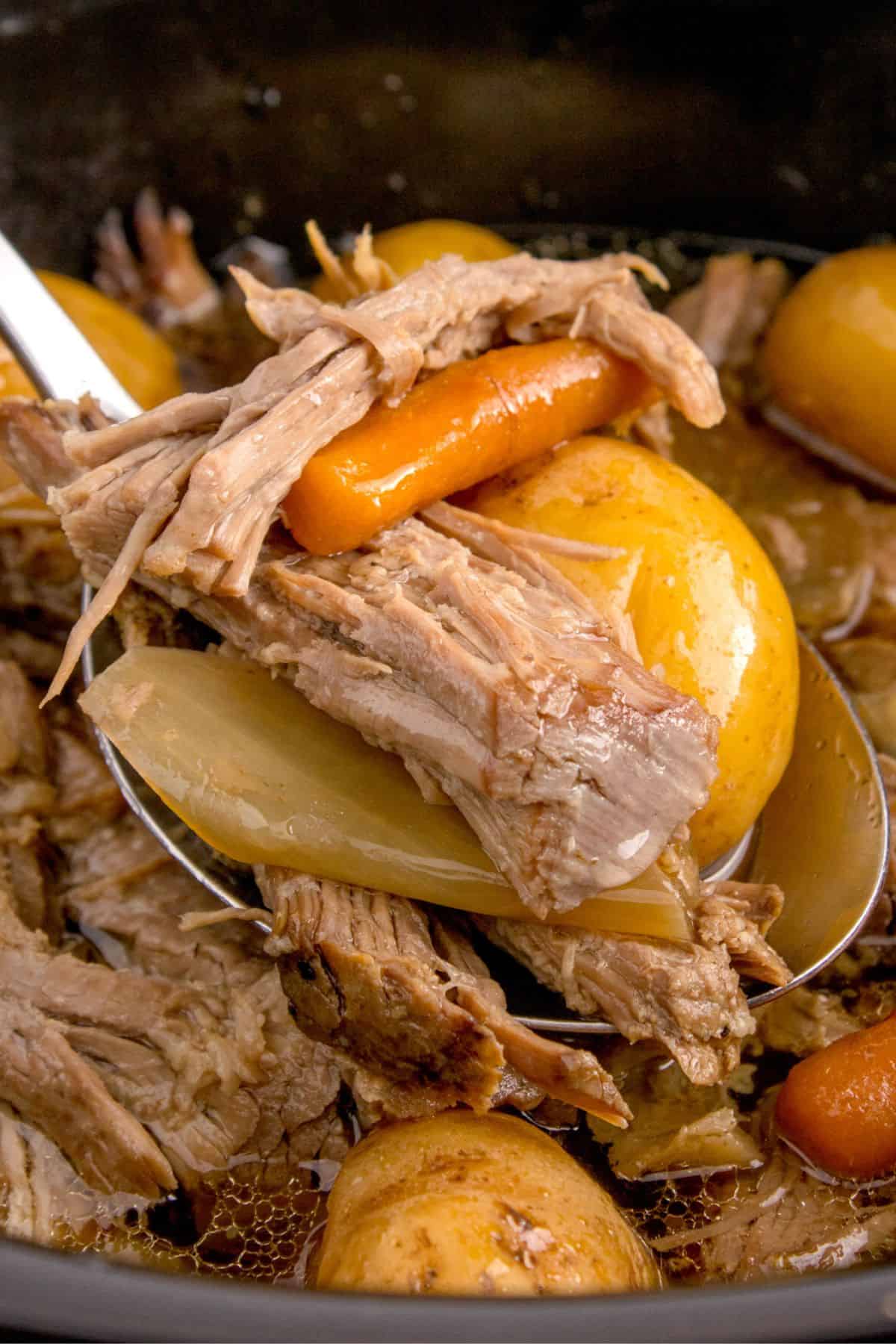
Choose cuts with good marbling and connective tissue. They become soft and juicy after slow cooking.
- Chuck roast
- Brisket
- Short ribs
- Round roast
- Shoulder roast
- Pork shoulder
- Lamb shanks
Avoiding Lean Cuts
Lean cuts dry out in slow cookers. They cook too fast and lose moisture.
| Lean Cut | Why Avoid |
| Sirloin | Dries out quickly |
| Eye of round | Becomes tough |
| Filet mignon | Lacks fat for flavor |
| Top round | Can turn chewy |
Prepping The Meat
Using a slow cooker for meat needs careful preparation. Proper prepping helps the meat cook well and taste good.
Taking time to prepare the meat makes your slow cooker meals tender and flavorful. Let’s look at two key tips.
Trimming Excess Fat
Cutting off extra fat helps prevent greasy dishes. Fat can melt and make the slow cooker messy.
Trim fat before cooking to get a cleaner flavor. Leave some fat for moisture and taste.
- Use a sharp knife for easy trimming
- Remove large fat pieces but keep some for flavor
- Trim fat near the edges and between muscles
Marinating For Enhanced Flavor
Marinating meat adds flavor and helps it stay juicy. It can soften tough cuts over time.
Use a simple marinade with acid, oil, and herbs. Let the meat soak for several hours or overnight.
- Include vinegar or citrus juice for tenderizing
- Add oil to keep meat moist
- Use herbs and spices to boost taste
- Cover and refrigerate during marinating
Layering Ingredients
Using a slow cooker needs careful layering of ingredients. This helps the food cook evenly and taste better.
Knowing where to put each item inside the cooker makes a big difference in your meal.
Order Of Ingredients Matters
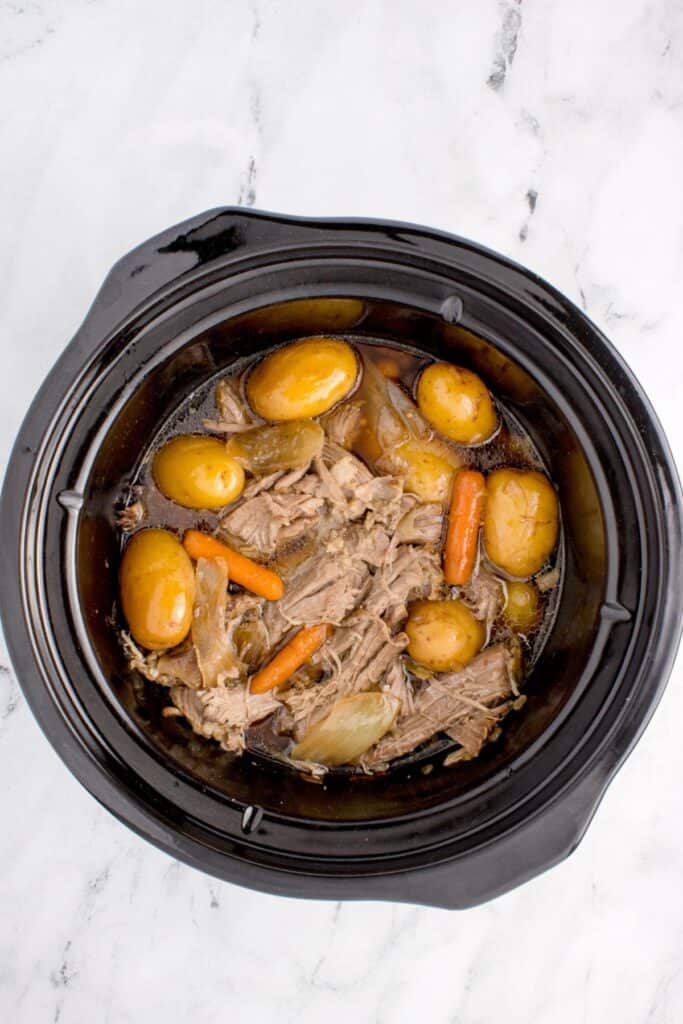
Place dense ingredients at the bottom of the slow cooker. They need more heat to cook well. Lighter items go on top so they do not overcook.
- Start with root vegetables like potatoes and carrots.
- Add tougher cuts of meat next.
- Layer softer vegetables like bell peppers and zucchini above.
- Put delicate herbs and leafy greens on top last.
Balancing Vegetables And Meat
Balance meat and vegetables to keep flavors rich. Too much meat can dry out the dish. Too many vegetables can make it watery.
| Ingredient Type | Suggested Ratio | Reason |
| Meat | 50% | Gives protein and flavor |
| Root Vegetables | 30% | Hold heat and add texture |
| Soft Vegetables | 15% | Add moisture and taste |
| Leafy Greens & Herbs | 5% | Enhance freshness and aroma |
Credit: www.everydayfamilycooking.com
Spice And Herb Selection
Using the right spices and herbs can make slow cooker meat dishes taste rich and full. Choosing bold flavors helps the meat absorb the spices well during long cooking times.
Knowing when to add herbs is important. Some herbs lose their flavor if cooked too long, while others need time to blend with the meat.
Choosing Bold Flavors
Strong spices and herbs work best in slow cooking. They keep their flavor and add depth to the meat. Examples include garlic, cumin, paprika, and rosemary.
- Use garlic powder or fresh garlic cloves for a deep taste.
- Add smoked paprika for a warm, smoky flavor.
- Include dried oregano or thyme for earthiness.
- Try ground cumin for a slightly nutty note.
- Use bay leaves whole to release aroma slowly.
Timing For Adding Herbs
| Herb Type | When to Add |
| Hardy herbs (rosemary, thyme, bay leaf) | At the start of cooking |
| Delicate herbs (parsley, basil, cilantro) | In the last 15-30 minutes |
| Dried herbs | Early in cooking for flavor infusion |
| Fresh herbs | Later to preserve aroma and color |
Adding delicate herbs too early can cause the flavor to fade. Add these near the end for a fresh taste. Hardy herbs need time to release their oils and flavors.
Proper Searing Technique
Searing meat before slow cooking locks in flavors and juices. It creates a rich, brown crust that adds taste and texture.
Using the right searing method can improve your slow cooker meals. This guide covers why searing matters and tips for doing it well.
Why Sear Before Slow Cooking
Searing meat helps start the cooking process with high heat. It creates a flavorful crust and seals the meat’s juices inside.
- Improves taste by caramelizing the meat surface
- Enhances color and appearance of the final dish
- Locks moisture inside for tender results
- Builds a base of flavor for slow cooker sauces
- Reduces blandness that sometimes comes from slow cooking alone
Tips For Perfect Searing
Follow these simple tips to sear meat like a pro before slow cooking. Proper technique makes a big difference in taste and texture.
| Tip | Description |
| Use a heavy pan | Cast iron or stainless steel holds heat well for even searing |
| Pat meat dry | Remove moisture to ensure a good brown crust |
| Preheat the pan | Make sure the pan is hot before adding meat |
| Don’t crowd the pan | Leave space between pieces to avoid steaming |
| Use high smoke point oil | Oils like canola or avocado handle high heat without burning |
| Sear all sides | Brown every surface for best flavor |
| Avoid moving meat too soon | Let crust form before flipping |
Credit: www.homesandgardens.com
Liquid Choices
Choosing the right liquid is important for slow cooker meat recipes. Liquids help cook the meat evenly and keep it juicy.
Different liquids add different flavors and textures. Pick one that matches your dish and taste.
Stock Vs. Water
Stock adds rich flavor and depth to slow-cooked meat. It comes from simmered bones, vegetables, and herbs.
Water is neutral and lets the natural meat flavors shine. It also works if you want a lighter taste.
- Stock creates a fuller, richer sauce or gravy.
- Water is best for delicate or spiced dishes.
- Use low-sodium stock to control salt levels.
- Mix water and stock to balance flavor and moisture.
Incorporating Wines And Broths
Wines and broths bring unique flavors that enhance slow cooker meats.
| Liquid Type | Flavor Profile | Best Use |
| Red Wine | Deep, fruity, slightly acidic | Beef and lamb dishes |
| White Wine | Light, crisp, slightly sweet | Chicken and pork recipes |
| Chicken Broth | Mild, savory | Most poultry and pork dishes |
| Vegetable Broth | Earthy, subtle | Vegetarian or lighter meat dishes |
Cooking Time And Temperature
Slow cookers use low heat over a long time to cook meat gently. This helps make meat tender and flavorful.
Choosing the right cooking time and temperature is key to getting good results. Too hot or too long can spoil the meat.
Low Vs. High Settings
The low setting cooks meat slowly at about 190°F (88°C). It takes 6 to 10 hours depending on the cut and size.
The high setting cooks faster at about 300°F (149°C). It usually takes 3 to 4 hours but can dry out meat if used too long.
- Low setting is best for tough cuts like brisket or pork shoulder.
- High setting works well for tender cuts or when short on time.
- Use low for long, slow cooking to break down fibers.
- Use high to speed up cooking but watch the time closely.
Avoiding Overcooking
Overcooking makes meat dry and tough. Slow cookers keep heat steady, but timing is important.
Check meat early near the end of cooking time. Use a meat thermometer to test doneness.
- Follow recipe times but adjust based on your slow cooker model.
- Keep the lid closed to keep heat and moisture inside.
- Set a timer to avoid leaving meat cooking too long.
- Rest meat after cooking to keep juices inside.
Finishing Touches
Slow cooker meat dishes taste best with a few simple finishing touches. These help bring out fresh flavors and balance the taste. Small changes can make your meal more enjoyable.
Adding ingredients at the end keeps flavors bright and lets you adjust the final taste. This guide covers adding fresh herbs and adjusting seasonings.
Adding Fresh Herbs
Fresh herbs add color and brightness to slow cooker meat dishes. Add them at the end so they keep their flavor and aroma. Common herbs include parsley, cilantro, and basil.
- Chop herbs finely before adding.
- Add herbs five to ten minutes before serving.
- Use milder herbs like parsley for subtle flavor.
- Use stronger herbs like rosemary sparingly.
- Remove woody stems before adding to the dish.
Adjusting Seasonings
After cooking, taste the meat and sauce. Adjust salt, pepper, or acidity to balance the flavors. Slow cooking can mute seasonings, so this step is key.
| Seasoning | How to Adjust | Tips |
| Salt | Add in small amounts | Too much salt cannot be removed |
| Pepper | Add freshly ground pepper | Add gradually to avoid bitterness |
| Acidity | Add lemon juice or vinegar | Brightens flavors and cuts richness |
| Sweetness | Add a pinch of sugar or honey | Balances acidic or spicy flavors |
Frequently Asked Questions
How Do I Prevent Meat From Drying In A Slow Cooker?
To keep meat moist, add enough liquid and avoid overcooking. Use the low setting for longer times and avoid lifting the lid frequently.
What Cuts Of Meat Work Best In Slow Cookers?
Tough cuts like chuck, brisket, and pork shoulder work best. They become tender and flavorful after slow cooking.
Should I Brown Meat Before Slow Cooking?
Browning meat adds flavor and improves texture. It’s recommended but optional, depending on your recipe and time available.
How Long Should Meat Cook In A Slow Cooker?
Cooking time varies by cut and size. Generally, 6-8 hours on low or 3-4 hours on high works well.
Conclusion
Using a slow cooker makes cooking meat easy and tasty. Just choose the right cut and set the time. Let the slow cooker do the work while you relax. Check the meat’s tenderness before serving. Simple steps lead to delicious meals every time.
Enjoy juicy, flavorful meat without much effort. Slow cooking saves time and keeps your kitchen cool. Try these tips for better results and happy meals.