
Are you tired of dough sticking to your rolling pin or unevenly flattened pastries? Using a rolling pin might seem simple, but small mistakes can make your baking harder and less enjoyable.
Imagine effortlessly rolling out perfect dough every time, saving you both time and frustration. You’ll discover easy tips that help you use your rolling pin more efficiently—so your baking turns out just right, every single time. Keep reading, and transform your kitchen skills with simple changes you can start using today.

Credit: parade.com
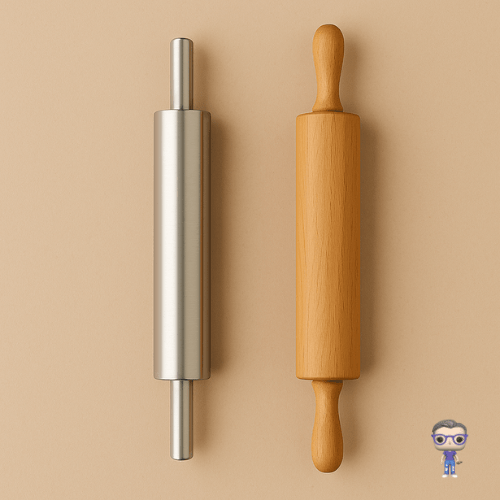
Choosing The Right Rolling Pin
A good rolling pin makes baking easier. It helps you roll dough evenly and quickly.
Picking the right rolling pin depends on your needs. Think about the type, material, size, and weight.
Types Of Rolling Pins
There are many types of rolling pins. Each type works well for different baking tasks.
- Classic Rolling Pin: A simple cylinder without handles. It gives good control.
- Handled Rolling Pin: Has handles on the sides. Easy to roll back and forth.
- French Rolling Pin: Tapers at the ends. Good for thin dough and detail work.
- Textured Rolling Pin: Has patterns. Useful for decorating dough surfaces.
Material Matters
Rolling pins come in different materials. Each material changes how the pin feels and works.
- Wood: Classic and sturdy. It can absorb moisture, so keep it dry.
- Marble: Heavy and cool. It keeps dough from sticking and is easy to clean.
- Silikon: Non-stick and light. Great for sticky dough or kids.
- Metal: Durable and smooth. It cools fast but can be slippery.
Size And Weight Considerations
Think about size and weight for comfort and control. A good size fits your hands and dough.
Heavier rolling pins need less force but can tire your hands. Lighter pins are easier to use for a long time.
- Small Pins (10-12 inches): Best for small doughs and pastries.
- Medium Pins (14-16 inches): Good for most baking tasks.
- Large Pins (18+ inches): Ideal for big doughs like pizza or pie.

Credit: bakabee.com
Preparing The Dough
Using a rolling pin well helps make your dough smooth and even. It takes care and good prep work.
Follow simple steps before rolling. These steps stop the dough from sticking and breaking.
Chilling The Dough
Keep dough in the fridge before rolling. Cold dough is easier to handle and less sticky.
- Wrap dough in plastic wrap tightly.
- Chill for at least 30 minutes.
- Do not skip chilling to avoid tearing.
Flouring The Surface
Sprinkle flour on your work surface and rolling pin. This stops dough from sticking while you roll.
| Flour Type | Best Use |
|---|---|
| All-purpose flour | General rolling surface |
| Cornstarch | For very sticky dough |
| Rice flour | Gluten-free dough |
Avoiding Sticky Dough
Sticky dough can slow down your work. Use simple ways to keep dough smooth and soft.
Try these tips to avoid sticky dough:
- Add a little flour while kneading dough.
- Use cold water to help dough firm up.
- Roll gently without pressing too hard.
Rolling Techniques
Using a rolling pin well helps make dough smooth and even. Good rolling techniques save time and improve baking results.
Focus on how you press and move the rolling pin. This controls dough thickness and shape.
Even Pressure Application
Press the rolling pin with equal force across the dough. Avoid pushing too hard in one spot.
This keeps the dough thickness uniform and prevents tears or holes.
- Use your palms, not just fingers
- Apply gentle, steady pressure
- Adjust pressure if dough sticks or tears
Rolling From Center Outward
Start rolling from the dough’s center. Push the rolling pin outward toward edges.
This helps spread the dough evenly and keeps its shape round or square.
- Roll straight lines from center to edges
- Do not roll back and forth in one spot
- Cover all parts of the dough evenly
Rotating The Dough
Turn the dough a little after each roll. This prevents sticking and uneven thickness.
Rotating also helps keep the dough shape balanced and smooth.
- Lift dough carefully before rotating
- Rotate 90 degrees or as needed
- Check dough thickness after each turn

Credit: www.numberanalytics.com
Maintaining Rolling Pin Performance
Keeping your rolling pin in good shape helps it work well for a long time. Clean and store it properly to avoid damage.
Simple care steps protect the wood or material. This makes rolling dough easier and smoother every time.
Cleaning Tips
Clean your rolling pin right after use to stop dough from hardening on it. Use warm water and a soft cloth.
Do not soak the rolling pin in water. This can make the wood swell and crack.
- Wipe with a damp cloth immediately after use
- Use mild soap if needed, then rinse quickly
- Dry the rolling pin with a clean towel
- Avoid dishwasher or soaking in water
Storage Advice
Store your rolling pin in a dry place away from heat. This keeps the wood from drying out or warping.
Keep it on a shelf or in a drawer where it will not get bent or knocked around.
- Store horizontally to avoid bending
- Keep away from direct sunlight and heat sources
- Use a cloth bag or wrap to protect from dust
- Do not place heavy items on top of it
Avoiding Warping And Cracks
Prevent warping by controlling moisture and temperature. Wood changes shape if too wet or dry.
Apply a little food-safe oil to wooden rolling pins. This keeps the wood strong and stops cracks.
- Do not leave rolling pin in water for long
- Dry it completely before storing
- Use mineral oil or beeswax occasionally
- Keep it away from very hot or cold places
Advanced Tips For Precision
Using a rolling pin well can help you bake better. Precision makes dough even and perfect. These tips focus on advanced ways to get exact results.
Learn how to use tools and techniques that improve your rolling skills. These tips work for all kinds of dough and baking projects.
Using Rolling Pin Rings
Rolling pin rings attach to your pin and control dough thickness. They keep your dough even every time. You can switch rings to change thickness quickly.
- Choose ring size that fits your recipe needs.
- Attach rings firmly before rolling.
- Roll dough on a flat surface to avoid uneven spots.
- Check dough thickness with a ruler for extra accuracy.
Measuring Thickness
Measuring dough thickness helps keep baking consistent. Use simple tools to check and adjust your dough as you roll.
| Tool | Use |
| Ruler | Measure dough edges to keep even thickness |
| Rolling pin rings | Set fixed thickness while rolling |
| Thickness guides | Place under dough for visual thickness check |
| Caliper | Precise tool for measuring thin dough |
Rolling Multiple Layers
Rolling dough in layers can create flaky textures or fill pastries. Keep layers even and separate with care.
- Lightly flour each layer to stop sticking.
- Roll each layer to the same thickness before stacking.
- Use a gentle touch to avoid tearing.
- Chill dough between layers to keep shape.
- Press layers together evenly for good bonding.
Frequently Asked Questions
How Do You Choose The Right Rolling Pin?
Selecting a rolling pin depends on your needs. Wooden rolling pins are versatile and popular. French rolling pins offer better control for delicate tasks. Non-stick rolling pins prevent dough from sticking. Consider the weight and length based on what you bake most often.
Test different types to find your preference.
What Is The Best Surface For Rolling Dough?
A smooth, cool surface is ideal for rolling dough. Marble, granite, or stainless steel countertops work well. They keep the dough cool, preventing it from sticking. Wooden boards are also effective if lightly floured. Always ensure the surface is clean and dry for the best results.
How Do You Prevent Dough From Sticking?
To prevent dough from sticking, lightly flour both the surface and the rolling pin. Keep the dough cool, as warmth increases stickiness. Alternatively, use parchment paper or a silicone baking mat. Rotate the dough frequently while rolling to ensure even thickness and prevent sticking.
How Do You Clean A Wooden Rolling Pin?
Clean a wooden rolling pin with a damp cloth. Avoid soaking it in water to prevent warping. Scrape off any dough residue gently. Dry it thoroughly with a towel. Occasionally, condition it with mineral oil to maintain its surface and prevent cracking.
Conclusion
Using a rolling pin well makes baking easier and more fun. Keep your dough even and smooth by rolling gently. Use the right pressure and move in straight lines. Clean your rolling pin after each use to keep it ready.
Practice helps you roll faster and better every time. Small tips make a big difference in your baking results. Enjoy the process and watch your skills grow with each bake.