
Are you ready to make cutting fabric or paper faster and more precise? A rolling cutter can be your best tool, but only if you know how to use it right.
Imagine slicing through materials smoothly, without jagged edges or wasted effort. You’ll discover simple tips that will help you master your rolling cutter and get perfect results every time. Keep reading, and you’ll soon wonder how you ever worked without these easy tricks.

Credit: parade.com
Choosing The Right Rolling Cutter
Using a rolling cutter makes cutting fabric and paper easier. Picking the right cutter helps you work better and safer.
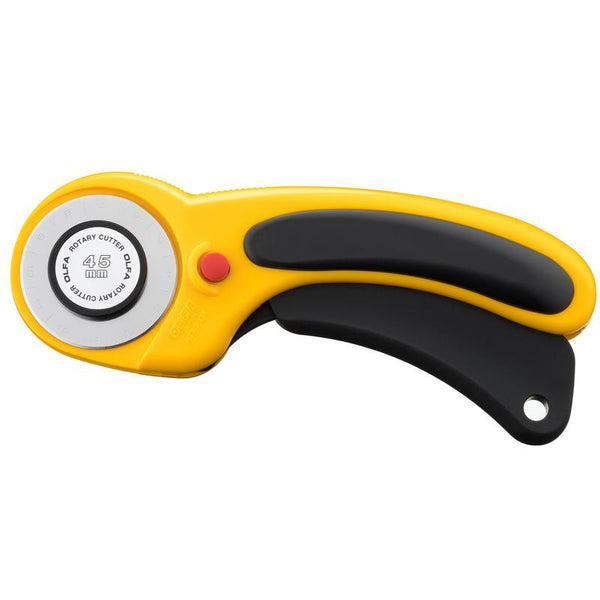
Different rolling cutters have different blades and handle designs. Choose one that fits your project and comfort.
Blade Types And Uses
Rolling cutters come with various blade types. Each blade suits certain materials and cutting styles.
- Standard Rotary Blades:Good for general fabric and paper cutting.
- Pinking Blades:Create zigzag edges to prevent fabric fraying.
- Wave Blades:Make decorative wave patterns on fabric or paper.
- Specialty Blades:Designed for thick materials like leather or vinyl.
Choose a blade type based on the material you cut most often. Change blades for different projects to get clean cuts.
Handle Ergonomics
Comfort is key when using a rolling cutter for long times. A good handle design reduces hand strain.
- Look for soft grips to prevent slipping.
- Choose handles that fit your hand size well.
- Some handles have curves to support your fingers better.
- Lightweight cutters make cutting easier and less tiring.
Try different handles if you can. A comfortable cutter helps you cut straight and stay safe.
Preparing Your Workspace
Using a rolling cutter is easier when your workspace is ready. A clean and organized area helps you cut safely and accurately.
Take time to prepare your space before you start cutting. This prevents mistakes and keeps materials in good shape.
Selecting A Cutting Surface
Choose a flat, stable surface that will not move while cutting. A good cutting surface protects your table and blade.
Self-healing cutting mats are best. They keep your blade sharp and last a long time.
- Use a mat that fits your project size
- Keep the surface clean and smooth
- Avoid cutting on glass or wood without protection
- Replace mats if they get too worn
Organizing Materials And Tools
Keep your fabric, paper, or other materials close by. This helps you work without stopping.
Arrange your rolling cutter, rulers, and other tools within easy reach. This saves time and keeps your space tidy.
- Sort materials by size and type
- Use containers or trays for small tools
- Check that your blade is sharp and clean
- Clear away scraps regularly to avoid clutter
Safety Measures
Using a rolling cutter can be safe if you follow basic rules. Always pay attention to how you handle the tool.
Safety is important to avoid cuts and injuries. Taking care of your cutter keeps your workspace safe.
Proper Grip Techniques
Hold the rolling cutter firmly but not too tight. A good grip helps you control the blade safely.
Keep your fingers away from the blade path. Use your other hand to hold the material steady.
- Hold handle with your dominant hand
- Keep fingers clear of cutting edge
- Use steady pressure, do not force the blade
- Cut on a stable, flat surface
Storing Blades Safely
Store rolling cutter blades in a closed case or cover. This prevents accidental cuts when not in use.
Keep blades out of reach of children. Replace dull blades and dispose of old ones carefully.
- Use blade covers or retract blades after use
- Store cutters in a safe, dry place
- Dispose old blades in a blade-safe container
- Check blades regularly for damage
Mastering Cutting Techniques
Using a rolling cutter can make cutting fabric or paper easier and faster. Learning the right techniques helps you cut clean and accurate shapes.
Good cutting skills improve your project results and save material. Practice the tips below to get smooth and precise cuts.
Straight Line Precision
Cutting straight lines is easier with a rolling cutter if you keep the blade steady. Use a ruler or straight edge as a guide to stay on track.
Place the fabric or paper on a flat, hard surface. Hold the ruler firmly and roll the cutter along its edge in one smooth motion.
- Use a self-healing cutting mat to protect surfaces
- Press the cutter blade firmly against the ruler
- Cut in a single pass to avoid jagged edges
- Keep your hand steady and avoid stopping mid-cut
Navigating Curves And Angles
Cutting curves and angles takes more control. Move the cutter slowly and turn the material, not the blade, for smooth curves.
For sharp angles, stop cutting and lift the blade. Adjust your position, then continue cutting along the new line.
- Use small, careful cuts for tight curves
- Keep your fingers clear of the blade path
- Practice on scrap material before cutting your project
- Rotate the material instead of twisting your wrist
Maintaining Your Rolling Cutter
Keeping your rolling cutter in good shape helps it cut smoothly. Regular care extends its life and keeps it safe to use.
Simple maintenance tasks can prevent problems and save you money. Focus on cleaning, lubrication, and blade changes.
Cleaning And Lubrication
After each use, clean your rolling cutter to remove fabric bits and dust. Use a soft brush or cloth to clean the blade area.
Lubricate the moving parts with a drop of light machine oil. This keeps the cutter rolling smoothly and stops rust.
- Use a dry cloth or brush to clean the blade
- Apply a small amount of oil to the wheel and joints
- Wipe off extra oil to avoid stains
- Clean and oil regularly for best results
Blade Replacement Tips
Replace the blade when cuts become uneven or require more pressure. A dull blade can damage fabric and cause accidents.
Use the correct blade size for your cutter. Follow the tool’s instructions to remove and install blades safely.
- Always cut away from your body during blade changes
- Use pliers or a blade tool if needed for safety
- Keep old blades in a safe container for disposal
- Check blade sharpness often and replace as needed
Troubleshooting Common Issues
Using a rolling cutter can make fabric cutting faster and cleaner. Some common problems can occur while using it. Fixing these problems helps you cut better and save time.
This guide covers how to avoid fabric slippage and fix skipped cuts. These tips keep your rolling cutter working well.
Avoiding Fabric Slippage
Fabric can move while cutting, causing uneven edges. To stop this, keep your fabric flat and steady. Use a non-slip mat under the fabric for extra grip.
Hold the fabric firmly but do not stretch it. Cut slowly and evenly to keep the fabric in place.
- Place a non-slip mat under fabric
- Keep fabric flat and smooth
- Hold fabric gently without stretching
- Cut at a steady, slow pace
Correcting Skipped Cuts
Skipped cuts happen if the blade is dull or dirty. Check the blade often and clean it if needed. Replace the blade when it gets dull.
Make sure you press the cutter firmly. Cutting on a proper surface helps the blade cut through fabric smoothly.
- Clean the blade regularly
- Replace dull blades quickly
- Press cutter firmly while cutting
- Use a cutting mat for smooth cuts
Advanced Cutting Tips
Using a rolling cutter can make your projects faster and neater. Learning advanced tips helps improve your cutting skills.
These tips focus on layered cutting and using templates to get perfect shapes every time.
Layered Cutting Techniques
Cutting multiple layers of fabric or paper saves time. It also helps keep pieces the same size and shape.
Stack the layers evenly before cutting. Use a ruler or straight edge to guide your rolling cutter for clean lines.
- Place heavy items on top to keep layers from shifting
- Cut slowly and steadily to avoid mistakes
- Use sharp blades for smooth cuts through all layers
- Check alignment after each cut to ensure accuracy
Using Templates And Guides
Templates help you cut shapes that are hard to do freehand. They act as a pattern to trace or cut around.
Using guides such as rulers or cutting mats with grids improves straight cuts and precise angles.
- Place the template firmly on your material
- Use a rotary cutter to follow the template edges carefully
- Use a non-slip mat to prevent movement while cutting
- Mark cutting lines lightly with a pencil if needed
Credit: olfa.com

Credit: www.micro-tools.com
Frequently Asked Questions
What Safety Tips Should I Follow Using A Rolling Cutter?
Always use a sharp blade and a cutting mat. Keep fingers away from the blade’s path. Replace dull blades promptly to avoid accidents. Use a ruler to guide cuts for precision and safety.
How Do I Maintain A Rolling Cutter Blade?
Clean the blade regularly to remove fabric or paper residue. Store the cutter in a protective case. Replace blades when they become dull to ensure smooth, accurate cuts.
What Materials Work Best With A Rolling Cutter?
Rolling cutters work well on fabric, paper, leather, and vinyl. They provide clean cuts on these materials, making crafting and sewing projects easier and more precise.
Can I Use A Rolling Cutter For Curved Cuts?
Yes, a rolling cutter can handle gentle curves. Use a flexible ruler or freehand carefully for smooth, precise curved cuts without damaging the blade.
Conclusion
Using a rolling cutter makes cutting fabric easier and faster. Keep the blade sharp for clean cuts every time. Use a cutting mat to protect your work surface. Hold the cutter firmly and cut with steady pressure. Always store the cutter safely to avoid accidents.
These simple tips help you work more smoothly. Enjoy your sewing or crafting projects with less hassle. Practice often, and cutting will become second nature. Small steps improve your skills and results. Keep these tips in mind for better cutting experiences.