
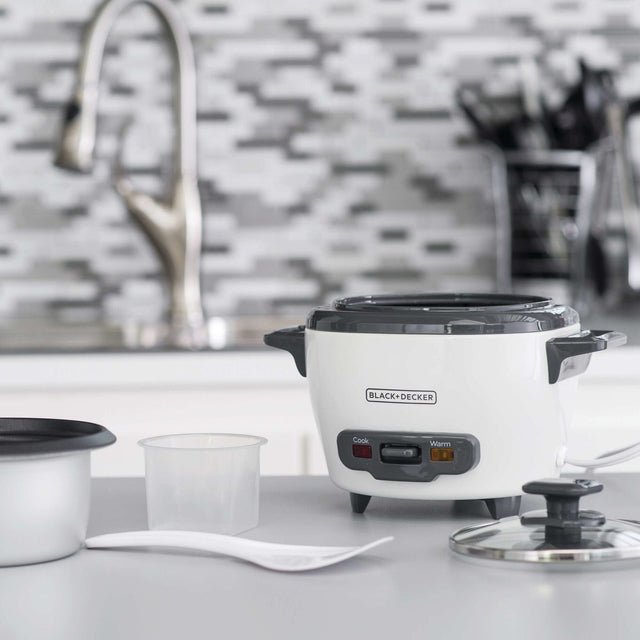
Are you ready to make your rice cooker do more than just cook plain rice? Imagine turning your simple kitchen gadget into a powerhouse that handles multiple grains with ease.
Whether you want fluffy quinoa, hearty barley, or perfect brown rice, using your rice cooker the right way can save you time and effort. You’ll discover easy tips to get the best results from your rice cooker when working with different grains.
Keep reading to unlock the full potential of your appliance and enjoy delicious, nutritious meals every day!
Choosing The Right Rice Cooker
Using a rice cooker for different grains needs the right appliance. Not all rice cookers handle multiple grains well.
Picking the right rice cooker helps you cook grains like quinoa, barley, and brown rice easily.
Types Of Rice Cookers
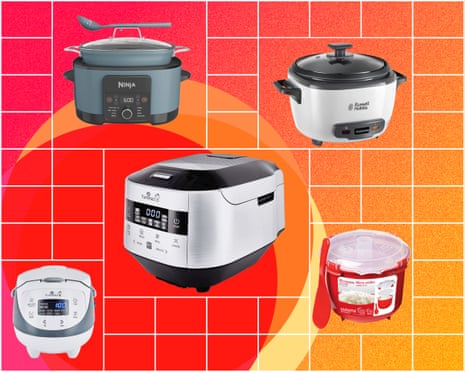
There are three main types of rice cookers: basic, fuzzy logic, and induction heating.
Each type offers different cooking control and features for grains.
- Basic rice cookers:Simple on/off design, cooks white rice well.
- Fuzzy logic cookers:Use microchips to adjust heat and time.
- Induction heating cookers:Heat the pot directly for even cooking.
Features To Look For
Look for features that help cook various grains perfectly and easily.
- Multiple cooking settings:Options for different grains like brown rice, quinoa, or barley.
- Adjustable cooking time:Lets you control how long each grain cooks.
- Keep warm function:Keeps grains warm without overcooking.
- Non-stick inner pot:Easy to clean and prevents grains from sticking.
- Capacity size:Choose a size that fits your typical cooking amount.
Credit: www.theguardian.com
Preparing Different Grains
Rice cookers are great for cooking many types of grains. Each grain needs a different way to prepare it. Proper preparation helps the grains cook well and taste better.
Rinsing and soaking grains before cooking can change their texture. Water ratios also differ for each grain to get the best results.
Rinsing And Soaking Techniques
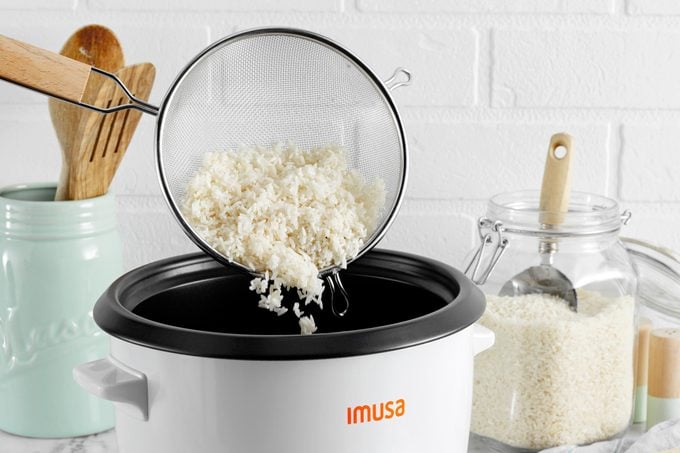
Rinsing removes dust and extra starch from grains. Soaking softens grains and shortens cooking time. Different grains need different rinsing and soaking times.
- Rinse rice until water runs clear to remove starch.
- Soak brown rice for 30 minutes to soften the bran.
- Quinoa should be rinsed well to remove bitter saponins.
- Barley benefits from soaking for 1 hour before cooking.
- Do not soak quick-cooking grains like millet for too long.
Optimal Water Ratios
Each grain needs a different water amount for perfect cooking. Using too much or too little water can make grains mushy or undercooked.
| Grain | Water Ratio (grain to water) | Notes |
|---|---|---|
| White Rice | 1:1.5 | Use less water for firmer rice. |
| Brown Rice | 1:2 | Needs more water and longer cooking. |
| Quinoa | 1:2 | Rinse well before cooking. |
| Barley | 1:3 | Soak before cooking for best texture. |
| Millet | 1:2 | Rinse lightly; quick cooking. |
Cooking Techniques For Various Grains
Rice cookers are not just for white rice. They can cook many different grains with ease. Each grain needs a slightly different cooking approach.
Knowing the right water-to-grain ratio and cooking time helps get the best results. This guide covers white and brown rice, quinoa, couscous, barley, and farro.
Cooking White And Brown Rice
White rice cooks faster and needs less water than brown rice. Use the rice cooker’s white rice setting if it has one. For brown rice, use more water and a longer cooking time.
Rinse the rice to remove excess starch. This helps the grains cook evenly and stay fluffy. Let the rice rest inside the cooker for 10 minutes after cooking.
- White rice: Use 1 part rice to 1.5 parts water
- Brown rice: Use 1 part rice to 2 parts water
- Rinse rice before cooking
- Let rice rest 10 minutes after cooking
Preparing Quinoa And Couscous
Quinoa cooks quickly and needs less water than rice. Rinse quinoa well to remove its natural bitterness. Couscous does not need rinsing and cooks very fast.
Use the rice cooker’s quick-cook or steam setting for these grains. Fluff the grains with a fork after cooking to keep them light and separate.
- Quinoa: Use 1 part quinoa to 2 parts water
- Couscous: Use 1 part couscous to 1.25 parts water
- Rinse quinoa before cooking
- Fluff grains with a fork after cooking
Cooking Barley And Farro
Barley and farro need longer cooking times and more water. Use the brown rice or porridge setting if your cooker has one. Soaking these grains before cooking can reduce time.
Rinse the grains first. After cooking, let them sit in the cooker with the lid closed for a few minutes. This helps the grains absorb any extra moisture.
- Barley: Use 1 part barley to 3 parts water
- Farro: Use 1 part farro to 2.5 parts water
- Soak grains for 30 minutes to 1 hour before cooking
- Let grains rest for 5-10 minutes after cooking
Enhancing Flavor And Texture
Using a rice cooker for multiple grains can give you tasty and well-cooked meals. You can improve flavor and texture with simple tips.
Adding broths, spices, vegetables, and proteins makes your grain dishes more interesting and nutritious.
Using Broths And Spices
Replace water with broth to add rich flavor to grains. Use vegetable, chicken, or beef broth depending on the dish. Spices give extra aroma and taste.
- Use low-sodium broths to control salt levels
- Add spices like cumin, turmeric, or paprika
- Mix in herbs such as thyme, bay leaves, or rosemary
- Toast spices lightly before adding for deeper flavor
- Season at the start or after cooking for fresh taste
Adding Vegetables And Proteins
Vegetables and proteins boost the texture and nutrition of grain dishes. They also make meals more filling and colorful.
| Vegetables | Proteins | Cooking Tips |
|---|---|---|
| Carrots | Chickpeas | Add chopped vegetables before cooking |
| Peas | Tofu | Use pre-cooked proteins for best results |
| Bell peppers | Chicken pieces | Layer ingredients to avoid overcooking |
| Spinach | Beans | Add leafy greens near the end of cooking |
Troubleshooting Common Issues
Cooking multiple grains in a rice cooker can be tricky. Sometimes grains cook unevenly or stick to the pot. This guide helps solve these common problems.
Follow these tips to improve your rice cooker results. Fix issues with cooking time and texture for better meals every time.
Dealing With Under Or Overcooked Grains
Undercooked grains feel hard and dry. Overcooked grains become mushy or soggy. Both can happen if water amounts or cooking times are off.
- Check the water ratio for each grain type. Different grains need different amounts.
- Use the rice cooker’s timer to avoid overcooking. Stop cooking as soon as grains are soft.
- Let grains rest after cooking. This allows moisture to even out inside.
- Try mixing grains with similar cooking times to avoid uneven cooking.
- Adjust water and time based on your rice cooker model and personal preference.
Preventing Sticking And Burning
Grains stick or burn when the cooker runs dry or the pot is not prepared. Proper care stops this and protects your rice cooker.
| Cause | Solution |
| Not enough water | Add the correct water amount for grains used |
| No oil or butter | Lightly coat pot with oil or butter before cooking |
| Old or damaged non-stick pot | Replace the inner pot if it shows wear |
| Cooking grains with very different textures | Cook separately or use steaming basket for delicate grains |
| Leaving cooker on warm too long | Serve grains soon after cooking ends |

Credit: www.briscoes.co.nz
Maintaining And Cleaning Your Rice Cooker
Keeping your rice cooker clean helps it work well for a long time. Dirt and food bits can cause problems.
Regular care also keeps your cooker safe and ready for all kinds of grains.
Regular Cleaning Tips
Clean your rice cooker after every use. Wipe the inside and outside with a soft cloth. Never use harsh cleaners.
- Remove the inner pot and wash it with warm, soapy water.
- Dry the pot completely before placing it back.
- Use a damp cloth to clean the heating plate and body.
- Check the steam vent and clean it gently with a brush.
- Do not immerse the rice cooker base in water.
Ensuring Longevity
| Tip | Reason |
| Unplug after use | Prevents electrical damage and saves energy |
| Avoid metal utensils | Protects the non-stick surface inside the pot |
| Store with lid open | Prevents moisture and mold build-up |
| Inspect power cord regularly | Ensures safety and proper function |
| Use only recommended cleaning tools | Extends the life of your rice cooker parts |
Creative Recipes To Try
Using a rice cooker is not just for plain rice. You can cook many grains easily. This lets you try new recipes without extra pots.
Grains like quinoa, barley, and millet work well in rice cookers. They make tasty meals for any time of day.
Breakfast Grain Bowls
Start your day with a warm grain bowl. Use oats, millet, or quinoa cooked in your rice cooker. Add fruits and nuts for flavor.
Try mixing cinnamon and honey for sweetness. Top with fresh berries or sliced bananas. This meal is filling and healthy.
- Cook oats with milk and a pinch of salt
- Add chopped apples and cinnamon before cooking
- Top with almonds and a drizzle of honey
Savory Grain Pilafs
Use your rice cooker to make savory pilafs with grains like brown rice or barley. Add vegetables and spices for taste.
Cook the grains with broth instead of water. Mix in sautéed onions, garlic, and your favorite herbs. This is a great side dish.
- Cook brown rice with vegetable broth
- Mix in cooked peas, carrots, and bell peppers
- Season with parsley and black pepper
Sweet Grain Desserts
Make sweet desserts by cooking sticky rice or millet in your rice cooker. Add coconut milk and sugar for richness.
Top with mango slices or toasted nuts. This is a simple and tasty treat after meals or as a snack.
- Cook sticky rice with water and a pinch of salt
- Stir in coconut milk and sugar after cooking
- Serve with fresh mango and toasted sesame seeds
Credit: www.tasteofhome.com
Frequently Asked Questions
How Do I Cook Different Grains In One Rice Cooker?
You can cook multiple grains by adjusting water ratios and soak times. Use the rice cooker’s mixed grain or porridge setting if available. Stir grains before cooking to ensure even heat distribution. Experiment to find the best water-to-grain ratio for your mix.
What Water Ratio Works For Cooking Mixed Grains?
A good starting point is 1. 5 to 2 cups of water per cup of mixed grains. Adjust based on the grain types and your rice cooker’s instructions. More water is needed for harder grains like barley or quinoa. Less water suits softer grains like white rice.
Can I Soak Grains Before Using A Rice Cooker?
Yes, soaking helps grains cook evenly and reduces cooking time. Soak harder grains like brown rice or barley for 30 minutes to an hour. Softer grains need less or no soaking. Drain excess water before placing grains in the cooker.
Which Rice Cooker Settings Work Best For Multiple Grains?
Use the “mixed grain,” “multigrain,” or “porridge” settings if your cooker has them. These settings adjust cooking time and temperature for different grains. If unavailable, use the “white rice” setting but monitor closely to avoid overcooking. Always check the manufacturer’s guide for tips.
Conclusion
Using a rice cooker for many grains saves time and effort. You can cook rice, quinoa, barley, and more with ease. Just adjust water and cooking times for each grain. Clean your cooker after every use to keep it working well.
Experiment with different grains to find your favorite tastes. A rice cooker makes healthy meals simple and fast. Try these tips to enjoy a variety of grains daily. Cooking grains at home has never been this easy.