
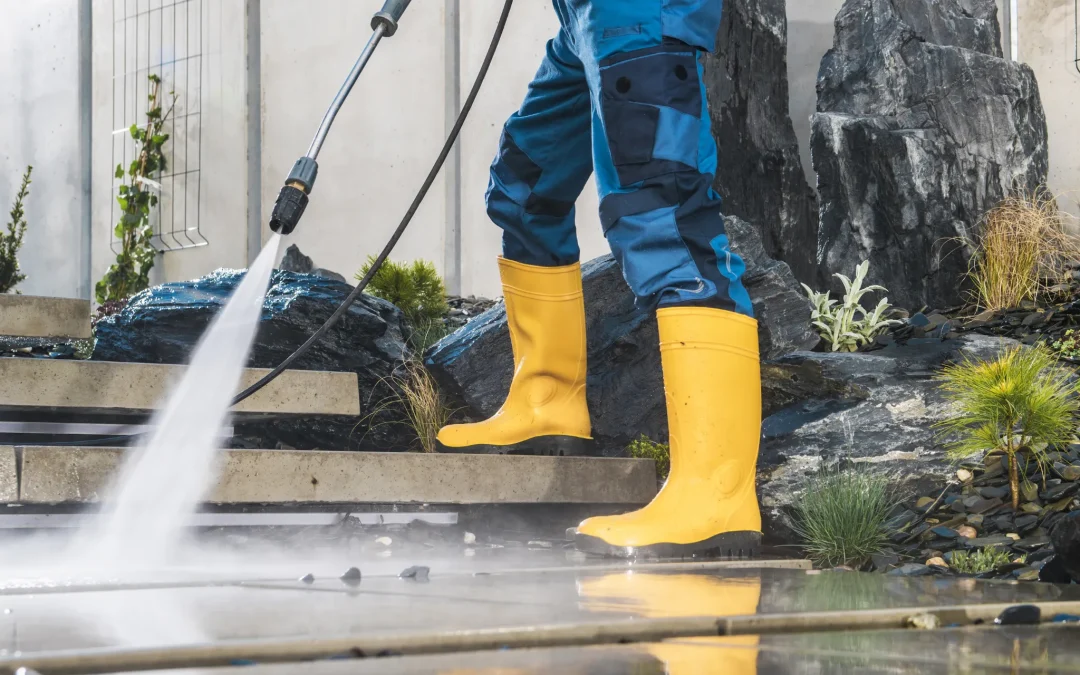
Are you ready to tackle your toughest cleaning jobs with a pressure washer? Before you start, it’s important to know how to use it safely.
A pressure washer can make your work faster and easier, but if you’re not careful, it can also cause serious injuries or damage. You’ll discover simple yet powerful tips to protect yourself and get the best results every time. Keep reading to learn how to stay safe and make your pressure washing experience smooth and effective.
Choosing The Right Pressure Washer
Picking the right pressure washer is key to cleaning safely. It helps you avoid damage and work efficiently.
Different types of pressure washers fit different tasks. Knowing their features guides your choice.
Electric Vs. Gas Models
Electric washers are lighter and quieter. They suit small to medium jobs around the house.
Gas washers are heavier and louder. They give more power for big, tough cleaning tasks outdoors.
- Electric models need less maintenance.
- Gas models offer higher pressure and flow rates.
- Electric washers work best near outlets.
- Gas washers run freely without cords.
- Electric washers are safer for indoor use.
Pressure Ratings And Nozzles
Pressure is measured in PSI (pounds per square inch). Flow is in GPM (gallons per minute). Both affect cleaning power.
| PSI | Best Use | Nozzle Color | Spray Angle |
|---|---|---|---|
| 1300-1900 | Light cleaning, cars, patio furniture | Green | 25° |
| 2000-2800 | Medium cleaning, decks, driveways | Yellow | 15° |
| 2900-3200+ | Heavy cleaning, concrete, paint removal | Red | 0° |
Credit: johnsonsacehardware.com
Preparing The Area
Before you start using a pressure washer, it is important to prepare the area well. This helps keep you and others safe while working.
Taking time to get the space ready will make your cleaning easier and prevent damage to nearby items.
Clearing The Workspace
Remove anything that could get in the way of your cleaning. This prevents tripping and damage to objects.
Clear away furniture, toys, and other obstacles from the area you plan to wash.
- Move plants and decorations indoors or to a safe place
- Pick up loose debris like leaves and sticks
- Make sure walkways and paths are free of clutter
- Check for electrical cords or hoses that could cause trips
Securing Loose Items
Secure any loose items nearby that might blow away or get damaged by water pressure.
Tie down or cover things like garden tools, trash cans, and outdoor furniture.
- Use ropes or bungee cords to fasten loose objects
- Cover delicate items with plastic sheets or tarps
- Store smaller items inside to protect them
- Check windows and doors are closed and sealed
Personal Protective Equipment
Using a pressure washer can be dangerous without the right safety gear. Wearing personal protective equipment helps prevent injuries and accidents.
This guide covers key protective items to wear for safe pressure washer use.
Appropriate Clothing
Wear strong, thick clothing that covers your arms and legs. Avoid loose clothes that can catch on objects or the washer.
- Long pants made of durable fabric
- Long-sleeved shirts to protect arms
- Waterproof boots with good grip
- Gloves to protect hands from water and debris
- A hat or cap to shield your head
Eye And Ear Protection
Pressure washers spray water at high speed. This can throw dirt and small objects into the air. Protect your eyes and ears.
| Protection Type | Recommended Gear | Purpose |
| Eye Protection | Safety goggles or glasses | Block flying debris and water spray |
| Ear Protection | Earplugs or earmuffs | Reduce noise from the pressure washer engine |
Proper Setup And Inspection
Setting up your pressure washer correctly is key to safety. Check the machine and parts carefully before use.
Inspecting for problems early can prevent accidents and damage. Take time to review each part.
Checking For Leaks
Look over the pressure washer for any leaks. Leaks can cause loss of pressure and pose hazards.
- Examine the water inlet and outlet connections
- Check the pump for oil or water leaks
- Inspect hoses and spray gun for cracks or holes
- Run the washer briefly to spot any active leaks
- Turn off and repair leaks before continuing
Ensuring Hose Connections
Secure hose connections tightly to avoid disconnection or leaks. Loose fittings are unsafe.
| Connection Part | Check |
| Water Supply Hose | Firmly attached, no kinks |
| High-Pressure Hose | Secure at pump and spray gun |
| Spray Gun | Lock in place, trigger works smoothly |
Safe Operating Techniques
Using a pressure washer can clean surfaces quickly. It is important to use it safely to avoid injuries and damage.
Following safe operating techniques helps you control the washer and work effectively.
Correct Stance And Grip
Stand firmly with your feet shoulder-width apart. This stance keeps you balanced during use.
Hold the pressure washer gun with both hands. A steady grip reduces recoil and improves control.
- Keep your knees slightly bent to absorb pressure
- Face the area you are cleaning directly
- Use your dominant hand on the trigger handle
- Support the nozzle with your other hand
Distance From Surface
Maintain a safe distance between the nozzle and the surface. This prevents damage and injury.
Start at least 12 inches away. Move closer slowly if needed, but never touch the surface with the nozzle.
- Too close may damage paint or wood
- Too far reduces cleaning power
- Adjust distance based on surface hardness
- Keep nozzle at a 45-degree angle for best results
Avoiding Common Hazards
Using a pressure washer can be risky without safety measures. Knowing how to avoid hazards keeps you safe.
This guide covers key safety tips on electrical dangers and slip hazards during pressure washing.
Electrical Safety
Electric shock is a serious risk with pressure washers. Water and electricity must stay apart.
- Use a pressure washer with a ground fault circuit interrupter (GFCI).
- Keep electrical cords away from water and wet surfaces.
- Inspect cords for damage before use. Replace if frayed or cracked.
- Do not operate electrical parts with wet hands.
- Connect to properly grounded outlets only.
Preventing Slips And Falls
Wet surfaces can cause falls when pressure washing. Take steps to stay steady.
| Tip | Reason |
| Wear slip-resistant shoes | Improves grip on wet surfaces |
| Clear the work area | Removes tripping hazards |
| Keep cords organized | Prevents tripping over cables |
| Work slowly and carefully | Reduces risk of losing balance |
Maintaining The Pressure Washer
Keeping your pressure washer in good shape helps it last longer. Regular care prevents damage and costly repairs.
Simple maintenance steps after each use can keep the machine working well. This guide covers key cleaning and storage tips.
Cleaning After Use
Always clean the pressure washer after you finish. Dirt and debris can clog parts and reduce performance.
Flush the system with clean water to clear out detergent and dirt. Wipe down the exterior to remove grime.
- Turn off and unplug the machine first
- Release pressure by squeezing the trigger
- Connect the hose and run clean water through the system
- Use a cloth to wipe the body and nozzle
- Check for blockages in the spray tips
Storage Guidelines
Store the pressure washer in a dry, cool place. Avoid freezing temperatures that can damage the pump.
Drain all water before storage. Keep hoses and cords coiled neatly to avoid kinks and damage.
- Remove all water from the pump and hose
- Store indoors or under cover
- Keep the machine off the ground if possible
- Cover the washer to keep dust away
- Check oil and fuel levels before long storage

Credit: m.youtube.com
Environmental Considerations
Using a pressure washer can impact the environment. It is important to follow safe and eco-friendly practices.
Protecting water sources and soil helps keep nature clean and healthy for everyone.
Safe Disposal Of Waste Water
Waste water from pressure washing may contain dirt, chemicals, and debris. Do not let it flow into storm drains or natural water bodies.
Collect waste water carefully and dispose of it in a sanitary sewer or approved drainage system. This prevents pollution of rivers and lakes.
- Use a containment system to catch runoff water
- Dispose of collected water at local treatment facilities
- Avoid washing near storm drains or natural water sources
Eco-friendly Detergents
Choose detergents that break down quickly and do not harm plants or animals. Avoid harsh chemicals that pollute the environment.
Look for biodegradable and phosphate-free cleaning products. These are safer for water and soil after washing.
- Biodegradable detergents reduce environmental damage
- Phosphate-free soaps prevent algae growth in water
- Use only the amount needed to reduce waste

Credit: pswaterblasters.co.nz
Frequently Asked Questions
How Do I Prepare Before Using A Pressure Washer?
Before using a pressure washer, read the manual carefully. Wear protective gear like gloves and goggles. Clear the area of debris and loose objects. Check the hose and nozzle for damage. Use the correct detergent if needed. Test the washer on a small area first.
What Safety Gear Is Essential When Pressure Washing?
Wear safety goggles to protect your eyes from debris. Use gloves to shield your hands. Wear non-slip shoes to avoid falls. Consider ear protection if the washer is loud. Long pants and sleeves help protect your skin from high-pressure water.
How Far Should I Hold The Pressure Washer Nozzle?
Hold the nozzle at least 6 to 12 inches from the surface. Too close can damage paint or wood. Too far reduces cleaning power. Adjust distance based on surface type and dirt level. Always start farther away and move closer if needed.
Can I Use A Pressure Washer On All Surfaces?
No, avoid delicate surfaces like glass, electrical components, and soft wood. Use lower pressure settings for painted or fragile areas. Concrete, brick, and metal usually handle pressure washing well. Always test a small area first to prevent damage.
Conclusion
Using a pressure washer safely protects you and your property. Always wear protective gear and read the manual first. Keep a firm grip and watch your surroundings. Avoid pointing the spray at people, pets, or fragile items. Take breaks to stay focused and avoid accidents.
Regularly check your equipment for damage or leaks. Safe habits make cleaning easier and prevent injuries. Follow these tips every time you use your pressure washer. Stay alert and enjoy a clean home without worries. Safety matters most with powerful tools like this.