
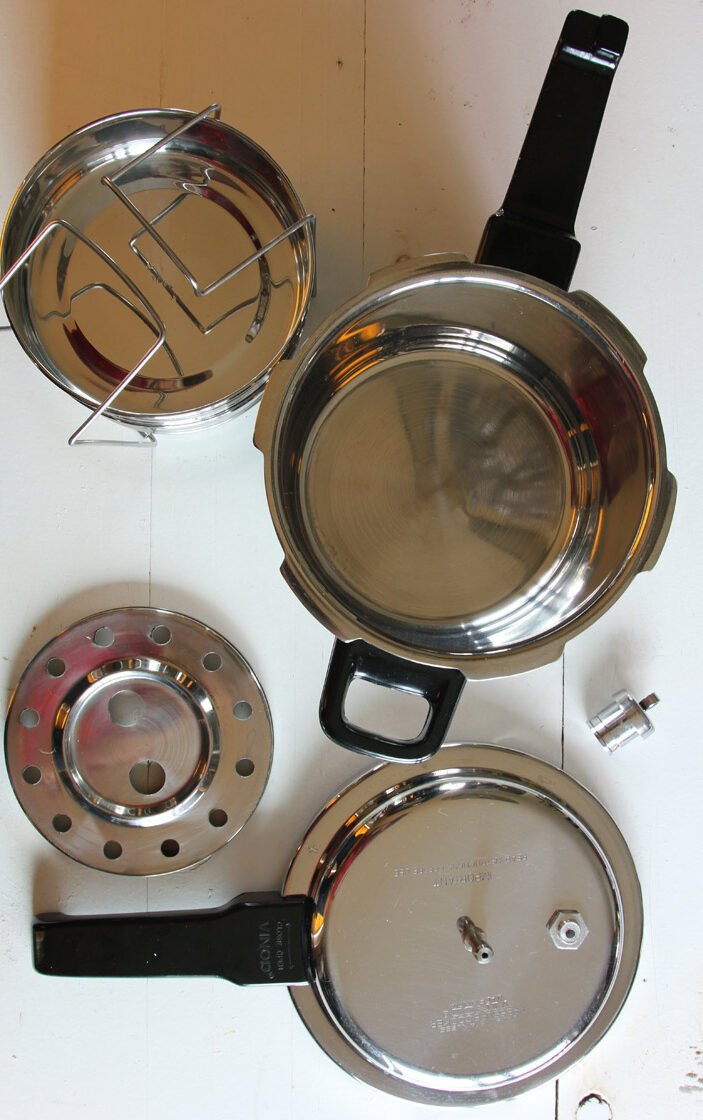
Using a pressure cooker can save you a lot of time and effort in the kitchen. But if you don’t use it correctly, it can be dangerous.
You want to enjoy quick, delicious meals without any risks. That’s why knowing the right safety tips is essential. You’ll discover simple and effective ways to use your pressure cooker safely every time. Keep reading to protect yourself and your loved ones while making cooking easier and more fun.
Choosing The Right Pressure Cooker
Picking the right pressure cooker is important for safe cooking. The right one fits your needs and kitchen space.
Think about the material, size, and features before buying. These affect how well and safely it works.
Material And Size Considerations
Pressure cookers come in different materials like stainless steel and aluminum. Each has pros and cons.
Size matters too. Pick one that matches your family size and cooking habits.
- Stainless steel:Durable, easy to clean, and resists rust.
- Aluminum:Heats fast but may dent or discolor over time.
- Small size (2-4 quarts):Good for 1-2 people or small meals.
- Medium size (6-8 quarts):Fits most families and everyday cooking.
- Large size (10+ quarts):Best for big families or batch cooking.
Features To Look For
Look for safety features that protect you during cooking. These make pressure cookers safer and easier to use.
- Pressure release valves:Help release steam safely.
- Locking lids:Prevent the cooker from opening under pressure.
- Pressure indicators:Show when the cooker is pressurized.
- Durable handles:Stay cool and provide a good grip.
- Multiple pressure settings:Allow cooking different foods properly.
Credit: www.lemon8-app.com
Preparing For Safe Cooking
Using a pressure cooker can save time and energy in the kitchen. It is important to prepare properly to avoid accidents.
Safety starts with checking your equipment and understanding how to control the pressure. This keeps cooking smooth and safe.
Inspecting The Cooker
Before you use the pressure cooker, examine all its parts carefully. Make sure nothing is broken or worn out.
- Check the rubber gasket for cracks or dryness.
- Ensure the lid locks securely in place.
- Look at the pressure valve to see if it moves freely.
- Clean the vent pipe to avoid blockages.
- Make sure the pot is free from dents or rust.
Understanding Pressure Settings
Pressure cookers have different pressure levels. Know what each setting means and use the correct one for your recipe.
| Pressure Level | Pressure Range (psi) | Common Use |
| Low | 5 to 7 | Delicate foods like fish and vegetables |
| Medium | 8 to 10 | Most meats and stews |
| High | 11 to 15 | Beans, grains, and tough cuts of meat |
Proper Use Techniques
Using a pressure cooker safely means following the right steps. Proper techniques help prevent accidents and ensure good results.
This guide covers filling the cooker and sealing the lid correctly. These actions keep you safe and your food cooked well.
Filling The Cooker Correctly
Do not overfill the pressure cooker. Overfilling can block pressure release and cause danger.
- Fill no more than two-thirds full for most foods.
- For foods that expand, like rice or beans, fill only half full.
- Always add enough liquid as the cooker needs steam to work.
- Avoid placing thick sauces or pastes at the bottom.
Sealing The Lid Properly
Check the lid seal before cooking. A good seal keeps pressure inside and food safe.
| Check Point | What to Do |
| Rubber Gasket | Clean and fit it tightly in place |
| Lid Lock | Make sure it clicks or locks fully |
| Pressure Valve | Clear any food or debris |
| Release Handle | Set it to the correct position before heating |

Credit: www.russelltaylors.co.uk
Monitoring Cooking Process
Using a pressure cooker needs careful attention. Watching the cooking process helps keep food safe.
Checking the cooker often stops accidents and makes sure food cooks well.
Managing Heat Levels
Keep the heat on medium or low once pressure builds. High heat can cause too much pressure.
Adjust the stove heat to keep a steady pressure without loud hissing sounds.
- Start with high heat to reach pressure quickly.
- Lower heat to maintain pressure without extra steam.
- Use stove settings or heat controls carefully.
- Too much heat can block safety valves.
Listening For Pressure Changes
Pressure cookers make sounds when cooking. Listen for hissing or clicking noises.
Changes in sounds show if pressure rises or falls, helping you adjust heat.
- A steady hiss means pressure is stable.
- Loud or fast hissing means pressure is too high.
- No sound may mean pressure is low or lost.
- Clicking sounds can come from safety valves activating.
Safe Release Of Pressure
Using a pressure cooker needs care, especially when releasing pressure. Releasing pressure safely keeps you from burns and accidents.
There are two main ways to release pressure: natural release and quick release. Each way suits different recipes and needs.
Natural Release Method
The natural release method lets the pressure drop by itself. You turn off the heat and wait until the pressure goes down.
This method takes time but is best for foods that need gentle cooling. It keeps food tender and avoids splatters.
- Turn off the cooker and do not open the valve.
- Wait 10 to 30 minutes for pressure to drop naturally.
- Check the pressure indicator before opening the lid.
- Open the lid carefully once pressure is fully released.
Quick Release Method
The quick release method lets steam out fast by opening the valve. It stops cooking quickly and works for soft vegetables or seafood.
Be careful with hot steam. Use tools or cloth to avoid burns and keep your face away from the valve.
- Turn off the heat when cooking finishes.
- Use a spoon or cloth to open the steam valve slowly.
- Let steam escape until the pressure indicator drops.
- Open the lid only after the pressure is fully released.
Cleaning And Maintenance Tips
Keeping your pressure cooker clean and well maintained helps it last longer. It also keeps your food safe and tasty.
Check important parts often to avoid problems. Clean parts carefully after each use.
Cleaning The Gasket And Valve
Remove the gasket from the lid and wash it with warm, soapy water. Avoid using harsh chemicals that can damage it.
- Check the gasket for cracks or tears before each use.
- Dry the gasket completely before putting it back.
- Clean the pressure valve with a soft brush to remove food debris.
- Make sure the valve moves freely and is not blocked.
- Replace the gasket every 12 months or if damaged.
Regular Safety Checks
Inspect your pressure cooker regularly to keep it safe. Check all parts for wear and tear.
| Part | What to Check | Action |
| Lid Lock | Locks securely without force | Replace if it sticks or does not lock |
| Pressure Release Valve | Clear and moves easily | Clean or replace if blocked |
| Sealing Gasket | No cracks or damage | Replace yearly or if damaged |
| Handles | Firm and unbroken | Tighten screws or replace |
Troubleshooting Common Issues
Pressure cookers save time and energy in the kitchen. Sometimes, you may face small problems while using them. Knowing how to fix these issues keeps cooking safe and easy.
Below are tips to handle two common issues: steam leaks and jammed lids. Follow these steps to keep your pressure cooker working well.
Dealing With Steam Leaks
Steam leaks happen when steam escapes from the pressure cooker. It can stop the cooker from building pressure. Leaks also waste energy and may cause burns.
Check the rubber gasket first. If it is cracked or dry, replace it. Make sure it fits well in the lid. Also, clean the gasket and lid edges before cooking.
- Inspect the gasket for damage or dirt
- Clean the lid edges and gasket groove
- Check if the valve is clogged or stuck
- Make sure the lid is closed tightly
- Replace worn parts as needed
Handling A Jammed Lid
Sometimes, the lid of the pressure cooker gets stuck. This can happen if pressure is still inside or food blocks the sealing ring. Never force the lid open.
Release the pressure fully before opening the lid. Use the pressure release valve or let the cooker cool down. Check the sealing ring for food or damage and clean it well.
- Do not try to open the lid under pressure
- Use the valve to release pressure safely
- Let the cooker cool if needed
- Clean the sealing ring and lid edges
- Replace the sealing ring if damaged

Credit: www.russelltaylors.co.uk
Storage And Care
Using a pressure cooker safely means taking good care of it. Proper storage and cleaning help keep it ready for use.
Good care also helps the cooker last longer. Follow simple tips to store and maintain your pressure cooker well.
Storing The Cooker Safely
Always clean your pressure cooker before storing it. Remove all food and moisture to prevent rust and smells.
Store the cooker with the lid off or upside down. This keeps air flowing and stops odors from building up.
- Keep the cooker in a dry place
- Do not stack heavy items on top
- Store the sealing ring separately if possible
- Check the cooker for damage before storing
Prolonging Cooker Lifespan
Regularly check the sealing ring and valves. Replace worn or damaged parts to keep the cooker safe and efficient.
Clean all parts carefully after each use. Avoid harsh cleaners that can damage the cooker’s surface and seals.
- Use warm water and mild soap for cleaning
- Dry all parts completely before storage
- Lubricate the sealing ring lightly if needed
- Follow the manufacturer’s care instructions
Frequently Asked Questions
How Do I Prevent Pressure Cooker Accidents?
Always check the sealing ring and vent pipe before use. Never overfill the cooker. Follow manufacturer instructions strictly for safe operation.
What Foods Should I Avoid In A Pressure Cooker?
Avoid foods that foam or expand excessively, like pasta or beans. These can block the vent and cause pressure issues.
How Do I Release Pressure Safely?
Use natural release for soups and stews. Use quick release only when the recipe allows. Keep hands away from steam vents.
Can I Open The Pressure Cooker Anytime?
Never open the cooker until all pressure is released. Opening it too soon can cause burns or explosions. Always wait for the safety valve.
Conclusion
Using a pressure cooker can save time and energy in the kitchen. Always read the manual before starting. Keep the lid locked and never force it open. Check the seal and valves regularly for safety. Clean your cooker well after each use.
Follow these tips to cook safely and enjoy great meals. Cooking with care means less risk and more fun. Stay safe, and make the most of your pressure cooker.