
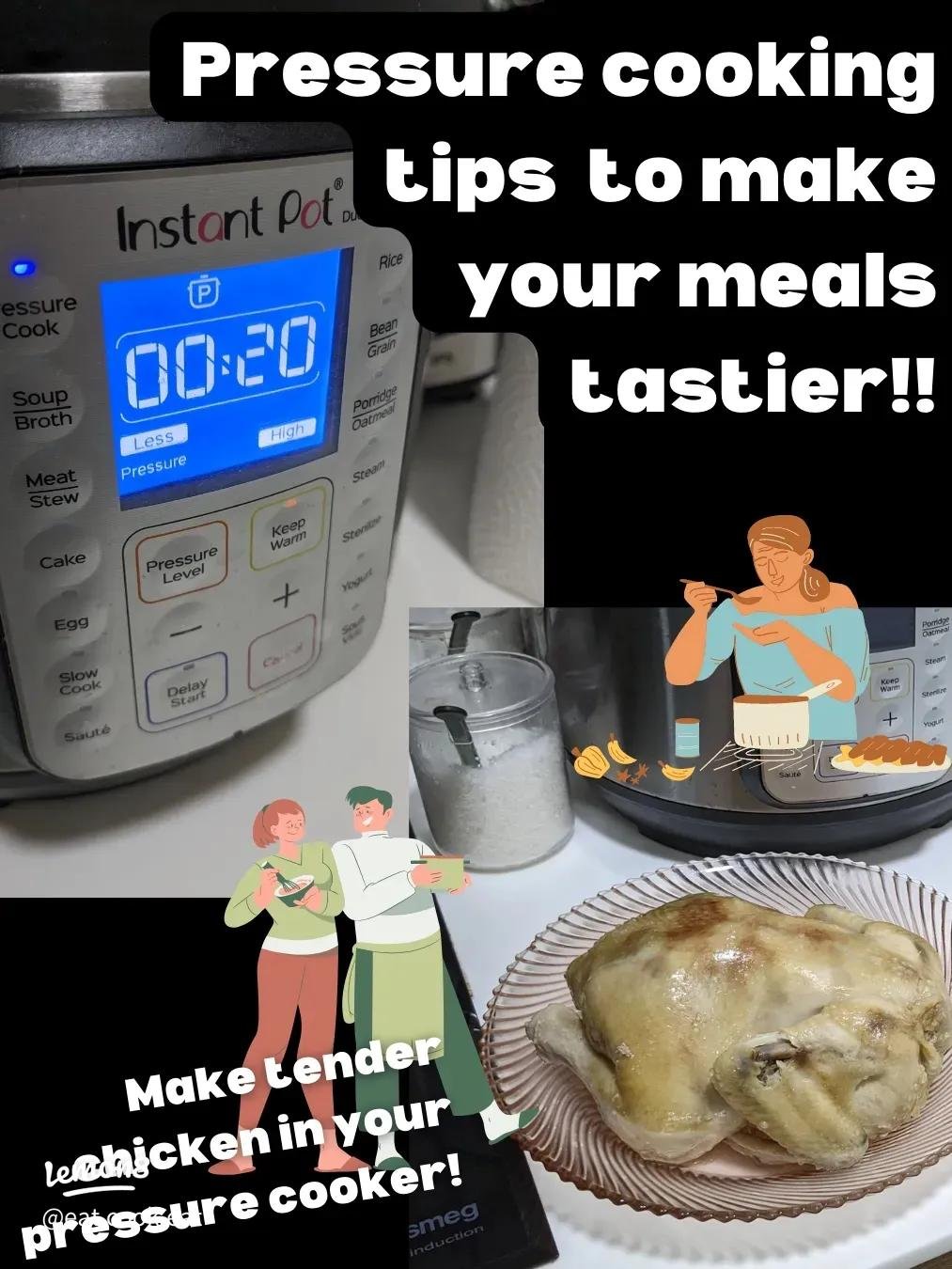
If you’ve ever felt overwhelmed by cooking dinner after a long day, a pressure cooker can be your best friend. It saves you time, locks in flavors, and makes even tough ingredients tender and delicious.
But using a pressure cooker without the right know-how can be tricky—and sometimes a little scary. What if you could unlock simple tips that make your pressure cooker safer and more effective every time? Keep reading, and you’ll discover easy ways to get the most from your pressure cooker, impress your family, and enjoy cooking like never before.
Choosing The Right Pressure Cooker
Choosing the right pressure cooker is important for good cooking results. There are many types and sizes to pick from. Understanding the basics helps you make a smart choice.
Think about your kitchen needs and cooking habits. This guide explains key points to consider before buying a pressure cooker.
Stovetop Vs Electric Models
Stovetop pressure cookers heat quickly and give you control over pressure. Electric cookers are easier to use and have preset programs. Choose based on your cooking style and kitchen setup.
- Stovetop models need a compatible burner or stove.
- Electric models plug into an outlet and often have timers.
- Stovetop cookers usually cook faster.
- Electric cookers offer convenience with automatic settings.
Capacity Considerations
Capacity affects how much food you can cook at once. It is important to choose a size that fits your family and cooking needs.
| Capacity | Best For |
| 3 to 4 quarts | 1-2 people, small meals |
| 6 to 8 quarts | Families of 3-5, larger meals |
| 10 quarts or more | Big families or batch cooking |
Material And Build Quality
Pressure cookers come in different materials. Stainless steel is durable and easy to clean. Aluminum heats quickly but may wear faster.
Look for these features in build quality:
- Thick base for even heat distribution
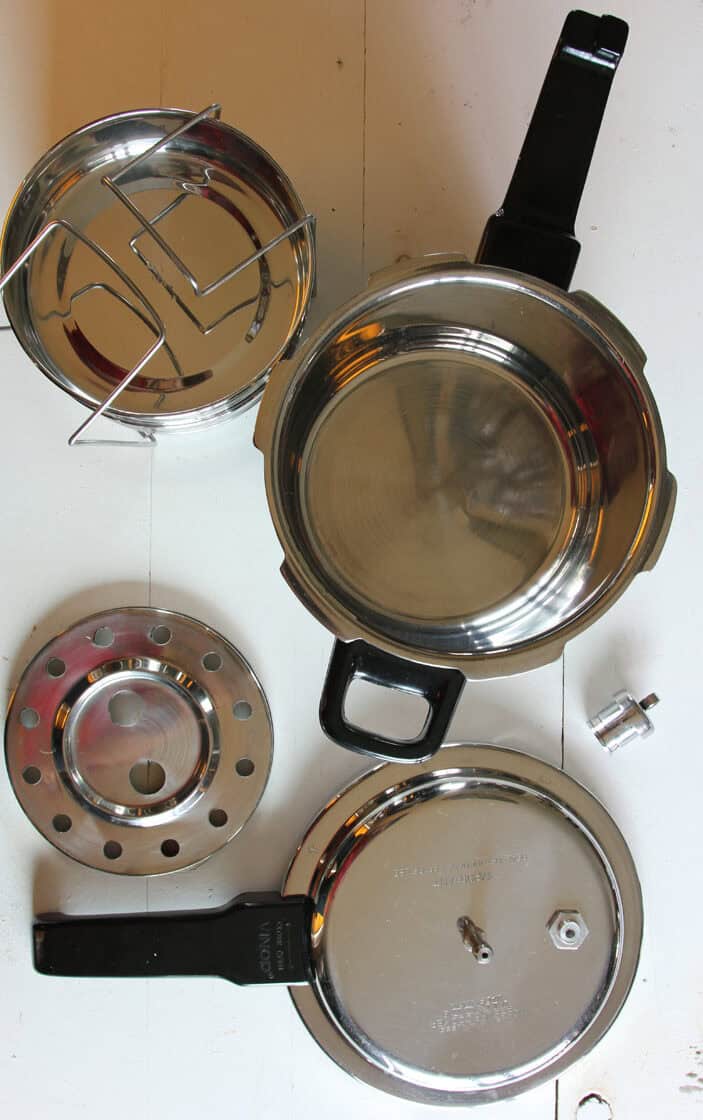
- Strong locking lid for safety
- Pressure release valve that works well
- Comfortable handles that stay cool
Preparing Ingredients
Getting your ingredients ready is important for pressure cooking. Proper preparation helps food cook evenly and safely.
Good prep also saves time and makes your meals taste better. Focus on chopping and soaking for best results.
Chopping And Sizing Tips
Cut ingredients into similar sizes. This helps everything cook at the same speed.
Smaller pieces cook faster but can get mushy. Larger pieces take more time but keep texture.
- Cut vegetables into even chunks
- Trim fat from meat for faster cooking
- Slice dense foods thinner for quick cooking
- Keep delicate foods in bigger pieces
Pre-soaking For Beans And Grains
Soaking beans and grains before cooking helps them soften. It also cuts down cooking time.
Soak in cold water for several hours or overnight. Drain and rinse before adding to the pressure cooker.
- Use enough water to cover ingredients fully
- Discard soaking water to remove impurities
- Soaking helps reduce gas from beans
- Pre-soaked grains cook more evenly
Mastering Pressure Levels
Pressure cookers use different pressure levels to cook food fast. Knowing how to use them helps you get the best results.
Adjusting pressure settings changes cooking time and texture. It also affects safety and energy use.
High Vs Low Pressure Settings
High pressure cooks food faster by raising the boiling point of water. Low pressure is gentler and good for delicate foods.
- Use high pressure for beans, tough meats, and grains.
- Use low pressure for vegetables, fish, and eggs.
- High pressure saves time but can overcook food if not watched.
- Low pressure keeps food texture better but takes longer.
Adjusting For Altitude
At high altitudes, water boils at lower temperatures. This changes cooking time and pressure needed.
| Altitude (feet) | Pressure Setting | Cooking Time Adjustment |
| 0 – 2,000 | Normal | No change |
| 2,000 – 5,000 | Increase pressure | Add 5-10% more time |
| 5,000 – 7,000 | Increase pressure more | Add 10-15% more time |
| 7,000+ | Use highest pressure | Add 15-20% more time |
Credit: www.butteredveg.com
Timing Techniques
Using a pressure cooker saves time and energy when cooking. Knowing the right timing helps get the best results. Timing techniques improve texture and flavor.
Pressure cooking needs different timing than regular cooking. Follow guides and release methods to avoid overcooking or undercooking food.
Cooking Charts And Guides
Cooking charts show times for different foods under pressure. Use them to set the timer accurately. These charts help you prepare meals faster and safer.
| Food | Pressure Cooking Time (minutes) |
|---|---|
| Chicken breasts | 8-10 |
| Potatoes (whole) | 12-15 |
| Beans (soaked) | 20-25 |
| Rice | 5-7 |
| Beef stew meat | 25-30 |
Using Natural Release Vs Quick Release
Pressure cookers have two main ways to release pressure. Natural release lets pressure drop by itself. Quick release vents the steam fast. Each method suits different foods.
- Natural Release:Best for meats and soups. It keeps food tender. Wait 10 to 20 minutes for pressure to drop.
- Quick Release:Good for vegetables and seafood. It stops cooking fast. Use the valve carefully to avoid burns.
- Combination:Some recipes need quick release first, then natural release. Follow the recipe instructions.
Enhancing Flavors
Pressure cookers save time and keep food juicy. Using the right liquids and seasonings helps boost the taste. Small changes can make your dishes more delicious.
Try to add depth and richness by choosing the best cooking base. Herbs and spices also add unique flavors quickly in a pressure cooker.
Using Stocks And Broths
Replace water with stock or broth to add more flavor. These liquids bring natural tastes from meat, vegetables, or bones. They make your meal rich and hearty.
| Type of Stock | Flavor Notes | Best For |
| Chicken Stock | Light and savory | Soups, rice, poultry |
| Beef Broth | Deep and rich | Stews, beans, red meat |
| Vegetable Stock | Fresh and mild | Vegetarian dishes, sauces |
| Fish Stock | Briny and delicate | Seafood recipes, soups |
Spice And Herb Infusion
Adding spices and herbs during cooking lets their flavors mix well. Use whole spices or fresh herbs to keep taste strong. Add them at the start or near the end.
- Toast whole spices before adding for a nutty aroma.
- Use fresh herbs like thyme or rosemary for bright flavor.
- Add dried spices early to soften their bite.
- Finish with delicate herbs like parsley or basil at the end.
- Wrap herbs in a cheesecloth to remove easily after cooking.
Safety Tips
Using a pressure cooker can save time in the kitchen. It is important to follow safety rules. This helps prevent accidents and keeps you safe.
Focus on key parts of the pressure cooker. These parts control pressure and keep the lid secure. Learn how to use them safely.
Lid Lock Mechanisms
The lid lock mechanism keeps the pressure cooker sealed during cooking. It stops the lid from opening while the pot is under pressure.
- Always check the lid lock before cooking.
- Do not try to open the lid while the cooker is pressurized.
- Clean the locking parts regularly to avoid blockages.
- If the lid does not lock properly, do not use the cooker.
- Follow the manufacturer’s instructions for locking the lid.
Pressure Release Valves
Pressure release valves let steam out safely. They control the pressure inside the cooker. Using them correctly prevents dangerous pressure buildup.
| Safety Tip | Why It Matters |
| Check valves before use | Ensures steam can escape properly |
| Do not block the valve | Prevents pressure buildup and accidents |
| Release pressure fully before opening | Stops hot steam burns |
| Clean valves after each use | Keeps valve working well |
Cleaning And Maintenance
Keeping your pressure cooker clean helps it work well for a long time. Regular care stops smells and stains from building up.
Good maintenance also keeps the cooker safe to use every day.
Removing Stains And Odors
Pressure cookers can get stains and smells after cooking many dishes. Clean them soon after use to avoid this.
Use gentle scrubs and natural cleaners to keep the cooker shiny and fresh.
- Mix baking soda with water to form a paste for stains.
- Let the paste sit on stains for 15 minutes, then scrub gently.
- Fill the cooker with water and add a cup of vinegar to remove odors.
- Boil the vinegar solution for 10 minutes, then rinse well.
- Dry the cooker completely before storing to stop smells from coming back.
Checking Seals And Gaskets
Seals and gaskets keep the pressure cooker airtight. Check them often for cracks or damage.
Replace worn or broken seals to keep your cooker safe and working correctly.
- Remove the gasket and clean it with warm soapy water.
- Dry the gasket fully before putting it back.
- Look for cracks, breaks, or stiffness in the gasket.
- Replace the gasket if it feels hard or cracks appear.
- Test the seal by closing the lid and checking for leaks during use.

Credit: www.russelltaylors.co.uk
Troubleshooting Common Issues
Pressure cookers save time but can cause some cooking problems. Knowing how to fix common issues helps you cook better meals.
This guide covers tips for preventing overcooking and handling steam leaks. These fixes keep your food safe and tasty.
Preventing Overcooking
Overcooked food is mushy and loses flavor. Follow these tips to avoid it and get the right texture every time.
- Use the timer on your pressure cooker and set it correctly for each recipe.
- Release pressure quickly for foods that cook fast, like vegetables.
- Check the size of food pieces; smaller pieces cook faster and can overcook if not watched.
- Keep the heat steady after pressure builds to maintain consistent cooking.
- Practice cooking times with new recipes to find what works best for you.
Dealing With Steam Leaks
Steam leaks reduce pressure and slow cooking. Fix leaks to keep your cooker safe and efficient.
| Cause | How to Fix |
| Damaged sealing ring | Replace the ring if it is cracked or worn out. |
| Misaligned lid | Close the lid carefully, making sure it locks fully. |
| Blocked steam vent | Clean the vent with a thin brush to remove food bits. |
| Loose pressure valve | Tighten or reposition the valve as per the manual. |

Credit: www.abt.com
Frequently Asked Questions
How Do I Safely Use A Pressure Cooker?
Always read the manual before use. Check the sealing ring and valves. Never overfill the cooker. Use enough liquid to generate steam. Release pressure naturally or use the quick-release method safely. Keep hands and face away from the steam vent.
What Foods Cook Best In A Pressure Cooker?
Pressure cookers are ideal for beans, tough meats, rice, and stews. They retain nutrients while reducing cooking time. Vegetables like potatoes and carrots cook quickly. Use it for soups, broths, and even desserts. It’s versatile for many recipes.
How Long Should I Cook Food In A Pressure Cooker?
Cooking times vary by food type and pressure level. Meats often need 15-30 minutes, while grains may take 5-10 minutes. Follow recipe guidelines closely. Overcooking can affect texture. Always allow natural pressure release for tender results.
Can I Open The Pressure Cooker Anytime?
Never open while under pressure. Always wait until pressure fully releases. Use the pressure indicator or follow manufacturer’s instructions. Opening too early can cause burns or food spills. Safety is paramount when handling pressure cookers.
Conclusion
Pressure cookers save time and cook food evenly. Always follow safety steps to avoid accidents. Clean your cooker after each use to keep it working well. Experiment with different recipes to enjoy tasty meals. Practice makes perfect, so don’t worry about mistakes.
Use these tips to cook faster and eat healthier. Enjoy the ease and convenience that pressure cooking brings.