
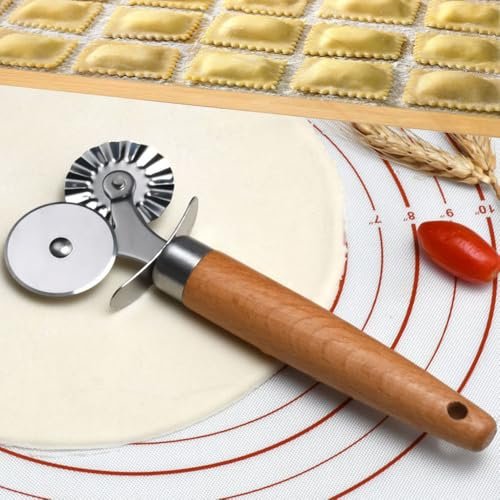
Are you tired of uneven pastry edges and messy dough cuts? Using a pastry wheel might seem simple, but mastering it can make a huge difference in your baking results.
With the right tips, you can cut dough smoothly, create beautiful patterns, and save time in the kitchen. Keep reading to discover how you can use your pastry wheel like a pro and take your baking to the next level.
Your perfect pastry starts here!

Credit: www.amazon.com
Choosing The Right Pastry Wheel
A pastry wheel helps cut dough into shapes and strips. Picking the right one makes baking easier and neater.
Consider the wheel’s size, blade type, and handle comfort. These factors affect how well you work with dough.
Select The Right Wheel Size
Pastry wheels come in small, medium, and large sizes. Choose a size that fits your baking needs.
Small wheels are good for detailed cuts. Large wheels cut bigger dough strips faster.
Choose Between Fluted And Straight Blades
Straight blades cut clean, smooth edges. Use them for simple shapes and neat lines.
Fluted blades create decorative edges. They add style to pies and pastries.
- Straight blade: smooth, even cuts
- Fluted blade: wavy, decorative cuts
Consider Handle Comfort And Grip
A comfortable handle lets you cut dough without hand pain. Look for handles with soft or textured grips.
Good grip helps you control the wheel better. It keeps your cuts straight and even.
Check The Material Quality
Pastry wheels come in metal, plastic, or wood. Metal wheels last longer and cut better.
Plastic wheels are light but may not be very sharp. Wooden handles feel nice but need care to avoid damage.
- Metal: durable and sharp
- Plastic: light, less sharp
- Wood: comfortable, needs care
Mastering Grip And Control
Using a pastry wheel well needs a steady grip. Good control helps you cut dough neatly.
Practice holding the wheel right to avoid slips and uneven edges.
Hold The Wheel Comfortably
Grip the handle with your fingers wrapped around it. Keep your hand relaxed to avoid strain.
A firm but gentle hold lets you guide the wheel smoothly over dough.
Use Your Whole Hand For Control
Use your palm and fingers together to steer the wheel. This gives better control than just fingertips.
Press down evenly as you roll to keep cuts clean and straight.
Position Your Wrist Correctly
Keep your wrist straight and relaxed. Avoid bending it sharply while cutting.
A stable wrist helps keep the pastry wheel steady during use.
Apply Even Pressure While Cutting
Press the wheel down with steady force. Too light pressure can tear dough, too hard can squash it.
Move the wheel slowly to keep the cut smooth and even.
Practice Rolling In Straight Lines
Try cutting straight lines before making shapes. This builds your control and confidence.
- Mark lines lightly on dough if needed
- Roll slowly and watch the wheel’s path
- Adjust your grip if the wheel drifts
Achieving Consistent Cuts
Using a pastry wheel can help you cut dough evenly. Consistent cuts make your pastries look neat and cook well.
Follow simple tips to get smooth, even slices every time. This improves the appearance and baking of your pastries.
Use A Flat, Clean Surface
Place your dough on a flat surface before cutting. A clean board prevents the dough from sticking to the wheel.
This helps the pastry wheel roll smoothly and keeps your cuts straight.
Apply Even Pressure
Hold the pastry wheel firmly but gently. Press down evenly as you roll to avoid uneven edges.
Too much pressure can squish the dough. Too little pressure may cause incomplete cuts.
Roll Slowly And Steadily
Move the wheel slowly to keep your cuts clean. Quick rolling can cause jagged or uneven lines.
Keep a steady pace to control the shape and size of each cut.
Use Guides For Straight Cuts
Place rulers or straight edges beside your dough. These guides help you roll the wheel in a straight line.
- Use a ruler to mark cutting lines lightly
- Follow the marks with the pastry wheel
- Keep the guides steady as you cut
Keep The Wheel Clean
Wipe the pastry wheel often to remove dough buildup. A clean wheel cuts better and avoids dragging dough.
Clean the wheel between different dough batches for best results.
Exploring Decorative Techniques
A pastry wheel is a simple tool that helps create beautiful edges on dough. Using it well can make your pastries look more attractive.
Decorative techniques with a pastry wheel add style and texture. These tips will help you use it efficiently for great results.
Create Even Edges
Roll the pastry wheel firmly and steadily to make straight, even cuts. This gives your dough a clean and neat look.
Use a ruler or guide to help keep your lines straight. This works well for lattice tops or pie crusts.
Make Decorative Patterns
Try wavy or zigzag edges by using a pastry wheel with different blade styles. This adds a fun design to your pastries.
Cut shapes or strips and arrange them on your dough for extra decoration. You can create baskets or woven looks easily.
- Wavy edges for a soft look
- Zigzag cuts for bold style
- Thin strips for weaving patterns
Use Different Dough Thicknesses
Cut dough of varying thickness to add depth and texture. Thin edges and thicker centers create visual interest.
Use the pastry wheel to trim thin slices carefully. Layer these slices to form raised decorations.
Cut Small Shapes For Accents
Roll the pastry wheel to cut small shapes like diamonds or triangles. Place them on top of your pastry for accents.
These small pieces can add charm and detail to simple pastries without much effort.
Keep Your Pastry Wheel Clean
Clean the wheel often to avoid dough buildup. A clean wheel cuts smoothly and keeps edges sharp.
Use warm water and a brush to remove stuck dough. Dry the wheel before using it again for best results.
Maintaining Your Pastry Wheel
Keeping your pastry wheel in good shape helps it work well. Regular care stops it from getting dull or rusty.
Proper maintenance saves money and makes cutting dough easier and cleaner.
Clean Your Pastry Wheel After Each Use
Wash your pastry wheel right after you use it. Dough and flour can stick and harden if left on the blade.
Use warm water and mild soap. Avoid soaking the wheel for a long time to protect the handle and blade.
Dry Thoroughly To Prevent Rust
After washing, dry your pastry wheel completely. Water left on metal parts can cause rust.
Use a clean towel to dry and let it air dry before storing it away.
Sharpen The Blade Regularly
A sharp blade cuts dough cleanly and reduces effort. Check the blade often for dullness.
Use a small knife sharpener or take it to a professional if needed to keep the blade sharp.
Store Your Pastry Wheel Properly
Keep your pastry wheel in a dry place to avoid moisture and damage. Use a blade cover or wrap it in cloth.
Do not store it loosely with other kitchen tools to prevent scratches or bending.
Check And Tighten Loose Parts
Inspect your pastry wheel for loose screws or parts before use. Loose parts can make cutting unsafe.
Tighten any loose screws with a screwdriver to keep the wheel stable and working well.
Troubleshooting Common Issues
Using a pastry wheel can be simple, but some problems may slow you down. Fixing these issues helps you work faster and cleaner.
Below are common troubles and easy tips to solve them. These will help you use your pastry wheel better.
Wheel Sticking Or Dragging
If your pastry wheel sticks or drags on the dough, it can ruin your cuts. This usually happens when the wheel is dirty or dough is too soft.
Clean the wheel regularly and chill the dough before cutting. Use a light touch to avoid pressing too hard.
Uneven Or Jagged Cuts
Uneven cuts make your pastries look messy. This happens if the wheel is dull or you cut too fast.
Sharpen or replace the wheel blade if it is dull. Move the wheel slowly and steadily for smooth edges.
Dough Sticking To The Wheel
Dough sticking to the wheel can cause tearing and messy cuts. This occurs with sticky dough or a wet wheel.
Dust the dough and wheel lightly with flour before cutting. Wipe the wheel often to keep it dry.
Wheel Not Rolling Smoothly
If the wheel does not roll well, it may be stuck or rusty. This slows cutting and damages dough.
Check the wheel for debris or rust. Clean and oil the wheel axle gently to help it roll smoothly again.
Difficulty Cutting Thick Or Hard Dough
Hard or thick dough can be tough to cut with a pastry wheel. This can bend the wheel or cause uneven cuts.
Roll the dough thinner before cutting. Use a rolling pin to soften the dough to avoid extra pressure on the wheel.
Enhancing Pastry Presentation
Using a pastry wheel can improve the look of your baked goods. It helps create neat edges and patterns.
Knowing how to use it well makes your pastries look more professional and inviting.
Keep The Wheel Sharp
A sharp pastry wheel cuts cleanly through dough. It prevents tearing and uneven edges.
Regularly check the wheel and sharpen if needed for the best results.
Use Even Pressure
Apply steady pressure while rolling the wheel. This ensures smooth and consistent cuts.
Uneven pressure may cause jagged edges or misshaped pieces.
Choose The Right Dough Thickness
Roll your dough evenly to the right thickness before cutting. Thin dough cuts better and looks nicer.
Thick dough may be harder to cut and can distort shapes.
Create Decorative Edges
Use the pastry wheel to add decorative edges to your pastries. Zigzag or fluted edges catch the eye.
Try different wheel patterns to make your pastries stand out.
- Zigzag edge for pies and tarts
- Fluted edge for cookies and pastries
- Straight edge for neat, clean lines
Cut Uniform Shapes
Use the wheel to cut dough into even shapes. Uniform pieces bake evenly and look tidy.
Consistent shapes improve the overall appearance of your baked goods.
Clean The Wheel Often
Keep the pastry wheel clean while working. Dough buildup can cause rough cuts.
Wipe the wheel between cuts to maintain smooth lines and a polished look.

Credit: www.amazon.com
Innovative Uses Beyond Pastry
A pastry wheel is not just for cutting dough. It can do many tasks in the kitchen and craft room.
Here are some smart ways to use your pastry wheel beyond making pastries.
Cutting Homemade Pasta
Use the pastry wheel to cut pasta dough into strips or shapes. It gives clean edges and looks nice.
The wheel helps shape fettuccine, tagliatelle, or ravioli edges quickly and evenly.
Creating Decorative Pie Crust Edges
Make your pie crusts look special by cutting designs with the pastry wheel. You can create patterns like waves or zigzags.
This adds a professional touch without needing extra tools.
Crafting Paper Or Fabric Designs
The pastry wheel can cut clean lines on thin paper or fabric. Use it for scrapbooking, sewing, or quilting projects.
Its sharp edge helps make straight or decorative cuts easily.
- Cut strips for paper crafts
- Create fabric borders
- Trim edges with style
Slicing Soft Cheese Or Butter
Use a pastry wheel to slice soft cheese or butter into thin, even pieces. It is gentle and keeps shapes neat.
This tool is great for serving cheese trays or preparing butter for baking.
Cutting Sandwiches Or Finger Foods
Make small sandwiches or finger foods look tidy by cutting them with a pastry wheel. It cuts clean lines without crushing the food.
You can create fun shapes and sizes for parties or snacks.

Credit: www.amazon.com
Frequently Asked Questions
How Do I Choose The Best Pastry Wheel?
Select a pastry wheel with a comfortable handle and sharp, durable blade. Stainless steel wheels resist rust and cut smoothly. Consider adjustable wheels for different cutting styles. A good grip ensures precision and reduces hand fatigue during use.
What Is The Proper Technique For Using A Pastry Wheel?
Hold the pastry wheel firmly and apply even pressure while rolling. Use a steady, smooth motion to create clean cuts. Roll away from your body to maintain control and avoid dough tearing. Practice on scrap dough to perfect your technique.
How Can I Maintain My Pastry Wheel For Long Life?
Clean your pastry wheel immediately after use with warm, soapy water. Dry it thoroughly to prevent rust. Occasionally oil the wheel’s moving parts for smooth rotation. Store in a dry place to maintain sharpness and prevent damage.
Can A Pastry Wheel Cut Different Dough Thicknesses?
Yes, a pastry wheel can cut various dough thicknesses with proper pressure. Adjust your rolling speed and pressure based on dough type. For thicker dough, roll slower with more pressure. Thin dough requires lighter, faster strokes to avoid tearing.
Conclusion
Using a pastry wheel can make baking easier and more fun. Keep your cuts clean and even for best results. Practice steady pressure and slow movements to avoid mistakes. Clean your pastry wheel well after each use to keep it sharp.
Try different shapes and patterns to add style to your pastries. Enjoy the process and be patient. With these tips, your baking will look better and taste great too. Small steps lead to big improvements. Keep experimenting and learning.