
Keeping your floors spotless doesn’t have to be a struggle. If you’ve ever dealt with messy mop buckets or stubborn stains, you know how frustrating cleaning can get.
But what if you could make the whole process easier and more effective? With the right tips for using a mop bucket, you’ll save time, avoid spills, and get your floors shining like never before. Ready to discover simple tricks that can change the way you clean?
Keep reading, and your next mopping session will feel effortless.
Credit: www.ocedar.com
Choosing The Right Mop Bucket
Selecting the right mop bucket helps you clean more easily and faster. The right bucket suits your cleaning needs.
Think about the size, type, and features before buying. These details affect your cleaning results and comfort.
Consider The Bucket Size
Choose a bucket size that matches your cleaning area. A small bucket works well for tight spaces.
Large buckets hold more water and reduce refilling. They suit big floors but can be heavy to carry.
- Small buckets: easy to carry, less water capacity
- Medium buckets: balance of size and weight
- Large buckets: hold more water, heavier to move
Choose The Right Material
Plastic buckets are light and common. They resist water and are easy to clean.
Metal buckets are strong but heavy. They last longer but may rust if not cared for.
- Plastic: lightweight, affordable, water-resistant
- Metal: durable, heavy, may rust
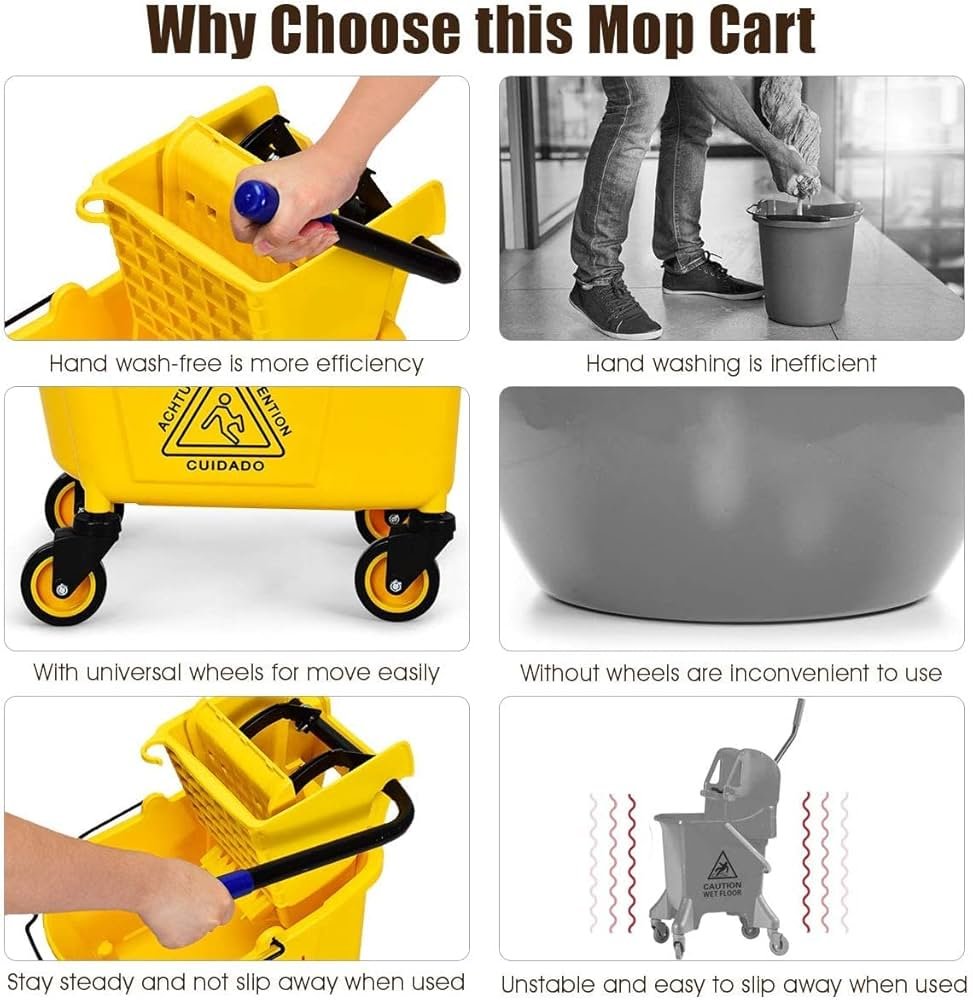
Look For A Built-in Wringer
A wringer helps squeeze water out of the mop easily. It saves time and effort during cleaning.
Some buckets have foot pedals or hand levers to operate the wringer. Choose one that feels comfortable to use.
- Foot pedal wringers: hands-free, less effort
- Hand lever wringers: simple, quick control
- No wringer: need manual wringing, more work
Check For Wheels And Handles
Wheels make moving a full bucket easier. This reduces strain on your back and arms.
Strong handles help you lift and carry the bucket safely. Look for comfortable grips to avoid hand pain.
- Wheels: easy to move heavy buckets
- Handles: secure grip, comfortable carry
- Look for sturdy construction to avoid breaks
Consider The Bucket Shape And Design
Square or rectangular buckets fit better in corners and storage spaces. Round buckets are easier to clean inside.
Some buckets have measurement marks inside. These help you mix cleaning solutions accurately.
- Square buckets: good for storage and corners
- Round buckets: easier to clean inside
- Measurement marks: help with mixing liquids
Prepping Your Space
Before you start mopping, it is important to prepare the area properly.
Good preparation helps you clean faster and avoid accidents.
Clearing The Area
Remove all objects from the floor where you will mop.
- Pick up rugs and mats
- Move furniture if possible
- Clear toys and clutter
- Keep pets away during cleaning
Gathering Necessary Supplies
Collect all tools and cleaning products before you start.
| Supply | Purpose |
| Mop | Clean floors |
| Mop bucket | Hold water and cleaning solution |
| Cleaning solution | Remove dirt and stains |
| Gloves | Protect hands |
| Old towels | Dry spills or mop excess water |
Mixing Cleaning Solution
Mixing the right cleaning solution helps you clean floors efficiently. Using the right amount of cleaner ensures good results without wasting product.
This guide covers how to pick the best cleaner and measure it properly for your mop bucket.
Selecting Effective Cleaners
Choose cleaners based on the floor type and dirt level. Some cleaners work better on wood, others on tile or vinyl.
- Check if the cleaner is safe for your floor material.
- Use mild cleaners for delicate floors to avoid damage.
- Consider antibacterial cleaners for extra hygiene.
- Avoid mixing different chemicals to prevent reactions.
Measuring Properly
Measure cleaning solutions carefully to keep the right strength. Too strong can harm floors; too weak may not clean well.
| Cleaner Type | Amount per 1 Gallon Water |
| All-purpose Cleaner | 2 ounces |
| Floor Soap | 1 ounce |
| Disinfectant | 3 ounces |
| Vinegar Solution | ½ cup |
Mastering The Mopping Technique
Using a mop bucket properly helps you clean floors faster and better. Learning the right way to move the mop can save time and effort.
This guide shows simple tips for using correct motions and avoiding mistakes. Follow these to keep floors spotless and extend your mop’s life.
Using The Correct Motions
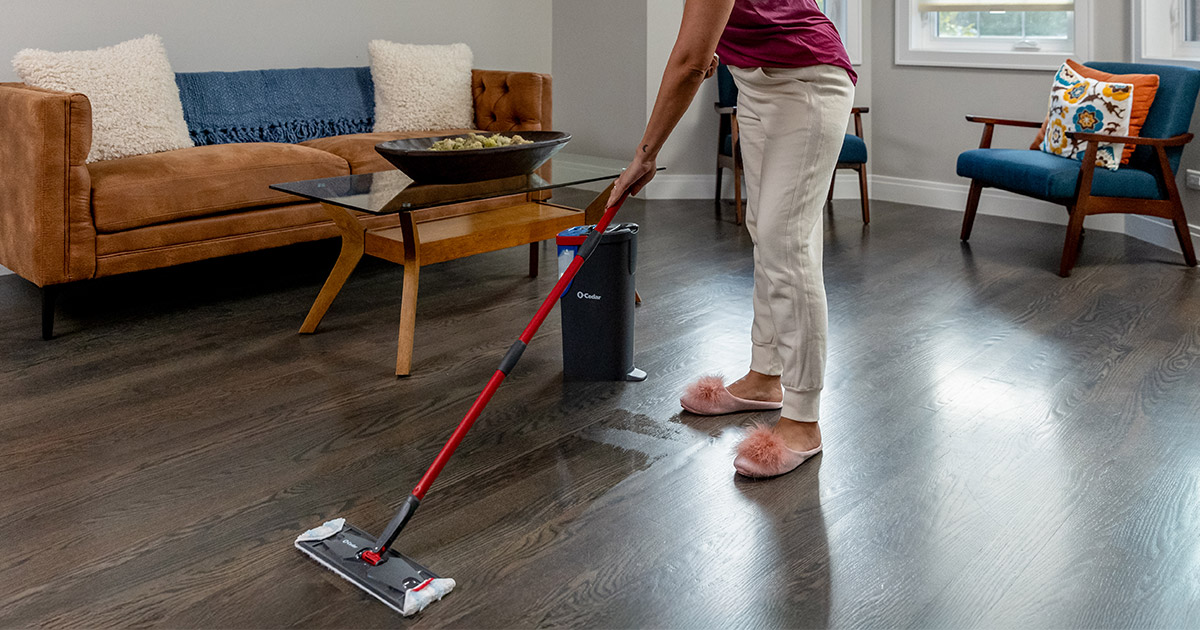
Move the mop in smooth, even strokes. Push the mop forward and pull it back in a straight line. Avoid twisting or scrubbing hard.
- Start at one corner and work toward the exit.
- Overlap each stroke slightly for full coverage.
- Use a figure-eight motion on tough spots.
- Rinse the mop head often in the bucket water.
- Wring the mop well to avoid excess water on the floor.
Avoiding Common Mistakes
Some mistakes reduce cleaning power and can damage floors or the mop. Watch out for these common errors:
| Mistake | Problem | Solution |
| Using too much water | Floors stay wet and can warp | Wring mop well before each stroke |
| Not changing water often | Spreads dirt instead of cleaning | Replace dirty water regularly |
| Scrubbing hard | Wears out mop fibers and floor finish | Use gentle, smooth motions |
| Ignoring corners | Dirt builds up in edges | Clean edges with mop tip or brush |
| Using the same side of mop | Less effective cleaning | Flip mop head to use clean side |
Maintaining The Mop And Bucket
Keeping your mop and bucket clean helps them last longer. Proper care stops bad smells and germs from growing.
Simple habits can make cleaning easier and your tools work better every time you use them.
Cleaning After Use
After mopping, rinse the mop and bucket well with clean water. Remove dirt and cleaning solution to avoid buildup.
- Empty the bucket completely and rinse it out.
- Wash the mop head in warm water and soap.
- Wring out the mop to remove extra water.
- Let both dry in a well-ventilated area.
- Check the mop for damage or loose fibers.
Storing Properly
Store your mop and bucket in a dry place. Keep them off the floor to avoid dirt and moisture.
| Storage Tip | Reason |
| Hang the mop head | Prevents mold and keeps shape |
| Keep bucket upside down | Stops water from collecting inside |
| Use a clean storage area | Avoids dirt and germs |
| Check mop regularly | Ensures it stays in good condition |
Safety Precautions
Using a mop bucket is common in cleaning tasks. It is important to follow safety steps. This helps prevent accidents and injuries.
Focus on handling slippery floors and avoiding chemical hazards. These two areas have the most risks when using mop buckets.
Handling Slippery Floors
Wet floors can cause slips and falls. Take care to keep others safe while mopping. Use signs and clean in small sections.
- Place “Wet Floor” signs around the area.
- Wear shoes with good grip to avoid slipping.
- Mop small areas one at a time.
- Let floors dry completely before walking on them.
- Use a wringer to remove excess water from the mop.
Avoiding Chemical Hazards
Cleaning chemicals can irritate skin and eyes. Some can cause breathing problems. Handle chemicals carefully.
| Safety Tip | Reason |
| Wear gloves | Protect skin from chemicals |
| Use eye protection | Avoid splashes to eyes |
| Read labels | Know proper use and warnings |
| Do not mix chemicals | Prevent toxic fumes |
| Work in ventilated areas | Reduce inhaling fumes |
Eco-friendly Mopping Tips
Using a mop bucket is a common way to clean floors. You can make mopping better for the planet. Small changes help save water and reduce waste.
This guide shares easy tips on choosing green products and saving water. These ideas fit well with regular cleaning routines.
Choosing Green Products
Eco-friendly cleaning products contain natural ingredients. They avoid harsh chemicals that harm the environment and your health. Look for labels that say “biodegradable” or “non-toxic.”
- Use plant-based soaps and detergents
- Avoid bleach and ammonia
- Choose concentrates to reduce packaging waste
- Pick products with recyclable containers
- Try homemade cleaners with vinegar or baking soda
Water Conservation Techniques
Saving water during mopping helps protect nature. Use only the water you need and reuse it when possible. Clean mop heads well to avoid changing water often.
| Water Saving Tip | How It Helps |
| Fill bucket halfway | Reduces water waste |
| Reuse rinse water | Cuts total water use |
| Use a wringer mop | Controls water amount on mop |
| Spot clean spills | Limits full mopping sessions |
| Fix leaks in mop bucket | Prevents water loss |

Credit: www.angi.com
:max_bytes(150000):strip_icc()/SPR-should-you-mop-with-hot-or-cold-water-11785902-8034a4fa718143caa9fb087a9d1cf7f7.jpg)
Credit: www.thespruce.com
Frequently Asked Questions
What Is The Best Way To Fill A Mop Bucket?
Fill the mop bucket with warm water and an appropriate cleaning solution. Avoid overfilling to prevent spills and ensure easy maneuvering.
How Often Should You Change Mop Bucket Water?
Change mop bucket water after cleaning each room or when it becomes visibly dirty. This prevents spreading dirt and maintains cleaning efficiency.
Can I Use Any Cleaning Solution In A Mop Bucket?
Use cleaning solutions compatible with your floor type. Avoid harsh chemicals that can damage floors or leave harmful residues.
How Do I Avoid Spills When Using A Mop Bucket?
Use a mop bucket with a wringer and pour water carefully. Always keep the bucket on a flat surface to prevent tipping.
Conclusion
Using a mop bucket correctly makes cleaning easier and faster. Keep the bucket clean to avoid spreading dirt. Change the water often for better results. Use the wringer to remove extra water from the mop. Store the bucket in a dry place to prevent damage.
These simple steps help keep floors spotless and safe. Clean floors create a fresh and healthy home environment. Remember, small habits lead to big cleaning success.