
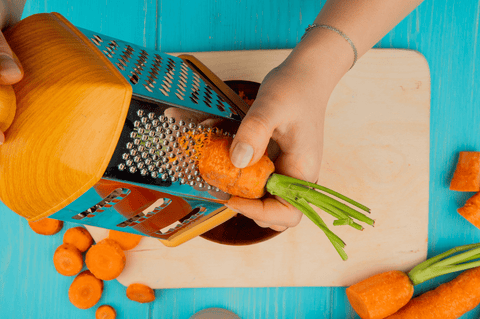
If you want to speed up your meal prep and create perfectly sliced fruits and vegetables every time, mastering your mandoline slicer is key. But using it efficiently isn’t just about slicing fast—it’s about slicing safely and getting the best results without wasting food.
You’ll discover simple tips that help you use your mandoline like a pro. Whether you’re a beginner or looking to improve, these tricks will save you time, reduce effort, and make your dishes look amazing. Keep reading to unlock the full potential of your mandoline slicer!
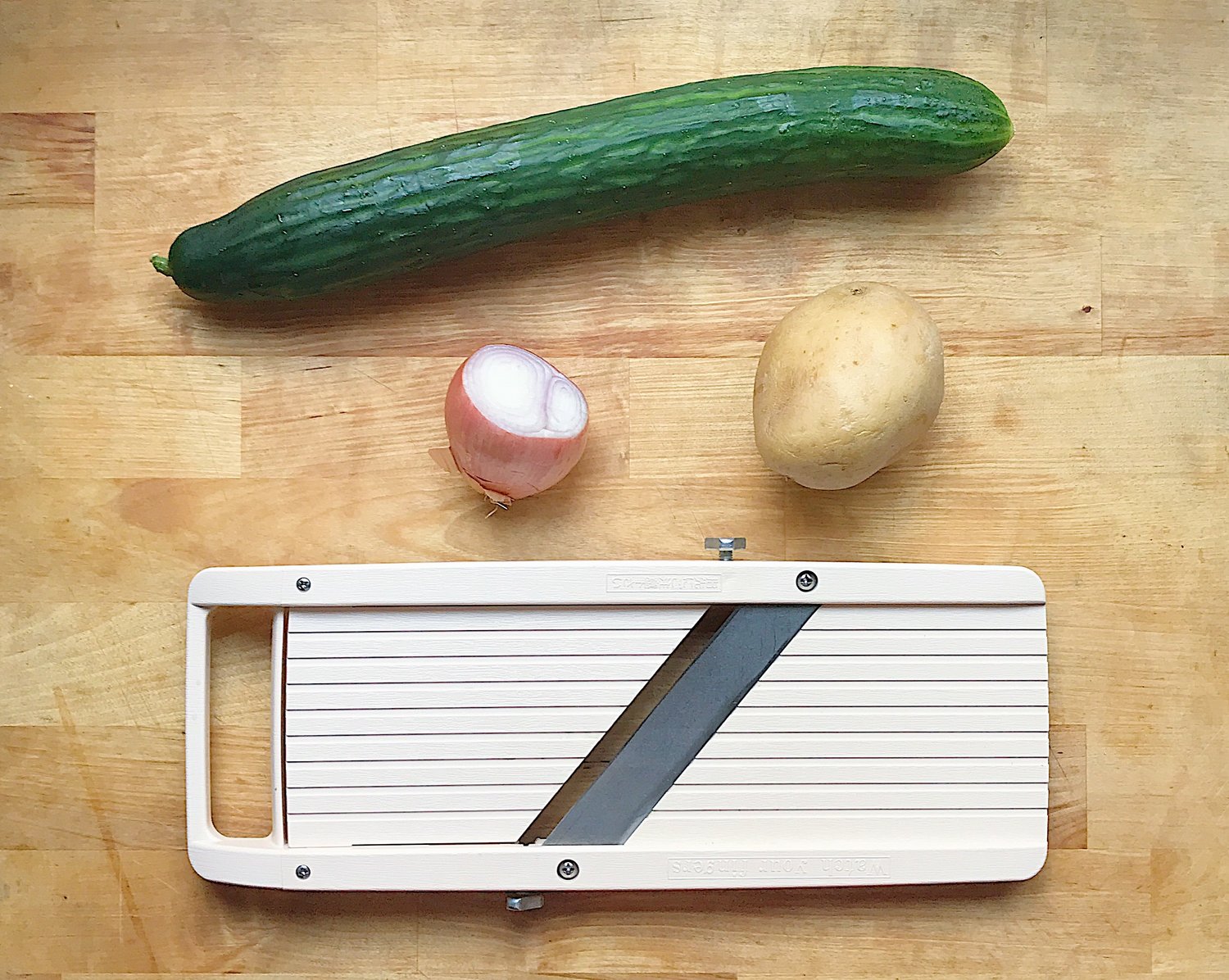
Credit: newfoodtuesdayz.com
Choosing The Right Mandoline Slicer
A mandoline slicer helps you cut fruits and vegetables evenly. Picking the right one makes your work easier and safer.
Not all mandolines are the same. Knowing the types and key features helps you choose the best tool for your kitchen.
Types Of Mandoline Slicers
Mandoline slicers come in different shapes and sizes. Each type has unique uses and benefits.
- Flat Mandoline:Simple design, good for thin slices.
- Box Mandoline:Has a container to catch slices, less mess.
- Adjustable Mandoline:Lets you change slice thickness easily.
- V-Blade Mandoline:Great for crinkle cuts and waffle shapes.
Choose the type that fits your cooking style and the foods you prepare most.
Key Features To Consider
Some features make a mandoline slicer safer and easier to use. Look for these when buying one.
- Adjustable Thickness:Lets you make thin or thick slices.
- Sharp Blades:Help cut quickly and cleanly.
- Safety Guard:Protects your fingers while slicing.
- Non-Slip Base:Keeps the slicer steady on the counter.
- Easy to Clean:Removable parts make washing simple.
Choosing these features helps you slice safely and get better results every time.

Credit: chefsupplyco.com.au
Essential Safety Precautions
Using a mandoline slicer can make slicing vegetables fast and even. It is important to use it safely to avoid injuries.
Follow these safety tips to protect your fingers and keep the slicer in good condition.
Using Safety Guards
Always use the safety guard that comes with your mandoline slicer. It holds the food and keeps your fingers away from the blades.
If your slicer does not have a guard, use a cut-resistant glove to protect your hand.
- Attach the safety guard before slicing
- Keep food firmly pressed against the guard
- Do not remove the guard while slicing
Proper Hand Placement
Place your hand on the safety guard or hold the food with a glove. Never place your fingers near the blade.
Keep your hands steady and move the food slowly across the blade to avoid slips.
- Hold the food firmly but carefully
- Keep fingers curled away from the blade
- Slice in a controlled, slow motion
Maintenance And Cleaning
Clean your mandoline slicer after every use. This stops food from sticking and keeps the blade sharp.
Use a brush or sponge to clean the blade carefully. Avoid touching the sharp edge with your fingers.
- Disassemble the slicer before cleaning
- Use warm, soapy water for washing
- Dry all parts completely before storing
- Check blades regularly for dullness or damage
Techniques For Efficient Slicing
Using a mandoline slicer helps cut vegetables quickly and evenly. Learning good techniques keeps slicing safe and smooth.
Focus on how you press, adjust blades, and handle different vegetables. These tips improve your slicing results.
Consistent Pressure Application
Apply steady pressure while sliding the vegetable over the blade. Too much force can cause uneven slices or accidents.
Keep your hand firm but gentle. This control makes the slicing smooth and shapes uniform.
Adjusting Blade Settings
Change the blade to suit the vegetable thickness you want. Different settings give you thin, medium, or thick slices.
Check the slicer instructions to safely adjust the blade. Always lock the blade in place before slicing.
- Thin slices for salads or chips
- Medium slices for cooking or roasting
- Thick slices for stews or grilling
Slicing Different Vegetables
Each vegetable needs a slight change in handling. Hard vegetables need firm pressure; soft ones need gentle care.
Use the food holder or safety guard to protect your fingers. Cut vegetables into shapes that fit the slicer well.
- Carrots and potatoes require strong, steady pressure
- Zucchini and cucumbers slice easily with light pressure
- Tomatoes need careful, gentle slicing to avoid squashing
- Firm vegetables need cutting into smaller pieces first
Maintaining Speed Without Compromising Safety
Using a mandoline slicer can save time in the kitchen. It helps slice vegetables and fruits fast.
Speed is good, but safety must come first. You need to work quickly and avoid injuries.
Developing A Steady Rhythm
Find a smooth pace that feels comfortable. Do not rush or slow down too much.
Keep your hands steady and use the safety guard. This helps prevent slips and cuts.
- Hold the food firmly with the guard in place
- Push down evenly without jerking
- Keep a constant speed for uniform slices
- Take short breaks if your hands get tired
Avoiding Common Mistakes
Many accidents happen when users ignore safety rules. Watch out for these common errors.
Do not use your bare hands near the blade. Always use the hand guard or a cut-resistant glove.
- Not securing the mandoline on a flat surface
- Forgetting to use the hand guard
- Applying too much force while slicing
- Rushing and losing focus during use
- Using dull blades that slip easily
Cleaning And Storage Tips
Keeping your mandoline slicer clean and stored correctly helps it last longer. It also keeps it safe to use every time.
Follow simple steps to clean and store your slicer well. This prevents damage and keeps it ready for your next use.
Safe Cleaning Practices
Always clean your mandoline slicer right after use. Food bits can stick and become hard to remove if left too long.
Handle the blades carefully to avoid cuts. Use a brush or sponge instead of your fingers to clean sharp edges.
- Disassemble slicer parts if possible for better cleaning
- Use warm, soapy water to wash all pieces
- Rinse well to remove soap residue
- Dry all parts completely before storing
- Do not put blades in the dishwasher unless the manual says it is safe
Proper Storage Techniques
Store your mandoline slicer in a safe place to protect the blades and avoid accidents. Keep it out of reach of children.
Use blade covers or cases if your slicer has them. This keeps the blades sharp and prevents cuts when reaching for it.
- Keep the slicer dry before storing to stop rust
- Store in a drawer or cupboard with enough space
- Avoid stacking heavy items on top of the slicer
- Label the storage area to remind others about sharp blades

Credit: www.amazon.ca
Creative Uses For Your Mandoline Slicer
A mandoline slicer helps you cut fruits and vegetables evenly and quickly. It is not just for slicing potatoes or cucumbers.
You can use it to make creative dishes and present food in fun ways. This tool can inspire new ideas in your kitchen.
Innovative Recipes
Use your mandoline to create thin slices for salads, chips, and garnishes. It makes cooking easier and faster.
Try making vegetable ribbons for pasta or wraps. Thin slices cook quickly and add texture to dishes.
- Make potato chips by slicing potatoes very thin and frying them.
- Create cucumber ribbons for fresh salads or sushi rolls.
- Slice carrots thinly for stir-fries or slaws.
- Use thin apple slices to top desserts or add to sandwiches.
Presentation Ideas
Thin, even slices improve the look of your dishes. Use your mandoline to make food look neat and professional.
Layer slices in patterns on plates or use them to decorate salads. This adds visual appeal to your meals.
- Create colorful vegetable stacks by layering thin slices.
- Use thin slices of radish or beet to decorate salads.
- Make cucumber or zucchini ribbons to wrap around appetizers.
- Arrange fruit slices in circles or rows for dessert plates.
Frequently Asked Questions
How Do I Use A Mandoline Slicer Safely?
Always use the hand guard that comes with the slicer. Keep your fingers away from the blade. Slice slowly and steadily to avoid slips. Wearing a cut-resistant glove adds extra safety. Clean the slicer carefully to prevent accidents.
What Types Of Foods Work Best With A Mandoline Slicer?
Mandoline slicers are ideal for slicing vegetables like cucumbers, carrots, and potatoes. They also work well with fruits such as apples and pears. Avoid overly soft or very hard foods to maintain even slices and protect the blade.
How Can I Adjust The Thickness On A Mandoline Slicer?
Most mandoline slicers have a dial or lever to change thickness. Turn the dial to select your desired slice thickness. Test on a small piece first to ensure the setting is correct. Adjust as needed for uniform slices.
How Do I Clean A Mandoline Slicer Efficiently?
Disassemble the slicer before cleaning. Use warm, soapy water and a brush to remove food residue. Avoid abrasive materials that can damage the blade. Dry all parts thoroughly to prevent rust. Some models are dishwasher-safe; check the manual.
Conclusion
Using a mandoline slicer can save time in the kitchen. Always handle it with care to avoid cuts. Keep the blade sharp for clean, even slices. Use the safety guard to protect your fingers. Practice slicing different vegetables to improve your skills.
Clean the slicer right after use to keep it in good shape. These tips help you work faster and safer. Enjoy preparing meals with neat, uniform slices every time.