

Are you ready to enjoy fresh, delicious juice right at home? Using a juicer can be a game-changer for your health and taste buds.
But to get the best flavor and nutrition, you need the right approach. You’ll discover simple tips that make your juicing experience easier and more rewarding. Whether you’re new to juicing or want to improve your results, these tips will help you get the most out of your juicer every time.
Keep reading, and start making juice that truly energizes your day!
Choosing The Right Juicer
Picking the right juicer is key for fresh juice at home. It affects taste, nutrition, and ease of use.
Learn about different types and what fits your needs and budget best.
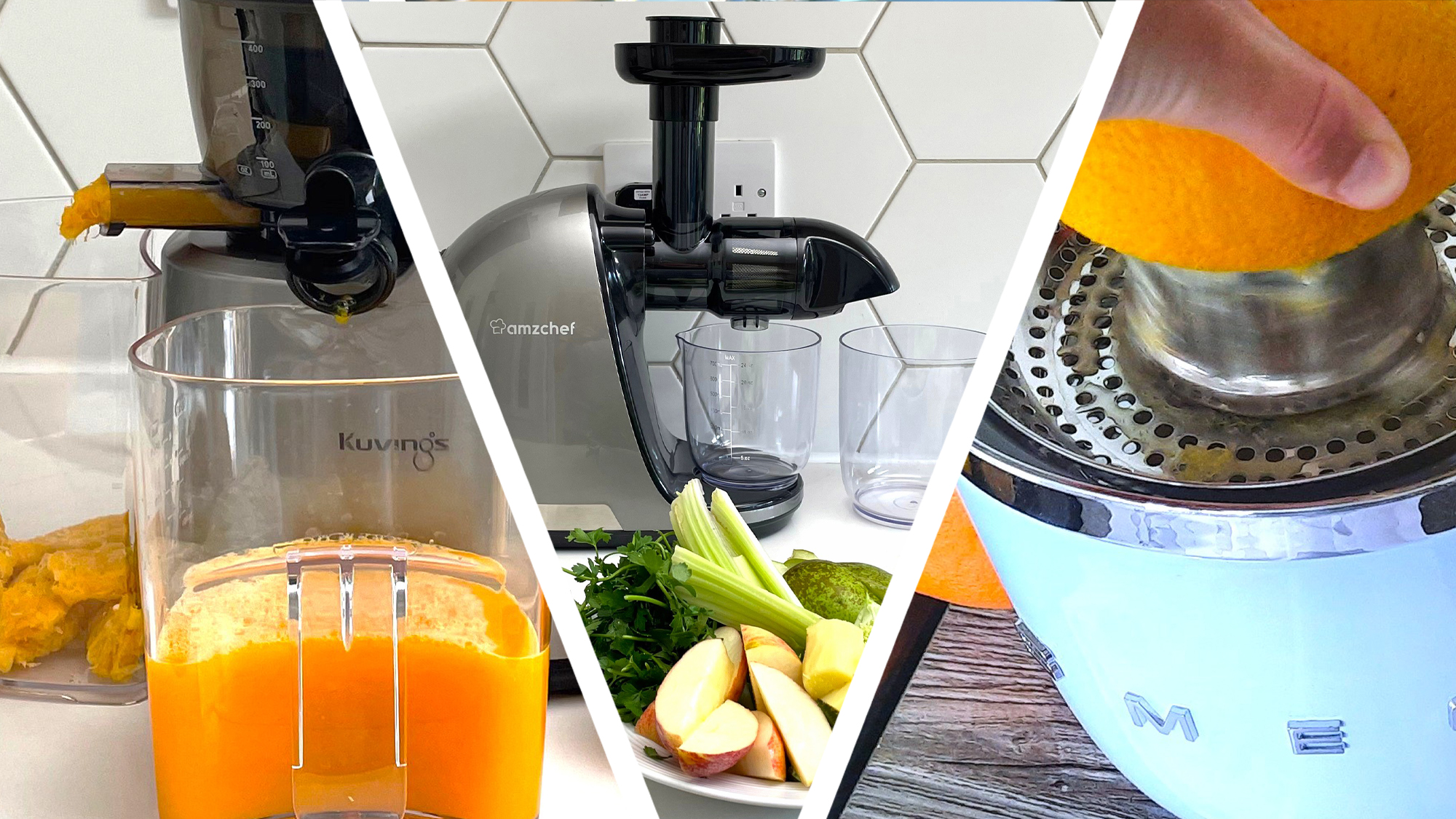
Centrifugal Vs. Masticating
Centrifugal juicers use fast spinning blades. They work quickly but may add air to juice.
Masticating juicers crush fruits slowly. They keep more nutrients and juice yield.
- Centrifugal juicers are usually less expensive.
- Masticating juicers are quieter and better for leafy greens.
- Centrifugal juicers are easier to find in stores.
- Masticating juicers take longer but give richer juice.
Considering Your Budget
Juicers come in many price ranges. Decide how much you want to spend before buying.
| Price Range | Type | Features |
| Under $100 | Centrifugal | Basic, fast, less juice yield |
| $100 – $300 | Masticating | Better juice quality, slower |
| Above $300 | Masticating | Durable, multi-function, high yield |
Evaluating Ease Of Use And Cleaning
Choose a juicer that is easy to assemble, use, and clean. This saves time daily.
- Look for dishwasher-safe parts.
- Choose wide feeding chutes to reduce prep time.
- Pick models with fewer pieces to clean.
- Check if the juicer comes with cleaning tools.
Preparing Ingredients
Preparing ingredients is key for fresh juice. It helps your juicer work well and makes tasty juice.
Good preparation saves time and keeps flavors pure. Clean and ready ingredients give the best results.
Washing And Peeling Tips
Wash fruits and vegetables with cold water. This removes dirt and germs that could spoil your juice.
Peel thick-skinned produce like oranges and pineapples. Thin skins like apples can be juiced with skin on.
- Rinse under running water
- Use a brush for firm skins
- Peel only when skin is bitter or tough
Chopping For Efficient Juicing
Cut ingredients into small, even pieces. This helps the juicer extract juice faster and easier.
Remove large seeds and stems. These parts can block the juicer or add bad taste.
- Use a sharp knife for clean cuts
- Make pieces about 1 to 2 inches
- Remove hard seeds and stems
Selecting Ripe Produce
Pick fruits and vegetables that are ripe and fresh. Ripe produce has more juice and better flavor.
Check for soft spots or bruises. Avoid these because they may taste bad or spoil quickly.
- Look for bright colors and firm texture
- Smell produce for a sweet aroma
- Avoid damaged or moldy items
Juicing Techniques
Juicing fresh fruits and vegetables is a healthy way to enjoy nutrients. Using the right techniques makes your juice taste better and stay fresh longer.
This guide covers key tips to improve your juicing experience and flavor.
Layering Ingredients For Flavor
Layering ingredients properly helps mix flavors well. Start with softer fruits and end with harder vegetables to get the best juice flow and taste.
- Begin with leafy greens or herbs
- Add soft fruits like berries or citrus
- Include crunchy vegetables last, such as carrots or celery
- Alternate between soft and hard layers to avoid clogs
Controlling Pulp Levels
You can adjust pulp to suit your texture preference. Some juicers have settings for this. If yours does not, try these tips.
| Method | Effect on Pulp |
| Use fine mesh strainer | Reduces pulp in juice |
| Juice slower | Extracts more juice, less pulp |
| Add water before juicing | Thins pulp for smoother juice |
| Choose low-fiber fruits | Less pulp in final juice |
Using Cold Ingredients For Freshness
Cold fruits and vegetables help keep juice fresh and tasty. They lower oxidation and slow down nutrient loss.
Try these tips to use cold ingredients:
- Chill produce in the fridge before juicing
- Use cold water if adding water to juice
- Serve juice immediately or store in a sealed container in the fridge

Credit: www.kuvingsusa.com
Maximizing Nutrient Retention
Fresh juice is full of vitamins and minerals. To keep these nutrients, you need to use your juicer the right way.
Small actions during juicing help keep the juice healthy and tasty. Here are some tips to get the most from your fresh juice.
Juicing Immediately After Cutting
Cut fruits and vegetables start losing nutrients as soon as they are sliced. Juicing right away stops this loss.
- Cut only what you will juice at the time.
- Keep cut pieces in a cool place if you cannot juice immediately.
- Use airtight containers to reduce exposure to air.
Avoiding Heat Generation
Heat can break down vitamins and enzymes in juice. Using a slow juicer reduces heat and protects nutrients.
| Juicer Type | Heat Produced | Nutrient Retention |
| Slow Masticating Juicer | Low | High |
| Blade Centrifugal Juicer | High | Lower |
Consuming Juice Quickly
Fresh juice loses nutrients fast when left out. Drinking it soon keeps the vitamins strong.
Follow these tips to keep your juice fresh:
- Drink juice within 15 minutes of juicing.
- Store juice in glass bottles with lids if needed.
- Keep juice in the refrigerator to slow nutrient loss.
Creative Juice Recipes
Using a juicer can make fresh juice that is both tasty and healthy. You can try many combinations to find flavors you like.
Mixing different ingredients adds variety and nutrition to your juice. Here are some tips to help you get creative.
Combining Fruits And Vegetables
Fruits add sweetness while vegetables add earthiness to juice. Mixing them balances the flavor and nutrients.
Try blending sweet fruits with mild vegetables for a smooth taste. Avoid too many strong flavors at once.
- Apple and carrot create a sweet and fresh juice
- Beet and orange give a bright and tangy flavor
- Cucumber and pineapple offer a cool and tropical taste
- Spinach and green apple make a light and healthy blend
Incorporating Herbs And Spices
Adding herbs and spices can change the taste and add health benefits. Use small amounts to avoid overpowering.
Fresh herbs and ground spices both work well. They bring new aromas and flavors to your juice.
- Mint adds a cool, refreshing flavor
- Ginger gives a spicy kick and aids digestion
- Basil pairs well with tomato or carrot juices
- Cinnamon adds warmth to apple or pear juices
Seasonal Juice Blends
Using seasonal fruits and vegetables keeps your juice fresh and tasty. It also supports local growers.
Choose ingredients that are ripe and at their best. This improves the flavor and nutrient content of your juice.
- Spring: strawberry, spinach, cucumber
- Summer: watermelon, peach, mint
- Fall: apple, carrot, ginger
- Winter: orange, beet, cinnamon

Credit: www.youtube.com
Cleaning And Maintenance
Keeping your juicer clean is very important. It helps the juicer last longer and keeps your juice fresh.
Regular cleaning stops old juice from building up and causing bad smells or mold. Good care saves money on repairs.
Quick Cleaning Hacks
Clean your juicer right after use. This stops juice from drying and hardening on parts.
- Rinse all removable parts with warm water immediately.
- Use a soft brush to remove pulp from small holes.
- Wipe the main body with a damp cloth, not water inside.
- Dry parts with a clean towel before reassembling.
Deep Cleaning For Longevity
Deep cleaning keeps your juicer working well for years. Do it at least once a week.
Use soap and warm water to wash all parts. Soak filters and strainers to loosen pulp.
- Disassemble all removable parts carefully.
- Soak parts in soapy water for 10-15 minutes.
- Use a soft brush to clean mesh filters.
- Rinse all parts well to remove soap residue.
- Dry parts completely before assembly.
Storing Your Juicer Properly
Store your juicer in a dry place. Avoid areas with heat or moisture to prevent damage.
Keep the juicer covered or in its box if possible. This stops dust and dirt from settling on parts.
- Make sure all parts are dry before storing.
- Keep the power cord neatly wrapped.
- Store in a cool, dry cabinet or shelf.
- Cover with a cloth or plastic lid for dust protection.
Troubleshooting Common Issues
Using a juicer can be easy, but sometimes problems occur. Knowing how to fix common issues helps you enjoy fresh juice without stress.
This guide covers how to deal with clogs, strange noises, and ways to get more juice from your fruits and vegetables.
Dealing With Clogs
Clogs happen when pulp or seeds block the juicer parts. This stops juice flow and can slow down your juicing process.
Clean the filter and chute often to prevent clogs. Cut fruits into smaller pieces before juicing.
- Turn off and unplug the juicer before cleaning
- Use a brush to clear the filter holes
- Remove stuck pulp from the chute and blades
- Juice softer fruits separately to avoid buildup
Addressing Unusual Noises
Strange sounds can mean the juicer has a problem. It might be a loose part or something stuck inside.
Check for loose screws and make sure all parts are fitted tightly. Remove any hard seeds or nuts that can cause noise.
- Turn off and unplug the juicer before checking
- Inspect the blades for damage or blockage
- Tighten any loose screws or parts
- Refer to the manual for unusual sound warnings
Improving Juice Yield
Getting more juice from your fruits saves money and time. Some tricks help you extract more liquid easily.
Use fresh and ripe fruits. Feed the juicer slowly and press pulp gently to release extra juice.
- Cut produce into small, even pieces
- Alternate soft and hard fruits to clear the juicer
- Use a second pass for pulp to get more juice
- Clean filters regularly to keep juice flow steady
Credit: www.techradar.com
Frequently Asked Questions
How Do I Clean My Juicer After Use?
Cleaning your juicer immediately prevents pulp buildup and bacteria growth. Disassemble parts and rinse under warm water. Use a brush to clean hard-to-reach areas. Dry all components thoroughly before reassembling to ensure hygiene and maintain juicer performance.
What Fruits And Vegetables Work Best For Juicing?
Leafy greens, carrots, apples, and citrus fruits are ideal for juicing. They provide high juice yield and rich nutrients. Avoid overly soft fruits like bananas or avocados, as they don’t juice well and can clog your machine.
Can I Juice Fruits And Vegetables Together?
Yes, combining fruits and vegetables balances flavor and nutrients. Use sweeter fruits to offset bitter greens. This blend enhances taste and offers a wide range of vitamins and antioxidants for better health benefits.
How Much Juice Should I Drink Daily?
Aim for 8-16 ounces of fresh juice daily. This quantity offers essential nutrients without excess sugar. Balance juice intake with whole fruits and vegetables for optimal fiber and overall health.
Conclusion
Using a juicer brings fresh juice right to your home. Start with clean fruits and vegetables for best taste. Cut produce into small pieces to help the juicer work well. Clean the juicer parts after every use to keep it safe and working.
Experiment with different fruits and veggies to find flavors you like. Enjoy fresh juice daily for a healthy boost. Simple steps make juicing easy and fun. Keep practicing, and your juice will taste great every time. Fresh juice is a healthy habit anyone can enjoy.