
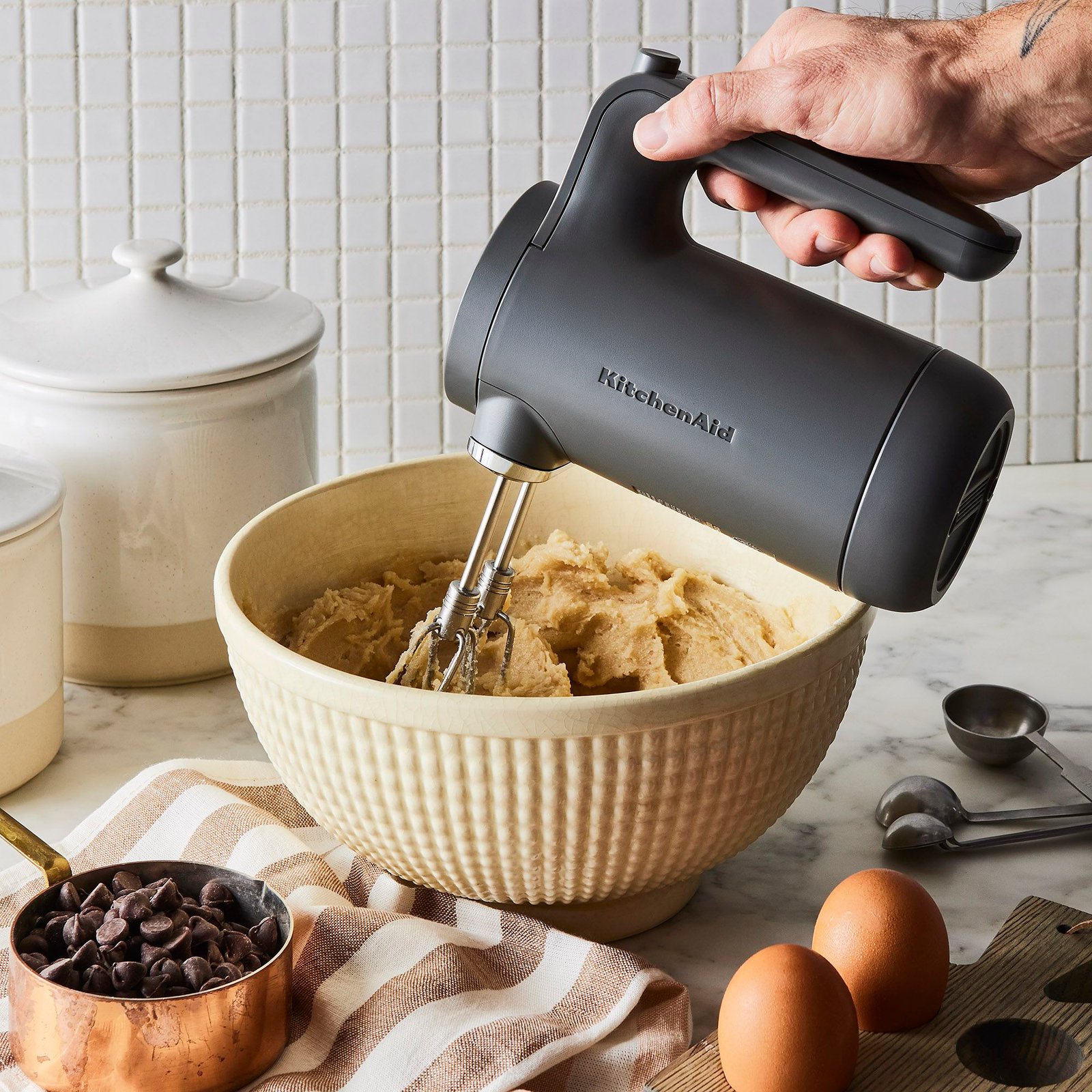
Baking can be a lot of fun, but using a hand mixer the wrong way can make it tricky and messy. If you want your cakes, cookies, and breads to turn out perfect every time, learning a few simple tips can make a huge difference.
Imagine saving time, avoiding splatters, and getting the perfect batter consistency with ease. Keep reading, and you’ll discover how to use your hand mixer like a pro, making your baking faster, cleaner, and more enjoyable. Your kitchen skills are about to level up!
Choosing The Right Hand Mixer
Using a hand mixer makes baking easier and faster. Picking the right one helps you get better results.
There are many hand mixers available. Knowing what to look for can save time and effort.
Key Features To Consider
Power is important for mixing thick dough or batter. Choose a mixer with enough wattage for your baking needs.
Speed settings let you control mixing speed. More speed options give better control over mixing.
- Power: At least 200 watts for most baking tasks
- Speed settings: At least 5 speeds for flexibility
- Weight: Lightweight mixers are easier to handle
- Attachments: Look for beaters, dough hooks, and whisk options
- Ergonomic design: Comfortable grip reduces hand fatigue
Top Brands And Models
Reliable brands offer quality and durability. They often provide good customer support and parts.
Some popular models are known for their performance and features. These can be a good starting point.
- KitchenAid KHM512: Known for sturdy build and multiple speeds
- Breville BHM800SIL: Strong motor and easy controls
- Cuisinart HM-90: Lightweight with good attachments
- Hamilton Beach 62682RZ: Affordable with solid power
- Black+Decker MX600: Simple design and easy to clean
Preparing Ingredients
Getting ingredients ready before using a hand mixer helps your baking go smoothly. Proper preparation affects how well ingredients blend and the final texture of your baked goods.
Focus on ingredient temperature and simple pre-mixing habits to save time and improve results.
Optimal Ingredient Temperature
Ingredients mix better when they are at the right temperature. Cold or hot ingredients can change the mixing time and texture.
- Butter and eggs should be at room temperature for easy blending.
- Cold butter can cause lumps in your batter.
- Room temperature eggs mix evenly and help trap air.
- Use warm milk or liquids to help dissolve sugar and salt.
- Flour should be stored in a cool, dry place but not chilled before mixing.
Pre-mixing Tips
Pre-mixing small amounts of ingredients can help your hand mixer work better and save time.
| Tip | Why It Helps |
| Sift dry ingredients | Removes lumps and mixes them evenly |
| Break eggs into a bowl first | Check freshness and mix well |
| Measure ingredients accurately | Ensures correct texture and taste |
| Start mixing low speed | Prevents splashing and blends gently |
| Scrape bowl sides often | Mixes all ingredients evenly |
Proper Mixing Techniques
Using a hand mixer correctly helps you bake better. The right mixing method makes your batter smooth and light.
Learning how to set speed and avoid overmixing saves your baked goods from being tough or dense.
Speed Settings Explained
Hand mixers have different speed levels. Each speed suits a certain task in baking.
- Low speed mixes dry ingredients gently.
- Medium speed blends wet and dry ingredients well.
- High speed whips cream or egg whites quickly.
- Start slow to avoid splashing batter everywhere.
- Increase speed gradually for best results.
Avoiding Overmixing
Overmixing breaks gluten and adds too much air. This makes your baked goods tough or dry.
| Signs of Overmixing | Effects on Baked Goods |
| Glossy, sticky batter | Chewy texture |
| Loss of volume after whipping | Dense cakes |
| Visible lumps or uneven batter | Uneven baking |
| Separation of ingredients | Dry crumb |
Creative Baking Hacks
Using a hand mixer can make baking easier and faster. It helps mix ingredients evenly for better results.
Here are some simple tips to use your hand mixer more creatively. These hacks will save time and improve your baking.
Quick Whipping Tricks
Whipping cream or egg whites can be tricky. Use cold bowls and beaters to get fluffy peaks faster.
- Chill the mixing bowl and beaters for 10 minutes before whipping.
- Start mixing on low speed, then increase to high for better volume.
- Add sugar slowly when whipping cream for a smooth texture.
- Stop whipping as soon as stiff peaks form to avoid overbeating.
Efficient Dough Kneading
Use your hand mixer with dough hooks to knead dough quickly. It saves your hands and gives even mixing.
| Tip | Why It Helps |
| Use low speed | Prevents flour from flying out and mixes dough well |
| Pause and scrape bowl | Ensures all ingredients are blended evenly |
| Do not over-knead | Keeps dough soft and easy to work with |
| Rest dough after kneading | Allows gluten to relax for better texture |
Cleaning And Maintenance
Keeping your hand mixer clean helps it work better and last longer. Proper care stops dirt and food buildup.
Regular cleaning and maintenance make baking easier and keep your mixer safe to use.
Best Practices For Cleaning
Always unplug the mixer before cleaning. Remove the beaters and wash them with warm, soapy water.
Use a damp cloth to wipe the mixer body. Do not soak the mixer or put it in water.
- Clean beaters right after use to stop food from hardening
- Dry all parts well before putting them back
- Use a small brush to clean hard-to-reach spots
- Never use harsh chemicals or abrasive pads
Long-term Care Tips
Store your hand mixer in a dry place. Avoid leaving it in damp or dusty areas.
Check the beaters and cord regularly for damage. Replace parts if you see wear or cracks.
- Keep the mixer away from heat and sunlight
- Use the mixer only for its intended tasks
- Lubricate moving parts if the manual suggests it
- Have the mixer serviced if it makes strange noises
Credit: www.consumerreports.org
Troubleshooting Common Issues
Using a hand mixer for baking is easy but can have some problems. Knowing how to fix these helps you bake smoothly.
This guide covers common issues and simple ways to solve them quickly.
Dealing With Stuck Ingredients
Sometimes ingredients stick to the beaters or the sides of the bowl. This can slow mixing and cause uneven results.
Stop the mixer and scrape down the bowl with a spatula. Make sure the beaters are clean and not clogged.
- Turn off the mixer before scraping
- Use a rubber spatula to reach all sides
- Check for thick lumps or sticky dough
- Clean beaters if ingredients build up
Handling Overheating Problems
Your hand mixer can get hot if used too long. Overheating may cause the mixer to stop working or smell burnt.
Turn off the mixer and let it cool before using it again. Avoid running it continuously for many minutes.
- Use short mixing intervals
- Turn off the mixer between uses
- Check the power cord for damage
- Keep the motor vents clear of dust
Enhancing Baking Experience
Using a hand mixer can make baking easier and faster. It helps mix ingredients smoothly for better results.
Knowing useful tips and organizing your space improves your baking experience. This guide covers helpful accessories and workspace ideas.
Useful Accessories And Attachments
Different attachments make your hand mixer more useful. Choose the right tools for mixing, whipping, or kneading dough.
- Beaters for general mixing tasks
- Dough hooks to knead bread or pizza dough
- Whisk attachments for whipping cream or eggs
- Spatula attachments for scraping bowl sides
- Storage case to keep all parts together
Organizing Your Baking Space
A tidy workspace saves time and reduces stress while baking. Keep your hand mixer and accessories easy to reach.
| Item | Storage Tip |
| Hand mixer | Store in a drawer near the counter |
| Attachments | Use a small container or box |
| Mixing bowls | Stack by size in a cabinet |
| Measuring cups | Hang on hooks or keep in a drawer |

Credit: bakabee.com
Credit: gulfnews.com
Frequently Asked Questions
How Do I Use A Hand Mixer For Baking?
Start by selecting the right speed for your recipe. Always begin on low to avoid splatters. Gradually increase speed as needed. Use the appropriate attachments and mix ingredients evenly for best results.
Can A Hand Mixer Beat Heavy Dough?
Hand mixers work best with light to medium batters. Heavy dough may strain the motor. For thick dough, consider using a stand mixer or knead by hand for better texture and less wear on your mixer.
How Do I Clean A Hand Mixer Safely?
Unplug the mixer before cleaning. Remove attachments and wash them with warm, soapy water. Wipe the mixer body with a damp cloth. Avoid submerging the motor unit to prevent damage.
What Attachments Are Best For Baking Tasks?
Use beaters for mixing batters and whipping cream. Dough hooks are ideal for kneading dough. Whisks work well for aerating eggs or light mixtures. Choose attachments based on your specific baking needs.
Conclusion
Using a hand mixer can make baking easier and faster. Start with low speed to avoid splashing. Gradually increase speed for smooth mixing. Clean the beaters right after use to save time. Always hold the mixer steady for better control.
With these simple tips, baking becomes more fun and less messy. Enjoy creating delicious treats with your hand mixer every time. Practice helps you get better and more confident in the kitchen. Keep these ideas in mind for your next baking session.