
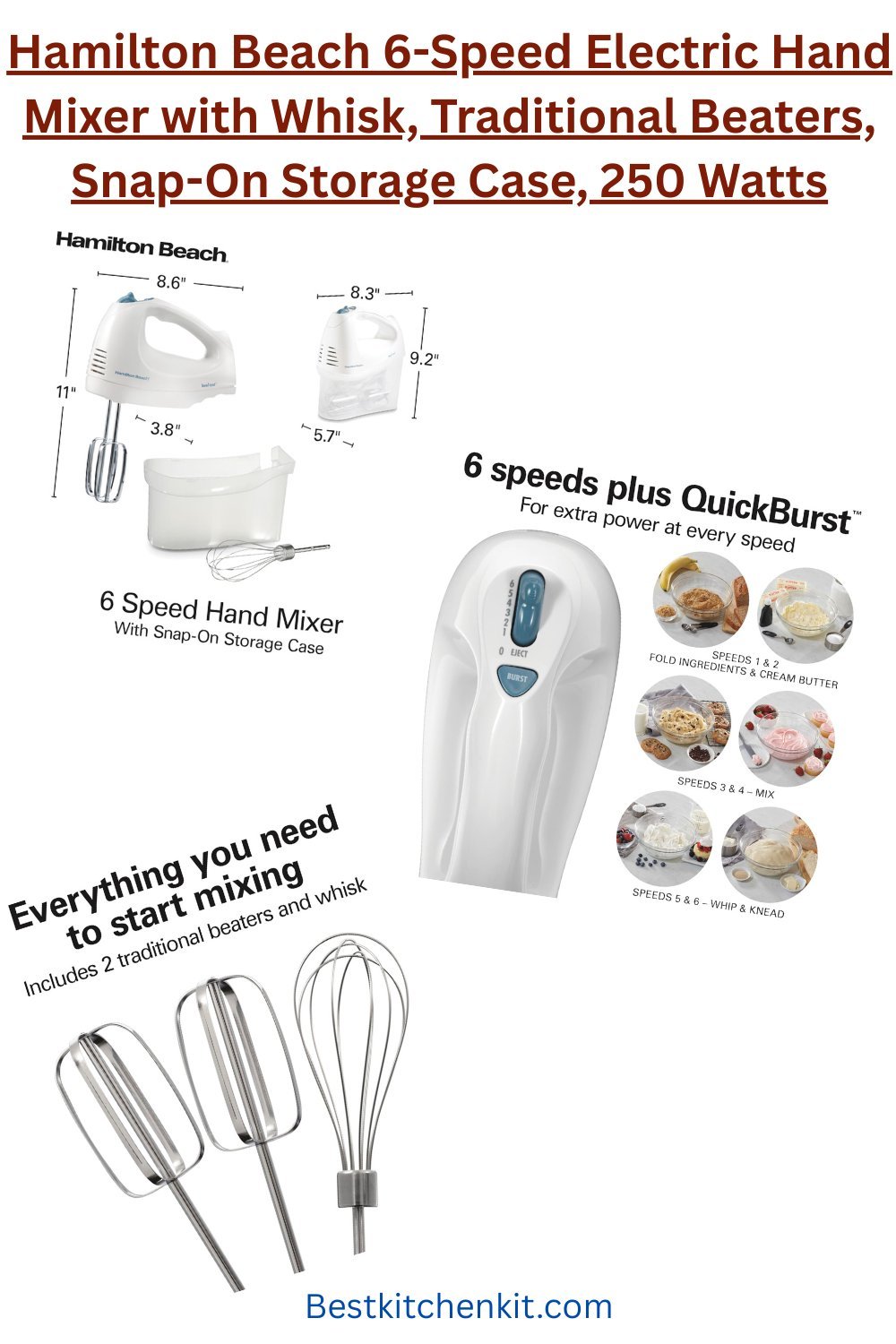
Are you tired of messy batter splatters and uneven mixing when using your hand mixer? You’re not alone.
Getting the most out of your hand mixer can save you time, reduce frustration, and make your baking or cooking smoother than ever. Imagine whipping up perfect dough or fluffy whipped cream with ease every single time. You’ll discover simple, practical tips that will help you use your hand mixer efficiently and confidently.
Keep reading, and soon you’ll wonder how you ever managed without these handy tricks.
Credit: x.com
Choosing The Right Hand Mixer
Picking the right hand mixer makes cooking easier and faster. It helps you blend, whip, and mix ingredients well.
Knowing the key features helps you find a mixer that fits your kitchen and needs.
Power And Speed Settings
Look for a mixer with enough power to handle different recipes. More watts mean stronger motors that can mix thick dough or batter.
Speed settings let you control how fast the beaters spin. Choose a mixer with multiple speeds for better mixing control.
| Power (Watts) | Use Case | Speed Settings |
| 100-150 | Light tasks like whipping cream | 3-5 speeds |
| 150-250 | General mixing, batters, dough | 5-7 speeds |
| 250+ | Heavy dough and frequent use | 7+ speeds |
Weight And Ergonomics
Choose a hand mixer that feels light in your hand. A heavy mixer tires your arm quickly during use.
Ergonomic handles with soft grips improve comfort. Look for a shape that fits your hand well.
- Lightweight design reduces arm strain
- Soft, non-slip grip helps control
- Balanced weight prevents wrist pain
- Button placement should be easy to reach
Attachments And Accessories
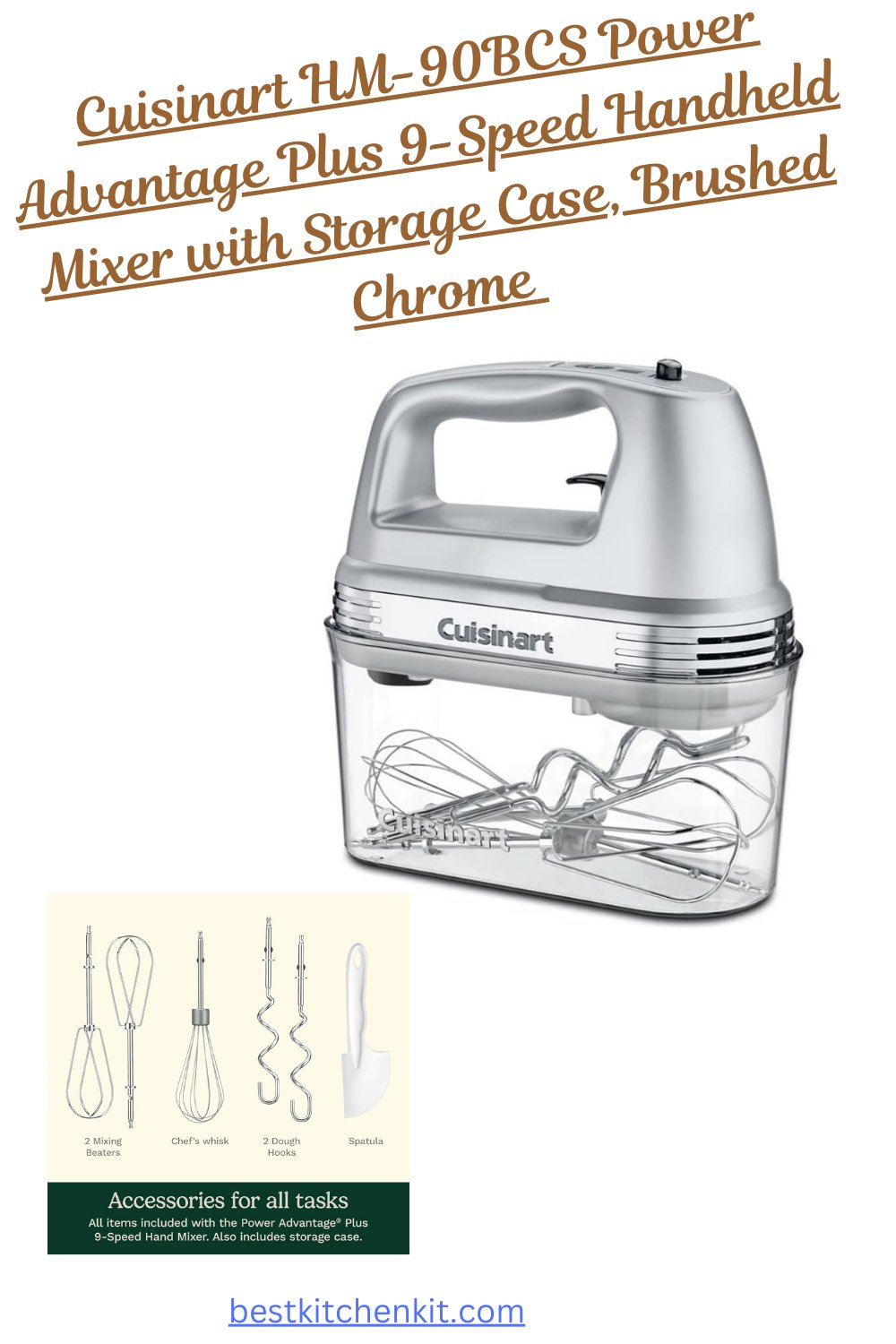
Many hand mixers come with extra attachments. These add more ways to use your mixer.
Common attachments include beaters, dough hooks, and whisks. Choose a mixer with the accessories you need.
- Beaters:For mixing batters and creams
- Dough Hooks:For kneading dough
- Whisks:For whipping eggs and cream
Preparation Before Mixing
Using a hand mixer well starts before you turn it on. Good preparation saves time and keeps your kitchen clean.
Organizing your tools and ingredients helps you mix smoothly and avoid mistakes.
Gathering Ingredients
Collect all the ingredients you need before starting. This prevents interruptions and keeps the process steady.
- Measure ingredients exactly as the recipe states
- Use room temperature ingredients if required
- Prepare dry and wet ingredients separately
- Keep small items like spices in bowls for easy access
Proper Bowl Selection
Choose the right bowl for your hand mixer. The bowl size and shape affect how well your ingredients mix.
| Type of Bowl | Best Use | Material |
|---|---|---|
| Large mixing bowl | For batters and doughs that expand | Stainless steel or glass |
| Medium bowl | For whipping cream or eggs | Glass or plastic |
| Small bowl | For sauces or small batches | Glass or ceramic |
Organizing Workstation
Set up your workspace to keep everything within reach. A tidy space helps you work faster and safer.
- Place the hand mixer near a power outlet
- Keep mixing bowls on a stable surface
- Arrange ingredients in order of use
- Have a clean towel ready for spills
Techniques For Efficient Mixing
Using a hand mixer properly saves time and improves results.
Learn simple techniques to mix ingredients evenly and quickly.
Starting At Low Speed
Begin mixing at the lowest speed to avoid splashing and mess.
Low speed helps blend ingredients softly before increasing power.
Using Pulsing Technique
Pulsing means turning the mixer on and off quickly in bursts.
- Use short bursts to prevent overmixing
- Control the speed and texture better
- Mix thick or sticky ingredients evenly
- Avoid overheating the motor
Achieving Consistent Texture
Keep the beaters moving around the bowl for even mixing.
| Tip | Reason |
|---|---|
| Tilt the bowl slightly | Helps ingredients fall into beaters |
| Scrape sides often | Prevents lumps and uneven mixing |
| Mix at medium speed | Balances speed and control |
Credit: www.consumerreports.org
Maintenance And Care
Keeping your hand mixer in good shape helps it last longer. Regular care improves its performance and safety.
Follow simple steps to clean, store, and check your mixer often. This way, it works well every time you use it.
Cleaning Tips
Clean the beaters and attachments after each use. Wipe the mixer body with a damp cloth to remove any splashes.
- Remove the beaters before washing.
- Wash beaters in warm, soapy water or dishwasher if safe.
- Dry all parts fully before reassembling.
- Never submerge the mixer body in water.
- Use a soft brush to clean hard-to-reach areas.
Storing Safely
Store your mixer in a dry, clean place. Protect it from dust and moisture to avoid damage.
| Storage Tip | Reason |
|---|---|
| Keep in a drawer or cabinet | Prevents dust buildup |
| Wrap cord neatly | Stops cord damage |
| Store beaters separately | Prevents bending or breaking |
| Use original box if available | Offers best protection |
Regular Inspections
Check your mixer often to catch problems early. Look for any loose parts or wear on the cord.
- Inspect the beaters for bends or rust.
- Test the power cord for cracks or frays.
- Check the mixer body for cracks or loose buttons.
- Listen for unusual sounds when running.
- Unplug and fix any issues before use.
Troubleshooting Common Issues
Using a hand mixer can be easy if you know how to fix small problems. Some issues happen often but are simple to solve.
Here are tips to help you handle common problems with your hand mixer quickly and safely.
Overheating Concerns
Hand mixers can get hot after long use. Overheating can cause the mixer to stop working or get damaged.
To avoid overheating, give your mixer breaks between uses. Turn it off and let it cool down if it feels very hot.
- Use the mixer in short bursts, not continuously
- Keep vents clean to allow air to flow
- Do not cover the mixer while it runs
- Stop using if it smells burnt or feels too hot
Addressing Motor Malfunctions
The motor may fail to start or run slowly. This can happen if the mixer is old or not maintained well.
Check the power source and make sure the plug fits properly. Clean the mixer and remove any food stuck inside.
- Unplug the mixer before cleaning
- Inspect the cord for damage
- Remove debris from motor vents
- Try a different outlet to test power
Dealing With Stuck Attachments
Attachments can get stuck if food dries or jams inside the mixer. This makes it hard to remove them for cleaning.
Soak the attachments in warm water before trying to remove them. Use gentle twisting and pulling to avoid damage.
- Unplug the mixer first for safety
- Soak attachments in warm, soapy water
- Use a soft brush to clean stuck food
- Do not force the attachments off

Credit: wiproappliances.com
Enhancing Your Baking Experience
A hand mixer can make baking easier and more fun. It helps mix ingredients quickly and evenly.
Using your hand mixer right will improve your baking results and save time in the kitchen.
Exploring New Recipes
Try different recipes to see how your hand mixer works with various ingredients. This expands your baking skills.
- Start with simple cakes and cookies to get used to the mixer speeds.
- Experiment with batters that need gentle mixing, like muffins.
- Try whipped cream or egg whites to practice speed control.
- Use the mixer for doughs that need light blending.
Incorporating Advanced Techniques
Learn new ways to use your hand mixer to improve texture and flavor in your baking.
| Technique | Description | Tip |
| Folding | Gently mix ingredients without losing air | Use lowest speed and short bursts |
| Whipping | Beat air into cream or eggs for fluffiness | Chill bowl and beaters before use |
| Creaming | Mix butter and sugar until light and smooth | Use medium speed for about 3-5 minutes |
Sharing Tips With Others
Sharing what you learn helps others and improves your skills. Talk about your hand mixer tricks and ideas.
Here are some tips to share with friends or family:
- Always start mixing on low speed to avoid splashes.
- Use the right beaters for the task, like dough hooks or whisks.
- Clean the mixer parts immediately after use to keep it working well.
- Keep the mixer steady by holding it firmly during use.
Frequently Asked Questions
How Do I Choose The Right Speed Setting On A Hand Mixer?
Select a speed based on your recipe’s needs. Low speeds work for mixing dry ingredients, while high speeds are best for whipping cream or egg whites. Adjust gradually to avoid splattering and ensure smooth blending.
What Attachments Should I Use For Different Mixing Tasks?
Use beaters for general mixing, dough hooks for kneading dough, and whisks for whipping. Choosing the right attachment improves efficiency and results, making your mixing faster and more effective.
How Can I Prevent Mess While Using A Hand Mixer?
Start mixing at a low speed and gradually increase it. Use a deep bowl to contain splashes. Holding the mixer steady and moving it slowly helps reduce mess.
How Do I Clean My Hand Mixer Efficiently After Use?
Unplug the mixer before cleaning. Remove attachments and wash them with warm, soapy water. Wipe the mixer body with a damp cloth. Dry all parts thoroughly before storage to prevent damage.
Conclusion
Using a hand mixer well saves time and effort in the kitchen. Start with the right speed and avoid splashes. Keep the beaters clean and don’t overload the bowl. Pay attention to the recipe’s mixing times. Small tips make big differences in your results.
Enjoy smoother batter and fluffier mixes every time. Practice these steps for easier, faster cooking. Your hand mixer can be a helpful tool with simple care.