
If you want to make smooth sauces, creamy purees, or perfect baby food, a food mill can be your best kitchen helper. But using it the right way can save you time and effort while getting the best results.
You’ll discover simple tips that make your food mill work smarter, not harder. Ready to unlock the full potential of your food mill? Keep reading, and you’ll soon be creating delicious dishes with ease.
Choosing The Right Food Mill
Picking the right food mill makes cooking easier. It helps you prepare smooth sauces and purees quickly.
Think about the material and size before buying. These affect how well the mill works for you.
Material Considerations
Food mills come in different materials. The material affects durability and cleaning ease.
Stainless steel is strong and lasts long. Plastic is lighter and easier to handle but less durable.
- Stainless steel:Durable and rust-resistant
- Plastic:Lightweight and easy to clean
- Aluminum:Lightweight but may react with acidic foods
Size And Capacity Options
Food mills come in various sizes. Choose one that fits your cooking needs and storage space.
Small mills are good for small batches. Larger mills save time when processing many foods.
- Small (6-8 inches): Best for small recipes and easy storage
- Medium (8-10 inches): Good for family meals
- Large (10+ inches): Ideal for big batches and frequent use
Preparing Ingredients
Using a food mill works best with properly prepared ingredients. Preparing them well helps make smooth and tasty results.
Good preparation saves time and effort when using the food mill. It also protects the mill from damage.
Washing And Peeling
Always wash your fruits and vegetables to remove dirt and chemicals. Clean ingredients give better flavor and texture.
Peel ingredients if their skin is tough or bitter. Removing skin helps the food mill work smoothly.
- Rinse under cold running water
- Use a brush for firm skins
- Peel potatoes, carrots, and tomatoes if needed
- Leave soft-skinned fruits unpeeled if desired
Pre-cooking Techniques
Pre-cooking softens ingredients and makes them easier to mill. It also improves texture and taste.
Boil or steam ingredients until tender but not mushy. This helps the food mill strain smoothly.
- Boil vegetables for 10 to 20 minutes
- Steam to keep more nutrients
- Cool slightly before milling
- Avoid overcooking to keep flavor
Assembling The Food Mill
Using a food mill helps you puree fruits and vegetables easily. Before you start, it is important to assemble the mill correctly.
This guide explains the parts and how to set up the food mill for best results.
Parts And Attachments
A food mill has several key parts. Knowing each part helps you assemble it properly.
- Bowl:Holds the food to be milled.
- Blade or Disk:Grinds or purees the food.
- Handle:Used to turn the blade.
- Legs or Base:Stabilize the mill on a pot or bowl.
- Clamps or Hooks:Secure the mill to a container.
Proper Setup Steps
Set up the food mill before use. Follow these steps to assemble it safely and correctly.
- Place the bowl on a clean surface or over a pot.
- Choose the right disk for your food texture.
- Attach the disk inside the bowl securely.
- Fit the handle through the disk and bowl.
- Ensure the legs or clamps hold the mill firmly.
- Turn the handle to check the blade moves smoothly.

Credit: www.youtube.com
Optimal Milling Techniques
Using a food mill helps create smooth sauces, purees, and soups. Good techniques make milling easier and faster.
Learning how to adjust speed and pressure improves the texture of your food. You can get the right consistency with practice.
Adjusting Speed And Pressure
Turn the handle at a steady speed to avoid clogging. Too fast can cause splashing or uneven milling.
Apply gentle but firm pressure on the food. Pressing too hard can damage the mill or make the food too mushy.
- Rotate handle smoothly, not too fast
- Use steady pressure on the food
- Pause if the mill gets stuck, then continue
- Clean the mill between uses for easy rotation
Achieving Desired Consistency
Choose the right disc for your food mill to control texture. Fine discs create smooth purees, coarse discs keep bits.
Check the texture as you mill. Stop when the food feels just right for your recipe.
- Use fine disc for smooth sauces and baby food
- Use coarse disc for chunky salsas or soups
- Mill food in small batches for better control
- Test texture often during milling
Handling Different Foods
A food mill works well with many types of foods. Knowing how to handle each kind helps you get the best results.
Some foods need gentle treatment, while others need more force. This guide shows how to use a food mill with soft and tough ingredients.
Soft Fruits And Vegetables
Soft fruits and vegetables like tomatoes, berries, and cooked carrots are easy to mill. Use a fine disc for smooth texture.
Press gently to avoid crushing skins or seeds too much. This keeps the flavor fresh and the texture even.
- Choose a fine or medium disc for smooth puree
- Work slowly to avoid breaking skins too hard
- Remove large seeds or stems before milling
- Use gentle pressure to keep texture smooth
Starchy And Fibrous Ingredients
Starchy foods like potatoes and fibrous vegetables like celery need more effort. Use a coarse disc for these foods.
Cook starchy ingredients until soft but not mushy. This helps the mill work better and prevents clogging.
- Pick a coarse disc for chunky texture
- Cook fibrous veggies until tender before milling
- Apply firm, even pressure to push food through
- Clean the mill often to avoid clogging
Cleaning And Maintenance
Keeping your food mill clean is important for safe food preparation. Proper maintenance also helps your mill last longer.
Regular cleaning removes food bits and prevents rust. Follow simple steps to clean and care for your food mill.
Disassembling The Mill
Take apart your food mill carefully before cleaning. This lets you reach all the hard spots where food can hide.
Remove the crank handle, blade, and sieve plate. Check your mill’s manual if you are not sure how to disassemble it.
- Loosen the clamp or screws holding the mill
- Lift off the crank handle gently
- Remove the blade by twisting or pulling it out
- Take out the sieve plate carefully
- Keep all parts in a clean place before washing
Effective Cleaning Methods
Wash each part with warm water and mild soap. Use a brush or sponge to clean small holes and corners.
Do not soak metal parts for too long. Dry all parts completely to avoid rust and damage.
- Use a soft brush to clean sieve holes
- Rinse parts under running water
- Wipe with a clean towel to dry
- Apply a thin layer of food-safe oil if metal parts show signs of rust
- Store dry parts in a dry place
Troubleshooting Common Issues
Using a food mill can make cooking easier, but it may cause some problems. Knowing how to fix these issues saves time and effort.
This guide covers two common problems: clogging and uneven textures. Follow the tips to get smooth results every time.
Preventing Clogging
Clogging happens when food blocks the holes of the mill. This slows down the process and makes it hard to use.
To avoid clogging, cut food into smaller pieces before milling. Softer foods also pass through more easily.
- Use cooked or softened food for smoother milling
- Cut ingredients into small, even chunks
- Clean the mill often during use
- Avoid pressing too hard on the crank
Dealing With Uneven Textures
Uneven textures can happen if food pieces vary in size or if the mill is not used correctly. This affects the final dish.
Make sure to prepare food evenly and turn the crank slowly. This helps the mill create a consistent texture.
- Cut food into similar-sized pieces
- Turn the handle at a steady speed
- Check the mill plate for damage or wear
- Use the right mill plate for the food type
Credit: www.mealpro.net
Enhancing Your Milling Experience
Using a food mill can make cooking easier and more fun. It helps you create smooth sauces, soups, and purees with little effort.
There are ways to improve your milling process. Small tips can save time and give better results every time you use your food mill.
Using Accessories And Extras
Accessories can make your food mill more useful. Different discs let you control the texture of your food.
Extras like a bowl or stand keep things tidy and stable. These tools help you work faster and cleaner.
- Use fine and coarse discs for different textures
- Attach a bowl to catch food easily
- Use a stand to keep the mill steady
- Clean accessories right after use to avoid buildup
Experimenting With Recipes
Try using the food mill with various recipes. It works well for fruits, vegetables, and even cooked grains.
Changing the food or disc lets you create new dishes. This way, you can find new favorites with your food mill.
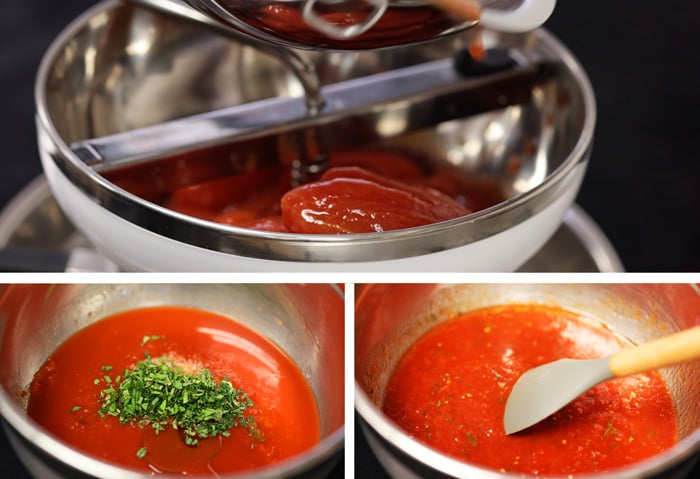
- Make smooth tomato sauce with cooked tomatoes
- Prepare mashed potatoes with a coarse disc
- Create applesauce by milling cooked apples
- Use it for pureed soups like carrot or pumpkin

Credit: www.reddit.com
Frequently Asked Questions
What Is The Best Food Mill For Home Use?
A good home food mill is durable, easy to clean, and has multiple disk options. Stainless steel models offer longevity and rust resistance. Choose one with a comfortable handle and suction base for stability during use.
How Do You Clean A Food Mill Effectively?
Disassemble the parts and rinse immediately after use. Use warm, soapy water and a brush to remove food bits. Dry thoroughly to prevent rust. Some models are dishwasher-safe; check the manufacturer’s instructions.
Can A Food Mill Replace A Blender Or Food Processor?
A food mill is ideal for pureeing cooked foods without air incorporation. It removes skins and seeds naturally. Unlike blenders, it provides a smoother texture without over-processing. It’s best for sauces, baby food, and soups.
What Foods Are Best Suited For A Food Mill?
Foods like tomatoes, apples, potatoes, and cooked vegetables work well. A food mill removes skins and seeds, producing smooth purees. It is perfect for making sauces, jams, and baby food with consistent texture.
Conclusion
Using a food mill makes cooking smoother and faster. It helps create soft, even textures in sauces and purees. Cleaning it right keeps it working well for years. Practice with different foods to learn its best use. Enjoy fresh, homemade meals with less effort.
Simple tools can bring great results in your kitchen. Keep these tips in mind to use your food mill with ease. Cooking can be more fun and less messy this way. Give it a try and see the difference yourself.