
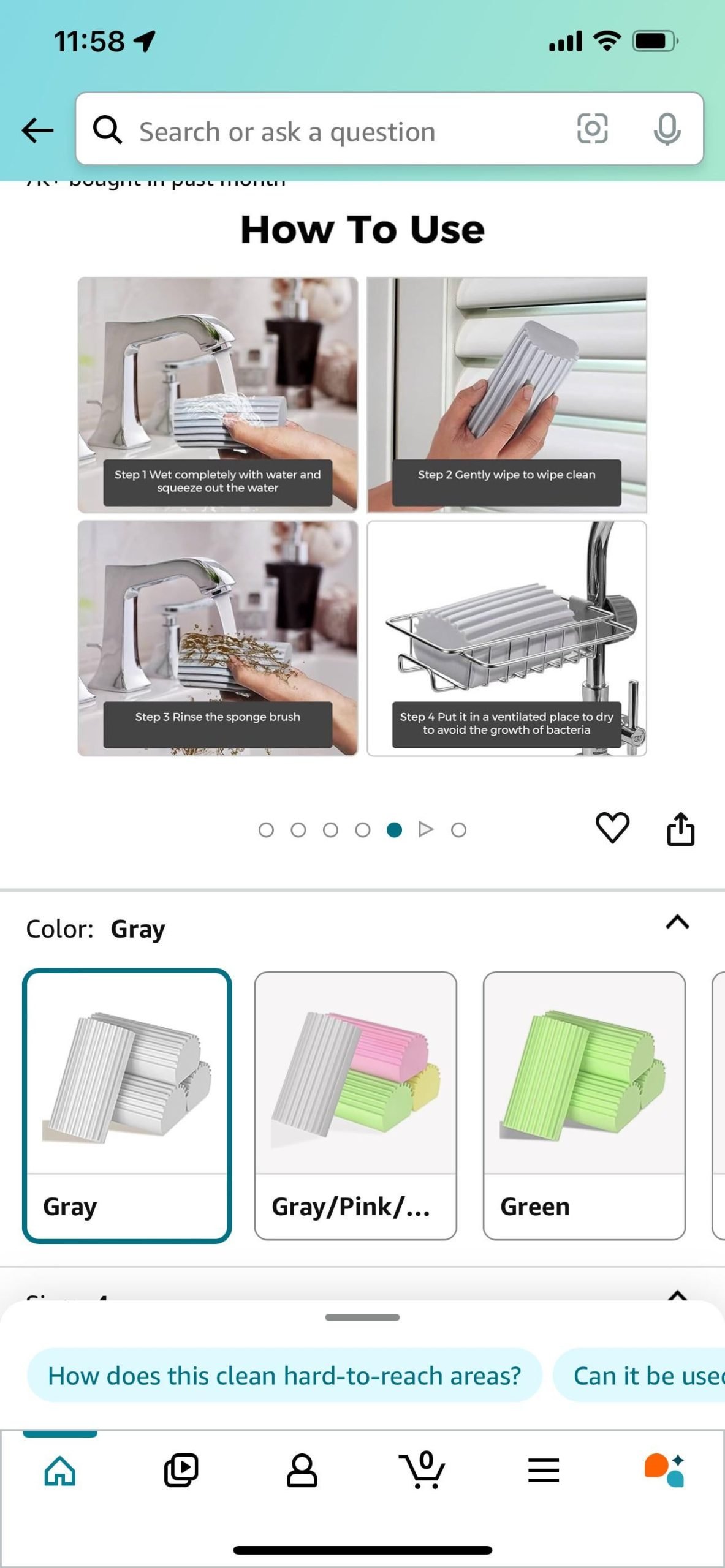
Are you tired of dust settling on your furniture no matter how often you clean? Using a dusting brush the right way can make a huge difference in keeping your home spotless and fresh.
But are you sure you’re getting the most out of your dusting brush? You’ll discover simple yet powerful tips that will save you time, protect your surfaces, and leave your space looking truly dust-free. Keep reading—you won’t want to miss these easy tricks that can transform your cleaning routine.

Credit: www.reddit.com
Choosing The Right Dusting Brush
Picking the right dusting brush helps clean your home better. Different brushes suit different surfaces and tasks.
Knowing the types, materials, and shapes guides you to the best choice for your needs.
Types Of Dusting Brushes
Dusting brushes come in many forms. Each type works well on certain surfaces or dust types.
- Feather dusters are soft and light. They work well on delicate items.
- Microfiber brushes trap dust with static electricity. They suit electronics and glass.
- Natural bristle brushes are firm. They clean rough surfaces like wood or stone.
- Detail brushes have small heads. They reach tight corners and crevices.
Materials To Consider
The brush material affects cleaning power and care. Choose a material that fits your cleaning needs.
| Material | Best For | Care Tips |
| Feathers | Delicate surfaces | Keep dry, avoid crushing |
| Microfiber | Electronics, glass | Wash gently, air dry |
| Natural Bristles | Rough surfaces | Clean with mild soap |
| Synthetic Bristles | General use | Rinse and dry after use |
Size And Shape Matters
Brush size and shape change how well you clean. Choose one that fits the job and space.
- Small brushes reach tight spots and corners.
- Large brushes cover wide areas fast.
- Flat brushes clean smooth surfaces evenly.
- Round brushes work well on textured surfaces.
- Brush handles should feel comfortable in your hand.

Credit: www.amazon.com
Effective Dusting Techniques
Using a dusting brush correctly keeps your home clean and dust-free. Good dusting removes dirt without spreading it around.
Learn simple techniques to make your dusting faster and more effective. Focus on the right order, brush handling, and avoiding mistakes.
Dusting Order And Strategy
Start dusting from the highest points in a room. Dust ceiling fans, shelves, and light fixtures first. Then move down to tables and furniture.
- Begin with ceiling and high shelves
- Dust furniture surfaces and decorations
- Finish with baseboards and floors
Proper Brush Handling
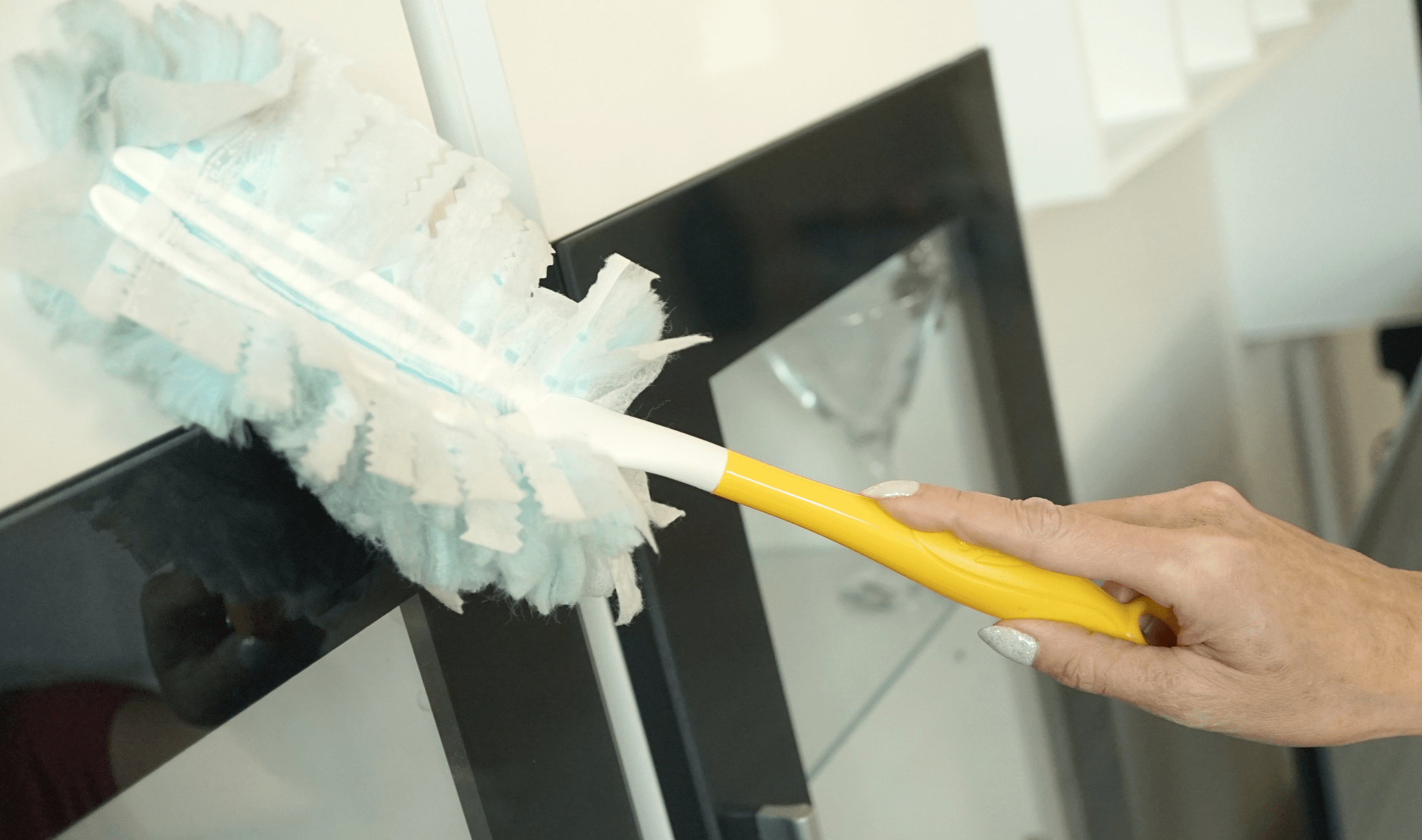
Hold the brush at a comfortable angle to trap dust. Use gentle strokes to avoid scattering dirt. Clean the brush often to keep it effective.
| Brush Angle | Purpose |
|---|---|
| 45 degrees | Best for flat surfaces |
| Vertical | Good for corners and edges |
| Horizontal | Use on shelves and ledges |
Avoiding Common Mistakes
Do not rush dusting. Avoid using a dry brush on delicate surfaces. Do not forget to clean the brush after use to keep it working well.
- Do not shake dust outside indoors
- Do not use a brush with worn bristles
- Do not skip less visible spots
- Do not ignore cleaning the brush
Dusting Different Surfaces
Using a dusting brush helps keep your home clean. Different surfaces need different care when dusting.
Choosing the right technique protects your items and removes dust effectively.
Hardwood And Tile Floors
Use a soft dusting brush for hardwood floors. It removes dust without scratching the surface.
For tile floors, a stiffer brush works well. It can clean dust from grout lines and textured tiles.
- Brush in the direction of the wood grain on hardwood floors.
- Use short, gentle strokes to avoid spreading dust.
- For tiles, focus on grout and edges where dust collects.
- Clean the brush often to keep it effective.
Furniture And Upholstery
Dust furniture with a soft, dry brush. Avoid wetting the brush to protect the finish.
For upholstery, use a brush with soft bristles. It lifts dust without damaging fabric.
- Brush gently to avoid pushing dust deeper into fabric.
- Work in small sections for better dust removal.
- Use a vacuum after dusting for thorough cleaning.
Electronics And Gadgets
Use a very soft brush to clean electronics. It removes dust from screens and keyboards safely.
Avoid applying pressure to prevent damage. Dust regularly to keep gadgets working well.
- Turn off devices before dusting.
- Use short strokes to clear dust without pushing it inside.
- Clean the brush after use to avoid spreading dust.
Maintaining Your Dusting Brush
Keeping your dusting brush in good shape helps it last longer. It also keeps it working well every time you use it.
Regular care makes dusting easier and more effective. Learn simple tips to clean, store, and know when to replace your brush.
Cleaning Your Brush
Remove dust and dirt from your brush after each use. This prevents buildup and keeps the bristles soft.
Wash the brush gently with warm water and mild soap. Rinse well and let it dry completely before using again.
- Tap the brush outside to shake off loose dust
- Use your fingers or a comb to remove stuck debris
- Do not soak wooden handles for a long time
- Air dry the brush bristles facing down
Storing Tips
Store your dusting brush in a dry place to avoid mold and damage. Keep it away from direct sunlight.
Hang the brush or place it bristle-side up. This keeps the bristles in good shape and ready for use.
- Use a hook or a holder to hang the brush
- Avoid storing in damp areas like basements
- Keep away from heat sources to protect bristles
- Cover the brush to keep dust off when not in use
When To Replace
Replace your dusting brush if the bristles become hard or fall out. Old brushes do not clean well.
Check the handle for cracks or breaks. A damaged brush can be unsafe to use.
- Bristles lose softness or become misshapen
- Brush sheds many bristles during use
- Handle is cracked, loose, or broken
- Brush smells bad even after cleaning
Enhancing Dusting Efficiency
Using a dusting brush can save time and keep your space clean. Simple techniques help you dust better and faster.
Focus on tools and habits that make dusting easier. These tips improve your cleaning routine without extra effort.
Using Dusting Aids
Dusting aids like microfiber cloths and dusting sprays help trap dust. They reduce dust flying back into the air.
- Use a microfiber cloth to pick up fine dust
- Spray dusting aids lightly on surfaces before brushing
- Choose dusters with electrostatic properties to attract dust
Combining With Other Cleaning Tools
Dusting works best when combined with other tools. Vacuum cleaners and damp cloths help clean hard-to-reach spots.
| Tool | Purpose |
| Vacuum Cleaner | Remove dust from floors and upholstery |
| Damp Cloth | Wipe sticky or greasy surfaces |
| Dusting Brush | Clean delicate and detailed items |
Setting A Regular Schedule
Regular dusting keeps dust from building up. Set a schedule based on your home or office needs.
- Dust high surfaces once a week
- Clean floors and furniture twice a week
- Do deep dusting monthly
Credit: www.manmadediy.com
Frequently Asked Questions
What Is The Best Way To Use A Dusting Brush?
Use gentle sweeping motions to avoid spreading dust. Start from high surfaces and work downward. Clean the brush regularly for effective dust removal.
How Often Should I Clean My Dusting Brush?
Clean your dusting brush after every few uses. Remove trapped dust and debris by washing or shaking it out. Regular cleaning maintains its efficiency.
Can A Dusting Brush Be Used On Electronics?
Yes, use a soft-bristled dusting brush for electronics. Avoid moisture and harsh pressure to protect delicate components. Dust carefully to prevent damage.
What Surfaces Are Ideal For Dusting Brushes?
Dusting brushes work well on wood, glass, and fabric. They gently remove dust without scratching surfaces. Avoid using on wet or sticky areas.
Conclusion
Using a dusting brush keeps your home clean and fresh. Choose the right brush for different surfaces. Clean the brush often to avoid spreading dust. Dust regularly to prevent buildup and allergens. Small steps make a big difference in home care.
Keep your space tidy with simple dusting habits. A little effort saves time and keeps things neat. Dusting becomes easier with the right tools and routine. Enjoy a cleaner, healthier living space every day.