
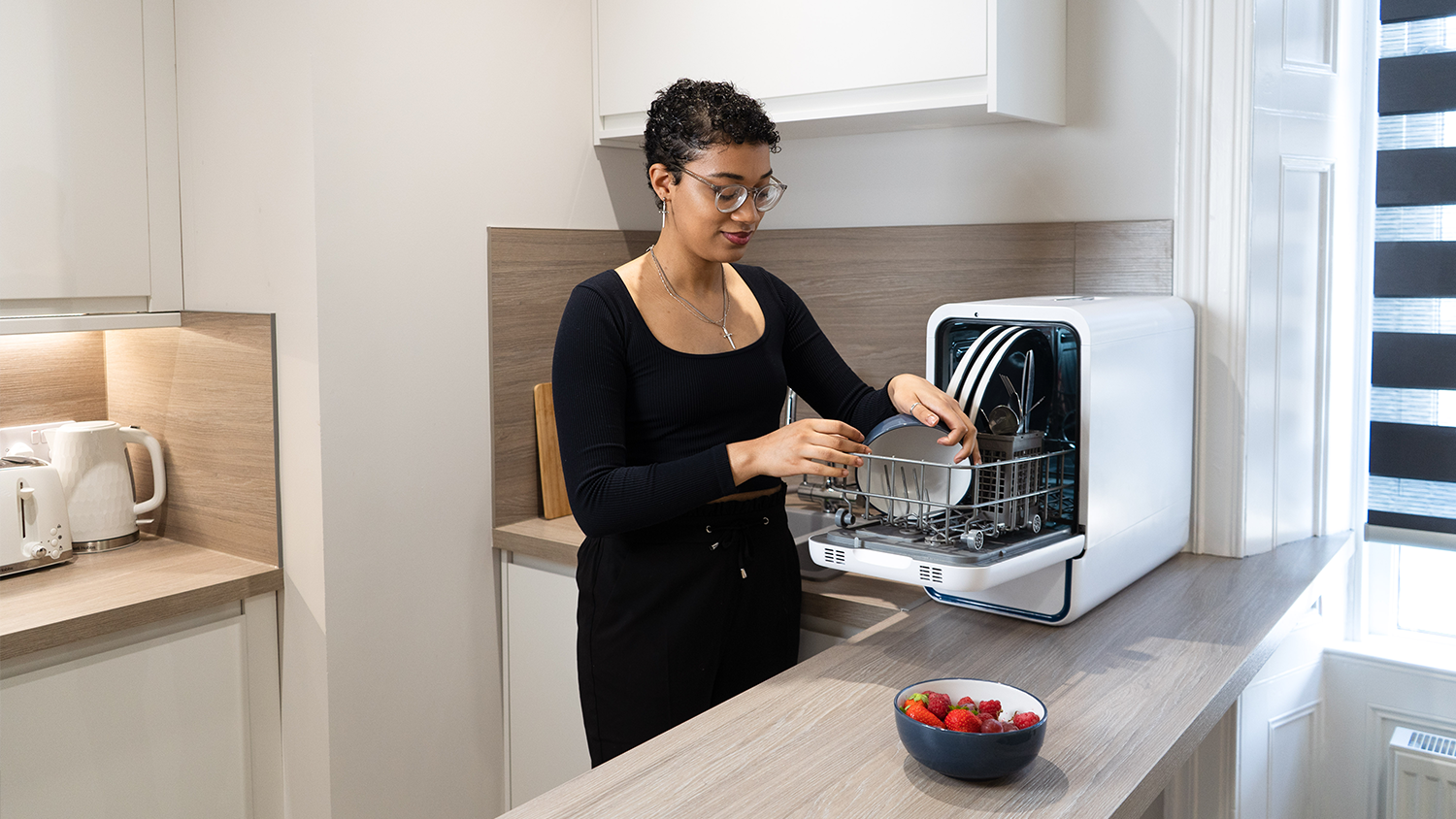
Are you tired of washing dishes by hand every day? A countertop dishwasher can be a game-changer for your kitchen routine.
But to get the best results, you need to know how to use it properly. You’ll discover simple tips that save you time, energy, and water while keeping your dishes sparkling clean. Keep reading to unlock easy tricks that make your countertop dishwasher work smarter for you.
Choosing The Right Countertop Dishwasher
Countertop dishwashers save space and time in small kitchens. Picking the right one helps you clean dishes well and fits your needs.
Consider size, energy use, and installation before buying. These factors affect how well the dishwasher works in your home.
Size And Capacity Considerations
Measure your counter space before choosing a dishwasher. The size should fit without crowding other items. Capacity matters if you wash many dishes.
- Check width, height, and depth of the unit
- Think about the number of place settings it can hold
- Smaller models fit tight spaces but hold fewer dishes
- Larger ones wash more but need more room
Energy Efficiency Features
Energy-efficient dishwashers save electricity and water. Look for models with good energy ratings to lower bills and help the environment.
| Feature | Benefit |
| Low water usage | Reduces water bills |
| Energy Star rating | Uses less electricity |
| Eco wash cycles | Works well with less power |
| Auto shut-off | Stops when done to save energy |
Installation Requirements
Check how the dishwasher connects to water and power. Some need only a faucet connection. Others may need a special outlet or drain setup.
Common installation needs include:
- Access to a standard kitchen faucet
- Nearby electrical outlet with proper voltage
- Space for drainage hose to empty water
- Clearance for opening the dishwasher door
Proper Loading Techniques
Using a countertop dishwasher correctly saves water and energy. Proper loading helps clean dishes well.
Learn how to load your dishwasher to get the best results every time.
Maximizing Space And Arrangement
Place plates and bowls facing the center spray arm. This helps water reach all surfaces.
Keep cups and glasses upside down on the top rack. This stops water from pooling inside.
- Load large items at the sides or back
- Arrange small items in the front or middle
- Do not block the spray arms with tall items
Safe Handling Of Delicate Items
Place fragile items like glass and ceramics in secure spots. Avoid direct contact with other dishes.
Use the top rack for delicate items. The heat and water pressure are lower there.
- Do not overcrowd delicate items
- Use a gentle cycle if your dishwasher has one
- Check for dishwasher-safe labels before washing
Avoiding Overloading Issues
Do not fill the dishwasher beyond its capacity. Overloading stops water from reaching all dishes.
Leave space between items to improve water flow and cleaning performance.
- Follow your dishwasher’s loading guide
- Run smaller loads if needed
- Check spray arms for free movement before starting
Optimal Detergent Use
Using the right detergent is key for your countertop dishwasher. It helps clean your dishes well and keeps the machine working longer.
Choosing the best detergent and using the right amount saves water, energy, and money. Let’s look at how to do this.
Selecting The Right Detergent Type
Not all detergents work well in small countertop dishwashers. Pick detergents made for compact or portable machines.
Avoid regular dishwasher detergents designed for large machines. They may create too many suds and cause problems.
- Use gel or powder detergents made for small dishwashers.
- Look for low-sudsing formulas to protect your machine.
- Check if the detergent works well with hard or soft water.
Measuring Detergent Properly
Using too much detergent can leave residue on dishes. Too little detergent means dishes stay dirty.
Follow the detergent package instructions closely. Use the measuring cup or scoop that comes with the detergent.
- Fill the detergent cup only to the recommended level.
- Adjust detergent amount if your water is very hard or soft.
- Do not add extra detergent to try to clean tough stains.
Eco-friendly Detergent Options
Eco-friendly detergents clean dishes without harming the environment. They use natural ingredients and fewer chemicals.
These detergents are gentle on your dishwasher and safe for your family. They also reduce water pollution.
- Look for biodegradable and phosphate-free labels.
- Choose detergents made from plant-based ingredients.
- Test small amounts to find the best eco-friendly option for your dishwasher.

Credit: www.youtube.com
Maintenance And Cleaning
Keeping your countertop dishwasher clean helps it last longer and work better. Regular maintenance stops dirt and grime from building up. This guide covers simple cleaning tips you can do often.
Follow these steps to keep your dishwasher in top condition. Clean parts carefully and check for any signs of damage.
Regular Filter Cleaning
The filter catches food particles and stops them from clogging the machine. Clean it every week to avoid bad smells and poor washing.
- Open the dishwasher and remove the filter.
- Rinse the filter under warm water.
- Use a soft brush to remove stuck bits.
- Dry the filter before putting it back.
- Make sure it is properly fixed in place.
Descaling And Mineral Buildup
Hard water leaves mineral deposits inside the dishwasher. Descale it monthly to keep parts working well and avoid blockages.
| Descaling Method | How to Use | Frequency |
|---|---|---|
| Vinegar | Pour 1 cup into the detergent tray and run a hot cycle. | Once a month |
| Lemon Juice | Mix lemon juice with water and run a cleaning cycle. | Every 6 weeks |
| Commercial Descaler | Follow product instructions carefully. | Monthly or as needed |
Routine Exterior Cleaning
Keep the outside clean to avoid stains and fingerprints. Wipe the door, buttons, and sides regularly.
Use these tips for exterior cleaning:
- Unplug the dishwasher before cleaning.
- Use a soft cloth with mild soap and water.
- Do not use abrasive cleaners or scrubbers.
- Dry surfaces with a clean towel to prevent water spots.
- Check the door seal for dirt and wipe gently.
Troubleshooting Common Issues
Countertop dishwashers are handy but can face some common problems. Knowing how to fix these issues saves time and stress.
This guide covers drainage issues, leaks, spills, and bad smells. Use these tips to keep your dishwasher working well.
Addressing Drainage Problems
Drainage issues can stop your dishwasher from emptying water correctly. This may cause water to pool inside or drip outside.
- Check the drain hose for kinks or clogs.
- Clean the filter inside the dishwasher regularly.
- Make sure the drain pump is working by listening for unusual sounds.
- Use a mix of vinegar and baking soda to clear minor blockages.
- Avoid overloading the dishwasher to prevent water from backing up.
Handling Leaks And Spills
Leaks and spills can damage your countertop and floor. Fix leaks quickly to avoid bigger problems.
| Leak Source | Possible Cause | How to Fix |
| Door Seal | Worn or dirty gasket | Clean or replace the gasket |
| Water Inlet Valve | Loose or damaged connection | Tighten or replace valve |
| Drain Hose | Cracks or loose fittings | Inspect and secure hose |
| Detergent Dispenser | Clogged or broken dispenser | Clean dispenser or replace parts |
Dealing With Unpleasant Odors
Bad smells come from leftover food and moisture inside the dishwasher. Regular cleaning helps keep odors away.
Try these tips to remove odors:
- Run an empty cycle with white vinegar once a week.
- Clean the filter and spray arms after every few uses.
- Leave the door open after a cycle to let moisture escape.
- Check and clean the drain area regularly.

Credit: www.youtube.com
Maximizing Energy Efficiency
Countertop dishwashers use less water and energy than full-sized models. You can save even more by adjusting how you use them. Small changes in settings and habits help lower electricity bills.
Here are tips to get the best energy efficiency from your countertop dishwasher.
Using Eco-cycle Settings
Eco-cycle settings use lower temperatures and less water. This saves energy but still cleans well. Use eco-cycle for lightly soiled dishes to cut power use.
- Choose the eco or energy-saving mode on your dishwasher.
- Run eco-cycle when you have fewer dishes to wash.
- Avoid heavy soil loads on eco mode for best results.
Optimizing Wash Times
Shorter wash cycles use less power. Some dishwashers offer quick wash settings. Use these for dishes that are not very dirty. Avoid long cycles unless needed.
| Wash Cycle | Approximate Time | Energy Use |
| Quick Wash | 20-30 minutes | Low |
| Normal Wash | 40-60 minutes | Medium |
| Heavy Wash | 70-90 minutes | High |
Reducing Water Consumption
Water use affects energy bills because heating water uses power. Using less water saves energy. Load your dishwasher fully to reduce water waste.
- Do not rinse dishes before loading; scrape off food instead.
- Run full loads to maximize water use per cycle.
- Use water-saving modes if your dishwasher has them.
Safety Tips
Using a countertop dishwasher can save time and water. Safety is important to avoid accidents and damage.
Follow these safety tips to keep your home and family safe while using your dishwasher.
Avoiding Electrical Hazards
Keep the dishwasher’s power cord dry and away from water. Do not plug it into damaged outlets.
- Always unplug the dishwasher before cleaning or servicing.
- Use a grounded outlet to reduce shock risk.
- Avoid using extension cords or power strips.
- Inspect the power cord regularly for damage.
- Do not touch the dishwasher with wet hands.
Proper Use Of Rinse Agents
Rinse agents help dishes dry without spots. Use them correctly to avoid damage or health risks.
| Tip | Reason |
| Use only dishwasher rinse agents | Other products may harm the machine |
| Do not overfill the rinse agent dispenser | Can cause leaks and damage dishes |
| Store rinse agents away from children | They can be harmful if swallowed |
| Follow manufacturer instructions | Ensures safe and effective use |
Child Safety Precautions
Keep children safe by preventing access to the dishwasher and its contents.
- Lock the dishwasher door when not in use.
- Store detergents and rinse agents out of reach.
- Teach children not to open the dishwasher.
- Supervise children around the dishwasher at all times.

Credit: www.youtube.com
Frequently Asked Questions
How Do I Install A Countertop Dishwasher Properly?
Place the dishwasher near a sink with easy access to water and drainage. Connect the inlet hose to the faucet. Ensure the drain hose is securely placed in the sink. Follow the manufacturer’s instructions carefully to avoid leaks and ensure smooth operation.
What Detergents Work Best For Countertop Dishwashers?
Use detergents specifically designed for dishwashers. Avoid using regular dish soap as it causes excess suds. Powder, gel, or pod detergents labeled for dishwasher use are ideal. Check the manual for detergent recommendations to maintain efficiency and prevent damage.
How Often Should I Clean My Countertop Dishwasher?
Clean your dishwasher monthly to maintain performance. Wipe the exterior and door seals regularly. Remove and clean the filter to avoid clogs. Run an empty cycle with vinegar or dishwasher cleaner every few weeks to eliminate buildup and odors.
Can I Wash Large Pots In A Countertop Dishwasher?
Countertop dishwashers have limited space and may not fit large pots. Wash bulky items by hand to avoid poor cleaning results. Use the dishwasher for smaller plates, cups, and utensils for optimal efficiency.
Conclusion
Using a countertop dishwasher can save time and water. Place dishes properly for the best cleaning results. Clean the filter regularly to avoid clogs. Choose the right detergent to protect your machine. Keep the machine door slightly open after use to prevent odor.
Small habits make a big difference in dishwasher care. Enjoy the convenience of clean dishes with less effort. Simple steps help your dishwasher work well for years. Try these tips to get the most from your countertop dishwasher.