

If you want to roast food that’s crispy on the outside and juicy on the inside, your convection microwave can be a game-changer. But using it the right way makes all the difference.
You might be wondering how to get that perfect roast without overcooking or drying out your meal. In this post, you’ll discover simple, effective tips that will help you master roasting with your convection microwave. Ready to turn your kitchen skills up a notch?
Keep reading—you’re about to unlock the secrets to roasting like a pro.
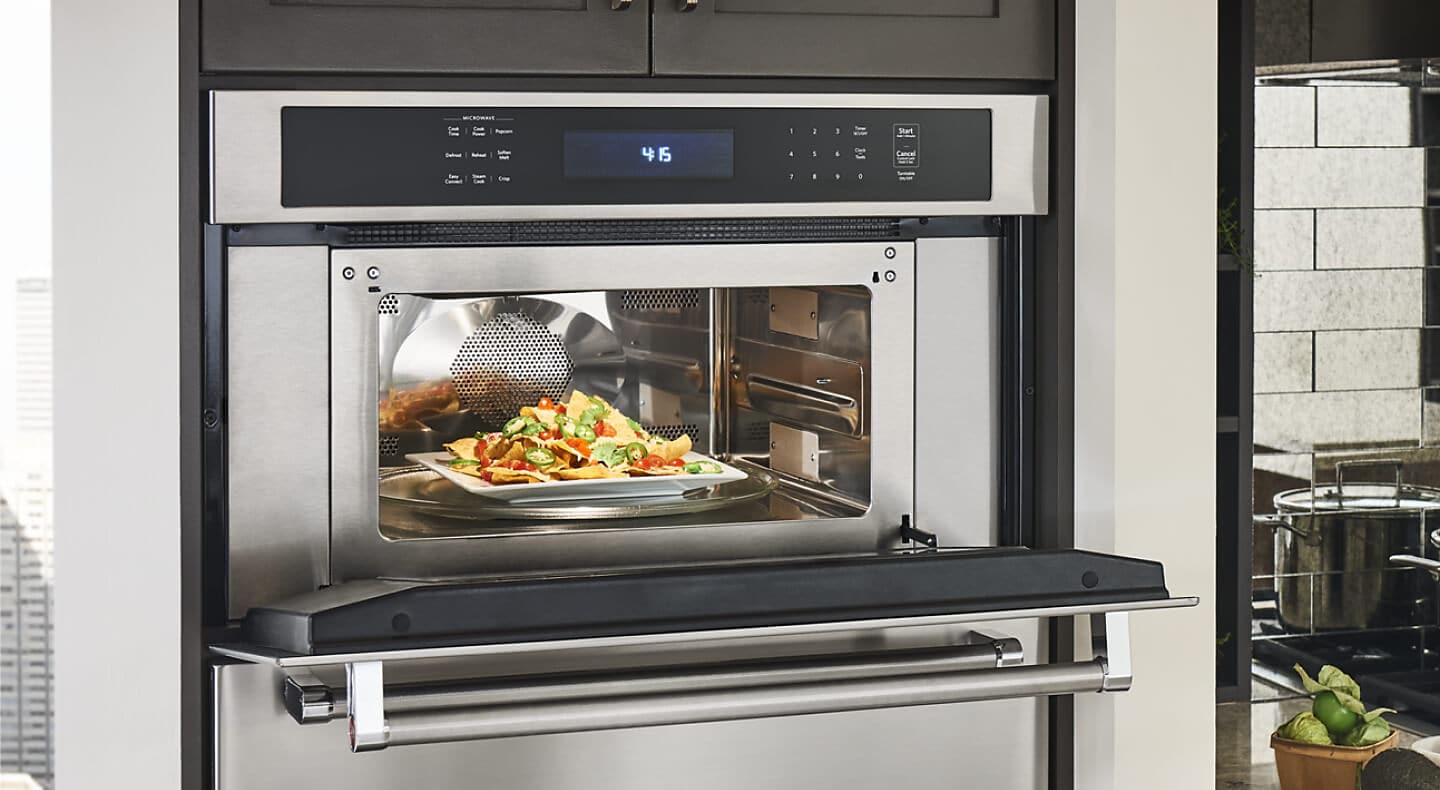
Credit: www.kitchenaid.com
Choosing The Right Convection Microwave
Picking a good convection microwave helps you roast food evenly and quickly. It works like a small oven with extra microwave power.
Understanding key features before buying makes cooking easier and more enjoyable.
Size And Capacity
Choose a microwave size that fits your kitchen space and cooking needs. Small models suit single servings, while larger ones hold whole chickens.
Power And Wattage
Higher wattage means faster cooking and better roasting results. Look for models with at least 1000 watts for even heat distribution.
Available Cooking Modes
Check if the microwave offers multiple cooking modes like convection, grill, and microwave. This flexibility helps roast different foods perfectly.
- Convection mode for roasting and baking
- Grill mode for crisping and browning
- Microwave mode for quick heating
Ease Of Use And Controls
Simple controls and clear displays make cooking less confusing. Touch panels and preset menus save time and reduce mistakes.
Price And Warranty
| Price Range | Warranty Period | Typical Features |
| Under $100 | 6 months to 1 year | Basic functions, small size |
| $100 – $200 | 1 to 2 years | Multiple cooking modes, medium size |
| Above $200 | 2+ years | Advanced features, large capacity |

Credit: www.tataneu.com
Preparing Your Microwave For Roasting
Using a convection microwave for roasting can save time and energy. Preparing your microwave well helps you cook food evenly and safely.
Before roasting, make sure your microwave is clean and properly preheated. This will improve your cooking results and keep your appliance in good shape.
Cleaning And Maintenance
Clean your microwave before roasting to avoid smells and smoke. Remove any leftover food or grease inside the oven.
Check the microwave’s fan and vents to ensure they are not blocked. Proper airflow helps the oven cook food evenly.
- Wipe the inside with a damp cloth and mild soap
- Clean the turntable and racks separately
- Check and clean the vents and fan area
- Dry all parts before using the microwave
Preheating Techniques
Preheating your convection microwave helps the oven reach the right temperature for roasting. This step is important for even cooking.
Use the convection mode and set the temperature to what your recipe calls for. Let the microwave run empty for a few minutes before placing food inside.
- Set the convection mode with the correct temperature
- Run the microwave empty for 3 to 5 minutes
- Place food in the center of the turntable
- Close the door quickly to keep heat inside
Selecting The Best Ingredients
Using a convection microwave for roasting works best with fresh ingredients. Choosing the right items helps your food cook evenly and taste great.
Good ingredients also reduce cooking time and improve texture. Focus on quality to get the best results from your convection microwave.
Choosing Quality Meats
Pick meats that are fresh and free of bruises or discoloration. Fresh meat cooks better and stays juicy in a convection microwave.
Look for cuts with even marbling. Fat inside the meat adds flavor and keeps it tender during roasting.
- Choose meats with a firm texture and bright color
- Check the sell-by date to ensure freshness
- Select cuts with moderate fat for better taste
- Avoid meats with a strong odor or slimy feel
Picking The Right Vegetables
Choose vegetables that are firm and not bruised. Fresh vegetables roast better and keep their flavor in the microwave.
Vegetables with similar sizes cook more evenly. Cut larger vegetables into smaller pieces to match the size of smaller ones.
- Pick vegetables that are bright and crisp
- Avoid soft or wilted vegetables
- Cut vegetables into uniform pieces
- Use root vegetables like carrots and potatoes for roasting
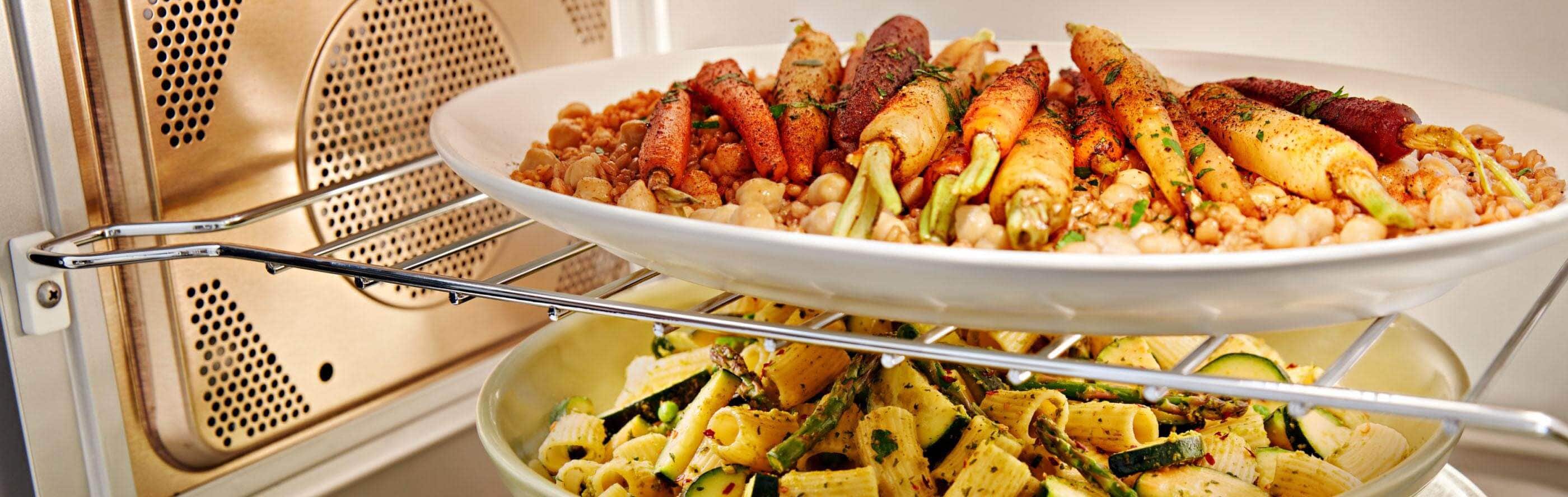
Credit: www.kitchenaid.com
Roasting Techniques For Optimal Flavor
Using a convection microwave for roasting helps cook food evenly. It combines microwave energy with hot air circulation. This method keeps food juicy and adds a crispy texture.
To get the best flavor, adjust the temperature and cooking time carefully. Small changes can make a big difference in taste and texture.
Temperature Settings
Set the temperature based on the type of food you roast. Lower temperatures work well for slow roasting and tender meats. Higher temperatures create crispy outer layers and caramelize natural sugars.
- Use 325°F (160°C) for poultry and large cuts of meat.
- Set 375°F (190°C) for vegetables and smaller pieces.
- Avoid very high heat to prevent burning outside while leaving inside raw.
- Check the manual for your microwave’s recommended roasting temperatures.
Time Adjustments
Cooking time depends on the size and type of food. Use shorter times than traditional ovens because microwaves cook faster. Watch your food to avoid overcooking.
| Food Type | Approximate Time | Tips |
| Chicken (whole) | 30-40 minutes | Check internal temperature |
| Vegetables | 10-15 minutes | Stir halfway through |
| Beef roast | 25-35 minutes | Let rest before slicing |
| Fish fillets | 8-12 minutes | Use foil to keep moist |
Enhancing Flavor With Seasoning
Using a convection microwave for roasting can give your food great taste. Seasoning helps bring out the best flavors in your dishes.
Adding the right herbs, spices, marinades, or rubs makes your roast more delicious and juicy.
Herbs And Spices
Fresh and dried herbs add aroma and depth to roasted food. Spices add warmth and a little kick.
Use herbs like rosemary, thyme, and oregano. Spices like paprika, cumin, and black pepper work well too.
- Rosemary pairs well with chicken and potatoes.
- Thyme adds a mild, earthy flavor to meats.
- Paprika gives a smoky taste and red color.
- Cumin adds warmth and a slightly nutty flavor.
- Black pepper adds a sharp, spicy note.
Marinades And Rubs
Marinades soak into meat and add moisture and flavor. Rubs create a tasty crust on the surface during roasting.
Use simple marinades with oil, acid like lemon juice, and seasonings. Dry rubs mix salt, sugar, and spices for strong taste.
- Marinades keep meat juicy and tender.
- Rubs add a crispy, flavorful outer layer.
- Acidic ingredients in marinades help soften meat.
- Rubs can include brown sugar for sweetness.
- Both methods improve overall taste and texture.
Monitoring The Roasting Process
Keeping an eye on your food while roasting in a convection microwave is important. It helps you cook meat safely and get the best taste.
There are simple ways to check if your roast is ready. Using a meat thermometer and paying attention to how the food looks and smells are two key methods.
Using A Meat Thermometer
A meat thermometer gives you an exact temperature of the roast. This helps avoid undercooking or overcooking.
- Insert the thermometer into the thickest part of the meat.
- Make sure it does not touch bone or fat for an accurate reading.
- Check the temperature regularly during roasting.
- Refer to safe temperature guidelines for different meats.
- Remove the roast from the microwave once it reaches the right temperature.
Visual And Smell Checks
Use your senses to see and smell the roast. This helps you tell if the food is cooking well.
| Check | What to Look For |
| Visual | Golden brown color and crispy skin |
| Visual | Juices running clear, not pink or red |
| Smell | Rich, cooked aroma without any burnt smell |
Post-roasting Tips
After roasting in a convection microwave, proper handling is key. These tips help keep your roast juicy and flavorful.
Follow simple steps to rest and carve your roast for the best taste and presentation.
Resting The Roast
Resting lets the juices settle inside the meat. This prevents them from spilling out when you cut.
- Remove the roast from the microwave and place it on a warm plate.
- Cover it loosely with foil to keep heat but avoid steaming.
- Let it rest for 10 to 15 minutes before slicing.
- Use a meat thermometer to check the internal temperature stays steady.
Carving Techniques
Carving your roast properly improves texture and taste. Use a sharp knife and cut against the grain.
| Carving Tip | Reason |
| Use a sharp, thin knife | Prevents tearing the meat fibers |
| Cut against the grain | Makes slices more tender |
| Slice evenly | Ensures uniform cooking and appearance |
| Carve on a stable surface | Improves safety and control |
Troubleshooting Common Issues
Using a convection microwave for roasting can save time and add crispiness to your food.
Sometimes, you might face issues like uneven cooking or wrong doneness. Here are tips to fix these problems.
Uneven Cooking
Uneven cooking happens when parts of your food are hot while others remain cold. This can ruin your roast.
- Arrange food in a single layer without overcrowding the tray.
- Use the right cookware that allows air to circulate.
- Rotate the dish halfway through cooking.
- Preheat the convection microwave before placing food inside.
- Check that the convection fan is working properly.
Overcooked Or Undercooked Results
Roasts can come out too dry or still raw inside if cooking time or temperature is off.
| Problem | Cause | Solution |
| Overcooked | Too high temperature or too long cooking | Lower temperature and reduce cooking time |
| Undercooked | Too low temperature or not enough time | Increase temperature or extend cooking time |
| Cold center | Food too thick or no rotation | Cut food into smaller pieces and rotate during cooking |
| Dry texture | Overcooking or no moisture | Cover food loosely with foil and add a small amount of water |
Cleaning And Storing Your Microwave
Keeping your convection microwave clean helps it work well. Proper storage keeps it safe and ready to use.
Follow simple steps to clean and store your microwave. This keeps it fresh and prevents damage.
Safe Cleaning Methods
Use mild cleaners to clean the inside and outside of the microwave. Avoid harsh chemicals that can harm surfaces.
Always unplug the microwave before cleaning. Use a soft cloth or sponge to avoid scratches.
- Wipe spills quickly to prevent stains.
- Use a mixture of water and vinegar for tough stains.
- Clean the microwave door and seals gently.
- Do not soak the microwave or use too much water.
- Dry all parts completely before use.
Long-term Storage Tips
Store your microwave in a dry, cool place to avoid damage. Keep it covered to stop dust build-up.
Make sure the microwave is clean and dry before storing. Remove the plug and keep the cord loose to avoid damage.
- Use a protective cover or cloth to cover the microwave.
- Keep it away from direct sunlight and moisture.
- Store on a flat, stable surface to prevent tipping.
- Check the microwave every few months for dust or damage.
Frequently Asked Questions
How Do I Adjust Cooking Time In A Convection Microwave?
Reduce roasting time by about 20% compared to traditional ovens. Check food frequently to avoid overcooking. Use the convection setting for even heat distribution and faster cooking.
What Temperature Is Best For Roasting In A Convection Microwave?
Set the temperature between 350°F to 400°F for most roasting. This range ensures crispy exteriors and juicy interiors. Adjust based on the recipe and food type for optimal results.
Can I Use The Microwave Function While Roasting?
Yes, but avoid using the microwave function alone for roasting. Combine convection and microwave modes for faster cooking and browning. This method preserves texture and flavor effectively.
What Cookware Is Suitable For Convection Microwave Roasting?
Use microwave-safe, ovenproof cookware like glass, ceramic, or metal trays. Avoid plastic containers as they can melt or release toxins. Ensure cookware fits well and allows air circulation for even roasting.
Conclusion
Using a convection microwave makes roasting easier and faster. Adjust temperature and time for best results. Always preheat the microwave before placing food inside. Keep an eye on your dish to avoid overcooking. Use the right cookware to get even roasting.
Small changes can improve your cooking experience. Enjoy crispy and delicious meals with simple steps. Practice often to feel confident using your convection microwave. Cooking becomes fun with these helpful tips. Try them today and enjoy tasty roasted dishes.