
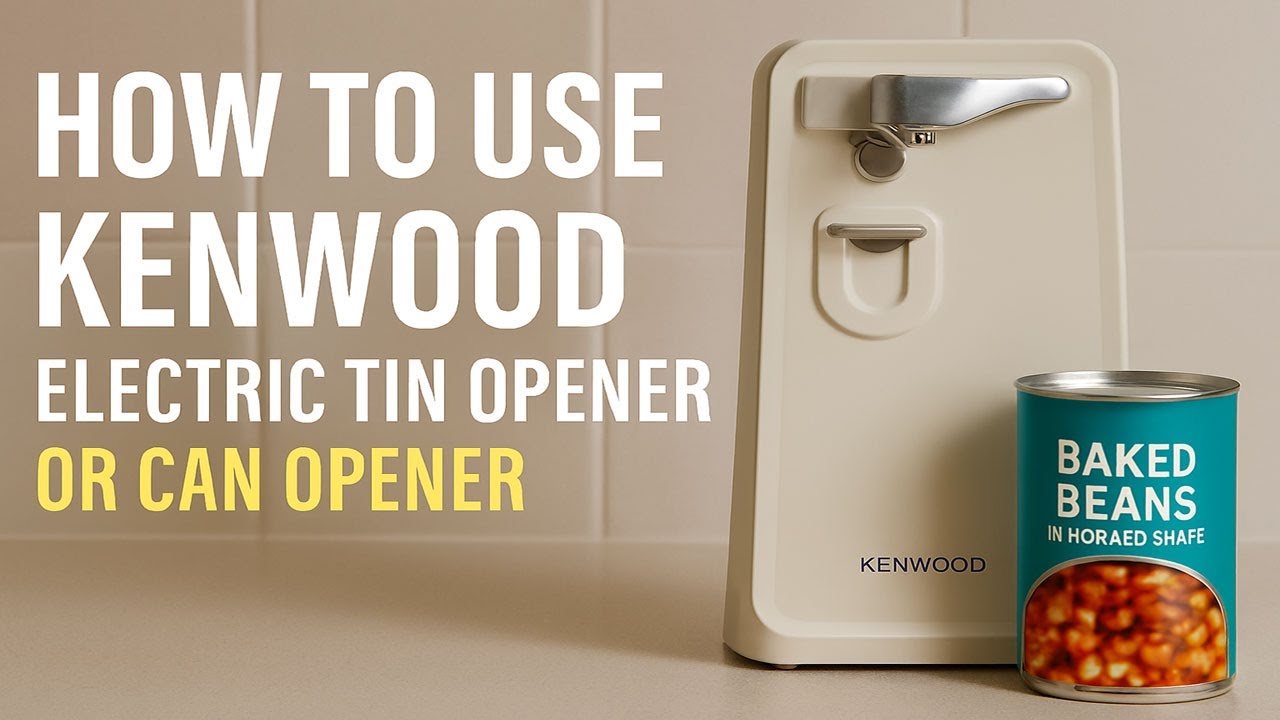
Struggling with a stubborn can opener can turn a simple task into a frustrating experience. You might think it’s just about twisting and turning, but using a can opener the right way can save you time and effort—and even keep you safe from sharp edges.
You’ll discover easy tips that make opening cans smoother and quicker every time. Ready to master this everyday tool and avoid those annoying spills and cuts? Keep reading, because these simple tricks could change the way you open cans forever.

Credit: www.wikihow.com
Choosing The Right Can Opener
Picking the right can opener makes opening cans easier. Different types suit different needs.
Understanding the features helps you choose a tool that fits your kitchen and habits.
Manual Vs. Electric
Manual can openers need hand power to turn the blade. They are simple and easy to store.
Electric can openers do the work for you. They are faster and good for many cans in a row.
- Manual openers are lightweight and portable
- Electric openers require a power source
- Manual models are usually cheaper
- Electric models reduce hand strain
Features To Consider
Look for sharp blades that cut smoothly. A sharp blade makes opening cans safer and easier.
Comfortable handles help you grip firmly. Non-slip grips prevent accidents while opening cans.
- Sharp, rust-resistant blades
- Ergonomic, non-slip handles
- Easy-to-turn knobs or buttons
- Compact size for storage
- Easy to clean parts
Preparation Steps
Using a can opener safely starts before you turn the handle. Proper preparation helps avoid accidents and makes opening cans easier.
Follow simple steps to prepare the can and the opener. This ensures a smooth process and prevents injuries.
Ensuring Safety
Check the can and the opener before use. Look for dents or rust on the can. Make sure the can opener is clean and works well.
- Wash your hands before handling the can opener.
- Inspect the can for damage or leaks.
- Clean the can lid to remove dirt or dust.
- Check the can opener’s blade for sharpness and cleanliness.
- Place a towel under the can to keep it steady.
Positioning The Can
Place the can in the right position for safe and easy opening. Positioning helps the opener cut smoothly without slipping.
| Tip | Reason |
|---|---|
| Set the can on a flat, stable surface | Prevents the can from moving during cutting |
| Align the opener’s blade on the can lid edge | Ensures a clean and even cut |
| Hold the can firmly with one hand | Keeps the can steady and safe |
| Keep fingers away from the cutting area | Protects your hands from sharp edges |
Proper Technique
Using a can opener the right way helps you open cans safely and easily. Good technique prevents spills and accidents.
Learning the proper steps will make opening cans quick and less frustrating. Focus on how you hold and use the opener.
Aligning The Opener
Place the can opener’s blade on the can’s edge carefully. Make sure it sits firmly on the lid rim.
Check that the opener is straight and not tilted. Proper alignment helps the blade cut smoothly around the lid.
- Position the blade on the outer edge of the can lid
- Ensure the cutting wheel touches the lid’s top surface
- Keep the opener level to avoid slipping
Applying Consistent Pressure
Press the can opener firmly against the lid. Steady pressure helps the blade cut through the metal evenly.
Turn the handle slowly and smoothly. Avoid sudden or weak pushes to prevent jagged edges or stuck blades.
- Hold the opener tightly but comfortably
- Apply steady pressure as you rotate the handle
- Keep turning until the lid is fully cut
Maintaining Your Can Opener
Keeping your can opener clean and well-maintained helps it work better. A sharp and smooth opener makes opening cans easier and safer.
Regular care can also stop rust and damage. This lets your can opener last a long time.
Cleaning Tips
Clean your can opener after each use to avoid food build-up. Use warm water and soap to remove dirt and residue.
- Use a small brush or old toothbrush to clean hard parts
- Wipe the blade and gears carefully to remove sticky bits
- Dry the opener well to stop rust from forming
- Do not soak the whole opener in water if it has wooden handles
Regular Maintenance
Check your can opener often for signs of wear or damage. Tighten any loose screws to keep it working smoothly.
Lubricate the moving parts with a little food-safe oil to reduce friction. This keeps the opener turning easily.
- Inspect the cutting blade for dullness and replace if needed
- Keep the opener dry when storing it
- Store in a dry place to avoid rust
Troubleshooting Common Issues
Using a can opener should be simple. Some problems can stop it from working well.
Knowing how to fix common issues helps you open cans without trouble.
Stuck Blades
Sometimes the blade gets stuck in the can lid. This makes turning hard or impossible.
- Check if food or rust blocks the blade.
- Clean the blade with warm water and soap.
- Dry the blade well to stop rust from forming.
- Use a little oil to keep the blade moving smoothly.
- Replace the blade if it is very dull or damaged.
Handle Slippage
The handle can slip while turning, making it hard to open cans.
| Cause | Fix |
| Wet or greasy handle | Wipe handle dry before use |
| Loose parts | Tighten screws or bolts |
| Worn handle grip | Add rubber grip or replace handle |
| Incorrect hand position | Hold handle firmly with full grip |
Innovative Hacks
Can openers are simple tools. You can use them in smart ways beyond opening cans.
These hacks use everyday kitchen items to make can opening easier and safer.
Using A Spoon
A spoon can help open cans without a traditional can opener. It works by scraping the lid edge carefully.
- Hold the spoon firmly with your dominant hand.
- Place the tip of the spoon against the can lid’s inner edge.
- Rub the spoon back and forth to weaken the metal lid.
- Apply steady pressure until the lid starts to bend upward.
- Lift the lid slowly with the spoon to avoid sharp edges.
Leveraging A Knife
A strong, pointed knife can act as a lever to open cans. This method needs care to avoid injury.
| Tool | How to Use | Safety Tip |
| Sharp Knife | Insert tip on lid edge and twist to puncture. | Keep fingers clear of blade. |
| Butter Knife | Use the blunt end to pry the lid open after puncture. | Apply gentle pressure to prevent slips. |
| Folding Knife | Open blade fully for better leverage. | Lock blade securely before use. |
Safety Tips
Using a can opener safely prevents injuries in the kitchen. Follow simple tips to protect your hands and fingers.
Pay attention to how you handle the can and the opener. This helps avoid cuts and accidents.
Avoiding Sharp Edges
Sharp edges on cans can cause serious cuts. Handle cans carefully after opening to stay safe.
Use a cloth or towel to hold the can lid when removing it. This stops your fingers from touching sharp edges.
- Open the can slowly and steadily
- Keep your fingers away from the lid edges
- Use the can opener that creates smooth edges if possible
- Dispose of lids immediately in a safe container
Proper Storage
Store your can opener in a safe place to avoid accidents. Keep it where it is easy to find but out of reach of children.
Cleaning and drying your can opener after use helps it last longer and stay safe to use.
- Keep the can opener in a kitchen drawer or holder
- Clean it with warm water and soap after each use
- Dry it completely to prevent rust
- Check regularly for any damage or dull blades

Credit: www.wikihow.com
Alternative Tools
You do not always need a traditional can opener. Some tools can help you open cans safely.
These alternatives are useful if you have no can opener nearby. They are easy to carry and work well.
Multitools
Many multitools include a small can opener. It is built into the tool for convenience.
To use, place the can opener part on the lid edge. Then twist or cut around the lid carefully.
- Compact and easy to carry
- Can open cans and perform many other tasks
- Good for camping or emergencies
Swiss Army Knife
Swiss Army knives often have a built-in can opener blade. It is small but effective.
To open a can, hook the blade under the lid edge. Push down and work around the lid carefully.
- Portable and fits in your pocket
- Includes other useful tools like knives and scissors
- Reliable for quick can opening needs

Credit: www.amazon.ca
Frequently Asked Questions
How Do I Use A Manual Can Opener Safely?
Hold the can firmly and align the opener’s blade with the lid edge. Turn the handle steadily. Avoid rushing to prevent slips or cuts. Always keep fingers clear of the blade and lid.
What Is The Best Way To Clean A Can Opener?
Wash the can opener with warm, soapy water after each use. Use a brush to remove food residue. Dry it thoroughly to prevent rust. Regular cleaning keeps it hygienic and functional.
How Can I Maintain My Can Opener For Longevity?
Lubricate the cutting wheel occasionally with a drop of mineral oil. Store it in a dry place. Avoid opening cans with rust or damage. Proper care ensures smooth operation and extends its life.
Can Electric Can Openers Handle All Can Sizes?
Most electric can openers work with standard sizes but may struggle with very large or small cans. Check the product specifications. Using the correct size ensures efficient opening and prevents damage.
Conclusion
Using a can opener is easy with these simple tips. Always hold it steady and apply gentle pressure. Keep the blade clean to cut smoothly every time. Take your time; rushing can cause spills or injuries. Remember to check the can’s edge for sharp spots after opening.
Practice makes the process quicker and safer. Enjoy your meals without fuss or mess. Small habits make a big difference in the kitchen. Keep these ideas in mind for better results. Happy cooking!