
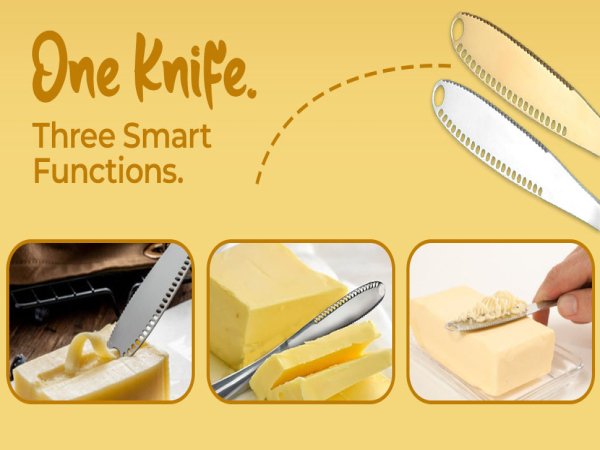
Are you tired of struggling with uneven butter slices or wasting precious butter every time you cut? Using a butter cutter efficiently can make your kitchen tasks smoother and more enjoyable.
Imagine getting perfect, consistent slices every time without any mess or hassle. You’ll discover simple tips that help you master your butter cutter and save time, effort, and butter. Keep reading to unlock easy tricks that will change the way you handle butter forever!
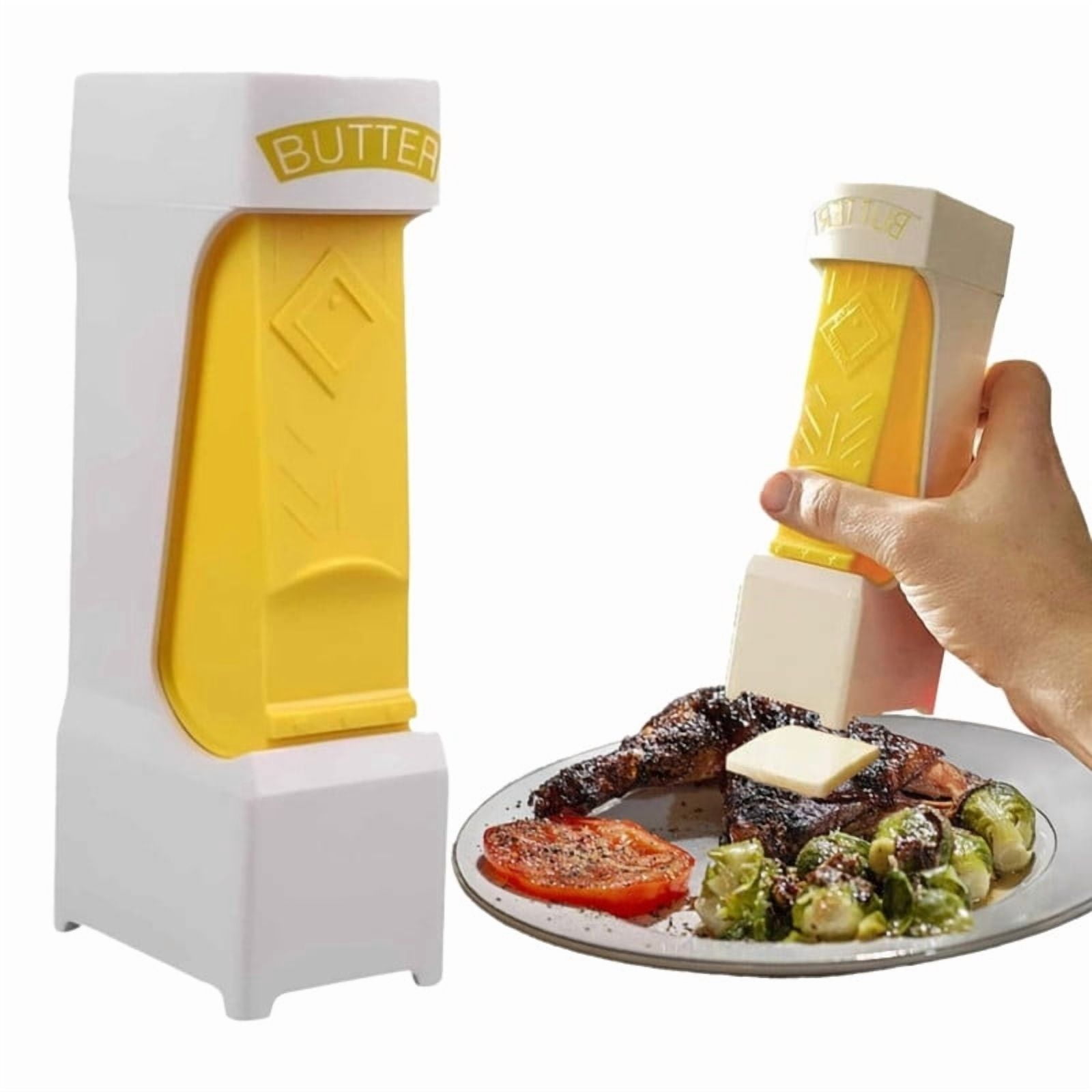
Credit: www.walmart.com
Choosing The Right Butter Cutter
Choosing the right butter cutter makes slicing butter easier. It helps you cut even pieces quickly.
Different cutters work best for different needs. Think about how you will use the butter cutter.
Material Of The Cutter
Butter cutters come in materials like plastic, stainless steel, and wood. Each has its own benefits.
- Plastic is lightweight and easy to clean
- Stainless steel is strong and lasts long
- Wood looks nice but needs careful cleaning
Size And Shape
Choose a cutter size that fits your butter blocks. The shape affects how you slice the butter.
- Small cutters are good for thin slices
- Large cutters work well for big chunks
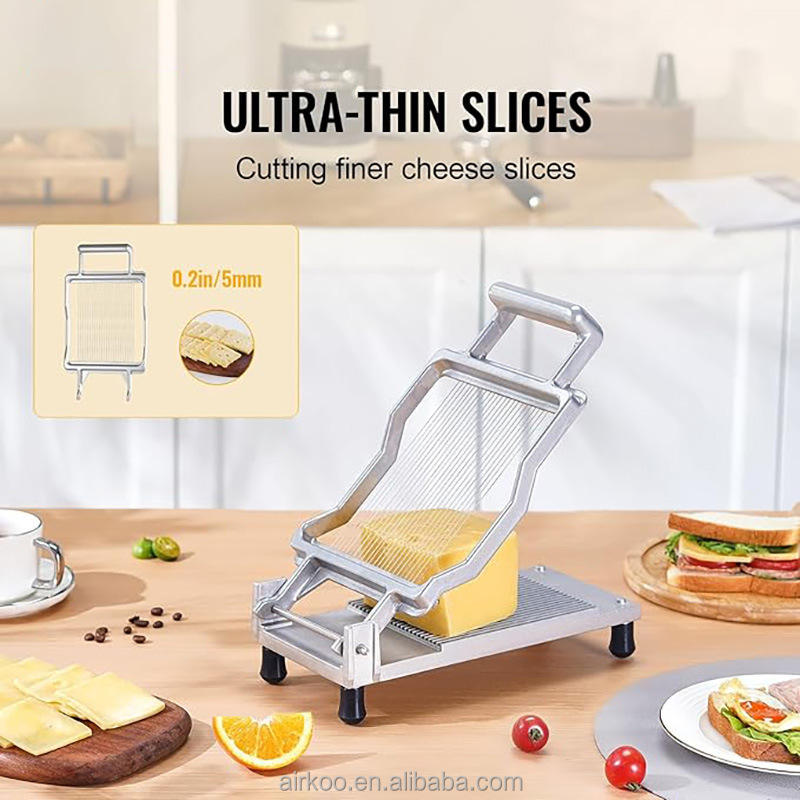
- Wire cutters give smooth, even slices
Ease Of Use
Pick a butter cutter that feels comfortable to hold. It should be easy to press or pull.
- Look for a non-slip handle for safety
- Choose a cutter with simple parts to clean
- Check if the cutter fits your hand size
Butter cutters need regular cleaning to stay safe. Some materials clean faster than others.
- Plastic cutters can often go in the dishwasher
- Stainless steel resists stains and rust easily
- Wood cutters need hand washing and drying
Prepping Butter For Cutting
Cutting butter cleanly saves time and keeps your kitchen neat. Preparing butter right makes cutting easier.
Cold butter is hard to cut, but soft butter can stick to your cutter. Find the right balance for best results.
Chill Butter Before Cutting
Keep butter cold in the fridge before cutting. Cold butter holds its shape and cuts cleanly.
Butter that is too soft may tear or stick to the cutter. Chilling prevents this problem.
Use A Butter Cutter With Sharp Edges
A sharp butter cutter slices through butter smoothly. Dull cutters can crush or tear the butter.
Check the cutter edges before use. Clean and sharpen if needed for better performance.
Cut Butter Into Smaller Portions First
Cut large butter blocks into smaller pieces before using the cutter. Small pieces are easier to handle.
- Slice butter into sticks or cubes
- Work with one piece at a time
- This prevents uneven cutting
Warm The Cutter Slightly For Smoother Cuts
Warm the cutter gently with warm water or your hands. A warm cutter slides through butter with less effort.
Dry the cutter well before cutting. Water on the cutter can make butter sticky.
Use A Flat Surface For Cutting Butter
Place butter on a clean, flat surface for cutting. This helps keep the butter steady and cuts even.
- Use a cutting board or plate
- Keep surface dry and clean
- Press cutter straight down for neat cuts
Techniques For Smooth Slices
Using a butter cutter can make slicing butter easier and neater. Smooth slices help spread butter evenly on bread or cooking pans.
Good techniques improve your cutting experience. They reduce mess and keep butter looking nice.
Maintaining Consistent Pressure
Applying steady pressure helps you cut butter without breaking it. Too much force can crush the butter, while too little can cause uneven slices.
Keep your hand firm but relaxed. Press slowly and evenly from top to bottom for clean cuts.
- Hold the cutter straight for balanced pressure
- Push down slowly to avoid cracking
- Use both hands if the butter is hard
Avoiding Sticking Issues
Butter can stick to the cutter, making slicing messy. Cold butter sticks less than warm butter.
To prevent sticking, keep the cutter clean and cool. Wiping the cutter between slices helps too.
- Chill the butter before cutting
- Rinse the cutter with cold water and dry it
- Lightly oil the cutter if needed
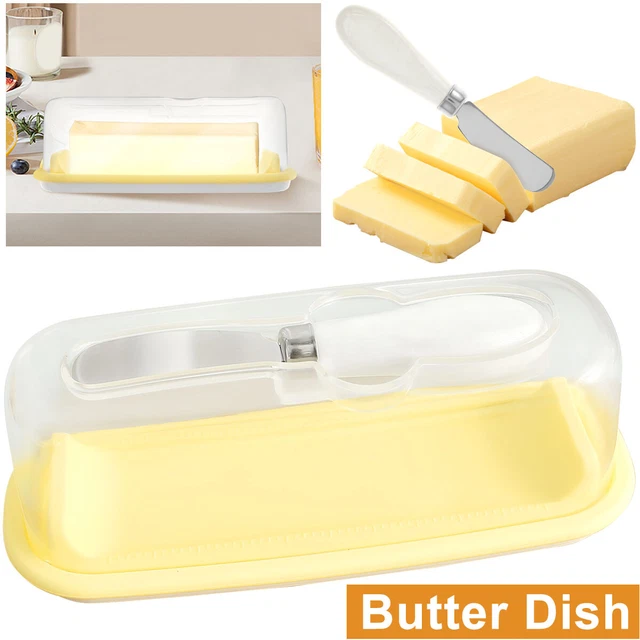
Credit: camplittlearrow.com
Cleaning And Maintenance
Keeping your butter cutter clean helps it work well for a long time. Dirt and leftover butter can make it hard to use.
Regular cleaning and proper care make sure your butter cutter stays in good shape. This saves time and effort later.
Removing Residual Butter
After using the butter cutter, remove any butter left on the blades and handle. This stops buildup and keeps it sharp.
Use warm water and mild soap to clean the cutter. Avoid harsh chemicals that can damage the material.
- Rinse the cutter under warm water
- Use a soft brush to remove stuck butter
- Dry the cutter with a clean towel
- Check for any hidden butter bits in tight spots
Proper Storage Tips
Store the butter cutter in a dry place to avoid rust or damage. Keep it away from direct sunlight and heat.
Use a protective cover or case if available. This stops dust and dirt from settling on the cutter.
- Keep the cutter in a kitchen drawer or cabinet
- Use a clean cloth to wrap the cutter
- Store separate from other sharp tools
- Check storage area for moisture regularly
Creative Uses Beyond Slicing
Butter cutters are not just for slicing butter into pieces. They can help you create fun shapes and control portions easily.
Using a butter cutter in different ways can make cooking and baking simpler and more enjoyable.
Decorative Butter Shapes
You can use a butter cutter to make decorative shapes for your table. This adds a nice touch to meals and parties.
Try cutting butter into stars, hearts, or flowers to surprise your guests with small, pretty details.
- Press the cutter gently to keep the shape clean
- Chill butter before cutting to prevent sticking
- Use different shapes for different occasions
Portion Control For Baking
A butter cutter helps measure exact amounts for baking. This keeps recipes consistent and prevents waste.
Cutting butter into equal pieces makes it easy to follow baking instructions and get good results every time.
- Cut butter into small, equal cubes for melting
- Use measured slices to control fat in recipes
- Store unused portions safely for later use
Troubleshooting Common Issues
Using a butter cutter can be easy, but some problems may arise. Knowing how to fix these issues helps you save time.
This guide covers common problems and how to solve them for better butter cutting.
Dealing With Hard Butter
Hard butter can be tough to cut and may break the cutter. Try to soften it slightly before cutting.
Leave butter out for a few minutes at room temperature. This makes cutting easier and cleaner.
- Cut smaller pieces to avoid strain
- Use a warm knife or cutter blade
- Press gently and steadily
Preventing Blade Dulling
Dull blades make cutting butter harder and less precise. Keep your cutter sharp for best results.
Clean and dry the blade after each use. Store it safely to avoid damage.
- Sharpen blades regularly with a sharpening tool
- Avoid cutting very hard or frozen butter
- Use the cutter only for butter, not other foods
Credit: www.alibaba.com
Frequently Asked Questions
How Do I Clean A Butter Cutter Properly?
Clean your butter cutter after each use with warm soapy water. Avoid abrasive cleaners to prevent damage. Dry it thoroughly to avoid rust and maintain hygiene.
What Is The Best Way To Slice Butter Evenly?
Use a sharp, sturdy butter cutter and apply steady, gentle pressure. This ensures uniform slices for consistent melting and spreading.
Can A Butter Cutter Handle Frozen Butter Effectively?
Yes, but slightly soften frozen butter at room temperature for 5-10 minutes first. This prevents cracking and makes slicing easier.
How Do I Store A Butter Cutter Safely?
Store your butter cutter in a dry, cool place. Keep it away from moisture and direct sunlight to maintain its quality.
Conclusion
Using a butter cutter saves time and reduces mess. Keep the cutter clean for smooth slices. Always press gently to avoid breaking the butter. Store butter properly to keep it fresh longer. Practice helps you cut evenly every time. Small tips make a big difference in the kitchen.
Enjoy easier cooking with simple, efficient tools. Butter cutting can be quick and neat, with a little care.