
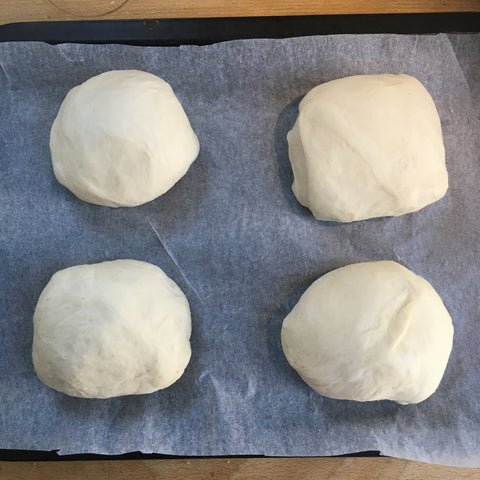
Are you ready to make delicious, homemade pizza with ease? Using a bread maker for pizza dough can save you time and effort while delivering perfect results every time.
But getting it right isn’t always as simple as tossing ingredients into the machine. With the right tips, you can transform your bread maker into a pizza dough pro, ensuring your crust is soft, chewy, and full of flavor. Keep reading to discover how you can master this simple trick and impress everyone with your homemade pizza!

Credit: www.almostoffgrid.com
Choosing The Right Ingredients
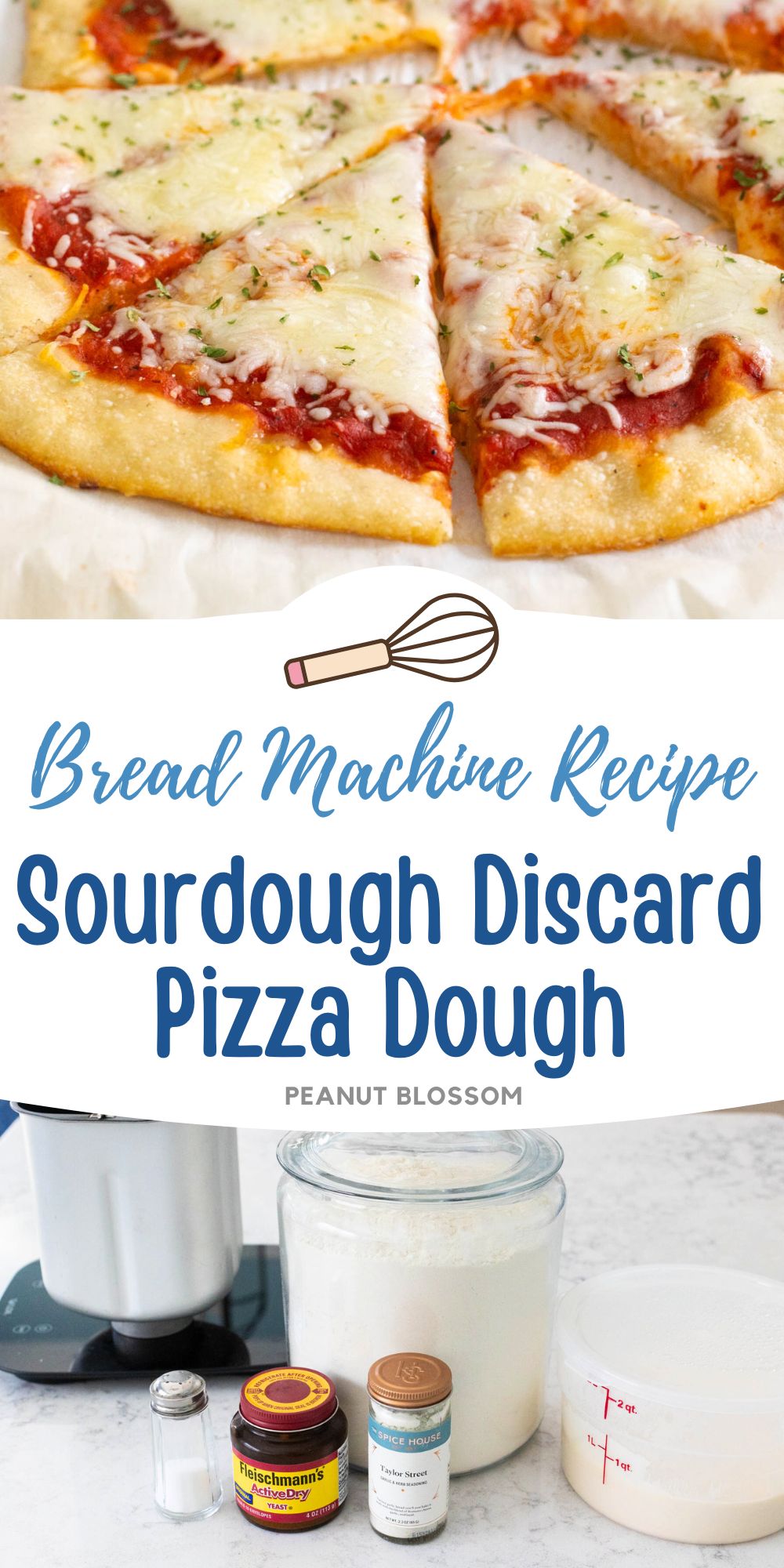
Making pizza dough in a bread maker starts with picking good ingredients. The right items help dough rise well and taste great.
Focus on flour, yeast, and water. Each affects the dough’s texture and flavor differently.
Flour Types For Pizza Dough
Flour choice changes how your pizza dough feels and tastes. Use flour with enough protein for a chewy crust.
Bread flour is a good choice. It has more gluten for stretch and strength. All-purpose flour works too but makes softer dough.
- Bread flour: Best for chewy, strong dough
- All-purpose flour: Softer, easier to handle
- 00 flour: Fine texture, classic Italian style
Yeast Selection For Best Results
Yeast makes the dough rise by creating air bubbles. Choose fresh yeast for steady rising.
Active dry yeast and instant yeast both work well. Instant yeast mixes directly with flour. Active dry yeast needs to be dissolved in water first.
- Active dry yeast: Needs warm water to activate
- Instant yeast: Mixes directly, rises faster
- Fresh yeast: Less common, but good for flavor
Importance Of Water Temperature
Water temperature controls yeast activity. Water too hot kills yeast, too cold slows it down.
Use warm water around 100°F (38°C). This helps yeast grow and dough rise well in your bread maker.
- 95°F to 105°F (35°C to 40°C) is ideal
- Below 70°F (21°C) slows yeast action
- Above 130°F (54°C) can kill yeast
Credit: www.peanutblossom.com
Setting Up Your Bread Maker
Using a bread maker for pizza dough is easy once you know the basics. Setting up your machine correctly helps you get good results every time.
This guide covers key points about your bread maker’s settings and timing for pizza dough.
Pre-programmed Settings
Most bread makers have pre-set cycles for different dough types. These settings control kneading, rising, and baking times.
For pizza dough, look for a “Dough” or “Pizza Dough” setting. This option usually skips the baking step.
- Choose the correct program to avoid over or under-kneading.
- Use the pre-programmed cycle for consistent dough texture.
- Check the manual to find the best setting for pizza dough.
Customizing Dough Cycles
You can adjust your bread maker’s dough cycle to fit your recipe better. Changing kneading and rising times can improve dough quality.
| Cycle Part | Purpose | Custom Tips |
| Kneading | Mixes ingredients and develops gluten | Extend by 5-10 minutes for stronger dough |
| First Rise | Allows dough to ferment and grow | Shorten if room is warm to prevent over-proofing |
| Second Rise | Final proof before shaping | Skip if you want thin crust pizza |
Understanding Time Requirements
Pizza dough needs enough time to rise and develop flavor. The total cycle time varies by bread maker and recipe.
- Check your bread maker’s manual for typical dough cycle lengths.
- Allow extra rising time if you want a softer crust.
- Use shorter cycles for quick pizza dough, but watch texture closely.
Optimizing Dough Texture
Using a bread maker for pizza dough can save time and effort. Getting the right dough texture is key to tasty pizza.
Small changes in ingredients and techniques affect how the dough feels and bakes. Here are tips to help.
Adjusting Ingredient Ratios
Changing amounts of flour, water, and yeast changes dough texture. More water makes dough softer. More flour makes it firmer.
Use less yeast for slow rise and better flavor. Add a little oil to improve elasticity and keep dough from drying out.
- Increase water by 5-10% for softer dough
- Use less yeast for longer fermentation
- Add 1-2 tablespoons of oil for smooth texture
- Adjust flour to keep dough slightly sticky
Tips For Soft And Chewy Dough
Soft, chewy dough comes from good hydration and proper kneading. Let the bread maker knead the dough fully to develop gluten.
Use warm water to help yeast activate. Avoid adding too much flour after mixing. Let dough rest before shaping to relax.
- Use warm water around 100°F (38°C)
- Do not add extra flour after mixing
- Allow dough to rest for 10-15 minutes
- Use bread maker’s dough cycle for best kneading
How To Achieve Crispy Crusts
For crispy crusts, bake pizza on a hot surface like a pizza stone or steel. High oven heat helps crust get crunchy.
You can also add a little sugar or oil to the dough to help crust brown. Avoid too much moisture on the dough surface before baking.
- Bake pizza at 475°F (245°C) or higher
- Use a preheated pizza stone or steel
- Add 1 teaspoon sugar for better browning
- Brush dough lightly with oil before baking
- Do not overload with wet toppings
Troubleshooting Common Issues
Using a bread maker for pizza dough is easy but can sometimes cause problems. Knowing how to fix common issues will save time.
This guide covers sticky dough, overproofed dough, and undercooked dough. Follow these tips to improve your pizza dough results.
Handling Sticky Dough
Sticky dough can be hard to work with and may stick to your hands or the bread maker. It usually means there is too much moisture.
Add flour little by little while the machine is kneading. Stop when the dough feels soft but not sticky.
- Check the flour measurement before starting
- Add 1 tablespoon of flour at a time if dough is too sticky
- Use a spatula to scrape dough off the sides of the pan
Dealing With Overproofed Dough
Overproofed dough rises too much and may collapse or taste sour. It happens if left to rise too long or in a warm place.
To fix this, punch down the dough gently to release air. Then reshape and let it rise again for a shorter time.
- Watch the dough during the rising cycle
- Use the bread maker’s timer to avoid overproofing
- Keep dough in a cool area if possible
Correcting Undercooked Dough
Undercooked dough is dough that is still raw inside after baking. This happens when the baking time is too short or temperature is low.
If dough is undercooked, put it back in the bread maker or oven. Bake for extra time until it is fully cooked.
- Check the bread maker’s settings before baking
- Use a toothpick to test if dough is done
- Adjust baking time or temperature if needed
Enhancing Flavor
Using a bread maker for pizza dough is easy and convenient. You can also improve the flavor with simple additions. Small changes make your pizza taste better and more unique.
Try adding herbs, cheese, or oils to your dough. These ingredients bring new tastes and aromas. Here are some tips to help you enhance the flavor of your pizza dough.
Adding Herbs And Spices
Mix dried or fresh herbs and spices into the dough before baking. They give the dough a tasty and fresh aroma. Common choices include oregano, basil, and garlic powder.
- Oregano adds a classic Italian flavor
- Basil gives a sweet and fresh taste
- Garlic powder offers a strong and spicy note
- Rosemary creates a pine-like aroma
- Crushed red pepper adds heat
Incorporating Cheese And Olives
Adding small pieces of cheese or chopped olives can boost the dough’s flavor. These ingredients melt or soften, blending well with the dough. You can try mozzarella, parmesan, or black olives.
| Ingredient | Flavor Profile | Best Amount |
| Mozzarella | Mild and creamy | 1/4 cup diced |
| Parmesan | Sharp and salty | 2 tablespoons grated |
| Black Olives | Briny and rich | 1/4 cup chopped |
| Green Olives | Tangy and slightly bitter | 1/4 cup chopped |
Experimenting With Flavored Oils
Flavored oils add a subtle taste and moist texture to your dough. Use oils infused with garlic, chili, or herbs. Replace part of the regular oil or butter with these oils.
Popular flavored oils to try in your dough:
- Garlic oil for a savory punch
- Chili oil to add a little heat
- Rosemary oil for a fresh, piney note
- Basil oil for a sweet herbal taste
Creative Pizza Dough Variations
Using a bread maker to prepare pizza dough can save time and effort. You can also try different dough recipes for unique flavors and textures.
Here are some creative pizza dough variations that work well with a bread maker. They include whole wheat, gluten-free, and sourdough options.
Whole Wheat And Multigrain Options
Whole wheat and multigrain dough add more fiber and nutrients to your pizza base. These flours give a nutty taste and denser texture than white flour.
To make whole wheat or multigrain dough, replace part or all of the white flour in your recipe. Add seeds or oats for extra crunch.
- Use 50% whole wheat flour for a lighter dough
- Add 1-2 tablespoons of flaxseed or chia seeds
- Include rolled oats for texture
- Adjust water as whole wheat absorbs more moisture
Gluten-free Pizza Dough
Gluten-free dough works well in bread makers with the right flour blends. Use gluten-free all-purpose flour or mixes made for baking.
Gluten-free dough is stickier and softer than regular dough. Use xanthan gum or psyllium husk to improve elasticity.
- Choose gluten-free flour blends with rice, tapioca, or potato starch
- Add 1 teaspoon xanthan gum per cup of flour
- Use extra water as gluten-free flour absorbs more liquid
- Let dough rest longer for better texture
Incorporating Sourdough Starter
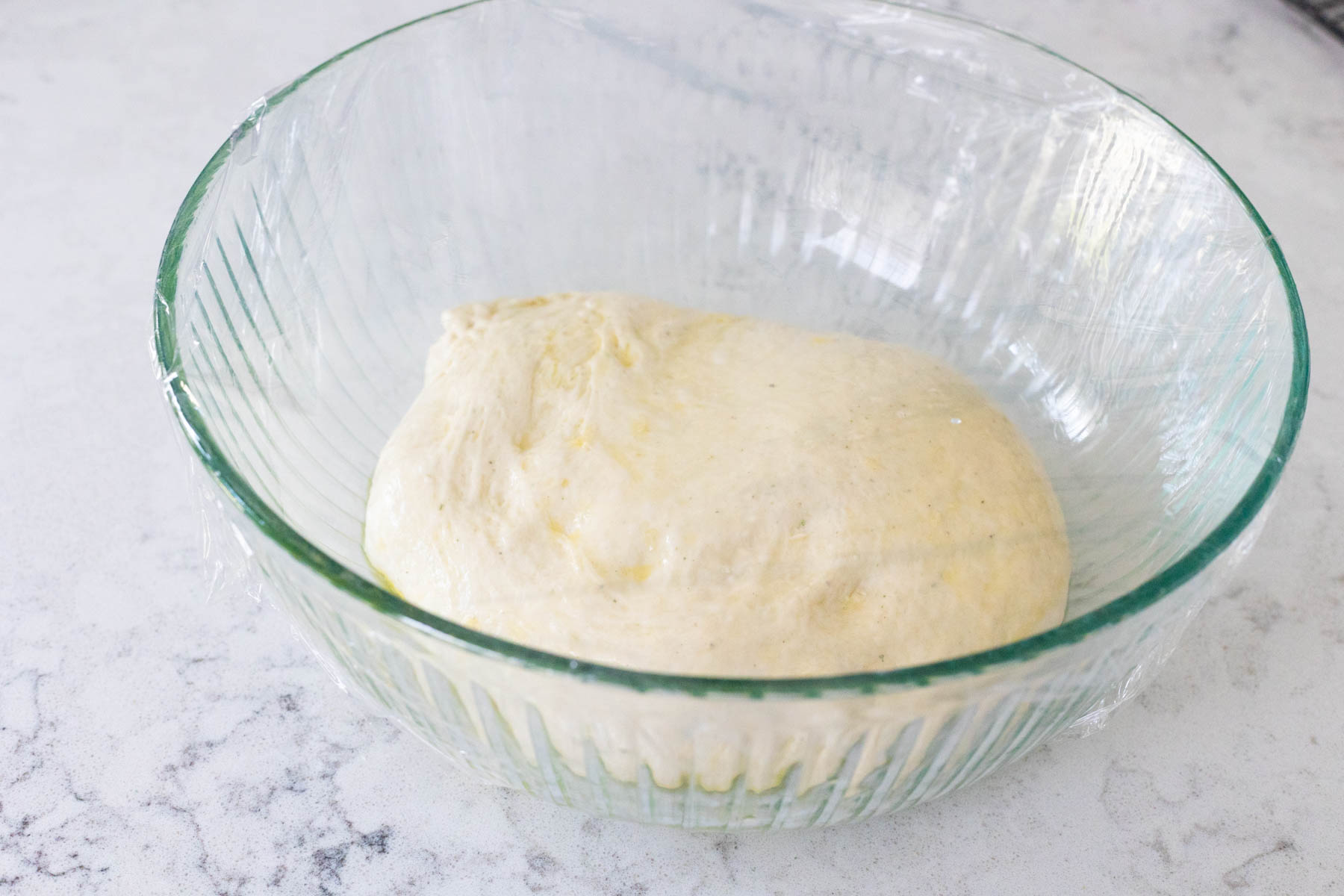
Sourdough starter adds flavor and natural yeast to pizza dough. It creates a tangy taste and chewy texture.
Use your bread maker to mix and knead sourdough pizza dough. Adjust the yeast amount based on the starter’s strength.
- Replace commercial yeast with 1 cup of active sourdough starter
- Reduce added water slightly as starter adds moisture
- Allow longer rising time for sourdough fermentation
- Use bread maker’s dough cycle, then shape and bake
Credit: www.peanutblossom.com
Frequently Asked Questions
How Do I Make Pizza Dough Using A Bread Maker?
Add ingredients in the bread maker pan as per recipe order. Select the dough cycle and start. The machine mixes, kneads, and rises dough automatically, ready for shaping and baking.
What Ingredients Are Best For Bread Maker Pizza Dough?
Use bread flour for a chewy crust. Add yeast, water, salt, sugar, and olive oil. Fresh ingredients ensure better texture and flavor in your pizza dough.
Can I Customize Pizza Dough With A Bread Maker?
Yes, you can add herbs, garlic, or whole wheat flour. Experiment with ingredient ratios for different crust styles. The bread maker handles mixing and kneading efficiently.
How Long Does The Bread Maker Dough Cycle Take?
Most dough cycles run between 1. 5 to 2 hours. Timing varies by machine model and dough recipe. Check your bread maker’s manual for exact cycle duration.
Conclusion
Using a bread maker for pizza dough saves time and effort. It mixes and kneads the dough evenly every time. You get fresh dough ready to shape and bake quickly. Experiment with ingredients to find your favorite taste. Keep the machine clean and follow instructions carefully.
Enjoy making homemade pizza with less hassle and great results. Simple steps lead to delicious, soft crusts. Your kitchen will smell amazing. Happy baking!