

Are you ready to get the most out of your bread maker? Whether you’re new to baking or a seasoned pro, using your bread maker efficiently can save you time, reduce waste, and deliver perfect loaves every time.
Imagine pulling fresh, warm bread from the machine without any hassle or guesswork. You’ll discover simple tips that make your bread maker work smarter, not harder. Keep reading, and you’ll unlock easy tricks to transform your baking experience and impress everyone with delicious homemade bread.

Credit: www.tasteofhome.com
Choosing The Right Ingredients
Using the right ingredients helps your bread maker create tasty bread. Good choices make your bread soft and fresh.
Pay close attention to the type and quality of what you put in the machine. This improves the texture and flavor of your bread.
Opting For Quality Flour
Flour is the base of your bread. Choose fresh, high-quality flour for the best results.
All-purpose or bread flour works well. Bread flour has more protein, which gives better structure.
- Check the expiration date on the flour package
- Store flour in a cool, dry place
- Use bread flour for chewy texture
- All-purpose flour is good for soft bread
Balancing Yeast And Sugar
Yeast helps the bread rise. Sugar feeds the yeast and adds sweetness.
Too much sugar can kill yeast. Too little sugar can slow rising. Use the right amounts for soft bread.
- Measure yeast carefully to avoid over or under use
- Add a small amount of sugar to feed the yeast
- Use active dry or instant yeast for best results
- Follow recipe amounts for balance
Incorporating Fresh Add-ins
Add fresh ingredients like herbs, nuts, or fruits to make your bread unique. Add them at the right time to keep freshness.
Fresh add-ins boost flavor and texture. Avoid adding too much to keep dough balanced.
- Add herbs like rosemary or thyme for aroma
- Use nuts such as walnuts or almonds for crunch
- Add fruits like raisins or chopped apples for sweetness
- Put add-ins in the machine’s mix-in compartment if available
Mastering The Dough Cycle
Using a bread maker saves time and effort in baking bread. Understanding the dough cycle helps you get better results. This guide focuses on key tips to improve your dough handling.
Follow these tips to manage the dough cycle well. They cover setting the timer, checking dough texture, and stopping sticky dough problems.
Setting The Correct Timer
Set the timer based on the type of bread and recipe you use. Different breads need different rising and kneading times.
- Refer to your bread maker manual for recommended timings.
- Adjust time if you use cold or warm ingredients.
- Check dough after the first cycle and add extra time if needed.
- Keep notes on timing for future baking sessions.
Adjusting Dough Consistency
Dough texture is key for soft bread. Aim for a smooth, elastic dough that does not stick to the pan.
| Texture | Action |
| Too dry and crumbly | Add small amounts of water, 1 teaspoon at a time |
| Too wet and sticky | Add a little flour gradually |
| Sticky but soft | Ideal consistency, no change needed |
| Hard and stiff | Add more liquid or reduce flour slightly |
Preventing Sticky Dough
Sticky dough can be hard to handle. Avoid it by controlling ingredient amounts and kneading time.
Follow these tips to keep dough from sticking:
- Measure flour and liquids carefully using a scale.
- Use bread flour for better gluten development.
- Check dough during kneading and add flour if it sticks to hands or machine.
- Clean the kneading blade and pan regularly to avoid buildup.
- Use a light spray of oil on your hands before handling dough.
Customizing Bread Texture
Using a bread maker lets you create bread with different textures. You can change how soft or crunchy your bread feels. This guide helps you adjust your bread’s texture easily.
By changing settings and ingredients, you control the crust, crumb, and flavor. These tips will help you get the best bread for your taste.
Achieving The Perfect Crust
The crust depends on baking time and temperature. You can choose light, medium, or dark crust on many bread makers. Try these tips for the crust you want.
- Use less water for a thicker crust
- Choose a longer baking time for a darker crust
- Brush the dough with milk or egg before baking for shine
- Use the crust setting on your bread maker if available
Controlling Crumb Density
Crumb density means how light or heavy the bread feels inside. It changes with flour type, yeast, and mixing time. Use this table to adjust your recipe for the crumb you like.
| Factor | Effect on Crumb | Tip |
| Flour Type | High protein makes denser crumb | Use bread flour for dense bread |
| Yeast Amount | More yeast makes lighter crumb | Increase yeast slightly for fluffier bread |
| Kneading Time | Longer kneading creates better gluten | Use longer knead setting if crumb is dense |
| Water Amount | More water softens crumb | Add a bit more water for softer bread |
Enhancing Flavor Profiles
Flavor changes with ingredients and baking methods. Add nuts, seeds, or herbs to change taste. Use this simple HTML block to see common flavor add-ins.
Common Flavor Add-Ins
- Chopped walnuts or pecans
- Dried cranberries or raisins
- Rosemary or thyme herbs
- Garlic powder or onion flakes
- Sun-dried tomatoes or olives
Maintaining Your Bread Maker
Keeping your bread maker in good shape helps it work well for a long time. Regular care stops problems before they start.
This guide shows simple ways to maintain your bread maker. Follow these tips to keep it clean and safe.
Regular Cleaning Tips
Clean your bread maker after every use to stop crumbs and dough buildup. Use a soft cloth and mild soap.
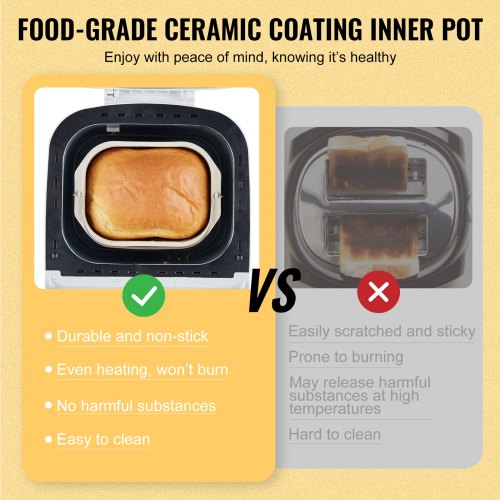
Remove the bread pan and kneading blade. Wash them carefully by hand. Do not put them in the dishwasher.
- Wipe inside the machine with a damp cloth
- Dry parts completely before putting them back
- Clean the lid and buttons gently
- Never immerse the main unit in water
Checking For Wear And Tear
Look at your bread maker parts regularly for damage. Replace worn parts to keep baking safe and easy.
Check the kneading blade for cracks or bending. Make sure the bread pan is not scratched or warped.
- Inspect power cord for cuts or frays
- Listen for strange noises during operation
- Replace parts recommended by the maker
- Contact support if the machine overheats
Proper Storage Practices
Store your bread maker in a dry, cool place. Keep it away from heat and moisture to avoid damage.
Cover the machine to stop dust from settling. Make sure all parts are dry before storing to prevent mold.
- Unplug the machine before storing
- Keep the lid slightly open to air out
- Store accessories together in one place
- Avoid stacking heavy items on top
Troubleshooting Common Issues
Using a bread maker can be simple, but sometimes problems happen. Troubleshooting helps you fix these issues fast.
Here are tips to solve common problems like over-rising, undercooked loaves, and uneven baking.
Handling Over-rising
Over-rising happens when the dough rises too much and spills out of the pan. This can make your bread misshapen.
Check the yeast amount and avoid adding too much sugar. Use the right flour type and keep the room temperature moderate.
- Reduce yeast slightly if over-rising happens often
- Keep the bread maker away from hot or sunny spots
- Use fresh yeast for best results
- Do not open the lid during rising to keep temperature steady
Fixing Undercooked Loaves
Undercooked bread feels doughy or sticky inside. This means it needs more baking time or better heat distribution.
Try using the “crust color” setting if your machine has one. Add a few extra minutes to the baking cycle if needed.
- Check the pan is placed correctly inside the machine
- Use the recommended flour and liquid ratios
- Make sure the kneading paddle is not stuck
- Allow bread to cool before slicing to finish cooking
Dealing With Uneven Baking
Uneven baking creates parts of the bread that are too dark or too light. This can happen if heat is not spread well.
Check if the bread pan is clean and fits well. Avoid overfilling the pan to let heat circulate evenly.
- Use the right pan size for your bread maker
- Do not overload ingredients beyond the machine’s capacity
- Clean the heating element and pan regularly
- Rotate the loaf halfway if your machine allows manual control
Credit: www.vevor.com
Exploring Advanced Recipes
Using a bread maker lets you try many types of bread recipes. You can go beyond basic bread and explore new tastes.
Advanced recipes often need special ingredients or steps. This guide helps you try gluten-free, sourdough, and flavored breads.
Creating Gluten-free Bread
Gluten-free bread needs different flours like rice or almond flour. These flours do not rise like wheat flour, so use xanthan gum or psyllium husk.
Make sure your bread maker has a gluten-free setting. This setting adjusts kneading and baking time to fit gluten-free dough.
- Use a mix of gluten-free flours for better texture
- Add xanthan gum to help dough rise and hold shape
- Choose the gluten-free program on your bread maker
- Check dough consistency during kneading and adjust liquid if needed
Experimenting With Sourdough
Sourdough bread uses natural yeast from a starter. You can feed and keep a starter at home to bake sourdough anytime.
Some bread makers have a sourdough cycle. This cycle allows longer fermentation for better flavor and texture.
- Prepare and feed your sourdough starter regularly
- Use the sourdough or custom cycle on your bread maker
- Allow extra time for fermentation and rising
- Check dough during kneading; sourdough dough can be sticky
Infusing Savory And Sweet Flavors
Add herbs, cheese, or spices to make savory bread. For sweet bread, add cinnamon, nuts, or dried fruits.
Put these ingredients in the bread maker at the right time. Most machines beep when it is time to add extras.
- Use garlic, rosemary, or thyme for savory breads
- Add cheese or olives for extra flavor
- Try cinnamon, raisins, or chocolate chips for sweet breads
- Add nuts or seeds for crunch and taste
.png?width=1200&height=630&fit=crop)
Credit: www.independent.co.uk
Frequently Asked Questions
How Do I Choose The Right Bread Maker Settings?
Select settings based on bread type and desired crust. Use preset programs for ease and consistent results. Refer to the manual for specific options.
What Ingredients Work Best In A Bread Maker?
Use fresh, high-quality ingredients like bread flour, yeast, salt, and sugar. Avoid expired yeast and ensure proper measurements for best texture.
How Can I Prevent Bread From Sticking To The Pan?
Lightly grease the pan or use non-stick spray before adding ingredients. Ensure the pan is clean and properly seated in the machine.
How Long Does It Take To Bake Bread In A Bread Maker?
Most bread makers take 3 to 4 hours, depending on the program. Quick settings can bake bread in about 1. 5 hours.
Conclusion
Using a bread maker can save time and effort daily. Follow simple steps to get the best results. Measure ingredients carefully for consistent, fresh bread. Clean your machine after each use to keep it working well. Experiment with recipes to find your favorite flavors.
Enjoy homemade bread with family and friends often. Small habits make a big difference in baking success. Keep these tips in mind and bake with confidence. Fresh bread at home is easier than you think.