
If you’ve ever struggled with a box grater, you know it can be tricky to use safely and effectively. But once you master a few simple tips, your grater can become one of your favorite kitchen tools.
Imagine shredding cheese, zesting citrus, or grating veggies quickly and without any mess or injury. You’ll discover easy tricks to get the best results every time you use your box grater. Keep reading to transform your cooking experience and save time in the kitchen!
Credit: www.foodnetwork.com
Choosing The Right Grater
Picking the right box grater makes cooking easier and safer. Different graters suit different foods and tasks.
Look at the grater’s material, size, and shape to find the best fit for your kitchen.
Material Considerations
Box graters come in many materials. Stainless steel is common because it resists rust and lasts long.
Plastic parts can make the grater lighter but may break more easily. Avoid low-quality metals that dull fast.
- Stainless steel resists rust and stays sharp
- Plastic can reduce weight but may crack
- Cheap metals dull quickly and can rust
Size And Shape Options
Box graters come in different sizes. Larger graters offer more surface for grating but take more space.
Shapes vary too. Some have wider bases for stability. Others are compact for easy storage.
- Tall graters hold more food and are stable
- Small graters save space in the kitchen
- Wide base helps keep the grater steady
- Compact shapes fit in drawers easily

Credit: www.yahoo.com
Safety Precautions
Using a box grater can be easy and safe if you follow some rules. Safety helps you avoid cuts and injuries.
Always pay attention while grating. Keep your hands and fingers clear from sharp edges.
Proper Hand Position
Hold the box grater firmly on a flat surface. Use one hand to keep it steady. Use the other hand to grate food carefully.
Keep your fingers curled and away from the grater’s sharp holes. This helps prevent accidental cuts.
- Place the grater on a stable surface
- Hold the grater tightly with one hand
- Keep fingers curled and away from the grating area
- Grate slowly and with control
Using Protective Gear
Wear cut-resistant gloves to protect your hands. These gloves reduce the risk of injury while grating.
You can also use a food holder or guard if your grater has one. This keeps your hands safe and makes grating easier.
- Wear cut-resistant gloves for hand protection
- Use food holders or guards if available
- Clean gloves and gear after use
Grating Techniques
Using a box grater is simple, but good techniques make it easier and safer. Proper grating saves time and gives better results.
Focus on your movements and pressure. These two things help you grate food smoothly and avoid injuries.
Efficient Movements
Move the food up and down the grater in steady strokes. Keep your hand steady to avoid slipping.
Use your arm, not just your wrist. This reduces strain and keeps your motion smooth.
- Hold the grater firmly on a flat surface
- Use long, even strokes for consistent grating
- Turn the food piece as it gets smaller for safety
- Keep your fingers clear of the grater edges
Optimizing Pressure
Apply just enough pressure to grate the food without pushing too hard. Too much force can cause slips or damage the grater.
Let the grater do the work. Pressing lightly while moving the food keeps the process smooth and safe.
- Start with gentle pressure to feel the grater’s sharpness
- Increase pressure slightly if needed for harder foods
- Release pressure as the food piece gets smaller
- Avoid pressing too hard to prevent hand injuries

Credit: www.yahoo.com
Maintenance And Cleaning
Keeping your box grater clean helps it last longer and work better. Proper maintenance stops food from sticking and rust from forming.
Regular cleaning makes grating safe and easy. It also keeps your kitchen hygienic and your food tasting fresh.
Quick Cleaning Tips
Rinse the grater right after use. This stops food from drying and sticking to the blades.
Use warm water and mild soap. Wash carefully to avoid cutting your fingers on sharp edges.
- Hold the grater firmly on a stable surface.
- Use a soft brush or sponge for cleaning.
- Rinse well to remove soap and food bits.
- Dry completely before storing to prevent rust.
Removing Stubborn Residue
Sometimes bits of food get stuck in the grater holes. Soak the grater in warm water for a few minutes to loosen residue.
Use a small brush or a toothpick to push out trapped pieces. Be gentle to keep the blades sharp and avoid injury.
- Fill a bowl with warm, soapy water.
- Soak the grater for 10-15 minutes.
- Use a brush or toothpick to clean holes.
- Rinse and dry thoroughly before storing.
Maximizing Versatility
A box grater is more than a tool for grating cheese. It has different sides that help with many tasks in the kitchen.
Using each side of the grater lets you prepare food in many ways. This makes cooking easier and faster.
Using Different Sides
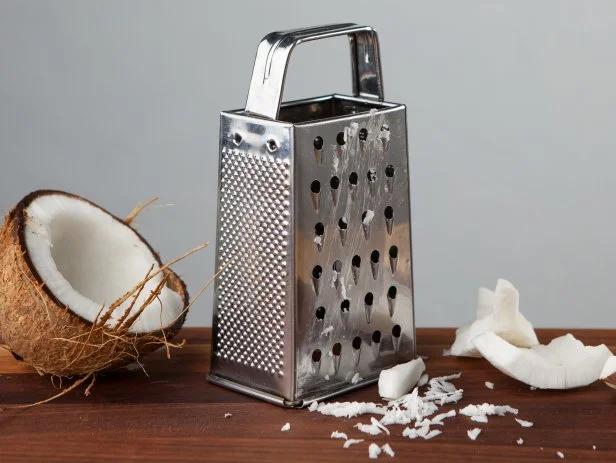
Each side of a box grater has a different size and shape of holes. You can use these sides for different textures.
- The large holes are good for shredding cheese or vegetables like cabbage.
- The medium holes work well for grating softer foods like zucchini or carrots.
- The small holes create fine shreds, perfect for hard cheeses or zesting citrus fruits.
- The slicer side can make thin slices of cucumbers or potatoes.
Creative Uses Beyond Cheese
A box grater can help with many cooking tasks besides cheese. It can save time and add texture to meals.
Try grating ingredients like fresh ginger or garlic to add flavor quickly. You can also grate chocolate for dessert toppings.
- Grate potatoes for making hash browns or latkes.
- Shred carrots or zucchini to add to salads or baked goods.
- Use the fine side to grate nutmeg or hard spices.
- Slice firm fruits like apples or pears for snacks or salads.
Common Mistakes To Avoid
Using a box grater seems simple, but many people make mistakes. These mistakes can slow you down or cause injury.
Knowing what to avoid helps you grate safely and quickly. Let’s look at two common errors.
Avoiding Excessive Force
Pressing too hard can break your grater or hurt your fingers. It also makes grating harder and less smooth.
Use steady, light pressure. Let the sharp blades do the work. If you push too much, you risk slipping.
- Hold the grater firmly to keep it steady
- Grate with smooth, even strokes
- Stop and adjust if you feel resistance
Choosing The Wrong Side
Box graters have different sides for different tasks. Picking the wrong side wastes time and can damage food.
Use the coarse side for shredding cheese or vegetables. Use the fine side for zest or small shreds.
- Coarse side: larger shreds for salads and toppings
- Fine side: zesting citrus or grating hard cheese
- Slicing side: thin slices of vegetables or cheese
- Medium side: smaller shreds, good for softer foods
Storage Solutions
Keeping your box grater stored properly helps it last longer. Proper storage saves space and protects the grater.
Organizing your kitchen tools well makes cooking easier. This section shares tips to store your box grater safely.
Space-saving Ideas
Box graters can take up space if not stored well. Use these ideas to save room in your kitchen.
- Hang the grater on a hook inside a cabinet door.
- Use a slim container or utensil holder to keep it upright.
- Store it with similar tools to keep everything organized.
- Place it inside a drawer divider to avoid scratches.
Preventing Rust
Rust can damage your box grater and make it unsafe. Follow these tips to keep it dry and clean.
- Dry the grater completely after washing.
- Store it in a dry place away from moisture.
- Apply a light coat of cooking oil to the metal surface sometimes.
- Avoid leaving the grater in the sink or dishwasher too long.
Frequently Asked Questions
How Do I Use A Box Grater Safely?
Always hold the box grater firmly on a stable surface. Use slow, controlled motions to avoid slipping. Keep fingers away from the grating edges to prevent cuts. Use the largest side first, then smaller sides for finer grating.
Which Foods Work Best With A Box Grater?
Box graters work well with hard vegetables like carrots and potatoes. They are perfect for grating cheese and zesting citrus fruits. Avoid soft or watery foods as they can clog the grater’s holes.
How Do I Clean A Box Grater Effectively?
Rinse the grater immediately after use to prevent food from drying. Use a brush or sponge with warm soapy water to clean all sides. Dry thoroughly to prevent rust and maintain sharpness.
Can A Box Grater Replace An Electric Grater?
A box grater is great for small tasks and offers control. It’s quieter, cheaper, and easier to clean than electric graters. However, electric graters save time for large quantities or tougher foods.
Conclusion
Using a box grater is simple and useful in the kitchen. Always hold it firmly and grate slowly for safety. Clean the grater right after use to avoid stuck food. Try different sides to get various textures in your dishes.
With practice, grating becomes quick and easy. Keep these tips in mind to enjoy cooking more. Your meals will look and taste better with grated ingredients. Give it a try and see the difference today.