
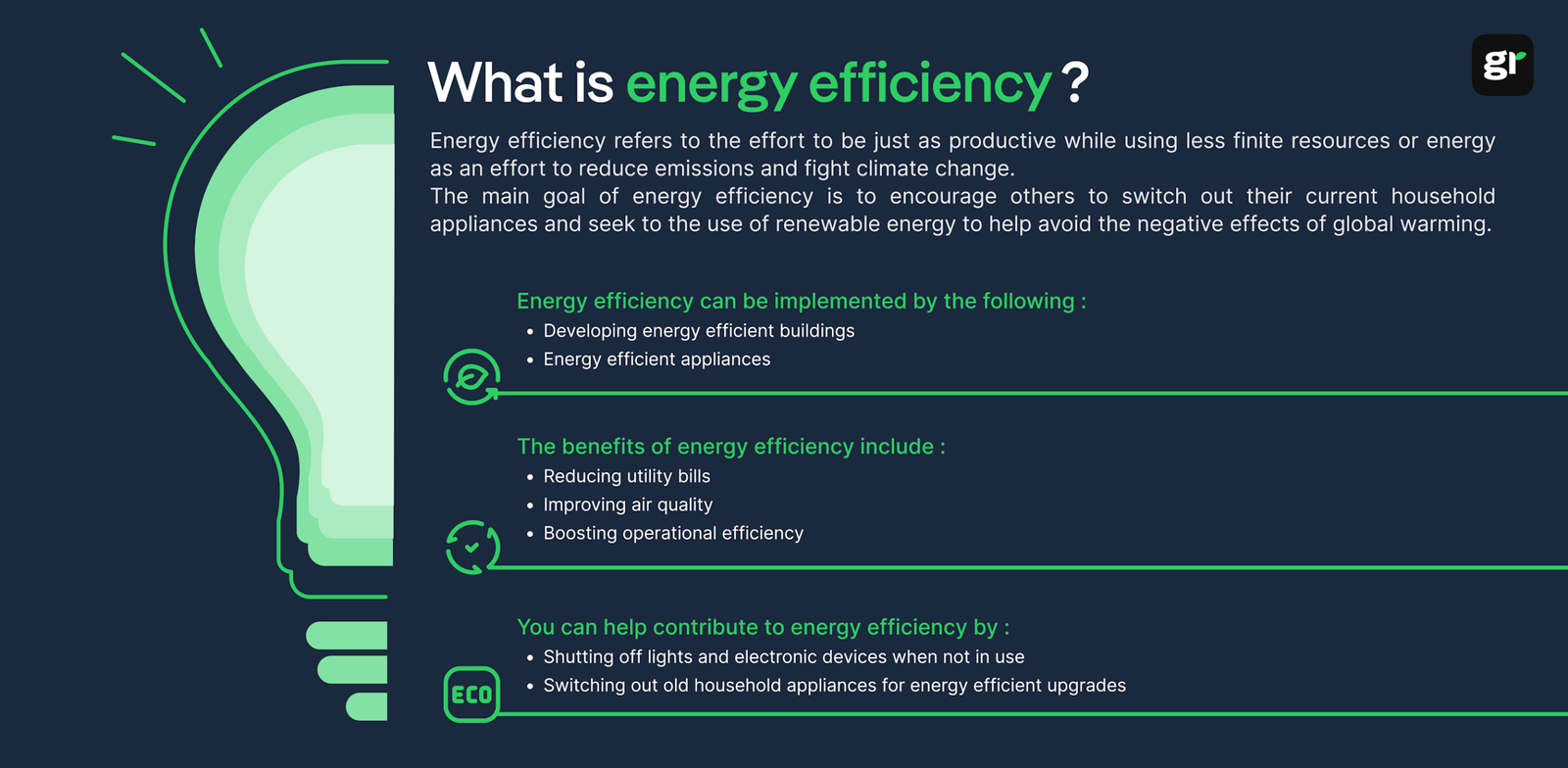
Are you ready to save money on your energy bills and make your home greener? Switching to energy-efficient appliances is one of the smartest moves you can make.
But where do you start? What should you look for to get the best value and performance? In this post, you’ll discover simple, practical tips that help you choose appliances that not only cut your energy use but also fit your lifestyle perfectly.
Keep reading to unlock easy steps that make your switch smooth and rewarding. Your wallet—and the planet—will thank you.
Credit: kenson.co.tt
Benefits Of Energy-efficient Appliances
Energy-efficient appliances are designed to use less energy. They help you save money and protect the environment.
Switching to these appliances offers many advantages. Let’s explore some key benefits.
Lower Utility Bills
Energy-efficient appliances use less power. This means your electricity bills will be lower each month.
Saving money on utilities helps your budget. It’s a smart choice for long-term savings.
- Less energy usage leads to lower costs
- Reduced energy waste benefits your wallet
- Helps manage household expenses
Reduced Environmental Impact
Using less energy means fewer emissions. Energy-efficient appliances are better for our planet.
They help conserve natural resources. This is important for future generations.
- Decreases carbon footprint
- Promotes sustainable living
- Supports eco-friendly practices
Improved Appliance Performance
Energy-efficient appliances often work better. They are designed to perform well while using less power.
These appliances are reliable and efficient. They meet your needs without wasting energy.
- Better performance with less energy
- Durable and reliable technology
- Enhanced user experience
Choosing The Right Appliances
Switching to energy-efficient appliances helps save money and protect the environment. Choosing the right appliance is key to get these benefits.
Think about how much energy the appliance uses and if it fits your needs. This guide helps you pick the best option.
Reading Energy Labels
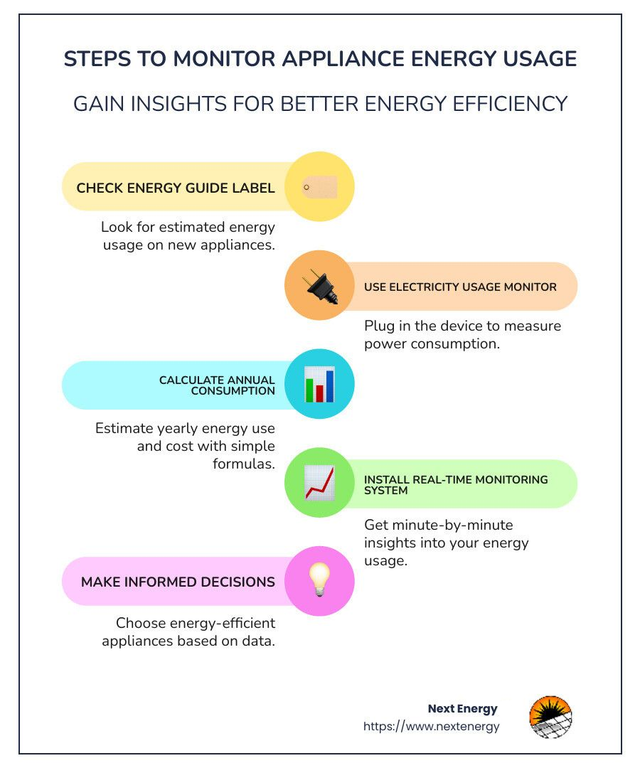
Energy labels show how much power an appliance uses. Look for these labels before buying.
Labels usually have a rating scale and estimated yearly energy use. The better the rating, the less energy it uses.
- Find the label on the front or side of the appliance
- Check the energy rating, often from A+++ (best) to D (worst)
- Look at the estimated yearly electricity use in kWh
Comparing Energy Ratings
Compare energy ratings between similar appliances to save more energy. Choose models with higher ratings.
Higher-rated appliances cost less to run over time. This helps reduce your electricity bill and carbon footprint.
- Check ratings for all brands you like
- Choose appliances with top ratings for energy efficiency
- Balance price and energy savings for your budget
Matching Appliance Size To Needs
Pick an appliance size that fits your household needs. Bigger appliances use more energy.
Buying a too-large appliance wastes energy. A smaller model may work better and save power.
- Count the number of people in your home
- Think about how often you use the appliance
- Choose a size that meets your daily needs without excess
Budgeting For The Switch
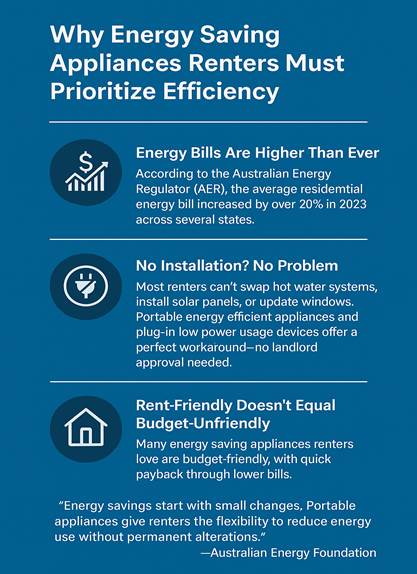
Switching to energy-efficient appliances can save money over time. Planning your budget helps you make smart choices.
Think about costs and savings before buying new appliances. This helps avoid surprises and keeps your plan on track.
Calculating Long-term Savings
Energy-efficient appliances use less power. This lowers your electricity bills each month.
Look at the energy label to see how much energy an appliance uses. Compare this to your current appliance to find savings.
- Check the wattage and energy consumption
- Estimate monthly energy use based on your habits
- Multiply savings by months or years to find total savings
Exploring Rebates And Incentives
Many governments and companies offer rebates for buying energy-efficient appliances. These reduce your upfront cost.
Find out what rebates apply in your area. This can help you save hundreds of dollars on your purchase.
- Check local government websites for rebate programs
- Ask appliance stores about available discounts
- Apply for rebates after purchase to get cash back
Prioritizing High-impact Upgrades
Some appliances use more energy than others. Focus your budget on replacing those first.
Start with appliances that run often or use the most electricity. This gives the biggest savings.
- Replace old refrigerators and freezers
- Upgrade heating and cooling systems
- Choose energy-efficient washers and dryers
Installing And Maintaining Appliances
Switching to energy-efficient appliances saves money and helps the environment. Proper installation and maintenance keep appliances working well.
Good care can extend the life of your appliances. This guide shares tips for installing and maintaining them correctly.
Professional Installation Tips
Hire a licensed professional to install your appliances. They know how to set up devices safely and properly.
Check that the installation meets local codes and manufacturer instructions. This prevents issues and keeps warranties valid.
- Use a certified installer for complex appliances
- Confirm power and water connections are secure
- Test appliances after installation for proper function
- Keep installation manuals for future reference
Routine Maintenance Practices
Clean and inspect appliances regularly. This stops dust and dirt from reducing efficiency.
Follow the manufacturer’s maintenance schedule. Simple tasks keep appliances running smoothly and safely.
- Clean filters and vents monthly
- Check hoses and seals for leaks
- Remove buildup inside appliances
- Replace worn parts as needed
Maximizing Appliance Lifespan
Use appliances according to instructions. Avoid overloading or running them too long.
Keep the area around appliances clean and dry. Proper use and care help appliances last longer and perform better.
- Operate appliances at recommended settings
- Turn off appliances when not in use
- Schedule professional checkups yearly
- Store manuals and receipts for warranty needs
Common Mistakes To Avoid
Switching to energy-efficient appliances saves money and helps the environment. Many people make mistakes that reduce the benefits of these appliances.
Knowing what to avoid will help you get the best results from your new appliances.
Ignoring Hidden Energy Costs
Some appliances use energy even when turned off. This is called standby power. Ignoring these costs can increase your electricity bill.
Look for appliances with low standby power use. Check the Energy Star label for better options.
- Unplug devices not in use
- Use power strips to cut off power
- Choose appliances with energy-saving modes
Overlooking Compatibility Issues
New energy-efficient appliances may not fit your home’s existing wiring or space. Overlooking this causes extra costs and delays.
Measure your space and check electrical requirements before buying. Make sure your home can support the appliance.
- Check outlet types and voltage needs
- Confirm appliance size fits your area
- Consult a professional if unsure
Skipping Regular Maintenance
Energy-efficient appliances need regular care to work well. Skipping maintenance lowers their efficiency and lifespan.
Clean filters and check parts often. Follow the manufacturer’s guide for maintenance schedules.
- Clean or replace filters regularly
- Check for leaks or damage
- Schedule professional service if needed
Credit: comparable.com.au
Additional Energy-saving Strategies
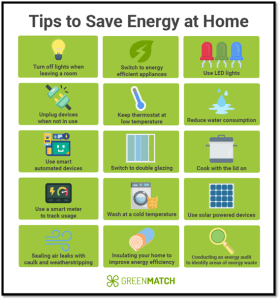
Switching to energy-efficient appliances saves power and cuts costs. You can save even more with smart habits and home upgrades.
These extra steps help you get the most from your new appliances and reduce your energy use effectively.
Smart Home Integration
Smart home devices let you control appliances remotely. This helps reduce energy waste by turning off unused items.
Using apps or voice commands, you can set schedules or monitor energy use easily.
- Set timers for appliances
- Turn off devices remotely
- Track energy use with smart meters
Using Appliances During Off-peak Hours
Electricity costs less during off-peak hours. Running appliances then lowers your energy bills.
Check your utility’s off-peak times. Plan laundry, dishwashing, and charging for those hours.
- Use washing machines at night
- Run dishwashers early morning
- Charge electronics during low-cost hours
Complementary Home Improvements
Improving your home’s insulation keeps it warm or cool. This lowers the load on heating and cooling appliances.
Other upgrades like energy-efficient windows or LED lighting also reduce overall energy use.
- Seal windows and doors to prevent drafts
- Install LED bulbs throughout the home
- Use programmable thermostats for heating and cooling
Credit: www.nextenergy.ai
Frequently Asked Questions
What Are The Benefits Of Energy-efficient Appliances?
Energy-efficient appliances reduce electricity bills and lower carbon footprints. They use advanced technology to consume less power. This helps save money and protect the environment. Additionally, they often have longer lifespans and improved performance.
How To Choose The Best Energy-efficient Appliance?
Look for the ENERGY STAR label when buying appliances. Compare energy consumption ratings and read product reviews. Consider the appliance size and features to match your needs. Also, check for rebates or incentives available in your area.
Are Energy-efficient Appliances More Expensive Initially?
Energy-efficient models may cost more upfront but save money over time. Reduced energy use lowers monthly utility bills. Many governments offer rebates to offset initial costs. Investing in these appliances leads to long-term financial and environmental benefits.
Can Switching To Energy-efficient Appliances Reduce Home Energy Use?
Yes, replacing old appliances with energy-efficient ones significantly cuts home energy consumption. These devices use modern technology to optimize power use. This results in lower electricity bills and decreased environmental impact. Regular maintenance further boosts their efficiency.
Conclusion
Switching to energy-efficient appliances saves money and helps the environment. These appliances use less power but work just as well. Choosing the right models fits your needs and budget. Small changes add up to big energy savings over time. Start with one appliance and replace others later.
Your home becomes greener and your bills get smaller. A smart choice for today and the future.