
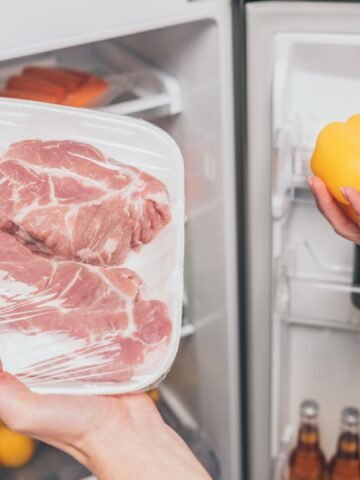
Storing raw meat safely in your fridge is more important than you might think. If you don’t handle it right, you risk harmful bacteria spreading to other foods—and to you.
But don’t worry, with a few simple tips, you can keep your meat fresh and your kitchen safe. Keep reading, because these easy steps will help you protect your health and make your cooking worry-free.

Credit: www.foodunfolded.com
Choosing The Right Container
Storing raw meat safely keeps your food fresh and prevents illness. The right container is key to safe storage.
Containers protect meat from air and bacteria. They also stop smells from spreading in your fridge.
Use Airtight Containers
Airtight containers stop air and moisture from reaching the meat. This keeps the meat fresh longer.
Plastic or glass containers with tight lids work best. Avoid containers that leak or do not seal well.
- Prevent freezer burn and spoilage
- Keep fridge clean from leaks
- Maintain meat texture and taste
Avoid Cross-contamination
Raw meat can carry harmful bacteria. Keep it separate from other foods to avoid spreading germs.
Use containers that fully cover the meat. Place them on the lowest fridge shelf to stop drips on other foods.
- Use separate containers for different meats
- Do not store raw meat above ready-to-eat foods
- Clean containers before reuse
Labeling And Dating
Label containers with the type of meat and the date stored. This helps track freshness and safety.
Use waterproof markers or labels. Remove old labels before adding new ones to avoid confusion.
- Write the date to use meat before it spoils
- Note the type of meat inside the container
- Rotate older meat to the front for use first
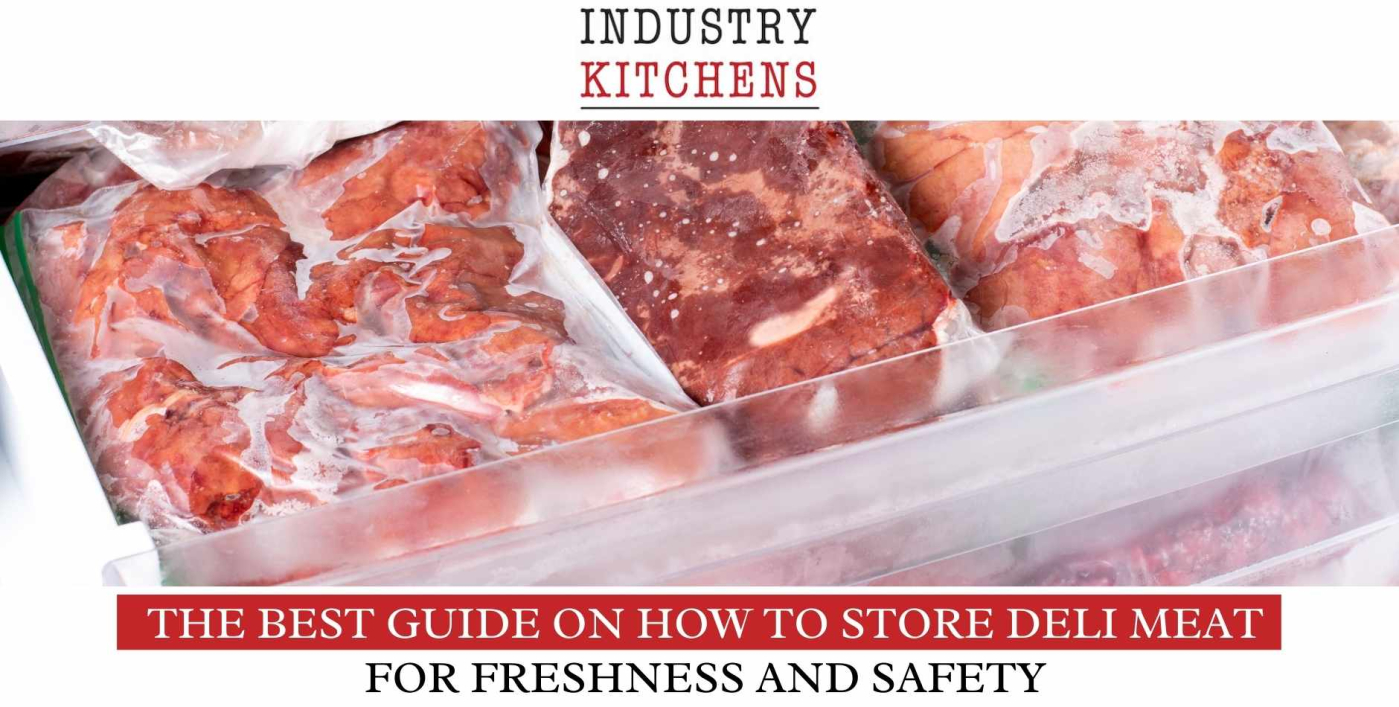
Credit: www.industrykitchens.com.au
Ideal Fridge Temperature
Keeping raw meat safe starts with the right fridge temperature. The fridge should be cold enough to slow bacteria growth. This helps keep meat fresh and safe to eat.
Most fridges have a temperature control, but it is important to check that it stays at the right level. The ideal temperature stops harmful germs from growing.
Set Temperature Below 40°f
Raw meat stays safe when your fridge is below 40°F (4°C). Temperatures above this allow bacteria to multiply quickly. Set your fridge to 35°F to 38°F for best results.
Check your fridge settings regularly. Avoid storing raw meat in the door, where temperatures can be warmer. Place meat on lower shelves instead.
Use A Fridge Thermometer
Many fridges do not show the exact temperature inside. Use a fridge thermometer to know the real temperature. This helps you keep the meat safe.
Put the thermometer in the middle of the fridge. Check it daily to catch any temperature changes. Adjust the fridge if the temperature rises above 40°F.
- Place thermometer away from fridge walls
- Check thermometer at least once a day
- Keep thermometer clean for accurate reading
- Adjust fridge settings if temperature is too high
Proper Placement In Fridge
Storing raw meat safely in the fridge is important. It helps prevent foodborne illnesses. Proper placement is key to keeping your food fresh and safe.
Raw meat should be stored in the right part of the fridge. This reduces the risk of contamination and keeps other foods safe.
Store On Lowest Shelf
Place raw meat on the lowest shelf of your fridge. This helps prevent juices from dripping onto other foods. Drips can spread bacteria, making other foods unsafe to eat.
The lowest shelf is usually the coldest part of the fridge. Cold temperatures help keep meat fresh for a longer time. This way, you can enjoy your meat without worry.
- Use a tray to catch any drips
- Keep meat in its original packaging
- Check the fridge temperature regularly
Separate From Ready-to-eat Foods
Store raw meat away from ready-to-eat foods. Ready-to-eat foods do not need cooking before you eat them. Keeping them separate prevents cross-contamination.
Use separate shelves if possible. This keeps your food safe and healthy. It also makes it easier to organize your fridge.
- Label shelves for easy identification
- Use containers to separate foods
- Store raw meat in sealed bags
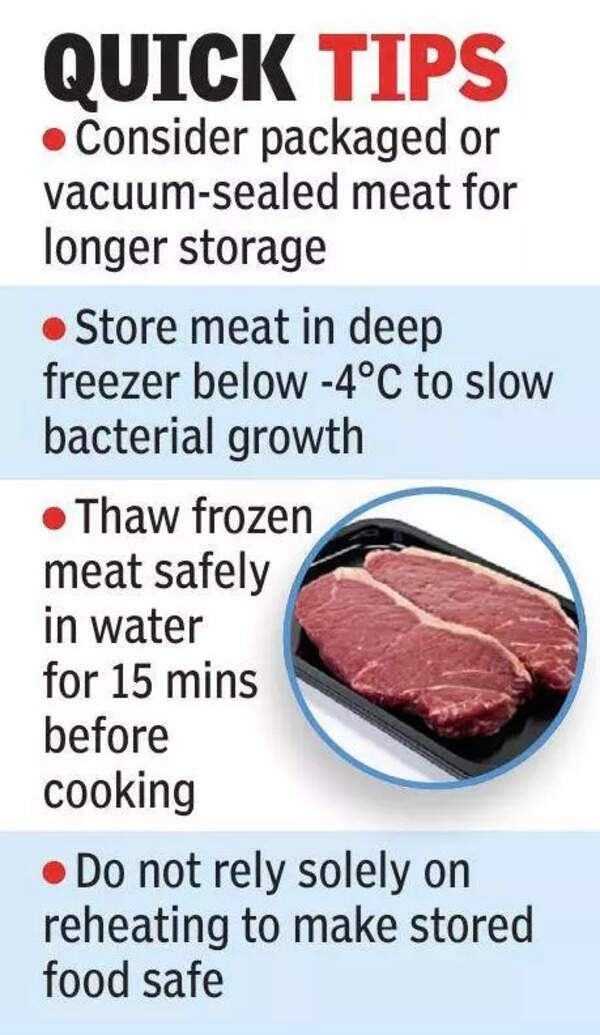
Credit: timesofindia.indiatimes.com
Handling Raw Meat Before Storage
Storing raw meat safely starts before putting it in the fridge. Proper handling helps stop germs from spreading.
Follow simple steps to keep meat fresh and avoid foodborne illness.
Keep Meat Cold Before Refrigerating
Keep raw meat cold before placing it in the fridge. Cold temperatures slow bacteria growth.
Do not leave meat out at room temperature for long. Bring it straight home and refrigerate quickly.
- Buy meat last during shopping
- Use a cooler bag if traveling
- Place meat in the fridge within 2 hours
Avoid Washing Meat
Do not wash raw meat before storing it. Washing spreads bacteria to kitchen surfaces and hands.
Cooking meat properly kills germs, so washing is not needed and can be unsafe.
Safe Storage Duration
Storing raw meat safely in the fridge helps prevent foodborne illness. Knowing how long to keep meat fresh is important.
Proper storage duration keeps meat safe to eat and reduces waste. Always check meat before use.
Know How Long To Keep Different Meats
Each type of raw meat has a different safe storage time in the fridge. Use these guidelines to keep meat fresh.
- Chicken and turkey: 1-2 days
- Beef and pork: 3-5 days
- Ground meat (beef, pork, poultry): 1-2 days
- Lamb and veal: 3-5 days
- Fish and shellfish: 1-2 days
Always store meat on the bottom shelf to avoid drips. Use airtight containers or sealed bags.
Freeze Meat For Longer Storage
Freezing raw meat stops bacterial growth and extends storage time. Wrap meat tightly to prevent freezer burn.
| Meat Type | Freezing Duration |
|---|---|
| Beef (steaks, roasts) | 6-12 months |
| Pork (chops, roasts) | 4-6 months |
| Chicken and turkey (whole) | 1 year |
| Ground meat (all types) | 3-4 months |
| Fish (fatty types) | 2-3 months |
| Fish (lean types) | 6 months |
Label packages with the freezing date. Use older meat first to avoid waste.
Regular Fridge Cleaning
Keeping your fridge clean is key to storing raw meat safely. Dirt and spills can cause bacteria to grow.
Cleaning your fridge regularly helps stop germs and keeps meat fresh longer.
Sanitize Shelves And Containers
Take out shelves and containers before cleaning. Use warm water and soap to wash them well.
Use a safe disinfectant to kill bacteria. Let everything dry fully before putting it back.
- Remove shelves and containers carefully
- Wash with warm, soapy water
- Disinfect with a mild cleaner safe for food areas
- Dry completely before replacing
Check For Spoiled Meat
Look over raw meat before storing it in the fridge. Throw away any meat that smells bad or looks strange.
Check the sell-by date and use meat quickly to avoid spoilage.
- Smell the meat for sour or off odors
- Look for slimy or discolored spots
- Check the sell-by date on the package
- Use older meat first to reduce waste
Frequently Asked Questions
How Long Can Raw Meat Stay In The Fridge Safely?
Raw meat can be stored safely in the fridge for 1-2 days. Ground meat should be used within one day. Always keep it at or below 40°F (4°C) to prevent bacterial growth. Freeze if you need to store it longer.
What Is The Best Fridge Temperature For Raw Meat Storage?
Keep your fridge temperature at or below 40°F (4°C) for safe raw meat storage. This temperature slows bacterial growth and keeps meat fresh longer. Use a fridge thermometer to monitor and maintain consistent cooling.
How Should Raw Meat Be Stored To Avoid Contamination?
Store raw meat on the lowest fridge shelf in a sealed container or plastic wrap. This prevents juices from dripping onto other foods and cross-contamination. Always keep raw meat separate from ready-to-eat foods.
Can Raw Meat Be Refrozen After Thawing In The Fridge?
Yes, raw meat can be safely refrozen if thawed in the fridge and kept below 40°F. Refreeze only if it hasn’t been out more than 2 days. Refreezing may reduce quality but is safe.
Conclusion
Storing raw meat safely keeps your food fresh and your family healthy. Always use clean containers and keep meat on the lowest fridge shelf. Check temperatures regularly to avoid spoilage. Separate raw meat from other foods to prevent germs spreading.
Quick action saves you from food waste and illness. Small steps make a big difference in food safety. Follow these tips and enjoy safe, tasty meals every time.