
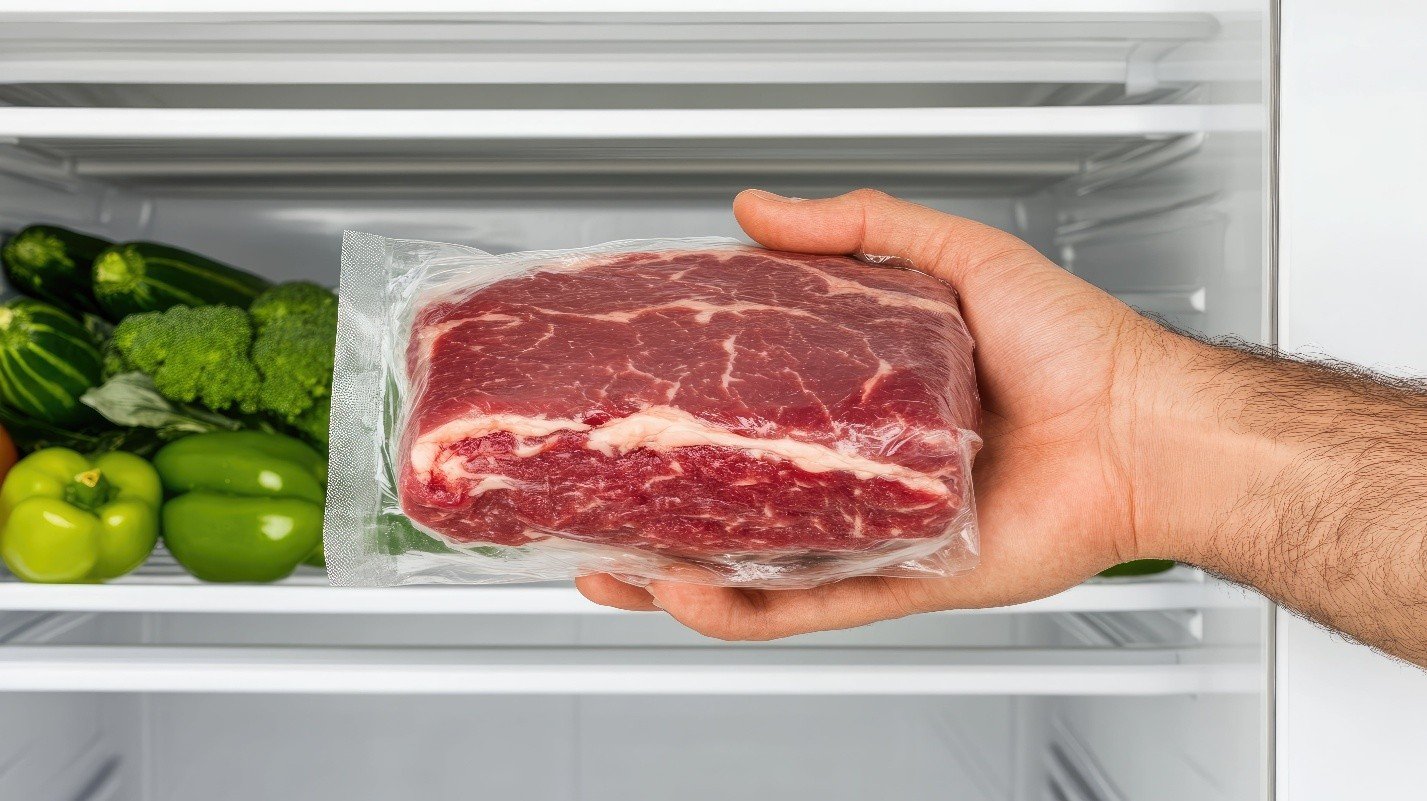
When it comes to storing raw meat, a few simple mistakes can put your health at risk. You might think keeping meat in the fridge is enough, but there’s more to it than just temperature.
How you store your meat affects its freshness, taste, and safety. If you want to avoid foodborne illnesses and save money by preventing spoilage, you need to get this right. Keep reading, because these easy tips will help you handle and store raw meat safely every time.
Your health and your family’s well-being depend on it.
Choosing The Right Storage Containers
Storing raw meat safely is important to keep your food fresh. Choosing the right containers can prevent spoilage and contamination.
Proper storage helps maintain meat quality and reduces health risks. Use containers that are safe and suitable for raw meat.
Types Of Containers To Use
Containers for raw meat should be airtight and durable. They help in keeping the meat fresh and safe from bacteria.
- Plastic containers with tight lids prevent leaks and odors.
- Glass containers are easy to clean and do not stain.
- Vacuum-sealed bags keep meat fresh for longer by removing air.
- Metal containers are sturdy and resist damage.
Avoiding Cross-contamination
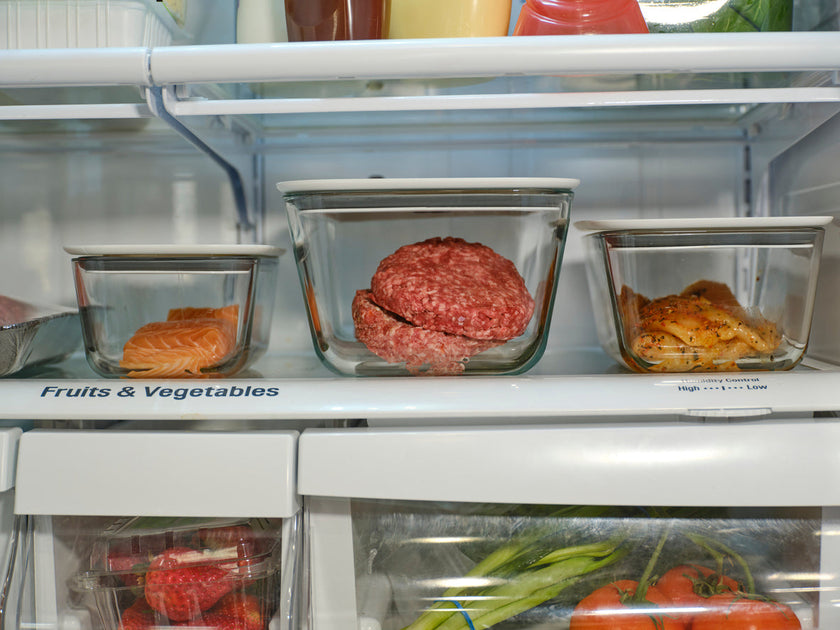
Cross-contamination can happen when raw meat touches other foods. Use separate containers to keep raw meat away from other items.
Label containers to know what is inside and use different shelves in the fridge. This helps in preventing germs from spreading.
- Do not reuse containers for raw and cooked foods.
- Clean containers after each use with hot, soapy water.
- Keep separate cutting boards for raw meat.
- Store meat on the lowest shelf to prevent drips.

Credit: argentineasado.com
Proper Refrigeration Techniques
Storing raw meat correctly in the fridge helps keep it fresh and safe. Proper refrigeration slows bacterial growth.
Using the right fridge settings and placement prevents contamination. It also keeps meat quality high.
Ideal Temperature Settings
Keep your fridge temperature at or below 40°F (4°C). This range slows bacteria that cause spoilage.
Use a fridge thermometer to check the temperature often. Avoid frequent door openings to keep it steady.
- Set fridge between 32°F and 40°F (0°C to 4°C)
- Store meat in coldest part of the fridge
- Check temperature with a reliable thermometer
Where To Place Raw Meat In The Fridge
Place raw meat on the bottom shelf. This stops juices from dripping onto other foods.
Keep meat in sealed containers or plastic wrap. This prevents smells and cross-contamination.
- Bottom shelf is best for raw meat
- Use leak-proof containers or wrap tightly
- Keep meat away from ready-to-eat foods
Freezing Raw Meat Safely
Freezing raw meat is a great way to keep it fresh for a long time. Proper freezing stops bacteria from growing.
To keep meat safe, you must freeze it the right way. This helps keep taste and quality.
Wrapping And Packaging Tips
Wrap meat tightly to stop air from reaching it. Air can cause freezer burn and spoil the meat.
Use special freezer bags or wrap in plastic wrap and then foil. This double layer keeps meat fresh.
- Remove as much air as possible before sealing.
- Cut meat into portions before freezing.
- Use vacuum-sealed bags if available.
- Label each package clearly for easy use.
Labeling And Dating Meat
Always label meat packages with the type and date of freezing. This helps you use older meat first.
Write the date clearly on the package with a permanent marker. This makes it easy to track freshness.
- Write the meat type (e.g., beef, chicken).
- Add the date you froze the meat.
- Use a waterproof marker to avoid smudging.
- Keep a list of frozen items for quick reference.

Credit: www.kimecopak.ca
Thawing Raw Meat Correctly
Thawing raw meat safely is important to avoid food poisoning. Improper thawing can let bacteria grow quickly.
Use the right thawing methods to keep meat fresh and safe to eat.
Safe Thawing Methods
Thaw meat in the fridge, cold water, or microwave. Each way keeps meat at safe temperatures.
- Refrigerator thawing:Put meat in the fridge for several hours or overnight. This keeps it cold and safe.
- Cold water thawing:Seal meat in a leak-proof bag and submerge in cold water. Change water every 30 minutes.
- Microwave thawing:Use the microwave’s defrost setting. Cook meat right after thawing this way.
Avoiding Temperature Danger Zones
Bacteria grow fastest between 40°F and 140°F (4°C and 60°C). Keep meat out of this range during thawing.
Do not thaw meat on the counter or in warm water. This puts meat in the danger zone and can cause illness.
- Keep thawed meat below 40°F (4°C) until cooking.
- Cook meat immediately after cold water or microwave thawing.
- Never refreeze meat that has thawed at room temperature.
Handling Raw Meat Hygiene
Storing raw meat safely is important to stop germs from spreading. Good hygiene helps keep food safe and healthy.
Handling raw meat with care can prevent food poisoning. Clean hands and tools reduce the risk of contamination.
Hand Washing Practices
Wash your hands before and after touching raw meat. Use warm water and soap for at least 20 seconds.
Dry your hands with a clean towel or air dry them. Avoid touching other surfaces until your hands are clean.
- Wet hands with warm water
- Apply soap and scrub all parts
- Rinse thoroughly
- Dry with a clean towel
Cleaning Utensils And Surfaces
Use hot, soapy water to clean knives, cutting boards, and counters after raw meat contact. This stops bacteria from spreading.
Sanitize surfaces regularly to kill germs. Use separate tools for raw meat and other foods to avoid cross-contamination.
- Wash utensils with hot, soapy water
- Sanitize cutting boards and counters
- Use separate utensils for raw meat
- Dry items completely before reuse
Credit: grassrootscoop.com
Signs Of Spoiled Meat
Raw meat can go bad quickly if not stored correctly. Knowing the signs of spoilage helps keep you safe.
Look for changes in how the meat looks and smells. These signs tell you if the meat is no longer good.
Visual Indicators
Check the color and texture of raw meat. Fresh meat has a bright, consistent color and feels firm.
Spoiled meat often changes color and texture. It may look dull, gray, or greenish and feel slimy or sticky.
- Color change to gray, green, or brown
- Surface feels slimy or sticky
- Presence of mold spots
- Dry or shriveled edges
Smell Indicators
Smell the meat before cooking. Fresh meat has little to no strong odor.
Spoiled meat gives off a sour, rancid, or ammonia-like smell. This is a clear sign to avoid it.
- Sour or tangy smell
- Strong rotten odor
- Ammonia or chemical-like scent
When To Discard Meat
Throw away meat if you notice any bad signs. Eating spoiled meat can cause illness.
If the meat looks off, smells bad, or has been stored too long, do not risk it. It is safer to discard it.
- Meat with off color or texture
- Strong bad smell detected
- Stored past the expiration or safe timeframe
- Left out at room temperature too long
Frequently Asked Questions
How Long Can Raw Meat Be Stored Safely?
Raw meat can be safely stored for 1-2 days in the fridge. In the freezer, it lasts 3-12 months depending on the type. Always check the use-by date and keep meat at proper cold temperatures.
What Is The Best Temperature To Store Raw Meat?
Raw meat should be stored at or below 40°F (4°C) in the fridge. For freezing, keep it at 0°F (-18°C) or lower. Proper temperature prevents bacteria growth and keeps meat fresh longer.
Should Raw Meat Be Stored In Original Packaging?
It’s best to keep raw meat in original packaging if unopened. For opened packages, rewrap tightly with plastic wrap or foil to avoid air exposure. This helps prevent contamination and freezer burn.
Can Raw Meat Be Stored With Other Foods?
Raw meat should be stored separately from ready-to-eat foods. Use sealed containers or keep meat on the lowest fridge shelf. This prevents cross-contamination and foodborne illness risks.
Conclusion
Storing raw meat safely keeps your family healthy and avoids waste. Always keep meat cold and separate from other foods. Use clean containers and label them with dates. Check your fridge and freezer temperatures often. Remember, good storage helps meat stay fresh longer.
Simple steps make a big difference in safety. Stay careful and enjoy your meals without worry. Safe storage is easy with the right habits. Keep these tips in mind every time you store raw meat.