
Are you tired of throwing away spoiled fruits, vegetables, or leftovers? Properly storing perishable foods can save you money, reduce waste, and keep your meals fresh and safe.
But it’s easy to make mistakes that cause food to go bad faster than it should. You’ll discover simple, practical tips that will help you extend the life of your groceries. Keep reading to learn how small changes in how you store your food can make a big difference for your health and your wallet.
Choosing The Right Storage Containers
Storing perishable foods properly keeps them fresh longer. The right containers help maintain quality and safety.
Selecting the best storage containers ensures your food stays fresh and healthy. Let’s explore some tips.
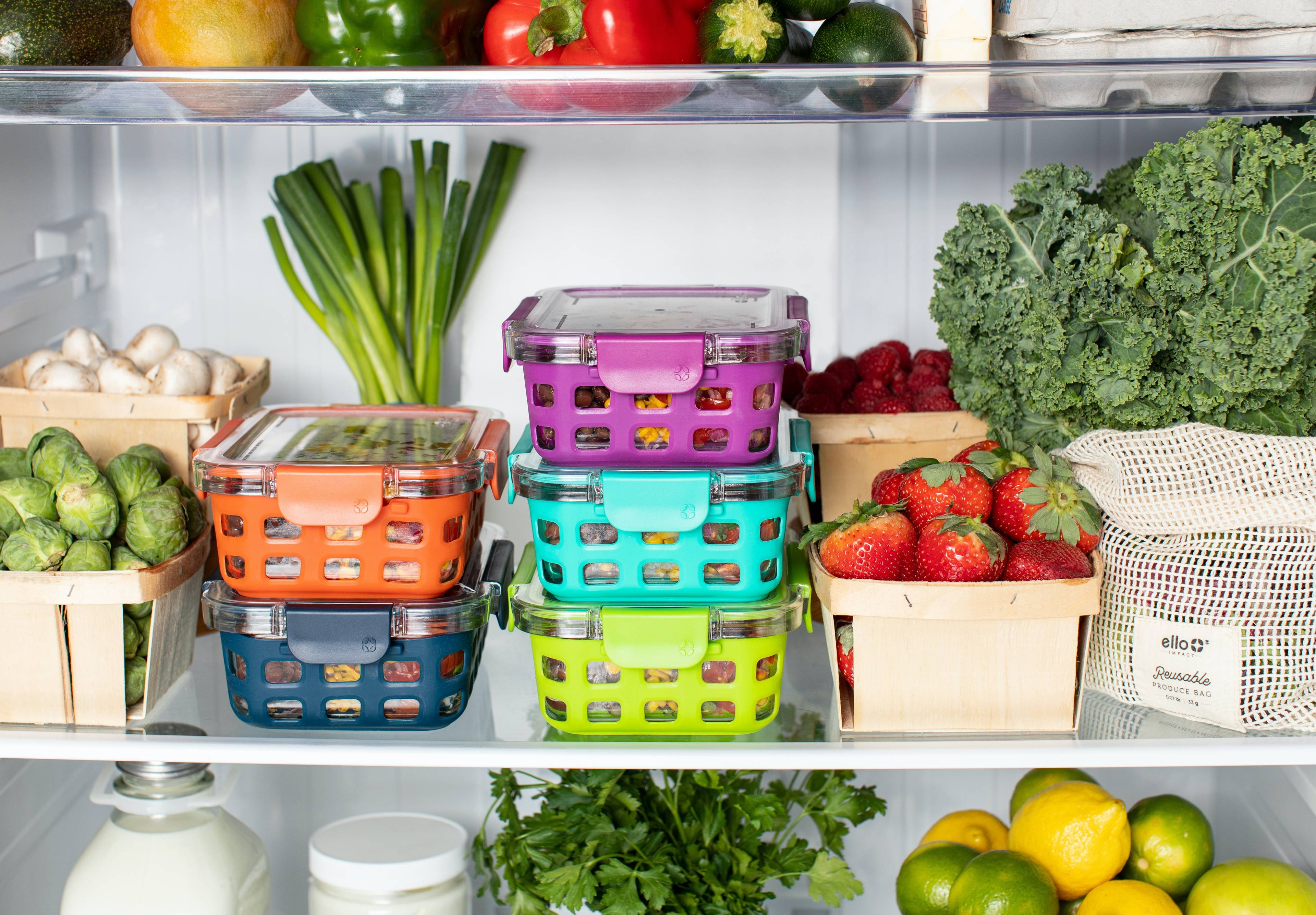
Benefits Of Airtight Containers
Airtight containers prevent air from reaching the food. This helps to keep it fresh.
These containers also stop moisture from spoiling your food. They are essential for long-lasting freshness.
- Prevents food from drying out
- Keeps odors from mixing
- Reduces spoilage risk
Using Glass Vs Plastic
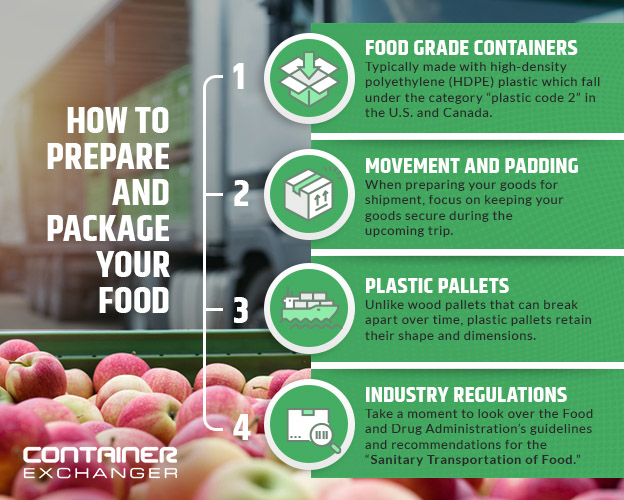
Glass containers are durable and don’t stain. They are also microwave safe.
Plastic containers are lightweight and less expensive. Some are also freezer safe.
- Glass: good for reheating
- Plastic: easy to carry
- Choose BPA-free plastic
Labeling And Dating Containers
Labeling containers helps you know what’s inside. It also helps to track freshness.
Dating your containers reminds you when the food was stored. This prevents eating expired food.
- Use a permanent marker
- Include the date and contents
- Check labels regularly
Credit: blog.containerexchanger.com
Temperature Tips For Different Foods
Storing perishable foods at the right temperature keeps them fresh longer. It also helps stop harmful bacteria from growing.
Different foods need different temperatures. Knowing these can reduce waste and keep your family safe.
Ideal Fridge Temperatures
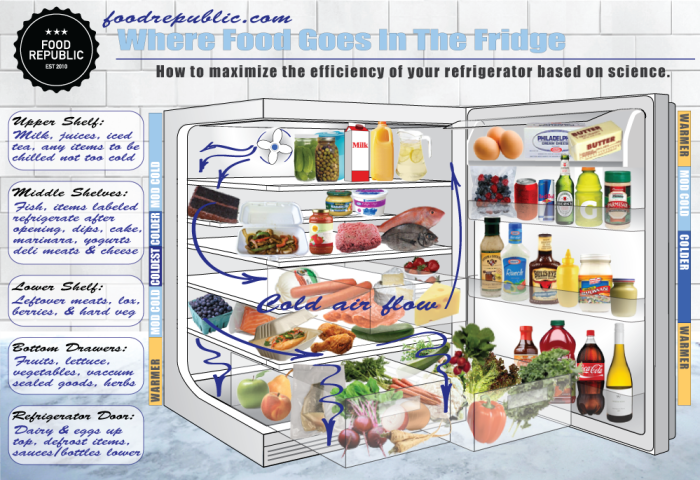
Keep your fridge temperature at or below 40°F (4°C). This slows down bacteria growth in most perishable foods.
Some areas in the fridge are colder. Use the coldest spots for meat and dairy to keep them fresh longer.
- Set fridge temperature to 37°F to 40°F (3°C to 4°C)
- Store raw meat on the bottom shelf to avoid drips
- Keep dairy products in the main body, not the door
- Use a fridge thermometer to check actual temperature
Freezing Guidelines
Freeze foods at 0°F (-18°C) or lower. This stops bacteria and keeps food safe for months.
Wrap foods tightly to avoid freezer burn. Label packages with dates for easy tracking.
- Freeze meat, fish, and poultry quickly after buying
- Use airtight containers or freezer bags
- Do not refreeze thawed foods without cooking
- Keep frozen fruits and vegetables for up to 12 months
Storing In Pantry Vs Refrigerator
Some foods do better in the pantry, others need refrigeration. Knowing where to store each helps keep food safe and tasty.
Foods like onions, potatoes, and bread stay fresh in a cool, dry pantry. Dairy, meat, and fresh fruits need a fridge.
| Food Type | Best Storage | Reason |
|---|---|---|
| Onions & Potatoes | Pantry | Needs dry, cool place; fridge causes sogginess |
| Bread | Pantry | Fridge dries it out quickly |
| Dairy (milk, cheese) | Refrigerator | Needs cold to prevent spoilage |
| Fresh fruits & vegetables | Refrigerator or Pantry | Some fruits like apples need fridge; others do not |
Check each fruit or vegetable for specific storage needs.
Proper Handling Before Storage
Storing perishable foods correctly starts before you put them away. Proper handling helps keep food fresh longer and prevents spoilage.
Clean and prepare foods carefully to reduce bacteria. Follow safe steps to protect your health and save money.
Washing And Drying Techniques
Wash fruits and vegetables under cool running water before storage. This removes dirt and reduces germs on the surface.
Dry produce gently with a clean towel or use a salad spinner. Excess moisture can cause mold or spoilage quickly.
- Do not use soap or bleach to wash produce
- Wash just before storing or eating to keep freshness
- Dry leafy greens thoroughly to avoid sogginess
Trimming And Preparing Produce
Trim damaged or bruised parts from fruits and vegetables before storing. This stops decay from spreading to healthy parts.
Cut large items into smaller pieces if needed. But avoid peeling or cutting too early, as it can reduce shelf life.
- Remove wilted leaves from lettuce or cabbage
- Cut away soft spots on fruit but keep skin when possible
- Handle produce gently to avoid bruising
Separating Raw And Cooked Foods
Keep raw meats, poultry, and seafood separate from cooked foods. This prevents harmful bacteria from spreading.
Use different containers or sealed bags for raw and cooked items. Store cooked foods on higher shelves to avoid drips.
- Store raw meat in sealed containers at the bottom of the fridge
- Place cooked leftovers in clean containers with tight lids
- Wash hands and surfaces after handling raw foods
Credit: www.chefsplate.com
Storing Specific Perishables
Storing perishable foods the right way keeps them fresh longer. Different foods need different storage methods.
Learning how to store fruits, vegetables, dairy, meats, and seafood helps reduce waste and save money.
Fruits And Vegetables
Keep fruits and vegetables cool and dry to slow down spoilage. Some fruits give off gases that make vegetables rot faster.
Store fruits and vegetables separately. Use perforated bags or containers that allow air to circulate.
- Leafy greens stay fresh in a damp paper towel inside a plastic bag.
- Tomatoes keep best at room temperature, away from direct sunlight.
- Apples last longer in the fridge but away from strong-smelling foods.
- Potatoes and onions store well in a cool, dark, and dry place.
Dairy Products
Dairy products need constant cold temperatures to stay fresh and safe. Keep them in the main fridge area, not the door.
Seal containers tightly to prevent odors from other foods mixing in. Use dairy products before the expiration date.
- Milk and cream store best at 34°F to 38°F (1°C to 3°C).
- Cheese lasts longer when wrapped in wax paper, then placed in a loose plastic wrap.
- Butter can stay fresh for weeks if kept in its original packaging inside the fridge.
Meats And Seafood
Store raw meats and seafood on the bottom shelf of the fridge to avoid drips on other foods. Keep them in sealed containers.
Use or freeze meat and seafood within a few days of purchase. Thaw frozen items safely in the fridge, not at room temperature.
- Keep fresh fish in ice or in the coldest part of the fridge.
- Store ground meats tightly wrapped to prevent exposure to air.
- Cooked meats should be stored in airtight containers and eaten within 3-4 days.
Extending Shelf Life With Storage Hacks
Storing perishable foods properly helps keep them fresh longer. Simple hacks can slow spoilage and save money.
Using the right materials and methods can keep your fruits, vegetables, and meats safe and tasty.
Using Paper Towels And Wraps
Paper towels absorb extra moisture that can cause food to spoil. Wrapping foods loosely helps air flow and prevents mold.
For example, place a paper towel inside a container with leafy greens. This keeps them dry and crisp.
- Wrap fruits like berries in paper towels to prevent sogginess
- Use paper towels under sliced vegetables to absorb water
- Cover foods with breathable wraps to avoid trapping moisture
Vacuum Sealing Benefits
Vacuum sealing removes air around food, slowing down bacteria growth and freezer burn. This keeps food fresh for weeks.
It works well for meats, cheeses, and some vegetables. Vacuum-sealed foods stay flavorful and keep texture better.
- Extends shelf life by reducing oxygen contact
- Prevents freezer burn and dehydration
- Makes portioning food easier and reduces waste
Utilizing Moisture Control Packs
Moisture control packs absorb excess humidity inside storage containers. They keep foods from becoming soggy or moldy.
These packs work well with dried fruits, nuts, and some fresh produce. They help maintain ideal moisture levels.
- Keep dried foods crisp and fresh
- Reduce mold growth on fresh produce
- Improve overall food quality during storage

Credit: www.bostonglobe.com
Avoiding Common Storage Mistakes
Storing perishable foods properly keeps them fresh and safe to eat. Small mistakes can cause food to spoil faster.
Learn about common storage errors and how to avoid them for better food quality.
Overcrowding The Fridge
Too many items in the fridge block air circulation. Cold air cannot flow well, causing uneven cooling.
This leads to some foods spoiling faster than others. Keep enough space between items for good airflow.
- Do not pack the fridge fully.
- Leave space between shelves and containers.
- Organize foods so air can move freely.
Ignoring Expiry Dates
Expiry dates show when food might go bad. Ignoring them can cause eating spoiled food.
Always check dates before storing or using food. Use older items first to reduce waste.
- Look at expiry dates on packages.
- Place older foods at the front.
- Throw away foods past their expiry date.
Storing Ethylene-producing Foods Together
Some fruits release ethylene gas, which speeds up ripening. Storing these with sensitive foods causes quick spoilage.
Keep ethylene producers separate from ethylene-sensitive items to keep food fresh longer.
| Ethylene-Producing Foods | Ethylene-Sensitive Foods |
|---|---|
| Apples | Leafy greens |
| Bananas | Carrots |
| Tomatoes | Potatoes |
| Avocados | Broccoli |
Frequently Asked Questions
How Long Can Perishable Foods Stay Fresh In The Fridge?
Perishable foods typically stay fresh for 3 to 7 days in the fridge. Always store them in airtight containers. Keep your fridge temperature at or below 40°F (4°C) to maximize freshness and slow bacterial growth.
What Is The Best Way To Store Raw Meat Safely?
Store raw meat in the coldest part of the fridge, usually the bottom shelf. Use sealed containers or plastic wrap to prevent leaks. Always keep raw meat separate from cooked foods to avoid cross-contamination.
Can Freezing Extend The Shelf Life Of Perishable Foods?
Yes, freezing significantly extends shelf life by halting bacterial growth. Wrap foods tightly in freezer-safe packaging to avoid freezer burn. Label and date items to keep track of storage times and maintain quality.
How Should Fruits And Vegetables Be Stored To Stay Fresh?
Store fruits and vegetables separately to prevent ethylene gas damage. Keep leafy greens in perforated bags to allow airflow. Store root vegetables in a cool, dark place to maintain freshness longer.
Conclusion
Proper food storage keeps your meals fresh and safe to eat. Always check expiration dates and store items in the right place. Keep cold foods cold and dry foods dry. Avoid overcrowding your fridge to allow good air flow. Use airtight containers to keep moisture and pests away.
These small steps save money and reduce food waste. Enjoy tasty meals without worry by storing food correctly every time. Simple habits make a big difference in your kitchen.