
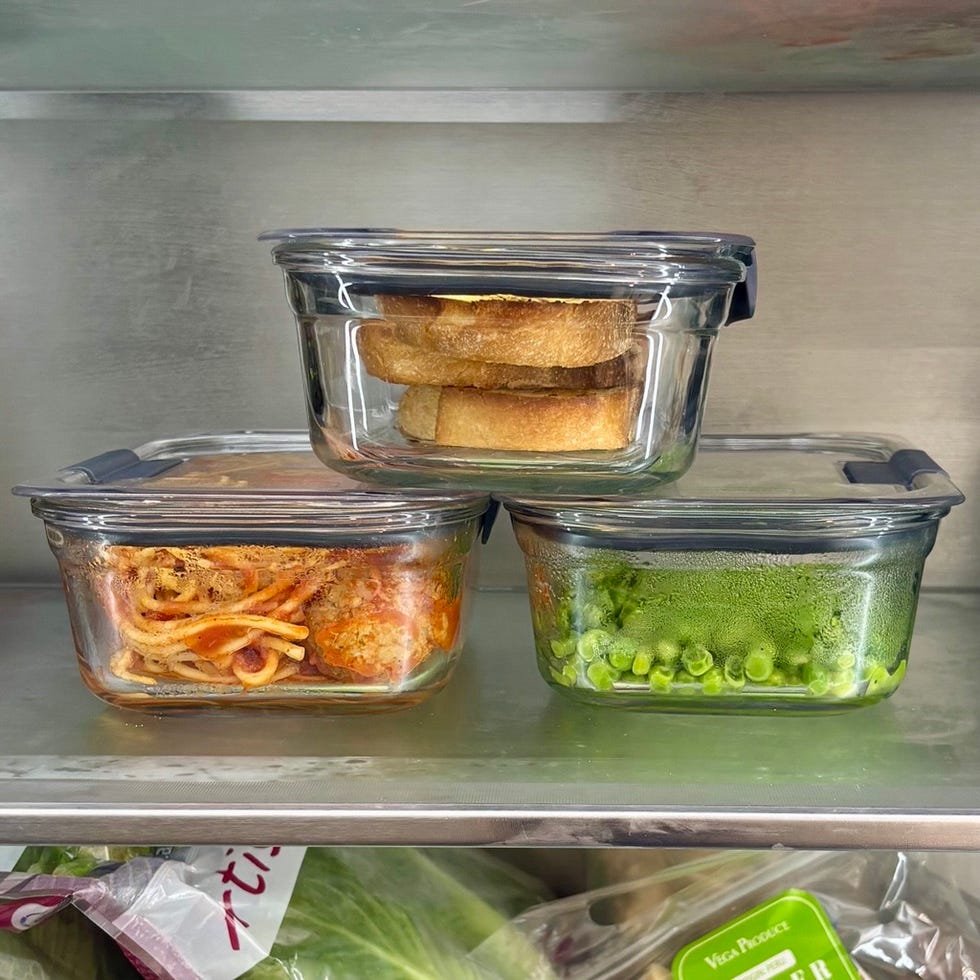
Have you ever opened your fridge, hoping to enjoy last night’s meal, only to find your leftovers spoiled or messy? Storing leftovers the right way can save you money, reduce waste, and keep your food fresh longer.
But how do you choose the best containers and pack your food to stay tasty and safe? You’ll discover simple, smart tips for storing leftovers in containers that make your life easier and your meals more enjoyable. Keep reading—you’ll never look at leftover storage the same way again!

Credit: www.yahoo.com
Choosing The Right Containers
Storing leftovers properly keeps food fresh and safe. The right container helps keep flavors and textures. You need to pick containers that fit your needs.
Consider the material, size, shape, and lids. These factors affect how well your food stays good and how easy it is to store.
Material Matters
Containers come in different materials. Each has pros and cons for storing leftovers. Choose based on what you store and how you use the containers.
- Glass:Safe for microwaves and ovens. Does not absorb odors or stains.
- Plastic:Lightweight and affordable. Look for BPA-free options for safety.
- Stainless Steel:Durable and eco-friendly. Not microwave-safe but good for cold storage.
- Silicone:Flexible and space-saving. Good for freezer and microwave use.
Size And Shape Considerations
Pick container sizes that match your leftover amounts. Avoid too large containers for small food portions. The shape also matters for storage space.
| Shape | Storage Benefit |
| Square or rectangular | Fits better in fridge and fridge drawers |
| Round | Good for soups and liquids |
| Stackable | Saves space and keeps fridge organized |
| Flat | Easy to store in freezer and fridge shelves |
Lid And Seal Types
Lids keep food fresh and prevent spills. Check the type of seal before buying containers. A good seal keeps air and moisture out.
- Snap-on lids:Easy to open and close. May not be fully airtight.
- Screw-on lids:Provide a tight seal. Great for liquids and long storage.
- Silicone seals:Found in some glass containers. Help keep food fresh longer.
- Vacuum seals:Remove air to extend freshness. Often used with special containers.

Credit: www.delish.com
Preparation Before Storing
Storing leftovers properly keeps food safe and tasty. Preparing food before storing helps it last longer.
Good preparation also prevents waste and saves time when reheating meals.
Cooling Down Properly
Cool leftovers quickly before putting them in containers. Warm food can create moisture and spoil faster.
Leave food out for a short time but do not keep it at room temperature too long.
- Use shallow containers to spread food evenly.
- Divide large portions into smaller parts for faster cooling.
- Place containers in a cool spot away from direct heat.
Portioning For Convenience
Divide leftovers into smaller portions before storing. This makes it easier to reheat only what you need.
Proper portioning helps reduce waste and saves fridge space.
- Use containers that match portion sizes.
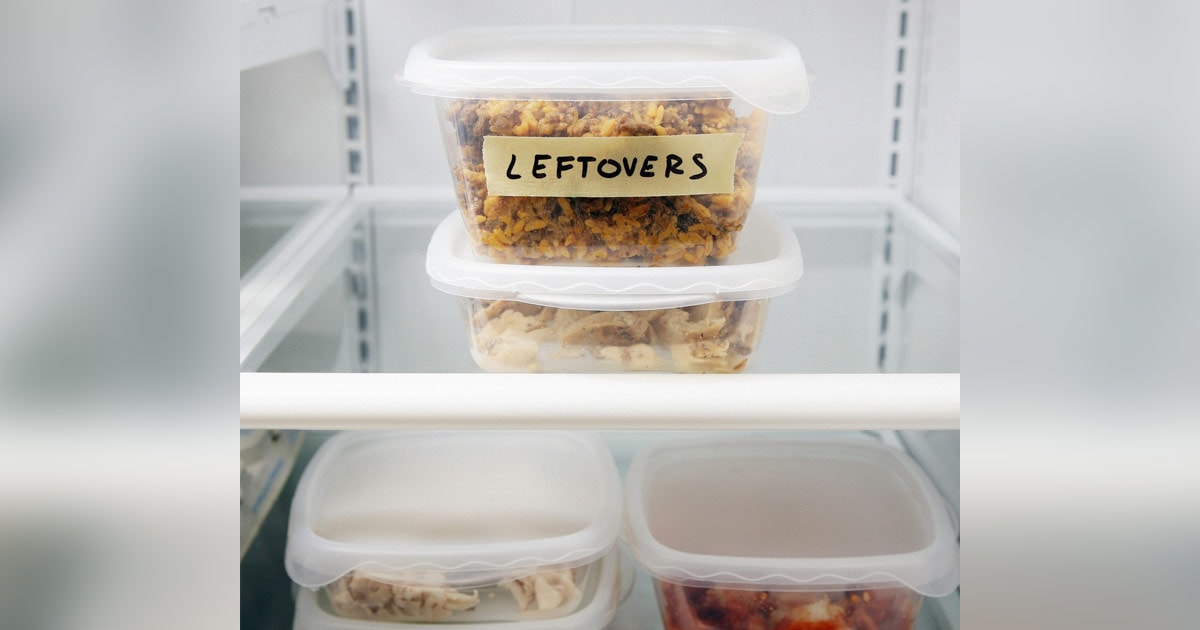
- Label containers with date and contents.
- Stack containers neatly to save room.
Storing Techniques
Storing leftovers properly keeps food fresh and safe to eat. Using the right containers and methods helps reduce waste.
Good storing techniques also save space in your fridge and make food last longer. Let’s look at some helpful tips.
Maximizing Space In The Fridge
Use containers that fit well and stack easily. Clear containers help you see what is inside without opening them.
Label each container with the date to keep track of freshness. Arrange containers by size and shape to save room.
- Choose square or rectangular containers for better stacking
- Use small containers for small portions
- Stack containers with lids tightly closed
- Keep heavier containers on lower shelves
Layering For Longevity
Place foods that spoil quickly on top. Foods with longer shelf life should go at the bottom.
Cover leftovers properly to avoid air exposure. This helps slow down bacteria growth and keeps food fresh.
- Layer cooked meats and seafood on top
- Put cooked vegetables and grains in the middle
- Store sauces and liquids at the bottom
- Seal containers tightly with lids or wrap
Labeling And Dating
Storing leftovers safely is easier with clear labels and dates on containers. This helps you know what’s inside and when it was stored.
Proper labeling and dating prevent food waste and keep your meals fresh and safe to eat.
Importance Of Clear Labels
Labels tell you what food is in the container at a quick glance. They avoid confusion and stop you from opening multiple containers.
- Write the food name clearly on the label.
- Use waterproof markers or printed labels.
- Place labels on the lid or side where visible.
- Keep labels simple and easy to read.
Using Dates To Track Freshness
Dates help you eat leftovers before they spoil. Mark the date when you store the food to track its freshness.
| Type of Food | Safe Storage Time |
| Cooked Meat | 3 to 4 days |
| Cooked Vegetables | 3 to 5 days |
| Soups and Stews | 3 to 4 days |
| Cooked Pasta and Rice | 3 to 5 days |
Temperature Guidelines
Storing leftovers safely needs the right temperature. Keeping food at proper cold levels stops bacteria growth.
Follow these tips to make your leftovers last longer and stay safe to eat.
Ideal Fridge Temperatures
Your fridge should be cold enough to keep food fresh. Set the temperature between 34°F and 40°F (1°C to 4°C).
Temperatures above 40°F can let bacteria grow fast. Check your fridge thermometer often to make sure it stays cold.
- Keep the fridge door closed to keep cold air in
- Place leftovers in airtight containers to keep moisture and cold
- Do not overcrowd the fridge to allow air to circulate
Avoiding Freezer Burn
Freezer burn happens when food dries out from air exposure. It changes the taste and texture of leftovers.
Store leftovers in freezer-safe containers or bags. Remove as much air as possible before sealing.
- Use thick plastic containers or freezer bags
- Squeeze out air before sealing bags
- Label and date your leftovers to use them in time
- Keep your freezer at 0°F (-18°C) or lower
Credit: food.ndtv.com
Reheating Safely
Reheating leftovers is a good way to reduce food waste. It is important to do it safely. Proper reheating kills bacteria and keeps food tasty.
Use the right methods to warm food evenly. Avoid cold spots where bacteria can survive. This guide covers microwave and oven reheating tips.
Microwave Tips
Microwaves heat food quickly but can leave cold areas. Stir food halfway through heating. Cover food to keep moisture in.
- Use microwave-safe containers only.
- Cut food into smaller pieces to heat evenly.
- Stir or rotate food during heating.
- Use a lid or microwave-safe wrap to cover food.
- Check the temperature; it should reach 165°F (74°C).
- Let food sit for a minute after heating for even heat distribution.
Oven Reheating Techniques
Ovens heat food more evenly but take longer. Preheat the oven before placing food inside. Use foil or lids to keep food moist.
| Oven Temperature | Time (minutes) | Tips |
| 325°F (163°C) | 15-25 | Cover food with foil to retain moisture |
| 350°F (177°C) | 10-20 | Use oven-safe containers for best results |
| 400°F (204°C) | 8-15 | Best for crispy foods; watch closely to avoid drying |
Signs Of Spoilage
Storing leftovers properly helps keep food safe. Sometimes leftovers go bad without clear signs.
Knowing how to spot spoilage keeps you from eating unsafe food. Look closely before eating stored meals.
Visual Indicators
Look for changes in color or appearance. Mold or unusual spots usually mean food is spoiled.
If leftovers look slimy or have a frosty layer, this is a bad sign. Discoloration can also show spoilage.
- Mold growth (green, white, or black spots)
- Color changes (brown or gray areas)
- Frosty or icy layers on frozen foods
- Slime or glossy film on the surface
Smell And Texture Changes
Smell your leftovers before eating. A sour or rotten odor means the food is unsafe.
Texture changes like sliminess or mushiness also show spoilage. Fresh food feels firm or normal.
- Sour, rancid, or off smells
- Sticky or slimy texture on meats and vegetables
- Mushy or overly soft texture in cooked foods
- Unusual dryness or hardness in some leftovers
Eco-friendly Storage Options
Storing leftovers in eco-friendly containers helps reduce waste. It also keeps food fresh for longer.
Choosing the right containers can protect the planet and save money.
Reusable Alternatives
Reusable containers cut down on trash. They come in many materials like glass, silicone, and stainless steel.
- Glass jars with airtight lids keep food fresh and safe.
- Silicone bags are flexible and easy to clean.
- Stainless steel containers last a long time and do not stain.
- Beeswax wraps cover bowls and wrap food without plastic.
Reducing Plastic Use
Plastic waste harms the environment. Use less plastic by switching to safer storage options.
| Plastic Alternative | Benefit |
| Glass containers | Non-toxic, reusable, microwave safe |
| Silicone bags | Reusable, easy to clean, freezer safe |
| Beeswax wraps | Natural, biodegradable, breathable |
| Stainless steel | Durable, recyclable, odor-resistant |
Frequently Asked Questions
How To Choose The Best Containers For Leftovers?
Select airtight, BPA-free containers to keep food fresh longer. Glass or high-quality plastic containers are ideal. Avoid containers that easily stain or retain odors. Proper sealing prevents spills and contamination. Size containers to match portion sizes for efficient storage and reheating.
What Is The Ideal Temperature For Storing Leftovers?
Store leftovers in the refrigerator at or below 40°F (4°C). This temperature slows bacterial growth and preserves food quality. Use the freezer for long-term storage at 0°F (-18°C). Always cool leftovers quickly before refrigerating to ensure safety.
How Long Can Leftovers Safely Stay In Containers?
Consume refrigerated leftovers within 3 to 4 days for safety. Frozen leftovers can last 2 to 6 months depending on the food type. Label containers with dates to track freshness. Discard any food with off smells or visible mold.
Can I Reuse Containers For Different Leftover Foods?
Yes, but wash containers thoroughly to avoid cross-contamination. Use separate containers for raw and cooked foods. Avoid reusing containers that are cracked or retain strong odors. Proper cleaning ensures safety and maintains food flavor.
Conclusion
Storing leftovers properly keeps food fresh and safe to eat. Use airtight containers to stop spills and odors. Label each container with the date to avoid confusion. Cool food before storing to prevent bacteria growth. Keep containers organized in the fridge for easy access.
Follow these simple steps to reduce waste and save money. Enjoy your meals without worry. Simple habits make a big difference. Keep your kitchen tidy and your food fresh.