
Are you worried about how to keep your cooked food fresh and safe? Storing your meals the right way isn’t just about preventing waste—it’s about protecting your health.
Imagine opening your fridge and knowing every bite you take is free from harmful bacteria and tastes just as good as when you cooked it. You’ll discover simple, practical tips that anyone can follow to store cooked food hygienically. Keep reading to make sure your leftovers stay safe and delicious every time.
Keep Food Cool Quickly
Storing cooked food safely is important to prevent foodborne illnesses. Cooling food quickly helps reduce the risk of bacteria growth.
Here are some simple tips to ensure your cooked food stays fresh and safe to eat.
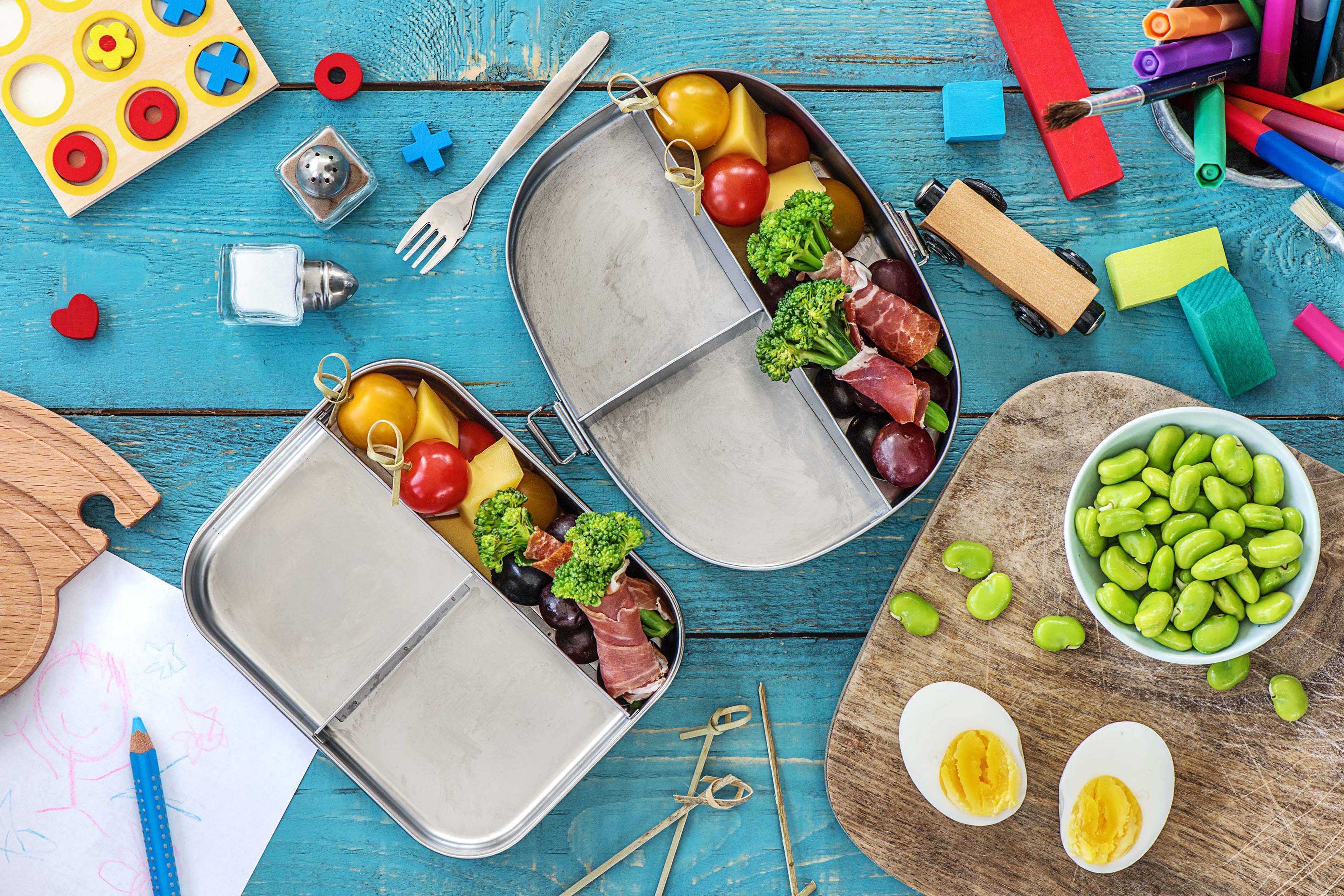
Use Shallow Containers
Shallow containers help food cool faster by spreading it out. This reduces the time food spends in the danger zone for bacteria.
Choose containers that are less than two inches deep. This allows heat to escape more quickly.
- Glass containers are great for storing and reheating.
- Plastic containers are lightweight and easy to stack.
- Label containers with dates to track freshness.
Divide Large Portions
Dividing large portions into smaller ones helps them cool faster. This prevents the inner parts from staying warm too long.
Use several smaller containers instead of one big one. This ensures even cooling.
- Cut big roasts or casseroles into smaller pieces.
- Store soups in multiple containers.
- Place containers in different areas of the fridge.
Avoid Room Temperature Storage
Leaving food at room temperature can be unsafe. Bacteria multiply quickly in warm environments.
Transfer food to the fridge within two hours of cooking. This helps keep it safe for later consumption.
- Use a timer to remind you to store food.
- Keep your fridge at or below 40°F (4°C).
- Reheat food to 165°F (74°C) before eating.
Credit: www.chefsplate.com
Choose The Right Containers
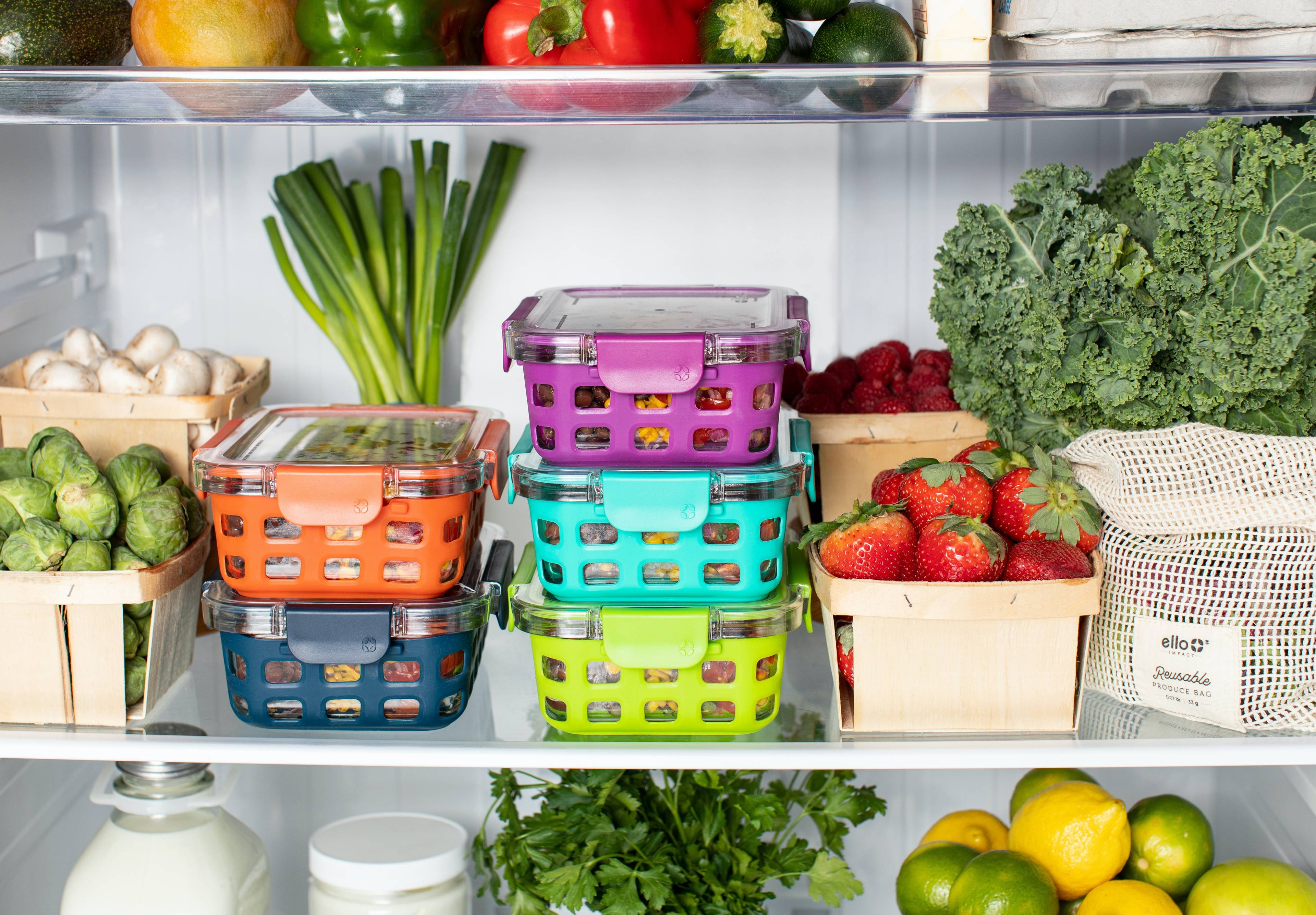
Storing cooked food properly keeps it fresh and safe to eat. Choosing the right containers helps keep germs out.
Good containers stop spills and keep food from drying out. They also help keep your fridge organized.
Opt For Airtight Lids
Airtight lids stop air from entering the container. This slows down food spoilage and keeps flavors fresh.
Choose containers with lids that seal tightly. Avoid containers with loose or cracked lids.
- Prevents leaks and spills
- Keeps food moist and tasty
- Reduces exposure to bacteria
Select Bpa-free Materials
BPA is a chemical found in some plastics. It can be harmful if it leaks into food.
Look for containers labeled BPA-free. Glass and stainless steel are safe options too.
- Protects your health
- Prevents chemical taste in food
- Safe for reheating food
Label And Date Containers
Label containers with the food name and date stored. This helps you track freshness easily.
Use a permanent marker or label stickers. Throw away food that is too old to eat safely.
- Prevents eating spoiled food
- Keeps your fridge organized
- Helps plan meals better
Maintain Proper Refrigeration
Storing cooked food safely stops germs from growing. Keeping food cold slows bacteria growth.
Use your refrigerator the right way to keep food fresh and safe to eat.
Set Correct Temperature
Keep your fridge temperature at or below 40°F (4°C). This stops harmful bacteria from growing.
Use a fridge thermometer to check the temperature often. Adjust settings if needed to stay safe.
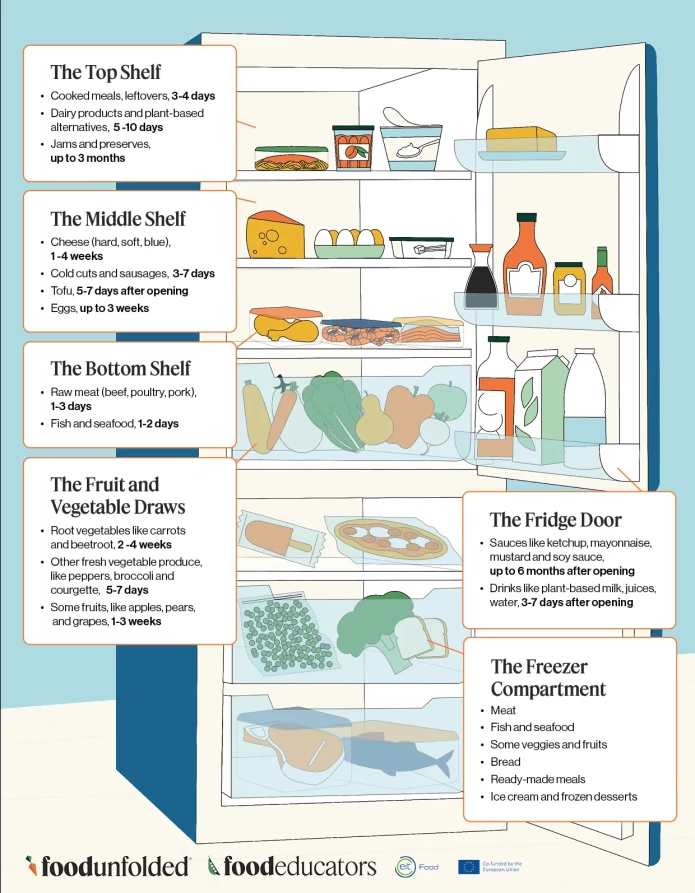
Organize Food By Type
Keep cooked food separate from raw food. This stops germs from spreading between foods.
Store cooked meats, vegetables, and dairy in different containers or shelves to avoid contamination.
- Cooked meats on the top shelves
- Vegetables in separate drawers
- Raw meat on bottom shelves
Avoid Overpacking
Do not fill the fridge too full. Air must flow to keep food cold everywhere inside.
Leave space between items. This helps maintain an even temperature and keeps food fresh longer.
Reheat Safely
Reheating cooked food safely is important to avoid food poisoning. Proper reheating kills harmful bacteria that may have grown.
Follow simple tips to keep your food safe and tasty when you warm it up again.
Heat To Proper Temperature
Always heat food until it is steaming hot all the way through. The inside should reach at least 165°F (74°C).
Use a food thermometer to check the temperature. This ensures bacteria are killed properly.
- Stir food during heating to avoid cold spots
- Heat leftovers evenly on the stove or in the microwave
- Check temperature in the thickest part of the food
Avoid Reheating Multiple Times
Reheating food many times increases the risk of bacteria growth. Only reheat the portion you plan to eat.
Keep the rest of the food in the fridge or freezer until needed. This keeps it safer and fresher.
- Divide large portions into smaller containers before storing
- Reheat only once for best safety and taste
- Throw away leftovers that have been reheated twice
Use Microwave Covers
Cover food with a microwave-safe lid or wrap when reheating. This helps heat the food evenly.
Covering also prevents food from drying out and stops splatters in the microwave.
- Use vented microwave covers to allow steam to escape
- Avoid tight plastic wrap that can melt or trap steam
- Stir food and re-cover for even heating
Practice Cleanliness
Keeping cooked food safe means staying clean. Dirt and germs can cause sickness.
Good cleanliness habits help keep food fresh and safe to eat.
Wash Hands Thoroughly
Always wash your hands before handling cooked food. Use soap and warm water.
Scrub your hands for at least 20 seconds. Clean between fingers and under nails.
- Wet hands with clean water
- Apply soap and lather well
- Scrub all hand areas for 20 seconds
- Rinse thoroughly under running water
- Dry hands with a clean towel
Sanitize Surfaces And Utensils
Clean all surfaces before storing cooked food. Use hot, soapy water first.
Sanitize cutting boards, knives, and containers to kill germs.
- Wash with soap and water
- Use a kitchen sanitizer or diluted bleach solution
- Rinse items with clean water
- Let surfaces air dry or use a clean cloth
Store Cooked And Raw Foods Separately
Keep cooked food away from raw food to avoid germs spreading. Use separate containers.
Store cooked food on higher shelves in the fridge. Raw food should be below.
- Use sealed containers for cooked food
- Label containers to avoid confusion
- Keep raw meats in leak-proof packaging
- Clean fridge regularly to prevent contamination
Credit: www.chefsplate.com
Monitor Food Shelf Life
Storing cooked food safely helps prevent illness. Knowing how long food lasts is very important.
Check your food regularly to keep it fresh and safe to eat.
Know Safe Storage Durations
Cooked food should be eaten within a certain time. This time depends on the type of food.
Use these common safe storage times as a guide for your cooked foods.
- Cooked meat and poultry: 3 to 4 days in the fridge
- Cooked fish and seafood: 1 to 2 days in the fridge
- Cooked pasta and rice: 3 to 5 days in the fridge
- Soups and stews: 3 to 4 days in the fridge
Check For Signs Of Spoilage
Look at, smell, and touch your cooked food before eating. Spoiled food looks or smells bad.
Throw away food if it has mold, strange colors, or a sour smell.
- Discoloration or slimy texture
- Unpleasant or sour odor
- Presence of mold spots
Discard When In Doubt
If you are unsure about food safety, it is best to throw it away. Eating spoiled food can cause illness.
Do not taste food to check if it is bad. Use your senses and knowledge instead.
Credit: www.canr.msu.edu
Frequently Asked Questions
How Long Can Cooked Food Be Stored Safely?
Cooked food can be stored safely for 3 to 4 days in the refrigerator. Always use airtight containers to maintain freshness and prevent contamination. For longer storage, freeze cooked food within two hours of cooking to preserve quality and safety.
What Is The Best Container For Storing Cooked Food?
Use airtight, food-grade containers made of glass or BPA-free plastic. These containers prevent moisture loss and contamination. Avoid metal containers as they can react with food and alter taste. Proper containers help maintain hygiene and extend shelf life.
Should Cooked Food Be Cooled Before Refrigeration?
Yes, cooked food should be cooled to room temperature before refrigerating. Hot food can raise fridge temperature, promoting bacterial growth. Cool food within two hours to ensure safety and maintain quality. Use shallow containers for faster cooling.
Can I Reheat Cooked Food Multiple Times?
It is best to reheat cooked food only once. Reheating multiple times increases the risk of bacterial growth and food poisoning. Always reheat food until it reaches an internal temperature of 165°F (74°C) for safety.
Conclusion
Storing cooked food safely protects your health and taste. Cool food quickly before placing it in the fridge. Use clean containers with tight lids to keep food fresh. Label each container with the date to avoid eating old food. Reheat food thoroughly before eating to kill bacteria.
Regularly clean your fridge to stop germs from spreading. Following these simple steps helps prevent food poisoning. Safe food storage keeps your meals tasty and healthy. Small efforts make a big difference in kitchen safety. Keep these tips in mind for better food hygiene.