
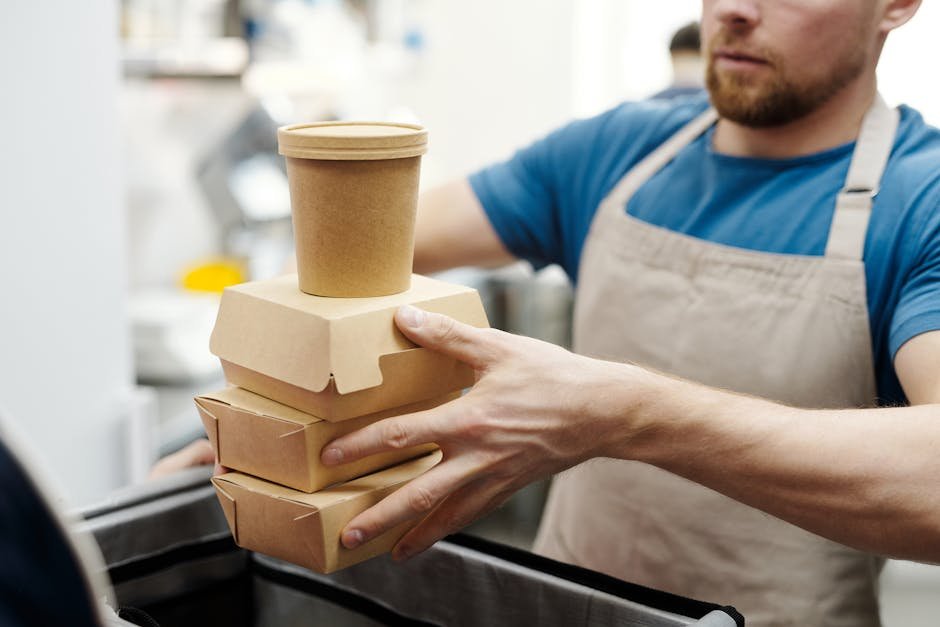
Are you tired of cluttered kitchen shelves and drawers that make cooking feel like a chore? Imagine opening your pantry to find every container neatly stacked, easy to reach, and saving you valuable time.
Stacking kitchen containers the right way can transform your space, making your daily routine smoother and more enjoyable. You’ll discover simple, effective tips that help you organize your containers like a pro. Ready to reclaim your kitchen and enjoy the peace that comes with perfect order?
Keep reading to unlock the secrets to smart stacking!
Choosing The Right Containers
Organizing your kitchen starts with picking the right containers. Good containers save space and keep food fresh. They make your kitchen neat and easy to use.
Focus on material, size, shape, and stackable features. These help you find containers that fit your needs and kitchen space.
Material Matters
Choose containers made of safe, durable materials. Glass containers last long and do not absorb odors. Plastic containers are light and less breakable but check if they are BPA-free.
- Glass: sturdy, odor-resistant, microwave-safe
- Plastic: lightweight, affordable, check for BPA-free label
- Stainless steel: strong, non-toxic, good for dry goods
- Silicone: flexible, space-saving, good for lids and seals
Size And Shape Options
Pick sizes and shapes that fit your kitchen shelves and drawers. Use smaller containers for spices and larger ones for bulk items. Square and rectangular shapes use space better than round ones.
| Container Shape | Best Use | Space Efficiency |
|---|---|---|
| Square | Dry goods, leftovers | High |
| Rectangular | Pantry storage, meal prep | High |
| Round | Snacks, fruits | Low |
Stackable Features
Stackable containers save space and keep your kitchen tidy. Look for lids that lock containers together. Containers with grooves or lips fit well on top of each other.
- Choose containers with flat, sturdy lids
- Use containers with matching sizes for a stable stack
- Label containers to find items quickly
- Avoid mixing shapes to prevent tipping
Organizing By Usage
Stacking kitchen containers helps save space and keeps your kitchen tidy. Organizing by usage makes it easy to find what you need quickly.
Think about how often you use each container and group them to fit your cooking habits. This method cuts down on time spent searching.
Grouping Similar Items
Keep containers with similar purposes together. For example, store all baking containers in one spot and lunch boxes in another.
This helps you find the right container fast and makes stacking easier because items match in size and shape.
- Group containers by food type or use
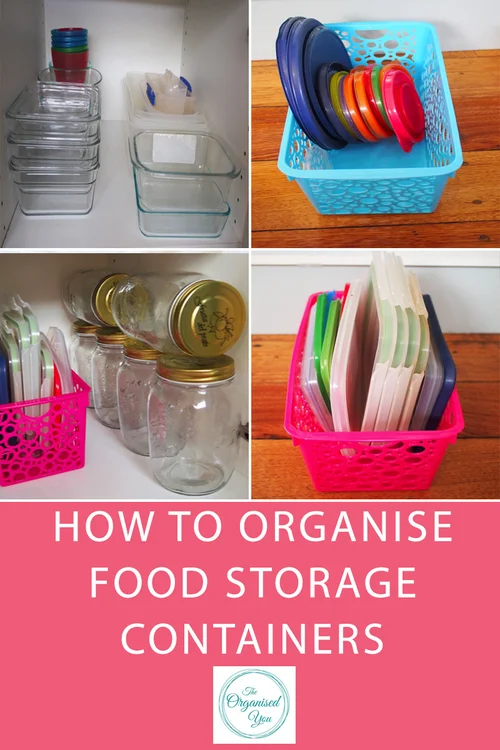
- Keep lids with their matching containers
- Use bins or baskets to hold similar items together
Labeling For Easy Access
Label containers or shelves to show what is inside. Clear labels save time and reduce frustration while cooking.
Use simple words or pictures for labels. This helps everyone in the family find containers without asking.
- Write content and size on each label
- Use waterproof markers or printed labels
- Place labels where they are easy to read
Prioritizing Frequently Used Containers
Keep your most used containers in the easiest spots to reach. This saves time when cooking or packing meals.
Stack less used containers higher or in the back. This keeps your daily items ready and easy to grab.
- Place daily-use containers at eye level
- Store special-use containers in harder to reach spots
- Use clear containers to see contents quickly
Stacking Techniques
Stacking kitchen containers correctly saves space and keeps your kitchen tidy. Good stacking helps you find items fast and prevents accidents.
Use smart techniques to organize containers by size and shape. This will make your kitchen look neat and work better.
Stable Base Layer
Start stacking with a strong and stable base. Use the largest and heaviest containers at the bottom. This keeps the stack from falling.
Place containers flat and close together. Avoid gaps to stop tipping or sliding. A stable base protects your containers and kitchen shelves.
- Use wide containers for the bottom layer
- Keep heavy containers low
- Place lids tightly to avoid slipping
- Stack on flat, even surfaces
Nesting Small Containers
Put small containers inside each other to save space. Nesting reduces clutter and makes it easy to grab the right size.
Make sure containers are dry before nesting. Keep lids separate or stack them by size near the containers.
- Clean and dry containers before nesting
- Stack lids separately by size
- Group small containers together
- Use nesting to reduce container clutter
Maximizing Vertical Space
Stack containers carefully to use the full height of your shelves. This frees up shelf space for other items.
Place lighter containers on top to keep stacks safe. Use shelf risers or organizers to add extra levels if needed.
- Stack containers by height for stability
- Use shelf risers to add layers
- Place lightweight containers on top
- Keep frequently used containers easy to reach

Credit: cocolapinedesign.com
Maintaining Accessibility
Stacking kitchen containers saves space and keeps your kitchen organized. You need to keep containers easy to reach and use.
Good accessibility helps you find items quickly. It also prevents spills and frustration during cooking.
Clear Containers For Visibility
Use clear containers to see what is inside without opening them. This saves time and keeps food fresh longer.
Clear containers help you spot when supplies are low. You avoid buying duplicates and reduce waste.
Rotating Stock Regularly
Move older containers to the front. Use them before newer ones to keep food fresh and safe.
Check your containers weekly. This helps you keep track of expiration dates and avoid spoiled food.
- Place new containers at the back
- Bring older containers forward
- Check contents before stacking
- Discard expired items promptly
Using Lazy Susans Or Pull-out Trays
Lazy Susans let you spin containers to reach items at the back easily. Pull-out trays slide out for full access.
These tools reduce the need to move many containers. They keep your kitchen neat and save time.
- Place heavy containers on pull-out trays
- Use Lazy Susans for small jars and spices
- Keep frequently used items within easy reach
Preventing Damage And Spills
Stacking kitchen containers saves space and keeps things organized. It also risks spills and damage if done carelessly.
Using smart stacking tips helps keep containers safe and your kitchen tidy.
Secure Lids And Seals
Always check that lids fit tightly before stacking containers. Loose lids can cause spills and leaks.
Use containers with good seals to stop liquids from escaping and keep food fresh.
- Press lids down firmly until you hear a click
- Replace damaged or warped lids
- Choose containers with silicone or rubber seals
Avoiding Overstacking
Do not stack containers too high. Heavy stacks can crush the ones at the bottom and cause spills.
Keep the heaviest containers at the bottom and lighter ones on top for better balance.
- Limit stacks to three or four containers
- Use sturdy containers for stacking
- Place fragile containers separately
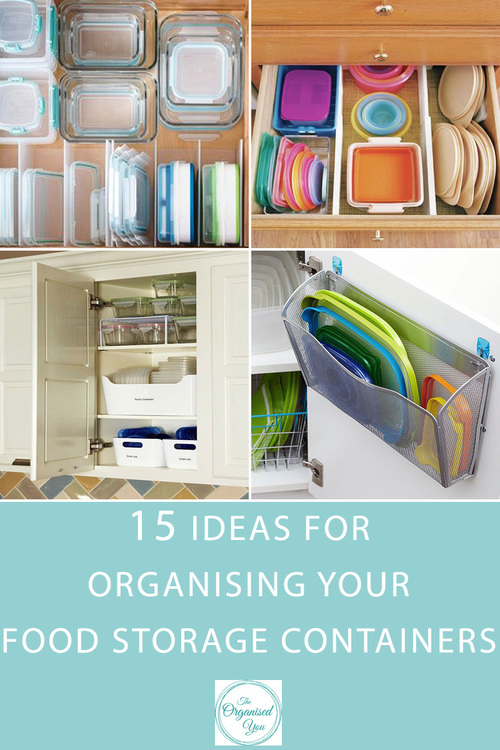
Cleaning And Drying Containers
Always clean containers before stacking. Food residue can cause odors and stains.
Dry containers fully to avoid mold and slipping when stacked.
- Wash containers and lids with warm, soapy water
- Air dry upside down on a rack
- Wipe seals and edges to remove moisture
Credit: www.theorganisedyou.com
Creative Storage Solutions
Stacking kitchen containers can save space and keep your kitchen tidy. Creative ideas help you use every inch well.
Smart storage choices make cooking easier. Here are tips to organize containers neatly and access them fast.
Utilizing Cabinet Doors
Cabinet doors offer extra space for storing small containers. Use hooks or racks on the inside of doors.
This keeps containers off shelves and easy to grab. It also frees up shelf space for larger items.
- Install slim racks on door interiors
- Use adhesive hooks to hang lids
- Store frequently used containers at eye level
Incorporating Drawer Organizers
Drawer organizers divide space inside drawers. They keep containers and lids separate and neat.
Organizers stop containers from shifting when you open drawers. This saves time and reduces clutter.
- Choose adjustable dividers for different container sizes
- Label sections for easy sorting
- Place lids vertically for better visibility
Using Magnetic Or Wall-mounted Racks
Magnetic or wall racks use vertical space well. They hold metal or plastic containers safely off counters.
These racks keep containers visible and easy to reach. They also add style to your kitchen walls.
- Mount magnetic strips for metal container lids
- Use wall hooks for hanging containers with handles
- Install tiered racks to hold multiple containers
Credit: www.theorganisedyou.com
Frequently Asked Questions
How To Choose The Best Kitchen Containers For Stacking?
Select containers with uniform shapes and sizes for easy stacking. Opt for airtight lids to keep food fresh and prevent spills. Clear containers help identify contents quickly. Durable materials like glass or BPA-free plastic are ideal for long-term use and safety.
What Are Effective Ways To Maximize Kitchen Container Space?
Use stackable containers with nesting lids to save space. Group similar items together for easy access. Store containers vertically when possible. Label each container to avoid confusion. Regularly declutter and discard expired food to maintain organized storage.
Can Stacking Containers Affect Food Freshness?
Properly sealed containers maintain food freshness by preventing air exposure. Stack containers gently to avoid lid damage that could compromise seals. Use airtight lids and store perishable items promptly in the refrigerator. Avoid overstacking to maintain container integrity and food quality.
How To Safely Stack Kitchen Containers Without Damage?
Place heavier containers at the bottom and lighter ones on top. Align lids properly to avoid crushing. Use containers with reinforced edges for stability. Avoid stacking beyond a safe height to prevent tipping. Store fragile containers separately to reduce breakage risk.
Conclusion
Organizing kitchen containers saves time and space. Neat stacks make cooking easier. Labeling helps find items quickly. Transparent containers show contents at a glance. Use stackable designs for more room. Always ensure lids are secure. Keep frequently used items accessible.
Store heavy items on lower shelves. Light items can go higher. Regularly declutter and reassess your setup. This maintains efficiency and tidiness. With these tips, your kitchen becomes more functional and inviting. Enjoy a smoother cooking experience every day.