
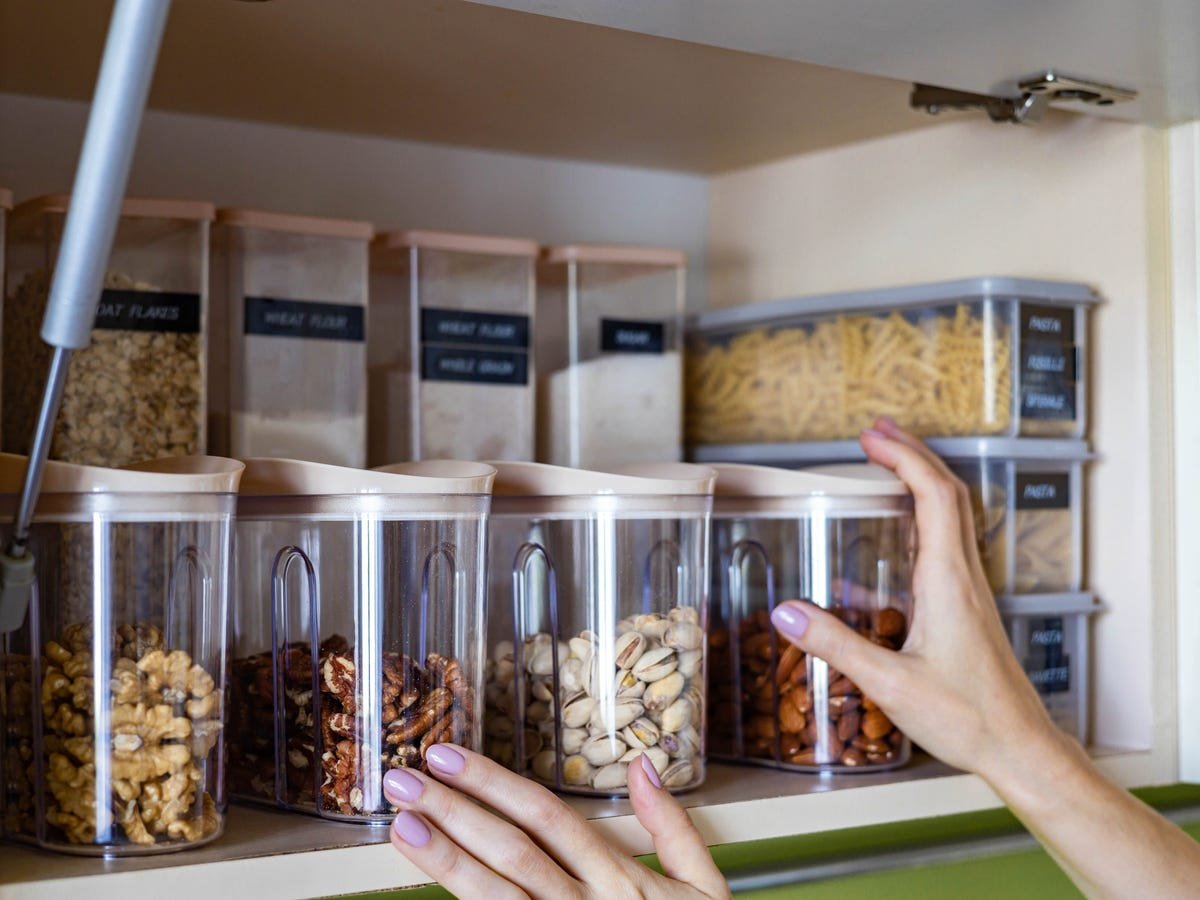
Are your kitchen shelves cluttered with jars and cans that seem impossible to organize? You’re not alone.
Finding the best way to stack these items can save you space, reduce mess, and make your pantry easier to navigate. Imagine opening your cupboard and instantly spotting what you need without digging through piles. You’ll discover simple, practical tips that transform your storage game.
Ready to make your kitchen more efficient and stress-free? Let’s dive in and unlock the secrets to stacking jars and cans like a pro.
Choosing The Right Containers
Stacking jars and cans saves space and keeps your pantry neat. Picking the right containers makes stacking easier and safer.
Choosing containers that fit well together helps avoid spills and breakage. It also makes it simple to find what you need.
Benefits Of Uniform Sizes
Containers with the same size stack better. They fit closely and keep your shelves tidy.
Using uniform sizes helps you use all space without gaps. This lowers the risk of containers falling.
- Maximizes shelf space
- Improves stability of stacks
- Makes organizing easier
- Speeds up finding items
Materials That Stack Well
Some materials are better for stacking jars and cans. Glass jars can be heavy and break if not stacked carefully.
Plastic and metal containers often stack more safely. They are lighter and less likely to break if dropped.
- Plastic containers are light and durable
- Metal cans are sturdy and stable
- Glass jars need careful stacking and padding
- Choose containers with flat lids for better stacking

Credit: ca.style.yahoo.com
Preparing Jars And Cans
Stacking jars and cans saves space and keeps your pantry organized. Proper preparation helps jars and cans fit safely and neatly.
Cleaning and drying jars and cans removes dirt and moisture. Removing labels improves grip and prevents slipping.
Cleaning And Drying
Wash jars and cans with warm, soapy water. This removes dust, food residue, and sticky spots.
Dry jars and cans completely before stacking. Moisture can cause slipping and damage surfaces.
- Use a clean cloth or paper towel to dry.
- Air dry jars upside down to drain water.
- Check for any remaining wet spots before stacking.
Removing Labels For Better Grip
Labels can make jars and cans slippery when stacked. Removing them gives a better surface to hold on to.
Soak jars and cans in warm water to loosen labels. Rub off the paper and glue with your fingers or a sponge.
- Use oil or adhesive remover for tough glue.
- Make sure the surface is clean and dry after label removal.
- Keep jars and cans label-free for safer stacking.
Stacking Techniques
Stacking jars and cans saves space and keeps your pantry neat. Using smart methods helps avoid spills and breaks. Learning the right ways makes storage safer and easier to reach.
Good stacking stops items from falling and keeps them steady. This guide shares simple tips to help you stack jars and cans efficiently.
Layering For Stability
Place heavier jars and cans at the bottom layer. Lighter ones go on top to keep the stack balanced. Use flat surfaces and align items closely to avoid gaps.
- Group similar sizes together
- Keep jars upright to prevent leaks
- Use shelf liners for grip
- Check that each layer is stable before adding more
Using Lids And Racks
Use lids to cover jars and cans before stacking. This adds extra support and keeps items clean. Racks help separate layers and stop them from slipping.
| Tool | Use | Benefit |
| Plastic lids | Cover jars and cans | Prevents spills and adds stability |
| Wire racks | Place between layers | Keeps stacks from sliding |
| Non-slip mats | Place under bottom layer | Stops base from moving |
Avoiding Overstacking
Do not stack too high. Overstacking can cause jars and cans to fall. Keep stacks low enough to reach safely. Stop if you feel the stack is wobbly or unstable.
- Limit stack height to 3-4 layers
- Check stack stability after adding each layer
- Store frequently used items at the top
- Keep heavy items on the bottom only

Credit: www.amazon.ca
Organizing By Category
Stacking jars and cans can be easier when you organize them by category. This helps you find items fast. It also keeps your space neat and tidy.
Sorting items by type or use makes your kitchen more efficient. You save time when you know exactly where each item is stored.
Grouping Similar Items
Put jars and cans that belong to the same category together. For example, group all vegetables, fruits, or sauces in one place.
This way, you can stack them neatly and avoid mixing different types. It also helps you see what you have and what you need.
- Group canned vegetables together
- Keep all fruit jars in one section
- Place sauces and condiments nearby
- Separate baking ingredients into another group
Labeling For Easy Access
Label jars and cans clearly so you can find them fast. Use simple labels with the item name and date if possible.
Labels help you keep track of what is inside each container. This reduces the chance of using old or expired items by mistake.
- Use waterproof labels for durability
- Write clearly with a marker or printed labels
- Place labels at the front of stacks
- Update labels when you add new items
Utilizing Vertical Space
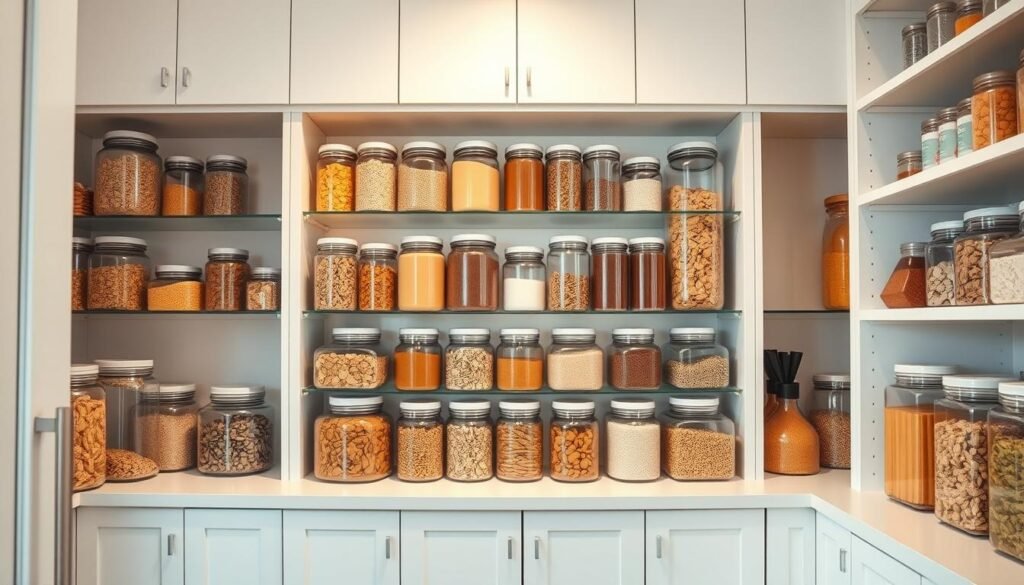
Stacking jars and cans properly saves space in your kitchen. Using the height of cabinets helps keep things neat.
Organizing items vertically makes it easier to find what you need. It also keeps your shelves tidy and accessible.
Installing Shelves And Risers
Adding extra shelves or risers creates more levels for your jars and cans. This way, you can stack items without crushing those below.
- Use adjustable shelves to fit different jar heights.
- Place risers under cans to see labels clearly.
- Install tiered racks to avoid stacking jars directly on top of each other.
- Choose sturdy materials to hold the weight safely.
Maximizing Cabinet Height
Make full use of your cabinet’s height by stacking vertically. Use stackable containers or storage bins to keep small jars organized.
| Tip | Benefit |
| Stack cans with lids facing up | Prevents spills and makes opening easier |
| Use clear containers for small jars | Quickly identify contents |
| Keep heavy items on lower shelves | Reduces risk of falling and injury |
| Label shelves by item type | Improves organization and access speed |
Credit: 1lttlestep.com
Safety Tips
Stacking jars and cans can save space in your kitchen. It is important to do it safely to avoid accidents.
Follow these safety tips to keep your stacks stable and easy to handle.
Preventing Tipping And Falling
Make sure jars and cans are dry before stacking. Wet surfaces cause slipping and falling.
- Place heavier jars and cans at the bottom.
- Stack items of the same size together for balance.
- Do not stack too high to keep the center of gravity low.
- Use shelf liners to add grip under the stacks.
- Check that shelves are level and secure before stacking.
Handling Heavy Stacks
Heavy stacks need careful handling to prevent injuries and spills.
| Tip | Why It Helps |
| Lift with your legs, not your back. | Protects your back from strain. |
| Use both hands to carry stacks. | Improves balance and control. |
| Ask for help with very heavy or tall stacks. | Reduces risk of dropping items. |
| Move slowly and watch your path. | Prevents tripping or bumping into objects. |
Maintenance And Reorganization
Keeping jars and cans stacked safely helps avoid accidents. Regular maintenance keeps your storage neat and accessible.
Reorganizing your jars and cans saves space and makes it easier to find items. This guide shares tips on checking stability and rotating stock.
Regularly Checking Stability
Check your stacks often to prevent falls. Look for any leaning or shifting jars and cans. Fix unstable stacks right away to keep everything safe.
- Ensure heavy jars are at the bottom
- Use shelves or dividers for extra support
- Avoid stacking too high to keep balance
- Replace damaged lids to prevent spills
- Clean shelves regularly to avoid slips
Rotating Stock Efficiently
Use the oldest jars and cans first to reduce waste. Keep new items behind older ones to maintain a good flow. Label items with dates for easy tracking.
| Rotation Tip | How to Do It |
| First In, First Out | Place new jars behind older stock |
| Label Dates | Write purchase or expiry date on each jar |
| Group Similar Items | Keep same type together for easy access |
| Regular Review | Check stock monthly for expired or unused items |
Frequently Asked Questions
How Can I Stack Jars Safely To Avoid Breakage?
Stack jars by placing heavier ones at the bottom. Use shelf liners for grip and avoid stacking too high to prevent tipping.
What’s The Best Way To Organize Cans Efficiently?
Group cans by size and type. Use tiered racks or turntables to maximize space and allow easy access.
Can I Stack Different Sized Jars Together?
Yes, but stack smaller jars on larger, stable bases. Avoid uneven stacking to maintain balance and prevent accidents.
How Do I Maximize Pantry Space With Jars And Cans?
Use vertical stacking and shelf organizers. Label jars and rotate older items to keep your pantry neat and accessible.
Conclusion
Organizing jars and cans efficiently saves space and time. Keep similar items together for easy access. Use sturdy shelves to avoid accidents. Label everything clearly for quick identification. Make sure heavier items are at the bottom. This prevents stacks from falling.
Regularly check expiration dates to avoid spoilage. Rotating stock ensures freshness and safety. Planning your layout can simplify your kitchen tasks. Remember, a tidy pantry means stress-free cooking. Happy organizing!