

Are you struggling to make the most of your storage space? Stacking containers might seem simple, but doing it efficiently can save you time, prevent damage, and keep your area neat.
Imagine opening your storage and instantly finding exactly what you need without any hassle. You’ll discover practical tips that help you stack containers smartly, so your space feels larger and more organized. Keep reading to unlock easy strategies that will transform how you store your items.
Choosing The Right Containers
Stacking containers efficiently saves space and keeps items safe. Selecting the correct containers is essential for success.
Consider factors like material, durability, size, and shape. These elements help in organizing and storing items effectively.
Material And Durability
Container material is crucial for strength and longevity. Durable materials prevent damage and ensure safety.
Plastic, metal, and wood are common choices. Each has its own benefits depending on the storage needs.
- Plastic containers are lightweight and water-resistant
- Metal containers offer high strength and security
- Wooden containers provide a natural and sturdy option
Size And Shape Compatibility
Choosing the right size and shape ensures efficient stacking. Containers should fit together without leaving gaps.
Look for containers that stack neatly to save space. Consider the items you need to store when selecting size and shape.
- Square containers maximize space usage
- Rectangular containers are versatile and stable
- Nesting containers save space when not in use
Preparing Containers For Stacking
Stacking containers correctly keeps them safe and stable. Proper preparation helps avoid damage and accidents.
Before stacking, check each container carefully. Follow simple steps to get ready for safe stacking.
Cleaning And Inspection
Clean containers inside and out to remove dirt and debris. Dirty containers can cause damage or instability.
Inspect containers for cracks, rust, or dents. Damaged containers should not be stacked to prevent accidents.
- Remove all dirt, grease, and residue
- Check doors and seals for damage
- Look for signs of rust or corrosion
- Ensure containers are dry inside
Weight Distribution
Place heavier containers at the bottom of the stack. This keeps the stack stable and lowers the risk of tipping.
Distribute weight evenly inside each container. Uneven weight can cause containers to lean or fall during stacking.
- Stack heavier containers first
- Balance weight inside containers evenly
- Use corner fittings to lock containers securely
- Avoid stacking containers with unstable loads
Stacking Techniques
Stacking containers correctly saves space and keeps things safe. It helps prevent damage and makes work easier.
Using the right techniques can improve stability and organization. This guide explains two key ways to stack containers well.
Layering Strategies
Layering means placing containers in even rows. You put one layer down, then add another on top.
Each layer should be aligned carefully. This keeps the stack balanced and stops containers from tipping.
- Place heavier containers at the bottom
- Keep layers flat and even
- Use the same size containers per layer
- Avoid gaps between containers
Interlocking Methods
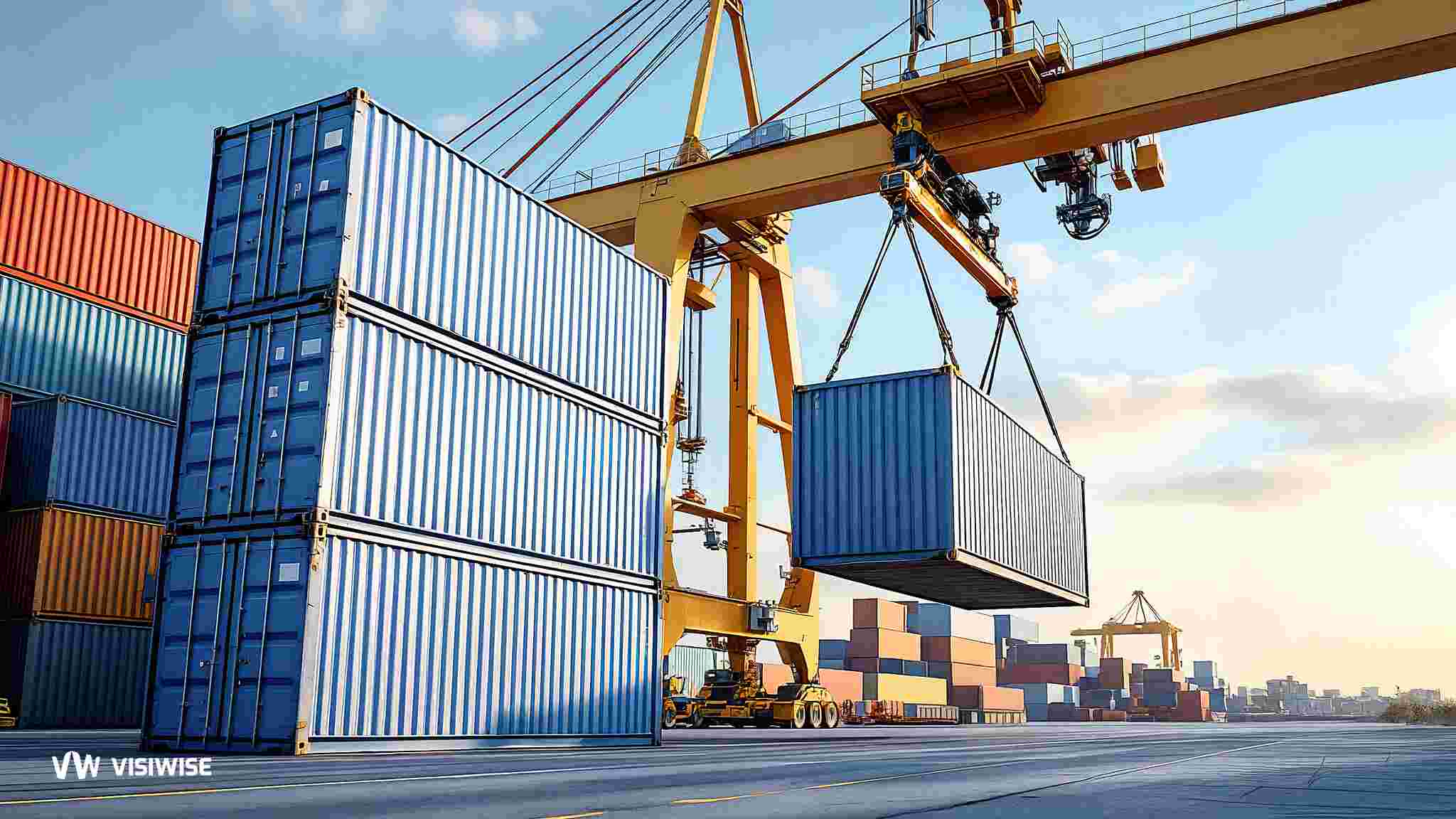
Interlocking means fitting containers so they lock together. This makes the stack stronger and less likely to fall.
Use containers with grooves or lips that fit into each other. This stops sliding and moves the load evenly.
- Place containers with matching edges
- Alternate directions in each layer
- Use containers designed for stacking
- Check for tight fits between containers
Credit: www.visiwise.co
Maximizing Vertical Space
Stacking containers efficiently helps you save space in small areas. Using vertical space lets you store more without clutter.
Organizing containers upward reduces floor use. This keeps your area neat and easy to access.
Using Racks And Shelves
Racks and shelves make good use of vertical space. They hold containers securely and keep them visible.
Choose strong shelves that fit your container sizes. Adjustable racks help you change shelf heights easily.
- Use metal or wooden racks for stability
- Place heavier containers on lower shelves
- Label shelves for quick finding
- Keep shelves clear for easy cleaning
Adjusting Stack Heights Safely
Keep stack heights safe to avoid tipping or damage. Stacks should be stable and easy to reach.
Check container weight and strength before stacking high. Use lighter containers on top and heavier ones below.
- Do not stack containers too high
- Keep heavy containers at bottom
- Make sure stacks do not block exits
- Use safety straps if needed
Safety Precautions
Stacking containers safely is important to avoid accidents. Proper safety steps protect people and goods.
Follow clear rules to keep stacks steady and prevent damage. Safety helps create a secure workspace.
Load Limits And Stability
Know the weight limit for each container before stacking. Do not exceed these limits to keep stacks safe.
Place heavier containers at the bottom to improve stability. Lighter ones should go on top to avoid tipping.
- Check container labels for maximum load capacity
- Stack containers evenly to balance weight
- Do not stack containers higher than recommended
- Use level ground to place containers
Securing Stacks Against Movement
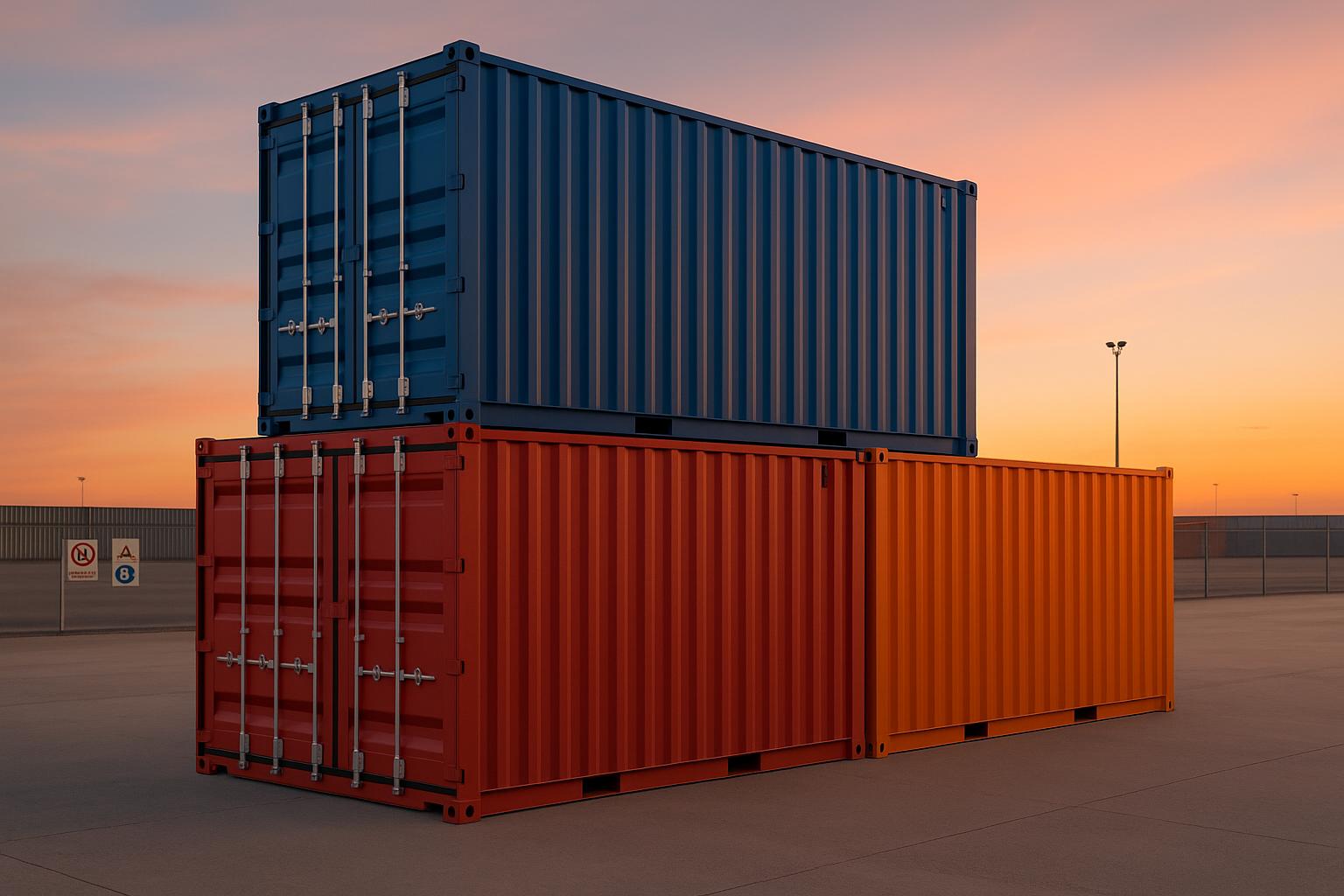
Secure stacked containers to stop them from shifting or falling. Use proper tools and techniques for safety.
Use locking devices or straps to hold stacks firmly in place. Check these regularly for wear or loosening.
- Apply twist locks or stacking cones between containers
- Tighten straps or chains around the stack
- Inspect securing devices before and after stacking
- Do not rely only on friction; use mechanical fasteners
Credit: www.quickfitcontaineraccessories.co.uk
Maintenance And Monitoring
Stacking containers correctly keeps your space safe and organized. Regular maintenance helps avoid accidents and saves time.
Monitoring your stacked containers lets you fix problems early. This keeps your storage efficient and prevents damage.
Regular Checks For Damage
Check containers often for cracks, dents, or rust. Damaged containers can cause stacks to fall or items to break.
Look at the corners and edges closely. These spots often show wear first and need quick repair or replacement.
- Inspect containers weekly or after heavy use
- Mark damaged containers for repair or removal
- Keep a record of container conditions for tracking
Reorganizing For Efficiency
Move containers to keep the heaviest at the bottom. This keeps stacks stable and safe.
Group containers by size and weight. This makes stacking easier and saves space.
- Place frequently used containers near the front
- Use labels to identify container contents quickly
- Rearrange stacks if access becomes difficult

Credit: www.youtube.com
Frequently Asked Questions
How Can I Stack Containers To Save Space?
Stack containers by size, placing larger ones at the bottom. Use uniform shapes to maximize vertical space and avoid gaps. Label containers for quick identification and easy access. This method keeps your space organized and efficient.
What Materials Work Best For Stacking Containers?
Sturdy materials like plastic, metal, and wood work best for stacking. They support weight without warping or breaking. Clear plastic containers also allow easy visibility, reducing the need to unstack frequently. Choose materials based on your storage needs.
How Do I Prevent Containers From Tipping Over?
Ensure containers are balanced and stacked evenly. Avoid overloading top containers with heavy items. Use interlocking or nesting containers to increase stability. Place heavier containers at the bottom and lighter ones on top for safety.
Can Stacking Containers Improve Organization?
Yes, stacking containers improves organization by maximizing vertical space. It groups similar items together and reduces clutter. Labeling and categorizing containers further enhance efficiency and accessibility in any storage area.
Conclusion
Stacking containers efficiently saves space and prevents damage. Keep containers clean and dry before stacking. Use sturdy bases and place heavier items at the bottom. Align containers properly to maintain balance. Regular checks help spot issues early. Following these simple tips makes storage safer and easier.
Small efforts lead to big improvements in organization. Try these ideas to keep your space neat and safe. Efficient stacking helps you work faster and smarter.