
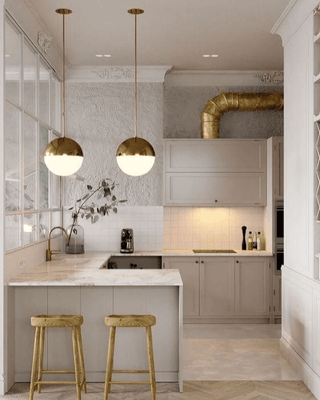
Is your small kitchen feeling dim and cramped? Good lighting can change everything—making your space look bigger, brighter, and more inviting.
But finding the right lighting solutions for a small kitchen can be tricky. You want lights that not only brighten the room but also add style and save space. You’ll discover simple, effective tips to transform your kitchen’s lighting. By the end, you’ll have ideas that are easy to apply and perfect for your unique space.
Ready to see your kitchen in a whole new light? Keep reading!

Credit: www.koolrenovations.com
Maximizing Natural Light
Natural light makes small kitchens feel larger and more open. Using sunlight well reduces the need for artificial lighting.
There are many ways to bring more natural light into your kitchen. Careful planning helps brighten every corner.
Use Light Colors On Walls And Cabinets
Light colors reflect sunlight, making the room brighter. Whites, creams, and pastels work best on walls and cabinets.
Keep Windows Uncovered Or Use Sheer Curtains
Clear windows let in the most light. If privacy is needed, choose sheer curtains that allow sunshine to pass through.
Add Mirrors To Reflect Light
Mirrors bounce natural light around the kitchen. Place a mirror opposite or near a window for best effect.
- Choose a mirror with a simple frame
- Mount it at eye level for good reflection
- Use multiple small mirrors if space is tight
Keep Window Areas Clear
Do not block sunlight by placing furniture or appliances in front of windows. Keep windows clean to let in maximum light.
Use Glass Or Open Shelving
Glass-front cabinets and open shelves let light pass through. They stop dark shadows and keep the kitchen bright.
| Type | Effect on Light |
| Solid Cabinets | Block light, create shadows |
| Glass Cabinets | Allow light through, feel airy |
| Open Shelving | Does not block light, adds openness |

Credit: www.thecoolist.com
Choosing The Right Light Fixtures
Lighting is key in small kitchens. The right fixtures make the space feel larger and brighter.
Choosing the right light fixtures improves both function and style in your kitchen.
Pendant Lights
Pendant lights hang from the ceiling and add a focused light source. They work well over islands or dining areas.
- Pick small or medium pendants to avoid crowding the space.
- Use clear or light-colored shades to keep the room bright.
- Adjust the height so the lights do not block sight lines.
Under-cabinet Lighting
Under-cabinet lights brighten countertops and reduce shadows. They are great for task lighting.
| Type | Advantages | Best Use |
| LED Strip Lights | Energy efficient, long-lasting | Even light along counters |
| Puck Lights | Focused spots, easy to install | Highlight specific areas |
| Fluorescent Bars | Bright, budget-friendly | General task lighting |
Recessed Lighting
Recessed lights sit in the ceiling and provide a clean look. They spread light evenly across the room.
Tips for using recessed lighting:
- Space fixtures evenly to avoid dark spots.
- Use dimmable bulbs to adjust brightness.
- Combine with other lights for layered effect.
Utilizing Led Bulbs
Small kitchens need smart lighting to save space and energy. LED bulbs offer a great way to light up compact areas efficiently.
LED lights use less power and last longer than traditional bulbs. They help create a bright, welcoming kitchen without extra heat.
Energy Efficiency
LED bulbs consume much less electricity than regular bulbs. This saves money on energy bills and reduces environmental impact.
- Use LED bulbs with low wattage but high brightness
- Install dimmable LED lights to control brightness
- Choose LED strips for under-cabinet lighting to reduce shadows
- Replace old bulbs with LEDs to cut down energy use
Color Temperature Options
LED bulbs come in different color temperatures. Picking the right one affects the kitchen’s mood and visibility.
| Color Temperature | Effect | Best Use |
| 2700K (Warm White) | Soft, cozy light | Relaxing kitchen areas |
| 4000K (Neutral White) | Clear, natural light | General kitchen lighting |
| 5000K (Cool White) | Bright, energetic light | Task lighting for cooking |
Layered Lighting Approach
Good lighting makes a small kitchen feel bright and spacious. Using layers of light creates balance and function.
This approach mixes different types of lighting to cover all needs in the kitchen.
Ambient Lighting
Ambient lighting provides general light for the whole kitchen. It helps you see clearly everywhere.
- Use ceiling fixtures like flush mounts or recessed lights.
- Choose soft white bulbs for a warm feel.
- Install dimmers to adjust brightness.
- Consider LED strips under cabinets to spread light evenly.
Task Lighting
Task lighting focuses on work areas. It helps you prepare food safely and easily.
| Location | Lighting Type | Benefit |
| Over the sink | Adjustable spotlight | Bright light for washing dishes |
| Countertops | Under-cabinet LED strips | Clear view for chopping and mixing |
| Stove | Range hood light | Good visibility while cooking |
Accent Lighting
Accent lighting adds style and highlights features. It creates a cozy and inviting space.
Try these accent lighting ideas:
- Small LED puck lights inside glass cabinets
- Strip lights above open shelves
- Warm-colored bulbs to highlight artwork or plants
Creative Lighting Solutions
Small kitchens need smart lighting to feel bright and open. Using creative lights can save space and add style.
Choosing the right lights makes cooking and cleaning easier. It also makes your kitchen look more inviting.
Backlit Shelving
Backlit shelving uses lights behind shelves to create a soft glow. This adds light without taking up counter space.
This type of lighting highlights your dishes and decor. It also makes the kitchen feel larger by adding depth.
- Use LED strips for even light
- Choose warm white for a cozy feel
- Install dimmers to control brightness
- Highlight open shelves for style and light
Toe-kick Lighting
Toe-kick lighting places lights under cabinets near the floor. It gives soft light that helps you see at night.
This lighting makes your kitchen look modern. It also adds safety by lighting the floor area clearly.
- Use LED strips or puck lights
- Install motion sensors for automatic lighting
- Pick cool white for clear floor visibility
- Hide wires for a clean look

Credit: pepperandvetiver.com
Enhancing Space With Mirrors
Small kitchens often feel cramped and dark. Using mirrors can make the space look bigger and brighter.
Mirrors reflect light and create an illusion of depth. This helps open up tight kitchen areas.
Place Mirrors Near Light Sources
Put mirrors close to windows or light fixtures. They bounce light around the room.
This makes the kitchen feel airy and well-lit even with limited light.
Use Mirrored Backsplashes
Mirrored backsplashes add shine and reflect kitchen details. They make walls appear farther away.
This option works well behind the stove or sink area for style and function.
Choose Large, Framed Mirrors
Big mirrors with frames add character and expand the view. They serve as focal points.
Hang them on empty walls to give the room a spacious feel.
Integrate Mirrors Into Cabinet Doors
Mirrored cabinet doors reflect light and the kitchen’s layout. This doubles the space visually.
It also adds a modern touch without extra clutter.
Keep Mirrors Clean And Simple
Dirty or busy mirrors reduce brightness. Use plain glass and wipe mirrors often.
Simple mirrors keep the look fresh and open.
Smart Lighting Technology
Smart lighting technology helps improve small kitchen spaces. It offers control and energy efficiency.
You can customize the light to fit your needs and mood. This technology adds convenience and style.
Voice-controlled Systems
Voice-controlled lighting lets you operate lights hands-free. This is helpful when cooking or cleaning.
- Turn lights on or off by speaking
- Adjust brightness with simple voice commands
- Set timers or schedules without touching switches
- Integrate with smart home assistants for easy control
Adjustable Light Settings
Adjustable light settings let you change color and brightness. You can create the perfect kitchen atmosphere.
| Setting | Benefit |
| Brightness | Use bright light for cooking, soft light for dining |
| Color Temperature | Cool light improves focus, warm light feels cozy |
| Preset Scenes | Save favorite settings for quick use |
Color And Lighting Interaction
Lighting changes how colors look in a small kitchen. The right color choice helps light spread well.
Choosing colors that work with light makes your kitchen feel bigger and brighter.
Light Reflective Colors
Light reflective colors bounce light around the room. They make a small kitchen feel open and airy.
White, cream, and pale shades reflect the most light. They brighten dark corners and reduce shadows.
- Use white or light gray on walls and ceilings
- Choose glossy or satin paint finishes for better reflection
- Light-colored cabinets help spread light evenly
Contrasting Shades
Contrasting colors add depth and interest to your kitchen. Dark colors near light sources create balance.
Use darker shades on lower cabinets or trim. This contrast helps define space and highlights lighting effects.
- Pair light walls with dark cabinets or furniture
- Add a dark backsplash behind the sink or stove
- Use bright lighting to highlight contrast areas
Frequently Asked Questions
What Are The Best Lighting Types For Small Kitchens?
LED under-cabinet lights and recessed ceiling lights work best. They save space and provide bright, focused illumination. These options enhance visibility and create a spacious feel without cluttering small kitchen areas.
How Can I Maximize Natural Light In A Small Kitchen?
Use sheer curtains or blinds to allow maximum sunlight. Keep windows clean and avoid heavy drapes. Light-colored walls and reflective surfaces help bounce natural light, making the kitchen feel larger and brighter.
Which Lighting Colors Suit Small Kitchen Spaces?
Warm white (2700K-3000K) lighting creates a cozy and inviting atmosphere. Cool white (3500K-4100K) enhances visibility and cleanliness. Choose based on your kitchen style and preferred ambiance for balanced, comfortable lighting.
How Do Layered Lighting Improve Small Kitchen Functionality?
Layered lighting combines ambient, task, and accent lights. This approach provides overall illumination, focused work light, and highlights design features. It improves functionality and makes the kitchen more versatile and visually appealing.
Conclusion
Small kitchen lighting can make a big difference in your space. Choose lights that brighten dark corners and save room. Use a mix of task and ambient lighting for balance. Simple fixtures can create a warm and inviting feel. Good lighting helps you work better and enjoy your kitchen more.
Try these tips to make your small kitchen shine bright and feel larger. Lighting does not have to be expensive or complex to work well. Keep it simple, bright, and cozy.