
Struggling to make the most of your small kitchen? You’re not alone.
A cramped kitchen can feel frustrating, but with the right layout, it can become your favorite spot to cook and gather. Imagine moving around freely, finding everything within reach, and enjoying a space that works perfectly for you. You’ll discover simple yet powerful tips to transform your small kitchen layout.
Keep reading, and unlock the secrets to a kitchen that feels bigger, smarter, and truly yours.
Assessing Your Kitchen Needs
Planning a small kitchen layout starts with knowing what you really need. This helps you use space well and avoid clutter.
Think about your daily kitchen tasks and what tools you use most. This will guide your design choices.
Identifying Essential Appliances
Choose appliances that fit your cooking style and save space. Avoid items you rarely use to keep the kitchen tidy.
- Pick a fridge that fits your food storage needs
- Choose a stove size that suits your meal prep
- Consider a microwave if you reheat food often
- Use compact appliances to save counter space
- Think about built-in appliances to reduce clutter
Understanding Your Cooking Habits
Look at how often and what types of meals you cook. This helps decide your workspace and storage needs.
If you cook simple meals, you may need less counter space. If you bake or cook often, plan for more room.
- Note how many people you cook for daily
- Think about how much time you spend in the kitchen
- Identify if you need space for multiple cooks
- Plan storage based on your ingredient variety
- Consider if you need space for special cooking tools
Optimizing Storage Solutions
Small kitchens need smart storage ideas to keep things tidy. Using space well helps you find items fast. Good storage makes cooking easier and your kitchen look neat.
We will look at ways to save space and store more by using walls, shelves, and furniture. These tips fit in small kitchens and help you stay organized.
Utilizing Vertical Space
Make use of walls by adding shelves or racks. Store pots, pans, and utensils up high. This frees up counters and cabinets below.
- Install tall cabinets reaching the ceiling
- Use hooks to hang mugs and tools
- Add magnetic strips for knives and metal items
- Place baskets on high shelves for extra storage
Incorporating Pull-out Shelves
Pull-out shelves make deep cabinets easier to use. You can see and reach items at the back without moving things around.
| Pull-Out Shelf Type | Best Use |
| Wire baskets | Storing vegetables and fruits |
| Full extension shelves | Large pots and pans |
| Spice racks | Keeping spices organized |
Choosing Multi-functional Furniture
Pick furniture that serves more than one purpose. Use pieces that offer extra storage or can be folded away.
- Use an island with built-in shelves or drawers
- Choose foldable tables that save space when not in use
- Pick stools with storage inside
- Select wall-mounted drop-leaf tables for extra counter space
Smart Layout Design
Designing a small kitchen requires careful planning to use space well. Smart layout design helps make cooking easier and more fun.
Good layouts save time and reduce steps while working. A well-planned kitchen feels open and comfortable even if it is small.
Implementing The Work Triangle
The work triangle links the sink, stove, and refrigerator. This layout cuts down walking and keeps tasks close.
Keep the triangle sides between 4 and 9 feet. Avoid placing obstacles in these paths to keep the flow smooth.
Maximizing Counter Space
Counter space is key in small kitchens. Use every inch wisely to prep, cook, and serve meals.
- Install fold-down or pull-out counters for extra space.
- Use wall-mounted shelves to free up counters.
- Keep small appliances stored away when not in use.
- Choose a sink with a cover to add work surface.
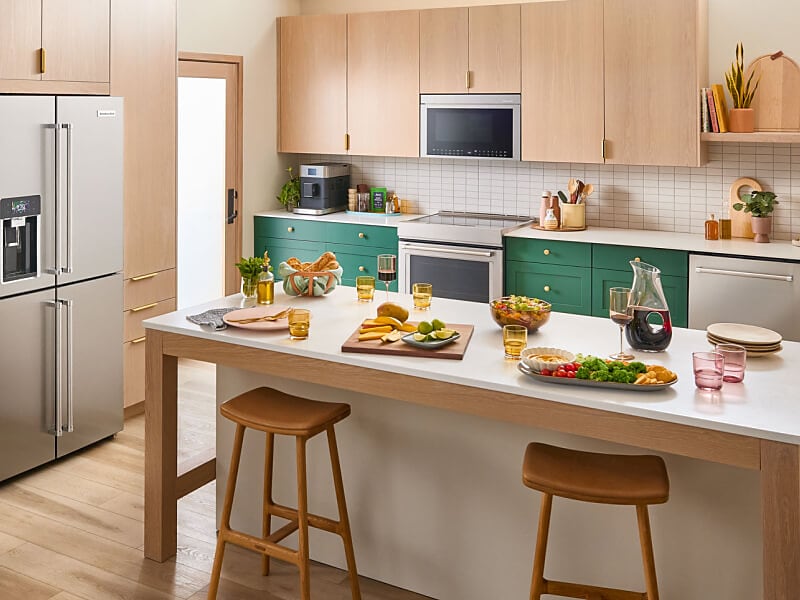
Designing Efficient Walkways
Walkways should be wide enough for easy movement. Avoid clutter and keep paths clear for safety.
| Walkway Type | Recommended Width |
| Main Aisle | 36 inches (3 feet) |
| Between Cabinets | 42 inches (3.5 feet) |
| Between Counter and Island | 48 inches (4 feet) |
Credit: www.kitchenaid.com
Creative Use Of Lighting
Lighting changes how your small kitchen looks and feels. Good lighting makes the space bright and open.
Use different lights to add style and improve how you work in the kitchen.
Enhancing Natural Light
Natural light makes your kitchen look bigger and fresh. Keep windows clear and use light curtains to let sunlight in.
- Use sheer or light-colored curtains
- Keep windows clean for more light
- Place mirrors to reflect sunlight
- Choose light wall colors to brighten space
Choosing Under-cabinet Lighting
Under-cabinet lights brighten countertops and make cooking easier. They reduce shadows and add warmth.
| Type | Features | Best Use |
| LED Strip Lights | Energy efficient, long-lasting | Continuous light under cabinets |
| Puck Lights | Small, focused light spots | Highlight small areas or corners |
| Fluorescent Lights | Bright but less energy efficient | Budget-friendly option |
Incorporating Pendant And Task Lighting
Pendant lights add style and focus light on islands or tables. Task lighting helps with detailed kitchen work.
- Hang pendants above kitchen islands
- Use adjustable task lights near cooking areas
- Choose lights with warm color tones
- Match fixture style with kitchen design
Color And Texture Choices
Small kitchens need smart design choices to feel larger and welcoming. Colors and textures can change how you see the space.
Picking the right colors and adding texture can make your kitchen look open and full of life.
Selecting Light Colors For Openness
Light colors make small kitchens seem bigger. White, cream, and soft pastels reflect light and open up the room.
Use light colors on walls, cabinets, and floors. This creates a clean and fresh look that feels spacious.
- White brightens and opens space
- Soft blues and greens add calmness
- Light gray gives a modern touch
Incorporating Reflective Surfaces
Reflective surfaces bounce light around the kitchen. This helps make the area feel bigger and airier.
Use shiny tiles, glass backsplashes, or stainless steel appliances to add reflection. Mirrors also work well in kitchens.
- Glossy cabinets reflect light
- Glass tiles add shine and color
- Mirrors create depth and openness
Adding Texture For Depth
Texture adds interest and depth to small kitchens. It stops the space from feeling flat or boring.
Try textured backsplashes, wooden shelves, or woven baskets to create layers in your kitchen design.
- Subtle textures add warmth
- Wood surfaces bring natural feel
- Textured tiles create visual interest
Incorporating Technology
Technology helps save space and time in small kitchens. It makes cooking easier and more fun.
Using smart devices and digital tools improves kitchen layout and function. These tools fit well in small spaces.
Smart Appliances For Small Spaces
Smart appliances use less space and work faster. They offer many features in one device.
Look for appliances that combine functions. These save room and reduce clutter.
- Compact smart ovens with multiple cooking modes
- Multi-use coffee makers with timers
- Space-saving dishwashers with sensor controls
- Smart refrigerators with adjustable storage
- Voice-controlled kitchen assistants for hands-free help
Digital Planning Tools For Layout
Digital tools help you design the best kitchen layout. They show how appliances and furniture fit together.
Use apps and software to plan space and storage. These tools make it easy to try ideas before you build.
- Room planners with drag-and-drop features
- 3D visualization apps to see your kitchen from all sides
- Measurement tools to check space accuracy
- Inventory trackers to manage kitchen tools and supplies
Personalizing Your Space
Small kitchens need smart ideas to feel cozy and unique. Personalizing your space helps you enjoy cooking more.
Simple changes can make your kitchen reflect your style and taste. Use decorations and colors that make you happy.
Adding Decorative Elements
Decorations add charm and personality to your kitchen. Choose items that show what you like and who you are.
Small touches like plants, art, or unique containers make a big difference. They add life without cluttering the space.
- Use colorful pots or jars for utensils
- Hang small art pieces or photos on walls
- Add a small plant or herb garden
- Display your favorite dishware on open shelves
- Choose decorative light fixtures
Creating A Cohesive Style
Pick a style that fits your taste and keep it consistent. Matching colors and materials create a neat look.
Use the same color tones for walls, cabinets, and decorations. This makes the kitchen feel larger and more organized.
- Choose a color palette of two or three colors
- Match cabinet hardware with light fixtures
- Use similar patterns for curtains and rugs
- Select furniture that fits your style
- Keep surfaces clear to highlight your design

Credit: www.designcafe.com
Credit: www.kitchenaid.com
Frequently Asked Questions
What Is The Best Layout For A Small Kitchen?
The best layout for a small kitchen maximizes space and functionality. Popular options include L-shaped, galley, and U-shaped layouts. These designs optimize workflow and storage, making cooking easier in limited areas.
How Can I Maximize Storage In A Small Kitchen?
Use vertical storage like wall-mounted shelves and tall cabinets. Incorporate pull-out drawers and organizers to utilize every inch. Declutter regularly and choose multi-functional furniture to keep your small kitchen tidy and efficient.
Which Colors Work Best For Small Kitchen Layouts?
Light colors such as white, soft pastels, and neutrals make small kitchens appear larger. They reflect more light, creating an open and airy feel. Avoid dark colors that can make the space look cramped and smaller.
How To Improve Lighting In Small Kitchen Spaces?
Use a mix of natural and artificial light to brighten the kitchen. Install under-cabinet lighting and pendant lights to eliminate shadows. Bright spaces feel larger and more welcoming, enhancing the overall kitchen experience.
Conclusion
Small kitchens can feel tight but work well with smart planning. Use every inch wisely to keep things neat and easy to reach. Choose furniture and appliances that fit your space without crowding it. Bright colors and good lighting open up the room.
Keep only what you need to avoid clutter. A thoughtful layout makes cooking and cleaning faster. Little changes add up to big improvements. Enjoy your small kitchen as a cozy, practical place. Simple steps bring comfort and style to your home.