
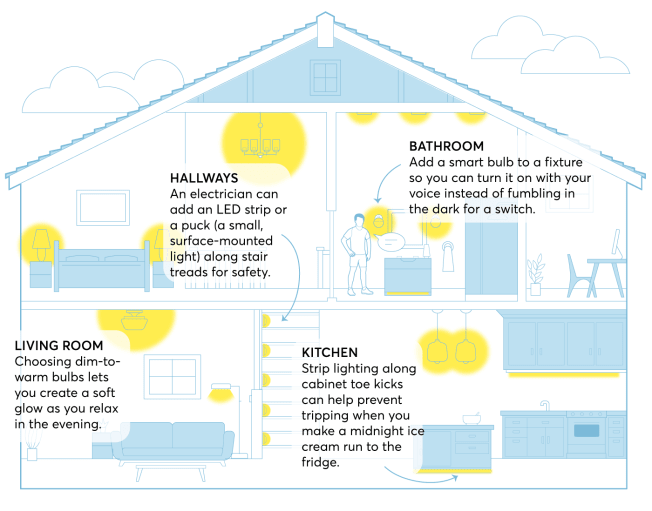
Are you ready to transform your kitchen into a bright, efficient, and stylish space? Choosing the right smart kitchen lighting can make a huge difference in how your kitchen looks and feels.
But with so many options out there, how do you pick the perfect one for your needs? You’ll discover simple tips that help you select smart lighting that not only brightens your kitchen but also matches your lifestyle. Keep reading, and you’ll soon find yourself making smarter lighting choices that make every moment in your kitchen shine.
Understanding Smart Kitchen Lighting
Smart kitchen lighting uses technology to control lights with ease. You can change brightness and color with a phone or voice.
This type of lighting improves kitchen tasks and sets the right mood for cooking or dining.
Types Of Smart Kitchen Lights
There are many smart lights for kitchens. Each offers different styles and functions to fit your needs.
- Smart bulbs that fit in regular sockets
- LED strips for under cabinets or shelves
- Recessed lights controlled by apps
- Smart pendant lights above islands or tables
Control Options For Smart Lighting
You can control smart kitchen lights in many ways. Choose the method that suits your kitchen use.
- Mobile apps for remote control
- Voice commands using smart assistants
- Wall switches with smart features
- Automatic sensors that detect movement
Benefits Of Smart Kitchen Lighting
Smart lighting makes kitchens safer and more convenient. It also saves energy and adds style.
- Adjust light levels for cooking or dining
- Turn lights on or off without moving
- Save energy with timers and sensors
- Create moods with color changes
Consider Your Kitchen Layout
Think about your kitchen’s shape and size before choosing lights. Placement affects how well your kitchen is lit.
- Use bright lights over work areas
- Choose softer lights for dining spots
- Consider layers of light for flexibility
- Plan wiring and outlets for smart devices
Compatibility With Other Devices
Check if smart lights work with your home devices. Compatibility makes control easier and more reliable.
- Match lights with your smart assistant
- Ensure app control works on your phone
- Look for lights that connect to Wi-Fi or Bluetooth
- Choose brands with good customer support
Types Of Smart Lighting
Smart kitchen lighting adds convenience and style to your cooking space. You can control brightness and colors with your phone or voice.
There are different types of smart lights to fit your kitchen needs. Choose one that matches your style and function.
Led Bulbs
LED bulbs are energy-efficient and last a long time. Smart LED bulbs let you change the light color and brightness easily.
You can set schedules or control them remotely. They fit most kitchen fixtures and offer flexible lighting options.
Smart Light Strips
Smart light strips are thin and flexible. You can place them under cabinets or along countertops for extra light.
They often change colors and brightness. Light strips add mood lighting and highlight kitchen areas.
- Easy to install with adhesive backing
- Control with apps or voice assistants
- Customize colors and effects
Smart Pendants
Smart pendant lights hang over kitchen islands or dining areas. They combine style with smart features.
You can adjust brightness and color temperature. Smart pendants give focused light and modern design.
Choosing The Right Color Temperature
Lighting color temperature affects the look and feel of your kitchen. It changes how colors and objects appear.
Choosing the right color temperature helps create a comfortable and functional kitchen space.
Warm Light
Warm light has a yellow or orange tone. It feels cozy and inviting.
This light suits kitchens where you want a relaxed and friendly atmosphere.
- Color temperature ranges from 2700K to 3000K
- Makes wood and warm colors look rich
- Good for dining and social areas
Cool Light
Cool light has a white or blue tone. It feels fresh and clean.
This light is good for task areas where you need clear visibility.
- Color temperature ranges from 3500K to 4100K
- Enhances contrast and detail
- Works well above countertops and sinks
Daylight
Daylight is very bright and has a blue tint. It feels natural and energizing.
This light is best for cooking and food preparation areas.
- Color temperature ranges from 5000K to 6500K
- Shows true colors of food and ingredients
- Good for detailed kitchen work

Credit: www.thenaptimereviewer.com
Importance Of Lumens And Wattage
Smart kitchen lighting changes how you see your cooking space. Choosing the right light is key for comfort and safety.
Lumens and wattage are two important numbers. They tell you how bright and how much energy the light uses.
Understanding Lumens
Lumens measure the brightness of a light. The higher the lumens, the brighter the light will be.
For kitchens, you need enough brightness to see clearly. Too little light can make cooking hard.
- 1500 to 3000 lumens is good for most kitchens
- Use brighter lights for work areas like counters
- Lower lumens work well for dining or mood lighting
Knowing Wattage
Wattage shows how much energy a light uses. Lower wattage means less electricity and lower bills.
LED lights use fewer watts for the same brightness than older bulbs. This saves energy.
- Choose LED bulbs with low wattage and high lumens
- Look for lights under 15 watts for energy saving
- Check wattage before buying to avoid high energy use
Integrating With Smart Home Systems
Smart kitchen lighting can connect with your smart home system. This makes controlling lights easy and convenient.
Choosing lights that work well with your system helps you create a smooth smart home experience.
Compatibility With Voice Assistants
Check if your kitchen lights work with popular voice assistants. These include Alexa, Google Assistant, and Siri.
Voice control lets you turn lights on or off without touching a switch. It also helps you adjust brightness quickly.
- Look for lights labeled as compatible with your voice assistant
- Test voice commands before buying
- Check if multiple lights can be controlled together
App-controlled Lighting
Choose kitchen lights that come with a mobile app. This lets you control lighting from anywhere in your home.
Apps allow you to set schedules, change colors, and adjust brightness easily.
- Check if the app is easy to use
- See if it supports multiple users
- Look for features like timers and scene settings

Credit: www.designcafe.com
Energy Efficiency Considerations
Choosing smart kitchen lighting can save energy and lower bills. It helps reduce waste while keeping your kitchen bright.
Smart lights use technology to work only when needed. They adjust brightness and turn off automatically to save power.
Select Led Smart Bulbs
LED bulbs use less energy than traditional bulbs. They last longer and produce less heat, making them safer for kitchens.
Smart LED bulbs can change brightness and color. This helps you use only the light you need, saving more energy.
Use Motion Sensors
Motion sensors turn lights on only when someone is in the kitchen. They switch off lights after no movement is detected.
This feature stops lights from staying on by mistake. It reduces energy use and makes your kitchen more efficient.
Choose Dimmable Lighting
Dimmable lights let you adjust brightness to fit your needs. Lower light levels use less electricity and create a cozy mood.
- Bright light for cooking tasks
- Dim light for dining or relaxing
- Control brightness with apps or switches
Set Schedules And Timers
Smart lighting systems allow you to set timers or schedules. Lights turn on and off automatically to match your daily routine.
This prevents wasting energy when lights are left on. You can customize settings for different times of the day.
Look For Energy Star Certified Products
Energy Star certified smart lights meet strict energy-saving rules. They use less power and help reduce your kitchen’s carbon footprint.
Choosing certified products ensures you get efficient and reliable lighting. It is a smart choice for saving energy and money.
Positioning And Layering Light
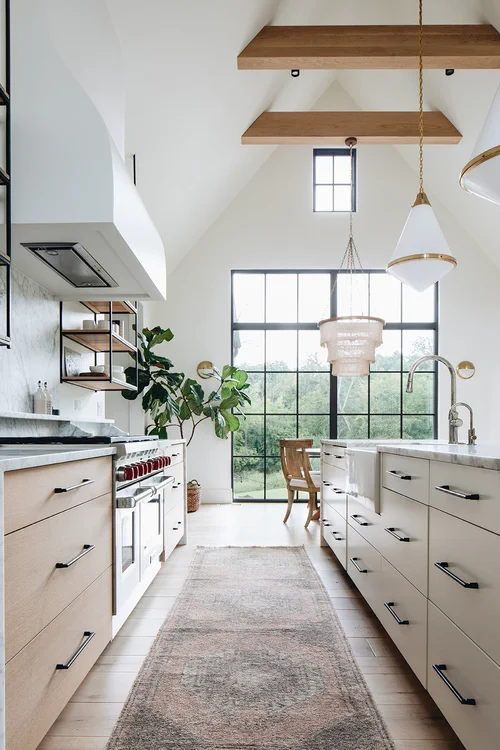
Good kitchen lighting makes cooking easier and safer. You need to place lights in the right spots.
Layering light means using different types of lights together. This helps create a bright and welcoming kitchen.
Task Lighting
Task lighting focuses on areas where you work the most. It helps you see clearly while cooking or chopping.
Place task lights under cabinets or above counters. These lights should be bright and direct.
- Use LED strips under cabinets
- Install pendant lights over kitchen islands
- Choose adjustable lights for flexibility
Ambient Lighting
Ambient lighting fills the whole kitchen with soft, even light. It makes the space comfortable and safe to move in.
Ceiling lights or recessed lights work well for ambient lighting. They should not create harsh shadows.
- Use dimmable ceiling lights for control
- Choose warm white bulbs for a cozy feel
- Make sure light spreads evenly across the room
Accent Lighting
Accent lighting highlights special kitchen features like shelves or artwork. It adds style and depth.
Use small spotlights or LED strips for accent lighting. These lights should be softer than task lights.
- Light up glass cabinets or open shelves
- Highlight decorative tiles or backsplashes
- Use accent lights to create mood and interest
Credit: jane-athome.com
Safety And Durability
Choosing the right kitchen lighting is important for safety and lasting use. Good lighting helps prevent accidents while cooking.
Durable lights save money and reduce the need for repairs or replacements. Focus on features that support both safety and strength.
Use Waterproof And Heat-resistant Fixtures
Kitchen lights face steam, spills, and heat. Choose fixtures that resist water and high temperatures to avoid damage.
Waterproof and heat-resistant lights last longer and keep the kitchen safe from electrical problems caused by moisture or heat.
- Look for IP-rated fixtures for water protection
- Check heat resistance labels on product descriptions
- Choose materials like stainless steel or glass
Select Shatterproof And Impact-resistant Bulbs
Kitchen lighting can get bumped or dropped. Use bulbs that resist breaking to avoid injury and frequent replacements.
Shatterproof bulbs protect against sharp glass pieces and maintain light quality even after minor impacts.
- Choose LED bulbs with shatterproof coatings
- Avoid fragile bulbs like halogen in busy areas
- Consider bulbs with protective covers or cages
Ensure Proper Electrical Safety Ratings
Check that your kitchen lights meet electrical safety standards. Certified products reduce fire and shock risks.
Look for marks like UL, CE, or ETL on lights and fixtures to confirm they passed safety tests.
- Buy from trusted brands with clear safety labels
- Verify product certification before installation
- Follow installation guidelines to avoid hazards
Choose Long-lasting Led Lighting
LED lights last much longer than traditional bulbs. They reduce the need for frequent replacements in the kitchen.
Durable LED lights also save energy and keep your kitchen well-lit without flickering or dimming.
- Select LEDs rated for 25,000 hours or more
- Pick bulbs with sturdy bases and quality materials
- Use dimmable LEDs for flexible light control
Maintenance And Upkeep
Smart kitchen lighting needs regular care to work well. Good upkeep keeps lights bright and safe.
Simple maintenance helps extend the life of your smart lights. It also saves money on repairs.
Regular Cleaning
Dust and grease can build up on kitchen lights. Clean them often to keep light clear and bright.
Use a soft cloth and mild cleaner. Avoid harsh chemicals that can damage light covers or bulbs.
- Turn off lights before cleaning
- Wipe covers and bulbs gently
- Clean at least once a month
Check For Software Updates
Smart lights use apps or devices to work. Update their software regularly to fix bugs and add features.
Check the app settings or manufacturer website for updates. Install them as soon as you can.
- Open the lighting app
- Find the update section
- Download and install updates
Replace Bulbs Promptly
When bulbs dim or stop working, replace them quickly. Old bulbs can lower light quality and use more power.
Use the exact bulb type your smart lighting system needs. This keeps the system safe and efficient.
- Turn off power before replacing bulbs
- Use bulbs recommended by the manufacturer
- Dispose of old bulbs properly
Inspect Wiring And Connections
Check wires and connections for damage or wear. Loose wires can cause flickering or failure.
Call a professional electrician if you find problems. Do not try to fix electrical issues yourself.
- Look for frayed or exposed wires
- Ensure all plugs fit snugly
- Schedule yearly professional checks
Monitor Energy Use
Smart lights can show how much energy they use. Watch this data to spot unusual spikes.
High energy use may mean a problem with the light or settings. Adjust or repair as needed.
- Use the app’s energy monitoring tool
- Compare daily or weekly usage
- Lower brightness or turn off lights when not needed
Cost And Budget Planning
Planning your budget is key when selecting smart kitchen lighting. It helps you avoid overspending.
Knowing your costs upfront allows you to pick lighting options that fit your finances.
Set A Clear Budget Limit
Start by deciding how much money you want to spend on kitchen lighting. This keeps your choices focused.
Stick to your budget to avoid buying items that are too expensive or not needed.
Consider Installation Costs
Remember that installation can add to your total cost. Some smart lights need professional help.
Ask for installation quotes before buying to avoid surprises later.
Compare Energy Efficiency
Smart lights vary in energy use. Choose energy-saving models to reduce electricity bills.
Check the energy ratings and pick those that cost less to run over time.
Balance Features And Price
More features usually mean higher prices. Decide which features you really need.
- Basic dimming and color change
- Voice control or app integration
- Scheduling and automation
Choose lighting that fits your needs without adding extra costs.
Plan For Future Upgrades
Think about whether you want to add more smart lights later. This may affect your budget now.
Select systems that allow easy expansion without costly replacements.
Frequently Asked Questions
What Factors Should I Consider For Smart Kitchen Lighting?
Consider brightness, color temperature, energy efficiency, and control options. Choose lights that enhance visibility and ambiance. Compatibility with smart home systems is important for seamless integration.
How Does Smart Lighting Improve Kitchen Functionality?
Smart lighting allows adjustable brightness and color settings. It enhances task lighting and mood. Voice or app control adds convenience and efficiency to kitchen activities.
Are Smart Kitchen Lights Energy-efficient?
Yes, smart kitchen lights often use LED technology. They consume less energy than traditional bulbs. Features like scheduling and dimming further reduce electricity usage.
Can I Install Smart Lighting Without Rewiring?
Many smart lights are easy to install without rewiring. Options include smart bulbs and plug-in fixtures. This makes upgrading your kitchen lighting simple and cost-effective.
Conclusion
Smart kitchen lighting changes how you use your space. Choose lights that fit your style and needs. Think about brightness, color, and energy use. Control options like dimmers add great flexibility. Don’t forget safety and easy installation. Good lighting makes cooking and cleaning easier.
It also creates a warm, welcoming atmosphere. Take your time to pick the right lights. Small choices can make a big difference. Enjoy a kitchen that feels bright and friendly every day.