
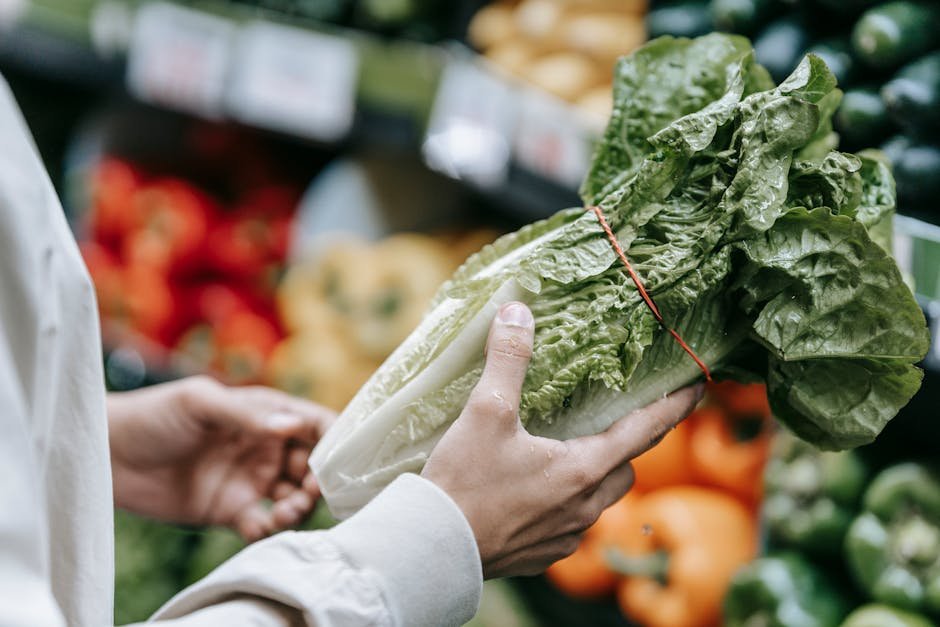
Choosing the right salad bowl might seem simple, but it can change the way you enjoy your meals every day. Imagine serving a fresh, colorful salad in a bowl that perfectly fits your style and needs.
The right bowl keeps your greens crisp, your dressings well-mixed, and your table looking inviting. If you want to make your salads more enjoyable and easier to prepare, this guide is for you. Keep reading to discover easy tips that will help you pick the perfect salad bowl for your kitchen.
Material Options
Choosing the right salad bowl material matters. It affects durability and style.
Some materials keep salads fresh, while others add beauty to your table.
Wooden Bowls
Wooden bowls look warm and natural. They add charm to any meal.
These bowls are sturdy and can last many years with care.
- Easy to clean with mild soap
- Do not soak in water
- Keep away from extreme heat
- May absorb strong odors
Glass Bowls
Glass bowls show off your colorful salad nicely. They look clean and bright.
They are easy to wash and do not keep smells.
- Microwave and dishwasher safe
- Can break if dropped
- Non-porous surface
Ceramic Bowls
Ceramic bowls come in many colors and designs. They add style to your table.
They keep salads cool but can chip or crack if handled roughly.
- Usually dishwasher safe
- Heavy and sturdy
- Not good for rough use
Stainless Steel Bowls
Stainless steel bowls are light and very strong. They do not break easily.
They keep food fresh and work well for outdoor use.
- Resist stains and odors
- Not microwave safe
- Easy to clean and store
Plastic Bowls
Plastic bowls are light and often less expensive. They come in many colors.
Some plastics may stain or scratch over time.
- Look for BPA-free options
- Usually dishwasher safe
- Can be less durable than other materials

Credit: www.yahoo.com
Size Considerations
Choosing the right size for your salad bowl is important. The bowl should fit the number of servings you need. It also helps to pick a bowl that matches your usual salad portions.
Think about how often you eat salad alone or with others. This will guide your choice of bowl size for better convenience and presentation.
Individual Serving Bowls
Individual serving bowls are small and perfect for one person. They usually hold between 8 to 12 ounces of salad. These bowls are easy to handle and clean.
- Ideal for single meals
- Easy to store
- Good for portion control
Family-sized Bowls
Family-sized bowls hold enough salad for 4 to 6 people. They are generally 10 to 14 inches wide. These bowls work well for everyday family meals.
| Capacity | Diameter | Best For |
| 3-5 quarts | 10-14 inches | Family meals |
| 5-7 quarts | 14-16 inches | Bigger families |
Party-sized Bowls
Party-sized bowls hold large amounts of salad for many guests. They can range from 7 to 12 quarts or more. These bowls are perfect for events and gatherings.
Tips for choosing party-sized bowls:
- Check if the bowl fits your serving table
- Consider the weight when full
- Look for durable materials
Shape And Design
Choosing the right shape and design for your salad bowl can enhance your dining experience. The shape affects how easy it is to toss and serve the salad.
Design also adds to the visual appeal of your table setting. Let’s look at popular shapes and styles for salad bowls.
Traditional Round Bowls
Round bowls are the classic choice for salads. Their curved sides make tossing easy and prevent ingredients from spilling out.
These bowls often come in different sizes and materials, fitting many kitchen styles.
Square And Rectangular Bowls
Square and rectangular bowls offer a modern look. Their straight edges help with neat presentation and portion control.
| Shape | Best Use | Style |
| Square | Small salads or side dishes | Contemporary |
| Rectangular | Long salads or multiple servings | Elegant |
Unique And Artistic Designs
Bowls with unique shapes or artistic designs add character to your table. They can be conversation starters at meals.
- Look for hand-painted patterns or textures
- Choose shapes like leaf, shell, or abstract forms
- Pick colors that match your kitchen or dining room
Functional Features
Choosing the right salad bowl means thinking about how it works in your daily routine. Functional features can make using the bowl easier and more convenient.
Look for features that fit your kitchen style and habits. These features help you store, clean, and use the bowl without trouble.
Stackability
A stackable salad bowl saves space in your cupboards. It fits neatly with other bowls and dishes. This is helpful if you have a small kitchen or limited storage.
- Check if the bowl nestles inside similar bowls
- Look for bowls with flat lids for easier stacking
- Choose shapes that do not take up too much room
Ease Of Cleaning
Cleaning your salad bowl should be quick and simple. Some materials resist stains and odors better than others. Smooth surfaces help remove food easily.
| Material | Cleaning Advantage |
| Glass | Non-porous, resists stains and odors |
| Plastic | Lightweight, but can stain over time |
| Stainless Steel | Durable and easy to clean |
| Ceramic | Heavy but smooth surface cleans well |
Microwave And Dishwasher Safe
Using a salad bowl that is microwave and dishwasher safe adds convenience. You can heat leftovers and clean the bowl without extra effort.
| Feature | Benefit |
| Microwave Safe | Heat food quickly without moving dishes |
| Dishwasher Safe | Save time by cleaning in the dishwasher |
| Both Features | Use and clean the bowl easily every day |
Budget-friendly Choices
Choosing a salad bowl does not have to be expensive. You can find good options that fit your budget.
Focus on what matters most to you, like size, material, and style. This helps you avoid spending too much.
Affordable Options
Look for salad bowls made from simple materials like plastic or melamine. They often cost less and last long.
Clear glass bowls are another budget-friendly choice. They fit any kitchen style and are easy to clean.
- Plastic bowls are lightweight and inexpensive
- Melamine bowls resist breaking and stains
- Glass bowls show off colorful salads
Investing In Quality
Spending a little more on a quality bowl can save money over time. Good bowls last longer and look better.
Materials like wood, ceramic, or stainless steel are strong and stylish. They can handle daily use well.
- Wood bowls add a natural touch
- Ceramic bowls offer unique designs
- Stainless steel bowls are durable and modern
Finding Discounts And Deals
Check sales and clearance sections in stores and online. You can get quality bowls at lower prices.
Use coupons or subscribe to newsletters for extra savings. Buying during holidays often brings good discounts.
- Look for seasonal sales and clearances
- Sign up for store newsletters to get coupons
- Compare prices from different sellers

Credit: premeditatedleftovers.com
Eco-friendly Options
Choosing a salad bowl that is eco-friendly helps protect the environment. These bowls reduce waste and use natural materials.
Eco-friendly salad bowls also last long and look great on your table. They support a healthier planet for future generations.
Sustainable Materials
Sustainable materials come from resources that can renew quickly. These materials lower harm to forests and nature.
Bowls made from bamboo, wood, or coconut shells are good examples. They are strong and natural, without plastic.
- Bamboo grows fast and needs little water
- Wood can be harvested without cutting whole trees
- Coconut shells use parts that would be thrown away
Biodegradable Choices
Biodegradable bowls break down naturally in the soil. They do not add to landfill waste or stay in nature for years.
These bowls often come from plants or natural fibers. They are safe to compost at home or in community compost bins.
- Bowls made from palm leaves or sugarcane fiber
- Natural fibers like jute or hemp
- Materials that return to the earth quickly
Recycled And Upcycled Bowls
Recycled bowls use materials that were once waste. This process saves energy and reduces the need for new raw materials.
Upcycled bowls are made by creatively reusing old items. They give new life to things that might be thrown away.
- Bowls made from recycled glass or plastic
- Wood bowls crafted from reclaimed timber
- Creative uses of old containers or fabrics
Style And Aesthetics
Choosing the right salad bowl adds charm to your dining table. It should look good and fit your style.
Think about the bowl’s color, shape, and material. These affect how it matches your kitchen’s look.
Matching Kitchen Décor
Pick a salad bowl that blends with your kitchen’s colors and style. It creates a nice, unified look.
- Choose bowls in colors that match your kitchen walls or cabinets.
- Use materials like wood or ceramic to fit rustic or modern themes.
- Pick shapes that echo other kitchen items, like round plates or square dishes.
- Avoid styles that clash with your main kitchen design.
Seasonal And Themed Designs
Salad bowls with seasonal or themed designs add fun to meals. They brighten the table for special occasions.
| Season | Design Ideas | Material Suggestions |
| Spring | Floral patterns, pastel colors | Light ceramic or glass |
| Summer | Bright colors, tropical prints | Melamine or bamboo |
| Fall | Earth tones, leaf motifs | Wood or stoneware |
| Winter | Snowflakes, deep blues | Porcelain or metal |
Where To Buy
Choosing the right place to buy a salad bowl helps you find the best style and quality. There are many options, including online shops, local stores, and artisan markets.
Each place offers different benefits. Think about what matters most to you, like price, variety, or craftsmanship.
Online Retailers
Online retailers have a large selection of salad bowls. You can compare styles, materials, and prices quickly from home.
Customer reviews help you learn about the product before buying. Look for stores with good return policies.
- Wide variety of materials and designs
- Easy to compare prices
- Read reviews from other buyers
- Convenient home delivery
Local Stores
Local stores let you see and touch the salad bowls before buying. This helps you check the size and weight easily.
Staff can give advice and help you find a bowl that fits your needs. Shopping local also supports your community.
- Hands-on experience with the product
- Personal help from store staff
- Support local businesses
- Instant purchase and take home
Artisan Markets
Artisan markets offer handmade and unique salad bowls. These bowls often have special designs and high-quality materials.
Buying from artisans supports small creators and gives you a one-of-a-kind item. Prices may be higher but value is often better.
- Unique, handmade bowls
- High-quality materials
- Supports small artisans
- Great for special gifts
Credit: whatsgabycooking.com
Frequently Asked Questions
What Materials Are Best For A Salad Bowl?
Glass, ceramic, and wood are popular salad bowl materials. Glass is non-porous and easy to clean. Wood adds a natural look but needs more care. Ceramic offers durability and style, making it a versatile choice for salads.
How To Choose The Right Size For A Salad Bowl?
Select a salad bowl size based on portion needs. For family meals, a large bowl (10-14 inches) is ideal. Smaller bowls (6-8 inches) suit individual servings. Consider your usual salad quantity to avoid overcrowding or excess space.
Are Wooden Salad Bowls Safe For Everyday Use?
Yes, wooden salad bowls are safe with proper care. Use mild soap and warm water for cleaning. Avoid soaking to prevent warping. Regular oiling helps maintain the wood and extends the bowl’s lifespan.
Can Salad Bowls Be Used For Other Dishes?
Absolutely, salad bowls are versatile kitchen items. They can serve pasta, fruits, snacks, or even mix ingredients. Choosing a multi-purpose bowl maximizes kitchen utility and saves space while maintaining style.
Conclusion
Choosing the right salad bowl makes a big difference. Pick a bowl that fits your style and needs. Think about size, material, and how easy it is to clean. A good bowl helps keep salads fresh and tasty. It also makes serving easier and more fun.
Keep these simple tips in mind for your next purchase. Enjoy fresh, crisp salads every time you eat. A little care in choosing goes a long way.