
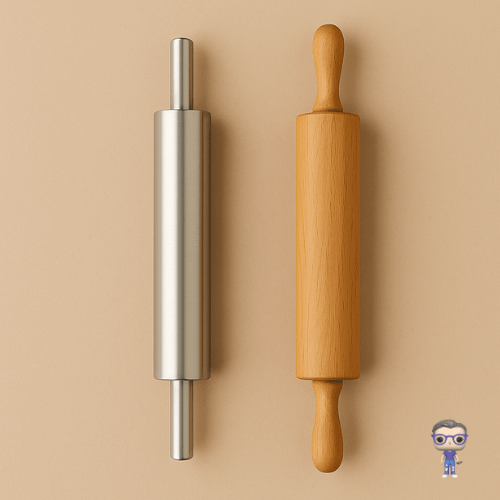
Choosing the right rolling pin can make a huge difference in your baking. Whether you’re rolling out dough for cookies, pizza, or pie crusts, the tool you use affects how smooth and easy the process feels.
But with so many options out there, how do you pick the perfect one for your kitchen? You’ll discover simple, practical tips to help you select a rolling pin that fits your needs and makes baking more enjoyable. Ready to roll out your best creations yet?
Keep reading to find out how.
Types Of Rolling Pins
Choosing the right rolling pin can make baking easier and more fun.
Rolling pins come in different materials and shapes. Each type has its own benefits.
Classic Wooden Pins
Wooden rolling pins are traditional and widely used. They are light and easy to hold.
They can be smooth or have handles on the sides. Wood can absorb moisture, so they need good care.
Marble Rolling Pins
Marble pins feel cool and heavy. This helps keep dough from sticking and cool.
- Heavy weight helps roll dough evenly
- Cool surface prevents dough from warming
- Easy to clean and very durable
- Can be slippery if wet
Stainless Steel Options
Steel rolling pins are strong and smooth. They do not absorb smells or stains.
| Feature | Benefit |
| Heavy | Rolls dough flat easily |
| Non-porous surface | Easy to clean and hygienic |
| Chillable | Can be cooled to keep dough firm |
Silicone Covered Pins
Silicone-covered pins offer a non-stick surface. They are soft and easy to grip.
The silicone layer makes cleaning quick. They work well with sticky dough like pastry and fondant.
Choosing The Right Size
Selecting the right rolling pin size affects how easy it is to roll dough. The size should fit your kitchen space and the type of baking you do.
A good fit helps you control the dough and get even thickness every time you roll.
Length Considerations
Rolling pins come in various lengths. Shorter pins are easier to handle and store. Longer pins cover more dough with fewer strokes.
- Short pins (10-12 inches) work well for small doughs or tight spaces.
- Medium pins (14-16 inches) suit most home baking tasks.
- Long pins (18 inches or more) are best for large doughs like pizza or pastries.
Diameter And Weight Factors
Diameter affects the rolling pin’s strength and dough contact. Weight helps press the dough evenly without extra force.
| Diameter | Effect | Best For |
| 1.5 to 2 inches | Light and easy to control | Delicate doughs |
| 2 to 3 inches | Balanced weight and strength | Most baking tasks |
| 3 inches or more | Heavier and stronger pressure | Thick doughs and large batches |
Handle Styles And Comfort
Choosing the right rolling pin handle affects your baking experience. Comfort and style matter for smooth rolling.
Handles come in different types that change how the rolling pin feels and works in your hands.
Fixed Vs. Removable Handles
Fixed handles do not move and give a solid grip. Removable handles can be taken off for cleaning or storage.
- Fixed Handles:More stable and sturdy during use.
- Removable Handles:Easier to clean and store.
- Consider:How often you clean and your storage space.
Ergonomic Designs
Ergonomic handles reduce hand strain and improve comfort. They fit the natural shape of your hand.
| Design Feature | Benefit |
| Curved Handles | Better grip and less fatigue |
| Soft Grip | Comfortable for long use |
| Textured Surface | Prevents slipping |

Credit: www.amazon.com
Material Impact On Baking
Choosing the right rolling pin material affects your baking results. Different materials change how dough feels and behaves.
Knowing the effects of each material helps you pick the best rolling pin for your needs.
Heat Retention And Cooling
Rolling pins made from metal hold heat longer than wood or marble. This can warm the dough while rolling.
Marble rolling pins stay cool and help keep dough cold. Cold dough is easier to work with for pastries.
- Wood is neutral; it does not hold heat well
- Marble cools dough and prevents sticking
- Metal warms dough faster due to heat retention
Non-stick Properties
Some materials are naturally non-stick and help prevent dough from sticking. This makes rolling easier and cleaner.
Wood can stick if not floured enough. Marble and metal are usually smoother and less sticky.
- Marble has a smooth surface that resists sticking
- Metal rolling pins often have a polished finish
- Wood needs flour or oil to reduce sticking
Durability And Maintenance
Different materials require different care to last long. Some need more cleaning and drying attention.
Wood is strong but can crack if wet for too long. Marble is fragile and can chip. Metal is very durable but may rust if not dried well.
- Wood: avoid soaking; oil occasionally to prevent drying
- Marble: clean gently; avoid dropping to prevent chips
- Metal: dry completely to prevent rust; usually dishwasher safe
Special Features To Look For
Choosing the right rolling pin makes baking easier and more fun. Some features help you get better results with less effort.
Look for special features that fit your baking style and needs. These features can improve dough handling and cleanup.
Adjustable Thickness Rings
Adjustable thickness rings let you roll dough evenly. You attach rings to the ends of the rolling pin to set the dough height.
This feature is useful for cookies, pie crusts, and pizza dough. It helps keep all pieces the same thickness for even baking.
- Easy to change ring sizes
- Ensures uniform dough thickness
- Good for beginners and pros
Textured Rolling Pins
Textured rolling pins have patterns on their surface. These patterns create designs on dough or add grip to prevent sticking.
Use textured pins for decorating cookies or making fancy pie crusts. They can also help shape dough for certain recipes.
- Embossed or carved designs
- Improves dough grip
- Adds decorative patterns
Ease Of Cleaning
A rolling pin that cleans easily saves time and effort. Look for smooth surfaces and materials that resist dough sticking.
Wooden pins may need extra care, while silicone or stainless steel pins often wipe clean quickly. Avoid pins with many grooves if you want fast cleaning.
- Non-stick materials like silicone
- Simple shapes without grooves
- Dishwasher safe options

Credit: sallysbakingaddiction.com
Budget And Brand Considerations
Choosing the right rolling pin depends on your budget and the brand you trust. These factors help you pick a tool that lasts and works well.
Knowing the difference between affordable and premium options guides your spending. Also, trusted brands often offer better quality and service.
Affordable Vs. Premium Options
Affordable rolling pins cost less and suit beginners or occasional bakers. They may use simpler materials and have basic features.
Premium rolling pins use high-quality materials like hardwood or stainless steel. They last longer and offer better control and comfort.
- Affordable pins: good for light use, easy to replace
- Premium pins: durable, often handcrafted or designed
- Consider how often you bake before choosing
- Premium pins may have better weight and balance
Trusted Brands And Reviews
Choosing a trusted brand reduces the chance of poor quality. Brands with positive reviews show they meet customer expectations.
Look for brands known for kitchen tools. Reading reviews helps you learn about real user experiences and product durability.
- Check brand history and reputation
- Read multiple customer reviews for balance
- Look for warranty or satisfaction guarantees
- Brands with good customer support add value
Storing And Caring For Your Pin
Taking care of your rolling pin helps it last longer. Proper storage and cleaning keep it in good shape. You can avoid damage by following simple tips.
Use the right methods to store and clean your rolling pin. Protect it from moisture and scratches. This guide covers key points to help you maintain your tool.
Proper Storage Tips
Keep your rolling pin in a dry place away from direct sunlight. Store it where it won’t get bumped or scratched. Avoid stacking heavy items on top of it.
- Hang the pin on a hook or peg
- Use a drawer with dividers
- Wrap in a clean cloth if stored in a box
- Keep away from heat and moisture
Cleaning Techniques
Clean your rolling pin after each use. Avoid soaking it in water to prevent warping. Use a damp cloth and mild soap for cleaning.
| Cleaning Step | How to Do It |
|---|---|
| Wipe Off Dough | Use a dry cloth or brush to remove flour and dough. |
| Wash Gently | Wipe with a damp cloth and mild soap, no soaking. |
| Dry Quickly | Use a towel to dry, then air dry fully before storing. |
Avoiding Common Damages
Prevent cracks and splits by avoiding water exposure. Do not leave your pin in hot places. Watch for dents caused by hard surfaces or drops.
- Do not soak or wash in dishwasher
- Keep away from extreme heat or cold
- Handle carefully to avoid drops
- Apply food-grade oil sometimes to wooden pins

Credit: www.yahoo.com
Frequently Asked Questions
What Types Of Rolling Pins Are Available?
There are several types of rolling pins, including tapered, straight, and French. Tapered pins offer great control. Straight rolling pins provide even pressure, ideal for dough. French pins are versatile and lightweight. Each type suits different baking needs, so choose according to your preferences and baking style.
How Do I Choose The Right Material?
Rolling pins come in materials like wood, marble, and stainless steel. Wood is traditional and absorbs less heat. Marble stays cool, perfect for delicate dough. Stainless steel is durable and easy to clean. Consider your baking frequency and dough types when choosing material for your rolling pin.
Why Is Rolling Pin Weight Important?
The weight of a rolling pin affects dough thickness and ease of use. Heavier pins require less pressure, rolling dough evenly. Lighter pins offer more control but need more effort. Choose a weight that complements your strength and comfort level for efficient baking.
How Do I Maintain My Rolling Pin?
Proper maintenance extends your rolling pin’s lifespan. Clean with mild soap and water after use. Avoid soaking wooden pins to prevent warping. Dry thoroughly before storing. Occasionally, oil wooden pins to maintain their finish. Store in a dry place to prevent damage and ensure longevity.
Conclusion
Choosing the right rolling pin makes baking easier and more fun. Think about size, material, and grip that suit your needs. A good rolling pin helps you roll dough evenly and quickly. Take your time to pick one that feels right in your hands.
Enjoy baking with confidence and better results every time. Keep these tips in mind for your next kitchen purchase. Simple choices lead to better baking moments.