
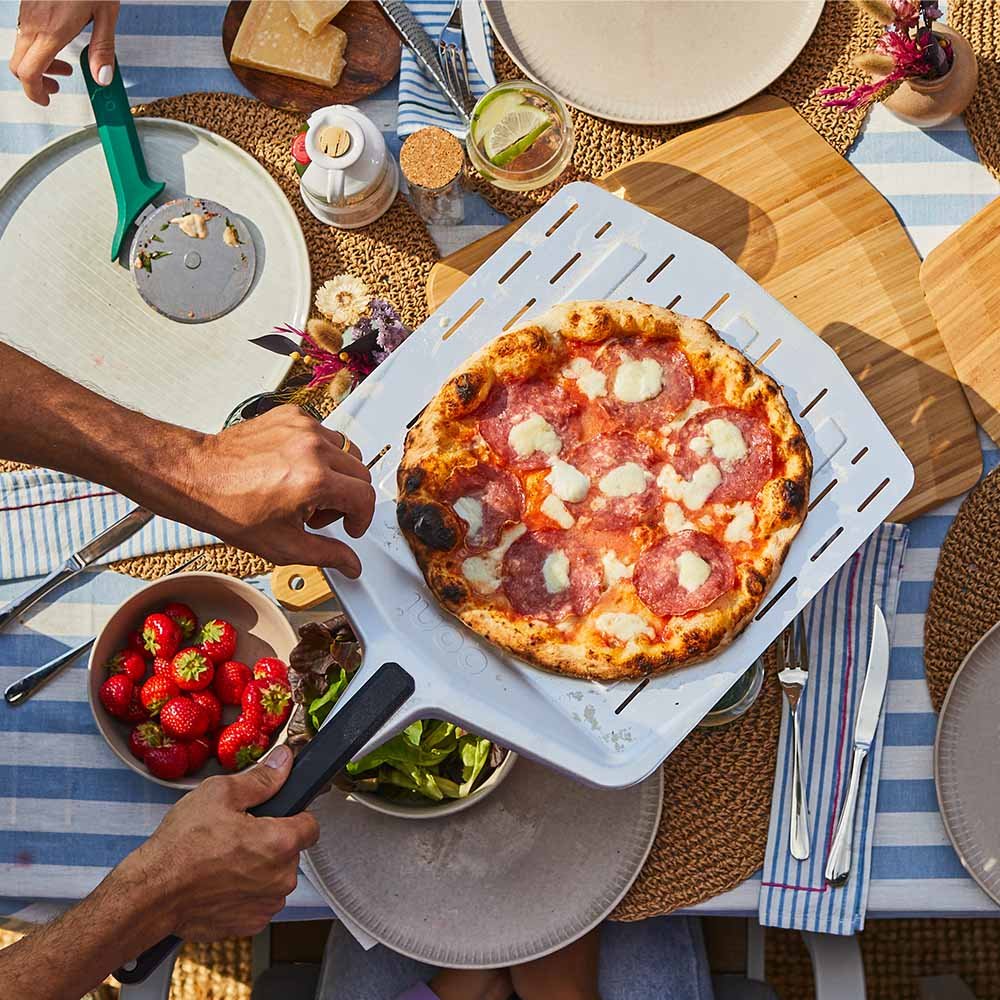
Are you tired of struggling to slide your pizza in and out of the oven without making a mess? Choosing the right pizza peel can make all the difference in your pizza-making experience.
But with so many options out there, how do you pick the perfect one for your kitchen? You’ll discover simple tips that will help you find a pizza peel that fits your needs and makes baking easier and more enjoyable.
Keep reading, and soon you’ll be handling your pizzas like a pro!
Types Of Pizza Peels
Pizza peels help you put pizzas in and take them out of the oven safely. There are different types of peels to choose from. Each type has its own benefits.
Knowing the types of pizza peels can help you pick the best one for your cooking style. Let’s look at wooden, metal, and composite peels.
Wooden Peels
Wooden peels are traditional and have been used for a long time. They are usually lightweight and easy to handle. Wood helps prevent dough from sticking.
These peels work well for sliding raw pizzas into the oven. They are gentle and less likely to damage your dough’s shape.
Metal Peels
Metal peels are strong and thin. They slide easily under cooked pizzas for removal. Metal peels often have a long handle for safety.
They do not absorb moisture, so they stay clean. Metal peels are good for handling hot pizzas and heavy loads.
Composite Peels
Composite peels combine wood and metal. They have a wooden handle and a metal blade. This mix offers strength and easy sliding.
Composite peels are versatile for both raw and cooked pizzas. They balance durability with ease of use well.

Credit: www.yahoo.com
Size And Shape Considerations
Choosing the right pizza peel size and shape is important. It helps you handle pizzas easily and safely.
Different sizes and shapes fit different ovens and pizza types. Knowing these helps you pick the best peel.
Standard Sizes
Pizza peels come in many sizes. The size you pick depends on your oven and pizza size.
Common sizes range from 12 to 16 inches wide. Larger peels hold bigger pizzas but can be hard to use.
- 12-14 inches: Good for home ovens and small pizzas
- 14-16 inches: Fits most standard pizzas and ovens
- 16 inches and above: Best for large pizzas or commercial ovens
Round Vs. Square Peels
Round peels match the shape of most pizzas. They help slide pizzas in and out smoothly.
Square peels offer more surface area. They can support pizzas better but may be harder to fit in some ovens.
- Round peels: Easier to slide under pizzas
- Square peels: Better for holding pizzas firmly
- Choose shape based on your oven and handling comfort
Handle Length And Material
Choosing the right pizza peel is important for safe and easy pizza making. The handle length and material affect how comfortable and useful the peel will be.
Understanding these features helps you pick a peel that fits your kitchen and cooking style.
Short Handles
Short handles are easy to store and control. They work well with small ovens or close cooking spaces.
These handles keep the peel close to your body. This gives better control when sliding pizzas in and out.
- Good for small kitchens
- Easier to maneuver in tight spaces
- Less reach, so watch for heat near the oven
Long Handles
Long handles keep your hands far from the heat. They are great for large ovens or outdoor pizza ovens.
These handles help you reach deep into the oven safely. They provide extra space between you and the hot surface.
- Safer for high-heat ovens
- Good for large or deep ovens
- Can be harder to store or control
Handle Material Options
Handle materials affect the peel’s weight and heat resistance. Common materials include wood, metal, and composite.
Each material has pros and cons for grip, durability, and heat safety.
| Material | Benefits | Drawbacks |
|---|---|---|
| Wood | Good grip, stays cool | Can wear out or crack |
| Metal | Very durable, easy to clean | Can get hot, slippery |
| Composite | Lightweight, heat-resistant | Varies by type, less natural feel |
Surface Features
Choosing the right pizza peel surface helps you handle pizza better. The surface affects how easily the pizza slides on and off.
Look at surface types before buying. They impact pizza cooking and serving.
Smooth Vs. Textured Surfaces
Smooth pizza peels have flat, even surfaces. They allow pizzas to slide off quickly without sticking.
Textured surfaces have slight roughness or grooves. They help hold the dough better but may slow sliding.
- Smooth surfaces are easier to clean and slide pizzas fast.
- Textured surfaces give more grip to prevent pizza slipping.
- Choose smooth for thin crust pizzas for easy release.
- Textured surfaces work well with thick dough or heavy toppings.
Non-stick Coatings
Non-stick coatings reduce pizza dough sticking to the peel. They make sliding pizzas easier.
These coatings can be made from materials like Teflon or silicone. They help keep the surface clean.
- Non-stick peels require less flour or cornmeal.
- They prevent dough from tearing when moving the pizza.
- Some coatings wear off over time and need replacement.
- Check if the peel surface is safe for high oven temperatures.
Weight And Balance
Choosing the right pizza peel depends on its weight and balance. These factors affect how easy it is to slide pizza in and out of the oven.
A peel that is too heavy can tire your arm. If it is not balanced, you may drop the pizza or struggle to control it.
Lightweight Options
Lightweight pizza peels are easier to handle, especially for beginners. They reduce arm fatigue during long baking sessions.
Materials like aluminum or thin wood often make peels lighter. These options help you move pizzas quickly and safely.
Balanced Design
A balanced pizza peel feels steady in your hand. The weight is spread evenly between the handle and the paddle.
Good balance helps you control the peel better. It prevents pizzas from slipping or tipping over while you work.

Credit: ooni.com
Durability And Maintenance
Choosing the right pizza peel helps you cook better pizzas. Durability and maintenance are key factors. A strong peel lasts longer and works well.
Proper care keeps your peel safe from damage. It also saves you money by avoiding early replacements.
Cleaning Tips
Clean your pizza peel after every use. This stops food from sticking and prevents stains. Use gentle cleaning tools to avoid scratches.
Do not soak wooden peels in water. Wood can warp or crack. Instead, wipe them with a damp cloth and dry quickly.
- Use mild soap and warm water
- Wipe with a soft sponge or cloth
- Avoid harsh chemicals and scrubbing pads
- Dry immediately to stop warping
- Oil wooden peels occasionally to keep wood healthy
Longevity Factors
Material choice affects how long a pizza peel lasts. Wood, metal, and composite peels all have different lifespans. Choose one that fits your use.
Storage also matters. Store your peel in a dry place. Avoid bending or putting heavy items on top of it.
- Wood peels need regular oiling to prevent drying
- Metal peels resist warping but can rust if wet
- Composite peels are durable and easy to clean
- Store peels flat or hanging to keep shape
- Check for cracks or damage regularly
Price And Budget
Choosing the right pizza peel depends a lot on your budget. You want a tool that fits your price range but still works well.
Knowing how much to spend helps you find the best peel without paying too much. Let’s look at options for different budgets.
Affordable Options
Affordable pizza peels are good for beginners or casual bakers. They usually cost less but can still do the job.
These peels often use simpler materials like wood or basic aluminum. They are light and easy to handle.
- Look for wooden peels with smooth finishes
- Basic aluminum peels are lightweight and low cost
- Check for good reviews on durability
- Avoid very cheap peels that may break fast
Premium Choices
Premium pizza peels cost more but offer better features. They are made from higher quality materials like stainless steel or hardwood.
These peels last longer and handle heat better. They often have comfortable handles and wider surfaces for bigger pizzas.
- Stainless steel peels resist warping and stains
- Hardwood peels offer a smooth surface and durability
- Look for ergonomic handles for easy use
- Premium options suit frequent bakers or pros
User Reviews And Recommendations
Choosing the right pizza peel can be hard. User reviews help you understand what works well.
Many people share their experiences and tips. These insights can guide your choice.
Look For Durable Materials
Users often mention that strong materials last longer. Wood and aluminum are popular choices.
Wood peels feel nice but need care. Metal peels are easy to clean and sturdy.
- Wood: Natural look, needs oiling
- Aluminum: Lightweight, rust-resistant
- Steel: Very strong, heavier weight
Check Handle Length And Comfort
Many users say handle length is key for safety. A longer handle keeps hands away from heat.
Comfortable grips make the peel easier to use. Some handles have wood or rubber for better hold.
- Long handles reduce burn risk
- Wood handles feel warm and natural
- Rubber grips prevent slipping
Consider The Peel Size
Users recommend picking a peel size that fits your oven and pizza size. Too big can be hard to use.
A medium-sized peel works for most home ovens. Larger peels are better for big pizzas.
- Small peels: Easy to handle, for small pizzas
- Medium peels: Good for home use
- Large peels: Best for big pizzas or commercial ovens
Ease Of Cleaning Matters
Users like peels that are easy to clean. Aluminum and steel peels often need just a wipe.
Wood peels require more care. Users suggest avoiding soaking wood peels in water.
- Metal peels: Quick cleaning with cloth
- Wood peels: Oil regularly, avoid water soak
- Check if peel is dishwasher safe
Read Multiple User Opinions
Many users suggest reading several reviews before buying. This gives a balanced view.
Look for common points about durability, comfort, and size. Pay attention to repeated issues.
- Check pros and cons from many users
- Note if users mention warranty or support
- Look for real photos and videos from buyers
Where To Buy
Choosing the right place to buy a pizza peel is important. It helps you find a tool that fits your needs and budget.
You can shop for pizza peels online or visit local stores. Each option has its own benefits.
Online Retailers
Online stores offer many pizza peel options. You can compare prices, styles, and sizes easily.
Look for websites that sell kitchen tools or specialty pizza equipment. Reading reviews helps you choose well.
- Amazon
- Walmart
- Specialty kitchen websites
- Pizza supply shops
Local Stores
Local stores let you see and feel the pizza peel before buying. You can check the weight and handle comfort.
Visit kitchen supply shops or large home goods stores. Staff can give advice and answer your questions.
- Kitchenware stores
- Home improvement stores
- Specialty cooking shops
- Some grocery stores with kitchen sections

Credit: www.clickk.co.uk
Frequently Asked Questions
What Material Is Best For A Pizza Peel?
Wood and aluminum are popular materials. Wood offers a non-stick surface and durability. Aluminum is lightweight and easy to slide under pizza. Choose based on your oven type and personal preference for handling.
How Do I Choose The Right Size Pizza Peel?
Select a peel slightly larger than your pizza size. This ensures easy transfer without dropping toppings. Common sizes range from 12 to 16 inches in width. Consider your oven size for comfortable maneuvering.
Should I Buy A Wooden Or Metal Pizza Peel?
Wooden peels prevent dough from sticking but are heavier. Metal peels slide easily but may cause sticking if not floured. Both work well; your choice depends on ease of use and maintenance preference.
How Thick Should A Pizza Peel Be?
A peel thickness between 0. 25 and 0. 5 inches is ideal. Thinner peels slide under pizza easily but may warp. Thicker peels offer durability but can be heavier. Balance thickness with your handling comfort.
Conclusion
Choosing the right pizza peel makes baking easier and safer. Consider the size and material that fit your needs best. A good peel helps slide pizzas smoothly in and out of the oven. Think about handle length for comfort and control.
Taking time to pick the right peel improves your pizza-making experience. Enjoy cooking with the right tool by your side. Simple choices lead to better results every time.