
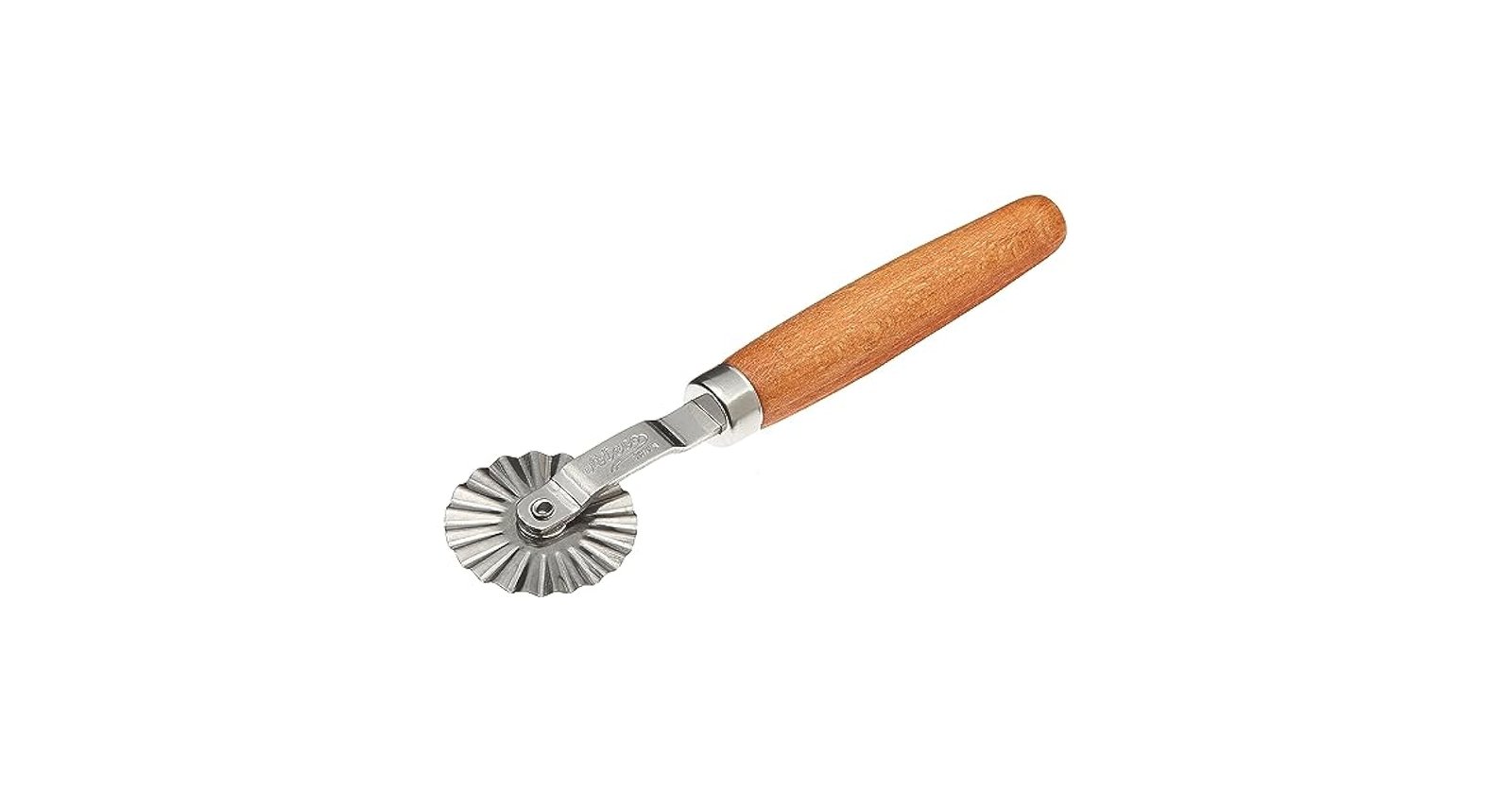
Choosing the right pastry wheel can make all the difference in your baking experience. Whether you’re cutting dough for pies, tarts, or ravioli, the tool you pick affects both precision and ease.
You want something that feels comfortable in your hand, cuts cleanly, and lasts through many baking sessions. You’ll discover simple but powerful tips to help you select the perfect pastry wheel. By the end, you’ll know exactly what to look for, saving you time and frustration.
Ready to elevate your baking game? Let’s get started!
Credit: www.sugarmaplefarmhouse.com
Choosing The Right Material
Picking a good pastry wheel depends a lot on its material. The right material helps you cut dough easily and cleanly.
Different materials offer different benefits. Think about how often you will use it and how easy it is to clean.
Stainless Steel Vs. Plastic Blades
Stainless steel blades are strong and sharp. They cut dough smoothly and last a long time.
Plastic blades are lighter and safer for kids. They may not cut as well but are easy to clean.
- Stainless steel blades stay sharp longer
- Plastic blades are less likely to rust
- Steel blades can handle thick dough easily
- Plastic blades are gentle on delicate dough
Ergonomic Handle Options
A good handle makes using the pastry wheel comfortable. It lowers hand strain during long use.
Look for handles with soft grips or curved shapes. These designs fit your hand better and help control cuts.
- Rubber grips reduce slipping
- Curved handles fit the hand shape
- Lightweight handles cause less fatigue
- Wooden handles offer a classic feel
Blade Design Considerations
Choosing the right pastry wheel makes cutting dough easier and more precise. The blade design affects the look and texture of your pastry edges.
This guide focuses on two main blade features: the edge style and the adjustable width. Both play important roles in pastry making.
Straight Vs. Fluted Edges
Pastry wheels come with either straight or fluted edges. Each edge type serves a different purpose in shaping dough.
- Straight Edges:Create clean, smooth cuts. Ideal for simple shapes and layered pastries.
- Fluted Edges:Produce decorative, scalloped edges. Great for pies and tarts with a classic look.
- Edge Choice:Depends on the style and texture you want in your pastry.
Adjustable Width Features
Some pastry wheels allow you to adjust the cutting width. This feature adds flexibility to your baking tools.
| Width Setting | Use Case | Benefit |
| Narrow (1/4 inch to 1/2 inch) | Thin strips, lattice tops | Delicate, detailed pastry designs |
| Medium (3/4 inch to 1 inch) | Standard pie edges, medium strips | Versatile, fits most recipes |
| Wide (1 1/4 inch and above) | Large dough pieces, broad cuts | Faster cutting, bold shapes |
Handle Comfort And Grip
A good pastry wheel should feel comfortable in your hand. You want a handle that fits well and does not cause strain during use. Grip is also important to keep control while cutting dough.
Choosing the right handle can make your baking easier and more precise. Look for features that help you hold the wheel firmly and comfortably.
Non-slip Grips
Non-slip grips prevent your hand from slipping, especially when your hands are wet or floury. This helps you cut clean shapes without losing control.
- Look for rubber or silicone handles for better grip.
- Textured surfaces improve hold and reduce slipping.
- Ergonomic shapes fit natural hand curves to reduce fatigue.
Weight Balance And Control
A well-balanced pastry wheel feels steady and easy to guide. Too heavy or uneven weight can make cutting difficult and tiring.
| Feature | Effect |
|---|---|
| Lightweight handle | Reduces hand fatigue during long use |
| Balanced weight | Improves control and precision |
| Sturdy construction | Prevents wobbling when cutting |
Durability And Maintenance
Choosing a pastry wheel means thinking about how long it lasts and how easy it is to care for.
Good durability and simple maintenance save time and money in the long run.
Rust Resistance
A pastry wheel that resists rust will stay sharp and strong for years.
- Look for stainless steel blades to avoid rust.
- Check if the handle is made from rust-proof material.
- A sealed or coated blade helps prevent moisture damage.
- A rust-resistant tool needs less frequent replacement.
Ease Of Cleaning
A pastry wheel that cleans easily keeps your kitchen healthy and your tool ready for use.
| Feature | Benefit |
| Dishwasher safe | Saves time and effort |
| Simple design | Fewer places for dough to stick |
| Removable blade | Easy deep cleaning |
| Non-porous handle | Prevents bacteria growth |
Size And Portability
Choosing the right pastry wheel depends on its size and how easy it is to carry. A good size helps you cut dough neatly and quickly.
Portability means you can move or store the pastry wheel without trouble. This is important for small kitchens or busy bakers.
Compact Design Benefits
A compact pastry wheel fits well in your hand and workspace. It lets you work faster and more comfortably.
Small tools take less space and are easier to clean. They also reduce hand fatigue during long use.
- Easier to handle for detailed cuts
- Less heavy, reduces wrist strain
- Works well in tight kitchen spaces
Storage Solutions
Storing your pastry wheel properly keeps it safe and ready to use. Look for ways to keep it clean and protected.
Compact pastry wheels fit nicely in drawers or utensil holders. Use containers or racks to avoid damage.
- Keep in a dry place to avoid rust
- Use small boxes or pouches for protection
- Store with other baking tools for easy access
Price And Budget Options
Choosing a pastry wheel means thinking about your budget. You can find many options at different prices. This guide helps you pick the right one.
Price is important but so is quality. Knowing what to expect at each price point helps you make a smart choice.
High-end Vs. Affordable Choices
High-end pastry wheels often use better materials like stainless steel. They last longer and cut smoothly. These cost more but can be a good investment.
Affordable pastry wheels work well for simple tasks. They may use plastic or lower-grade metal. These are fine for occasional use or beginners.
- High-end wheels: durable, smooth cutting, higher price
- Affordable wheels: basic materials, good for light use, lower price
Value For Money
Look for a pastry wheel that feels sturdy and cuts well. The best value balances cost and quality. You don’t always need the most expensive one.
Check reviews and ratings. Some mid-range wheels offer great features at a fair price. This helps you get more for your money.
- Good value: strong build, sharp wheel, comfortable handle
- Mid-range options often provide the best balance
- Consider how often you will use the tool
Expert Tips For Perfect Cuts
Choosing the right pastry wheel helps create clean, even cuts every time. Good cuts improve baking and presentation.
Here are some expert tips to help you get perfect cuts with your pastry wheel.
Techniques For Consistent Results
Use steady pressure and keep the wheel straight to avoid uneven edges. Roll the wheel firmly but smoothly.
- Chill dough before cutting to prevent sticking
- Use a sharp pastry wheel for cleaner cuts
- Roll on a flat, stable surface
- Cut in one continuous motion for smooth edges
- Clean the wheel regularly to avoid dough buildup
Avoiding Common Mistakes
Many people press too hard or roll unevenly. These errors cause ragged edges and misshaped pastries.
| Mistake | Effect | How to Fix |
| Pressing too hard | Dough tears or sticks | Apply gentle, steady pressure |
| Rolling unevenly | Irregular shapes | Keep wheel perpendicular to surface |
| Using dull wheel | Jagged edges | Sharpen or replace the wheel |
| Skipping dough chilling | Dough sticks and stretches | Chill dough before cutting |

Credit: www.amazon.com

Credit: www.erinjeannemcdowell.com
Frequently Asked Questions
What Is The Best Pastry Wheel For Beginners?
A pastry wheel with a comfortable handle and sharp blade suits beginners. Look for lightweight, easy-to-clean models for smooth cutting.
How To Choose The Right Pastry Wheel Blade Size?
Select a blade size based on your pastry type. Smaller wheels offer detailed cuts, while larger wheels handle bigger dough efficiently.
Should I Choose A Fluted Or Straight Pastry Wheel?
Fluted wheels create decorative edges, perfect for pies. Straight wheels make clean, precise cuts. Choose based on your design needs.
What Materials Make The Best Pastry Wheels?
Stainless steel blades resist rust and stay sharp. Handles can be wood, plastic, or metal; choose for comfort and durability.
Conclusion
Choosing the right pastry wheel makes baking easier and more fun. Think about the blade type and handle comfort first. A sharp, durable wheel cuts dough smoothly every time. Size matters too—pick one that fits your baking needs. Don’t forget to check how easy it is to clean.
A good pastry wheel saves time and effort in the kitchen. Keep these tips in mind for better baking results. Enjoy creating beautiful pastries with the perfect tool by your side.