
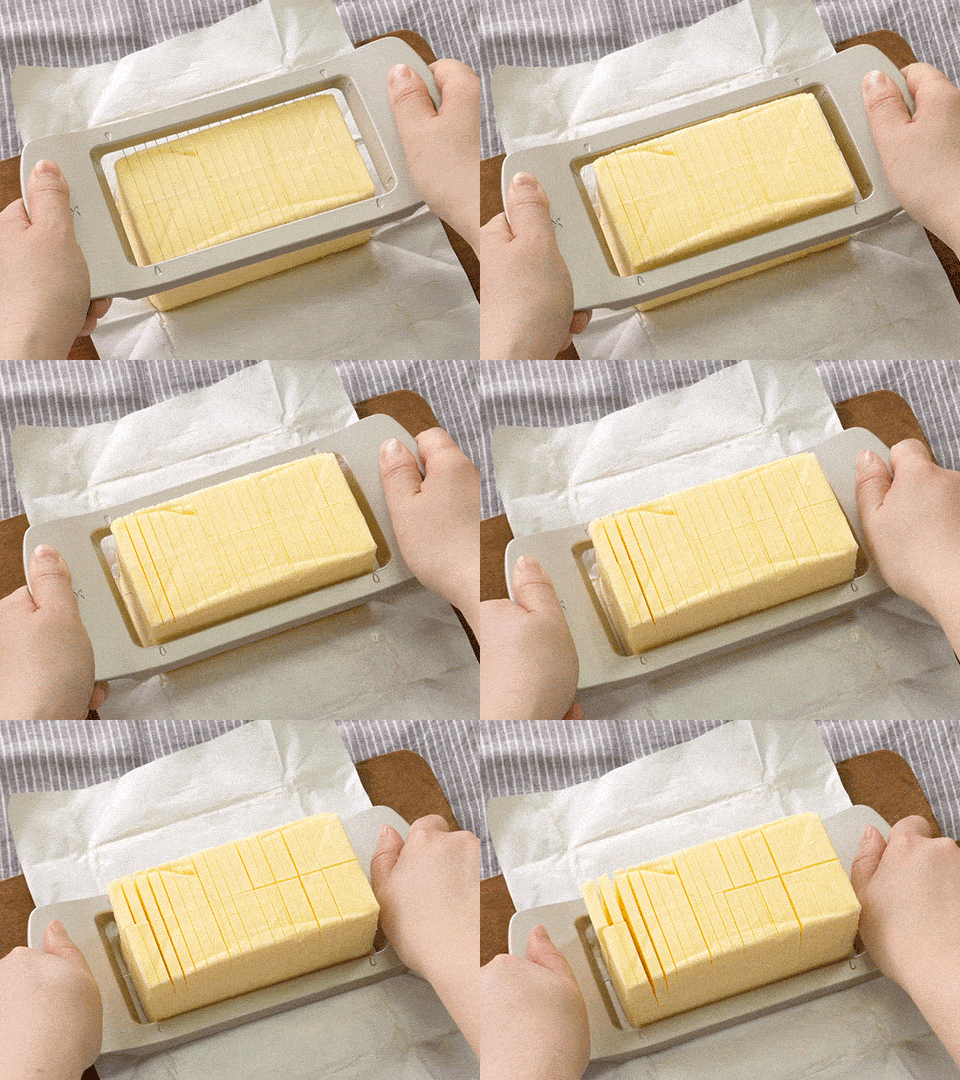
Are you tired of struggling to slice butter evenly or ending up with messy, uneven pieces? Choosing the right butter cutter can make your kitchen tasks smoother and more enjoyable.
But with so many options out there, how do you find the perfect one for your needs? You’ll discover simple, practical tips that help you pick a butter cutter that fits your lifestyle and makes every meal preparation easier. Keep reading, and you’ll never have to wrestle with your butter again!

Credit: www.reddit.com
Butter Cutter Types
Choosing the right butter cutter makes serving easier. There are different types to fit your needs.
Each type offers a unique way to slice or cut butter. Knowing them helps you pick the best one.
Wire Butter Slicers
Wire butter slicers use a thin wire to cut smooth slices. They glide through cold or soft butter easily.
This type is good for neat, even slices. It works well for serving butter on bread or toast.
- Simple design with a wire stretched on a frame
- Easy to clean and store
- Best for soft to medium-hard butter
Multi-blade Cutters
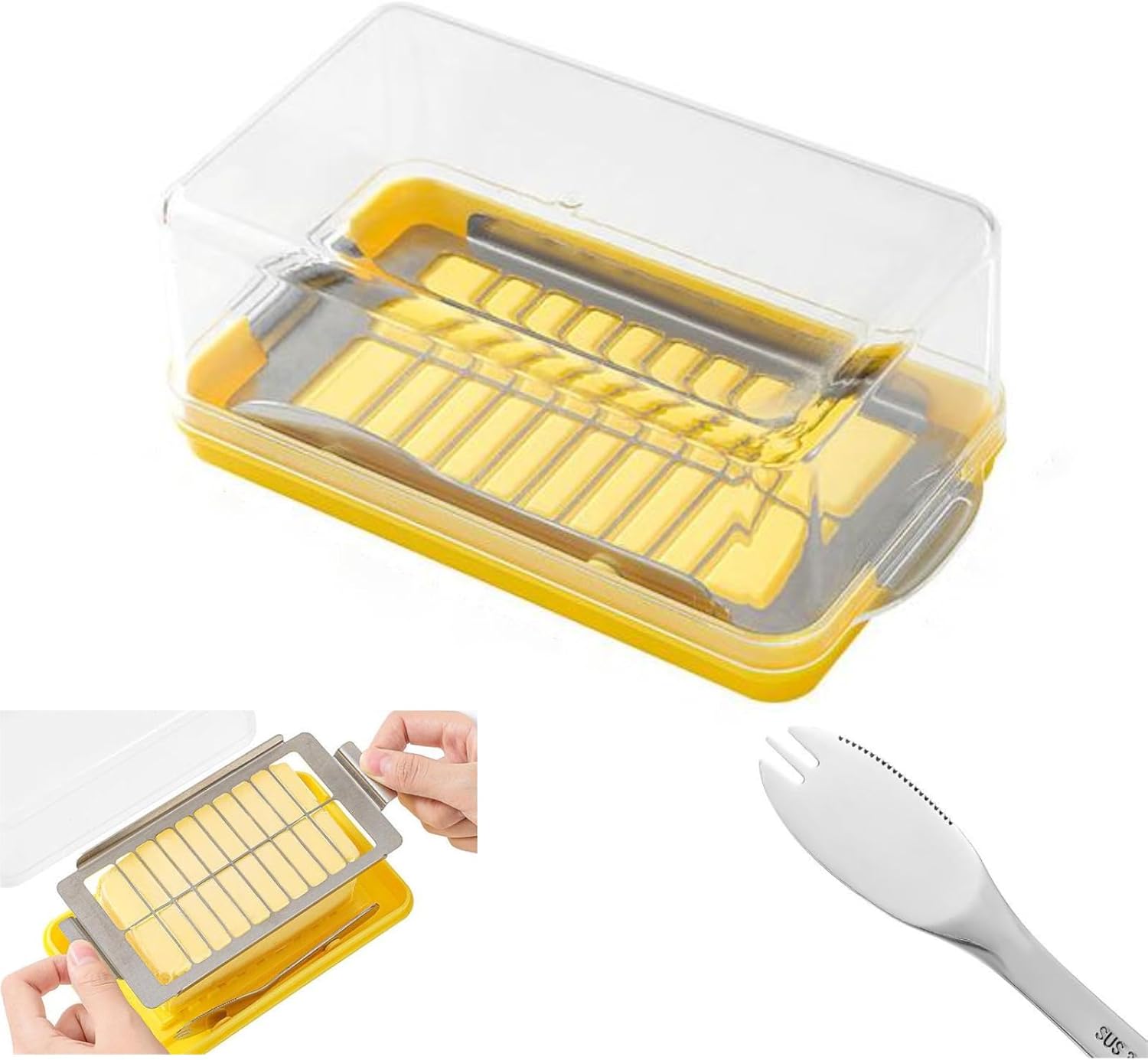
Multi-blade cutters have several blades to cut many slices at once. This saves time during meals.
They are useful for parties or large gatherings. You get uniform slices quickly without much effort.
- Usually made of stainless steel
- Blades spaced evenly for consistent slices
- Good for firm butter to keep shape
Handheld Butter Knives
Handheld butter knives look like regular knives but are designed for butter. They spread and cut easily.
These knives offer control for cutting and spreading. They fit well in any kitchen drawer.
- Made from stainless steel or plastic
- Comfortable handles for easy grip
- Good for soft butter and spreading

Credit: www.amazon.com
Materials And Durability
Choosing the right material for a butter cutter affects its strength and lifespan. Some materials last longer and resist damage better.
Durability helps your butter cutter stay useful even with daily use. It also keeps it safe and easy to clean.
Stainless Steel Options
Stainless steel butter cutters are strong and last a long time. They do not rust or bend easily.
This material stays clean and does not hold smells. It is safe for food and easy to wash.
- Resists rust and corrosion
- Strong and hard to break
- Easy to clean and hygienic
- Works well with cold or warm butter
Plastic And Silicone Choices
Plastic and silicone butter cutters are light and easy to handle. They come in many colors and designs.
These materials do not rust but can wear out faster than metal. Silicone is soft and flexible, good for gentle cutting.
- Lightweight and easy to use
- Resistant to rust and water damage
- Silicone is flexible and soft
- Plastic may crack over time
Wooden Butter Cutters
Wooden butter cutters offer a classic look and feel. They are sturdy but need care to last long.
Wood can absorb moisture and may crack if not dried properly. Regular oiling helps protect the wood.
- Strong and durable with care
- Natural and eco-friendly material
- Needs regular oiling to avoid cracks
- Can absorb smells if not cleaned well
Design And Ergonomics
Choosing a butter cutter with the right design is important. It makes cutting butter easier and more comfortable.
Good ergonomics reduce hand strain and help you work safely. This guide covers what to look for in design and ergonomics.
Grip Comfort
A butter cutter should fit well in your hand. A good grip stops slipping and saves effort.
Look for handles with soft materials or textured surfaces. These add comfort and control.
- Soft rubber or silicone grips reduce hand fatigue
- Textured handles prevent slipping when wet
- Curved shapes fit the natural hand form
Ease Of Use
Choose a butter cutter that works smoothly. It should cut butter without much force.
Simple designs with sharp blades or wires help. Easy cleaning also makes the tool better to use.
- Sharp blades or strong cutting wires
- Simple shapes for quick butter slicing
- Parts that are easy to clean and maintain
Safety Features
Safety is key when picking a butter cutter. Look for features that protect your hands.
Guarded blades and secure handles help avoid cuts. Non-slip bases keep the cutter steady.
- Blade covers or guards to protect fingers
- Non-slip handles for better control
- Stable base to prevent sliding during use
Sizing And Portion Control
Choosing the right butter cutter helps you get the perfect size for each use. It controls how much butter you cut every time.
Good sizing and portion control make cooking and serving easier. It also helps avoid waste.
Adjustable Thickness
Butter cutters with adjustable thickness let you choose how thick each slice is. You can cut thin slices for spreading or thick pieces for cooking.
This feature gives you control over portion size. It fits different recipes and personal preferences.
- Adjust thickness to fit your needs
- Cut thin slices for sandwiches
- Make thick slices for melting
- Save butter by cutting smaller pieces
Pre-measured Slices
Some butter cutters have guides for pre-measured slices. This helps you cut the same size every time.
Pre-measured slices make it easy to follow recipes. They also help keep portion sizes consistent.
- Cut equal slices quickly
- Follow recipe measurements with ease
- Control calories and servings
- Reduce butter waste
Cleaning And Maintenance
Keeping your butter cutter clean helps it last longer. Good care also keeps it safe to use.
Some cutters are easier to clean than others. Knowing how to clean your cutter saves time.
Dishwasher Safe Options
Some butter cutters can be cleaned in the dishwasher. This makes cleaning quick and easy.
Look for cutters labeled dishwasher safe. These are made from materials that handle heat well.
- Usually made of stainless steel or certain plastics
- Check the manufacturer’s instructions before washing
- Place them on the top rack to avoid damage
- Avoid mixing with sharp or heavy items that may cause scratches
Manual Cleaning Tips
Some butter cutters need hand washing. This helps avoid damage and keeps them sharp.
Use warm water and mild soap. Clean all parts to remove butter and crumbs.
- Use a soft sponge or cloth to avoid scratches
- Use a small brush to clean hard-to-reach areas
- Dry the cutter completely to prevent rust
- Store in a dry place after cleaning
Credit: splendorjewels.com
Cost And Value
Choosing a butter cutter means thinking about cost and value. You want a tool that lasts and works well.
Cost can vary a lot. Some cutters are cheap but may break fast. Others cost more but last longer.
Budget-friendly Choices
Budget-friendly butter cutters work well for daily use. They are simple and easy to find. These cutters usually use plastic or basic metal.
They fit small budgets and still cut butter evenly. Some may not last many years but offer good value for the price.
- Look for cutters with sturdy plastic
- Check if the blade is rust-resistant
- Choose simple designs for easy cleaning
- Read reviews to find reliable brands
High-end Models
High-end butter cutters use strong metals like stainless steel. They offer better durability and style. These models often have sharp blades and ergonomic handles.
They cost more but last longer and give a smooth cutting experience. High-end models add value if you use them often or want a premium look.
- Stainless steel for long life and rust resistance
- Comfortable handles for easy grip
- Sharp blades for clean cuts
- Attractive designs that match kitchen decor
User Reviews And Recommendations
Choosing the right butter cutter can make kitchen tasks easier. Reading user reviews helps find the best option. Real experiences show how well a cutter works.
People share what they like and dislike about different brands. This information guides buyers to pick a cutter that fits their needs.
Popular Brands
Some brands get more positive feedback than others. Users often mention ease of use and durability. These brands often appear in reviews:
- OXO – Known for sturdy design and comfortable grip
- Westmark – Popular for sharp blades and safety features
- Chef’n – Praised for compact size and ease of cleaning
- Norpro – Valued for budget-friendly and practical cutters
Many buyers choose these brands because they balance quality and price. Reviews often highlight how these cutters handle regular use.
Customer Experiences
Customers often share their stories about how butter cutters perform. Some focus on blade sharpness while others mention comfort. Here are common points from user feedback:
- Easy to cut butter without crumbling
- Handles cold butter better than simple knives
- Comfortable grip reduces hand strain
- Some cutters are hard to clean
- Durability varies between models
Many users recommend checking reviews to see which cutters last longer. Learning from others’ experiences helps avoid poor choices.
Frequently Asked Questions
What Factors Should I Consider When Choosing A Butter Cutter?
Consider blade material, size, ease of cleaning, and safety features. Also, check if it suits your butter type and kitchen style.
How Does Blade Material Affect Butter Cutting?
Blade material affects durability and cutting smoothness. Stainless steel blades resist rust and provide clean, even slices.
Can A Butter Cutter Improve Kitchen Efficiency?
Yes, a butter cutter saves time by slicing evenly and quickly. It reduces mess and enhances portion control.
What Types Of Butter Cutters Are Best For Home Use?
Handheld cutters and slicers are ideal for home kitchens. They are compact, easy to use, and simple to clean.
Conclusion
Choosing the right butter cutter makes cooking easier and neater. Think about size, material, and comfort before buying. A good cutter saves time and cuts butter smoothly. Simple tools bring joy to daily kitchen tasks. Keep your needs and budget in mind always.
A smart choice helps you enjoy meals more. Take a moment to pick the best fit for you. Small details matter in kitchen tools. Enjoy better butter slicing with the right cutter.