
Keeping your food prep surfaces clean is more important than you might think. Every time you chop vegetables or prepare a meal, those surfaces can become a hotspot for germs and bacteria.
If you don’t sanitize them properly, you risk contaminating your food and making yourself or your family sick. But don’t worry—sanitizing doesn’t have to be complicated. You’ll discover simple, effective tips that will help you keep your kitchen safe and your meals healthy.
Ready to learn how to protect your home and loved ones with easy habits? Let’s dive in.
Choosing The Right Cleaning Supplies
Keeping food prep surfaces clean is important to stop germs and bacteria. The right cleaning supplies make this task easier and safer.
Using the proper products helps protect your kitchen and keeps your food healthy.
Select Food-safe Cleaners
Always pick cleaners that are safe for surfaces where food touches. These products do not leave harmful chemicals behind.
Look for labels that say “food-safe” or “non-toxic” to ensure safety.
Use Disinfectants Approved For Kitchens
Disinfectants kill germs and bacteria on surfaces. Choose ones that are approved for kitchen use.
Check for approval from health authorities to make sure they work well and are safe.
Choose The Right Cleaning Tools
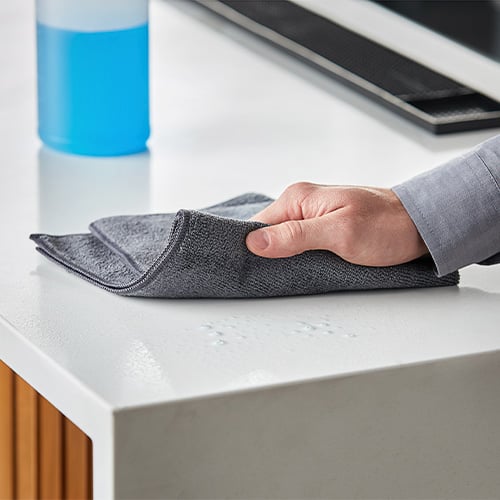
Cleaning tools like sponges and cloths matter. Use tools that do not scratch surfaces or spread germs.
- Use microfiber cloths for gentle cleaning
- Replace sponges often to avoid bacteria build-up
- Use brushes for hard-to-reach areas
Avoid Harsh Chemicals On Delicate Surfaces
Some surfaces like wood or marble can get damaged by strong chemicals. Use gentle cleaners made for these materials.
This keeps your surfaces in good condition and safe for food prep.
Use Disposable Options For High Risk Areas
In places with high risk of contamination, use disposable wipes or cloths. This stops germs from spreading between areas.
Throw them away after each use for better hygiene.
Credit: www.webstaurantstore.com
Effective Cleaning Techniques
Cleaning food prep surfaces is important to keep food safe. Good cleaning removes dirt and germs.
Using the right cleaning techniques helps stop bacteria from spreading. This keeps your kitchen healthy.
Wiping Vs. Scrubbing
Wiping uses a cloth or paper towel to clean surfaces quickly. It removes loose dirt and spills.
Scrubbing uses more force and a brush or sponge. It removes stuck-on food and grime better than wiping.
- Wiping is fast and good for light cleaning
- Scrubbing is better for tough stains and sticky spots
- Scrubbing can reach small cracks where germs hide
- Always clean with a fresh cloth or sponge
The Role Of Hot Water
Hot water helps break down grease and kills many germs on surfaces. It makes cleaning easier.
Use water that is warm but safe to handle. Very hot water can damage some surfaces or cause burns.
- Hot water loosens food particles and oils
- It helps cleaning products work better
- Use hot water with soap for best results
- Rinse surfaces with clean water after washing
Natural Cleaning Solutions
Cleaning food prep surfaces is important to keep food safe. Natural cleaning solutions are safe and easy to use.
These solutions help remove germs and dirt without harsh chemicals. They are good for your home and the environment.
Vinegar And Baking Soda
Vinegar is acidic and kills many germs on surfaces. Baking soda is a gentle scrub that removes stains and odors.
Mixing vinegar and baking soda creates a fizzing action. This helps lift dirt and clean hard surfaces well.
- Sprinkle baking soda on the surface.
- Spray vinegar over the baking soda.
- Let it fizz for a few minutes.
- Wipe clean with a damp cloth.
Lemon Juice Benefits
Lemon juice is natural and has a fresh scent. It contains acid that breaks down grease and kills some bacteria.
You can use lemon juice to wipe down cutting boards and counters. It also helps remove stains and leaves surfaces shiny.
- Apply lemon juice directly to the surface.
- Let it sit for a few minutes.
- Scrub gently if needed.
- Rinse with water and dry.

Credit: www.webstaurantstore.com
Disinfecting High-touch Areas
Keeping food prep surfaces clean helps prevent germs from spreading. High-touch areas need regular disinfecting.
These spots often hold bacteria because many hands touch them daily. Cleaning them well keeps food safe.
Handles And Knobs
Handles and knobs on cabinets, drawers, and appliances get touched often. They can carry germs easily.
Use a disinfectant spray or wipe to clean these areas daily. Focus on all sides of handles and knobs.
- Spray disinfectant on a cloth, not directly on handles
- Wipe thoroughly including edges and underneath parts
- Allow surfaces to air dry for full disinfection
- Clean before and after food prep for best results
Cutting Boards
Cutting boards can hold food particles and bacteria if not cleaned well. They need special care.
Wash boards with hot soapy water after each use. Use a disinfectant safe for food surfaces to sanitize.
- Use separate boards for meat and vegetables to avoid cross-contamination
- Scrub boards with a brush to remove food bits
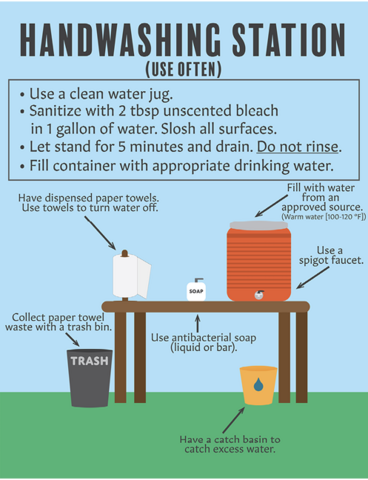
- Disinfect with a solution of one tablespoon bleach per gallon of water
- Rinse well and let dry standing up to air out
Preventing Cross-contamination
Cross-contamination happens when harmful bacteria spread from one surface to another. It can cause foodborne illnesses.
Cleaning and sanitizing food prep surfaces help stop this spread. Use smart tools and good habits to keep food safe.
Color-coded Tools
Using color-coded tools helps separate tasks in the kitchen. It stops germs from moving between raw and cooked foods.
Assign colors for different food groups. For example, red for raw meat and green for vegetables.
- Red tools for raw meat
- Yellow tools for poultry
- Green tools for fruits and vegetables
- Blue tools for seafood
- White tools for cooked foods
Separate Cutting Surfaces
Use different cutting boards for different foods. This reduces the chance of bacteria spreading.
Keep boards for raw meat away from those for vegetables or bread. Clean and sanitize boards after each use.
- One board for raw meat and poultry
- One board for fruits and vegetables
- One board for cooked foods
- Clean boards with hot, soapy water after use
- Sanitize boards regularly with a safe solution
Credit: extension.msstate.edu
Regular Cleaning Schedule
Keeping food prep surfaces clean is important to stop germs. A regular cleaning plan helps keep your kitchen safe.
Cleaning often stops bacteria from spreading. It also makes your kitchen look neat and organized.
Daily Maintenance
Clean surfaces every day before and after use. Wipe spills and crumbs quickly to avoid build-up.
Use warm water and soap to remove dirt. Then, apply a food-safe sanitizer to kill germs.
- Clear all food debris
- Wash with soap and water
- Rinse surfaces well
- Apply sanitizer and let air dry
Deep Cleaning Routine
Do a deep clean once a week or after heavy use. Focus on corners and less visible areas.
Remove any equipment on surfaces. Scrub with a strong cleaner and rinse well. Finish with a sanitizer spray.
- Remove all items from surfaces
- Scrub with a baking soda paste or cleaner
- Rinse thoroughly with water
- Spray sanitizer and allow drying
- Clean tools and cloths used for cleaning
Storage Solutions For Cleanliness
Keeping food preparation areas clean is vital for safe cooking. Proper storage helps stop germs and dirt from spreading.
Organizing utensils and food correctly supports a clean kitchen and prevents contamination.
Proper Utensil Storage
Store utensils in dry, clean places to avoid bacteria growth. Use containers or racks that keep items upright and separated.
Keep knives, spoons, and forks apart to stop cross-contamination. Clean utensils before putting them away.
- Use utensil holders with drainage holes
- Store knives in a block or magnetic strip
- Keep utensils off countertops
- Dry utensils completely before storing
Safe Food Storage
Store food in sealed containers to keep it fresh and safe. Label containers with dates to track freshness.
Keep raw and cooked foods separate to prevent germs from spreading. Store food off the floor and away from cleaning supplies.
- Use airtight containers for leftovers
- Keep raw meat on the bottom shelf in the fridge
- Store fruits and vegetables in separate bins
- Check and clean storage areas regularly
Common Mistakes To Avoid
Cleaning food prep surfaces is very important for safe cooking. Many people make simple errors that can lead to germs staying on surfaces.
Knowing what mistakes to avoid helps keep your kitchen clean and your food safe.
Not Cleaning Surfaces Before Sanitizing
Many people skip cleaning dirt and food bits before using sanitizer. Dirt can stop the sanitizer from working well.
Always wash the surface with soap and water before applying sanitizer.
Using The Wrong Sanitizer
Some cleaners do not kill all germs or are unsafe for food surfaces. Using the wrong product can cause harm or leave bacteria behind.
Choose a sanitizer made for kitchen use and follow the instructions carefully.
Not Letting The Sanitizer Sit Long Enough
Sanitizers need time to kill germs. Wiping off too soon can leave germs alive.
Check the label for how long to keep the sanitizer on the surface before wiping.
Using Dirty Cloths Or Sponges
Cleaning surfaces with dirty cloths can spread germs instead of removing them. It also makes the surface less clean.
Use fresh, clean cloths or disposable wipes every time you sanitize.
Ignoring Cross-contamination Risks
Using the same cloth or sponge for raw meat and fresh vegetables spreads bacteria. This can cause food poisoning.
Use separate cleaning tools for different food types and surfaces to stop cross-contamination.
Not Sanitizing Often Enough
Food prep surfaces get dirty fast. Waiting too long to clean and sanitize lets germs grow.
Sanitize surfaces before and after food prep to keep the kitchen safe.
Benefits Of Maintaining Hygiene
Keeping food prep surfaces clean helps stop germs from spreading. It makes your kitchen safer for cooking.
Good hygiene lowers the risk of foodborne illnesses. It protects your health and the health of others.
Prevents Cross-contamination
Cleaning surfaces stops bacteria from moving between foods. This keeps raw and cooked foods safe.
It is important to clean after handling raw meat or vegetables. This reduces the chance of making food unsafe.
Reduces Foodborne Illness
Sanitizing surfaces kills harmful germs. This lowers the chance of getting sick from food.
Regular cleaning helps stop bacteria like Salmonella and E. coli from growing on surfaces.
Keeps Kitchen Environment Clean
Clean surfaces make your kitchen look tidy and inviting. This creates a better space for cooking.
A clean kitchen also helps control pests like flies and rodents that carry germs.
Improves Food Taste And Quality
Hygienic surfaces prevent odors and flavors from mixing. Food tastes fresher and better.
Cleaning stops old food particles from spoiling new meals. This keeps food quality high.
Supports Healthy Habits
Keeping surfaces clean encourages good habits like washing hands and using clean tools. These habits protect health.
Healthy habits in the kitchen spread to other parts of life. They help prevent illness overall.
Frequently Asked Questions
How Often Should Food Prep Surfaces Be Sanitized?
Food prep surfaces should be sanitized after every use. This prevents bacteria buildup and cross-contamination. Regular cleaning reduces foodborne illness risks. Always sanitize before and after handling raw foods.
What Are The Best Sanitizers For Food Prep Surfaces?
Use food-safe sanitizers like diluted bleach, vinegar solutions, or commercial food surface sanitizers. Avoid harsh chemicals that leave residues. Follow manufacturer instructions for safe use and effective sanitization.
Can Natural Products Effectively Sanitize Food Prep Surfaces?
Yes, natural products like vinegar and hydrogen peroxide can sanitize. They kill many bacteria but may not eliminate all pathogens. Combine with regular cleaning for the best results.
Should Cutting Boards Be Sanitized Differently Than Countertops?
Cutting boards require more frequent sanitizing due to direct food contact. Use hot, soapy water and a sanitizer after each use. Replace boards with deep cuts to avoid bacteria hiding spots.
Conclusion
Keeping food prep surfaces clean helps stop germs and keeps food safe. Use soap, water, and a good sanitizer often. Clean spills quickly to avoid bacteria growth. Always let surfaces dry before using them again. Regular cleaning protects your family’s health.
Simple habits make a big difference in the kitchen. Stay safe and enjoy your meals without worry. Clean surfaces mean healthier cooking every day. Easy steps keep your kitchen fresh and safe.