
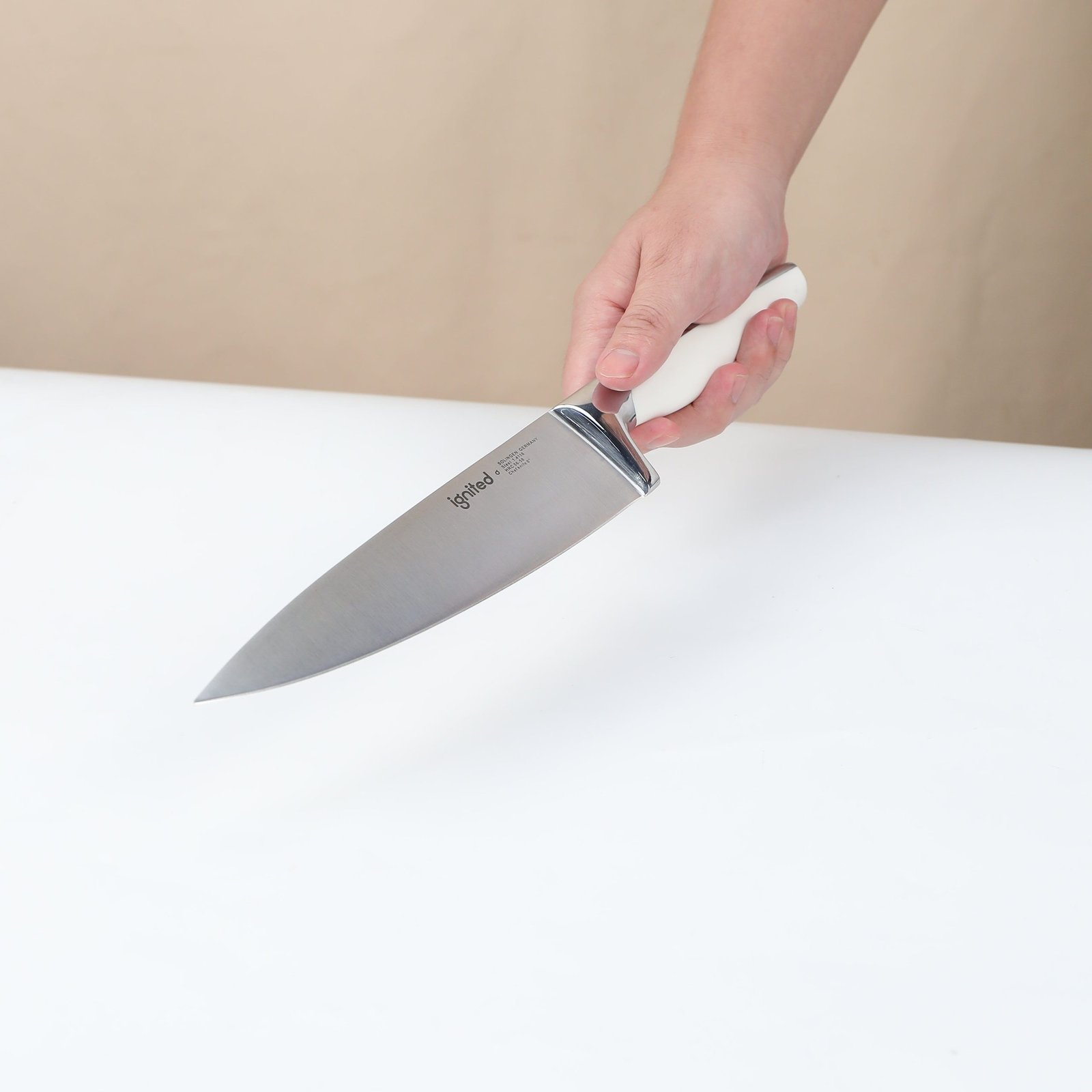
When you’re in the kitchen, knives are your best friends—but they can also be dangerous if you’re not careful. You want to chop, slice, and dice with confidence, without worrying about cuts or accidents.
What if you could handle your knives like a pro, making cooking safer and easier every time? You’ll discover simple, practical tips that keep your hands safe and your meals perfect. Keep reading, and turn your kitchen into a safer space where you can enjoy every moment of cooking.
Choosing The Right Knife
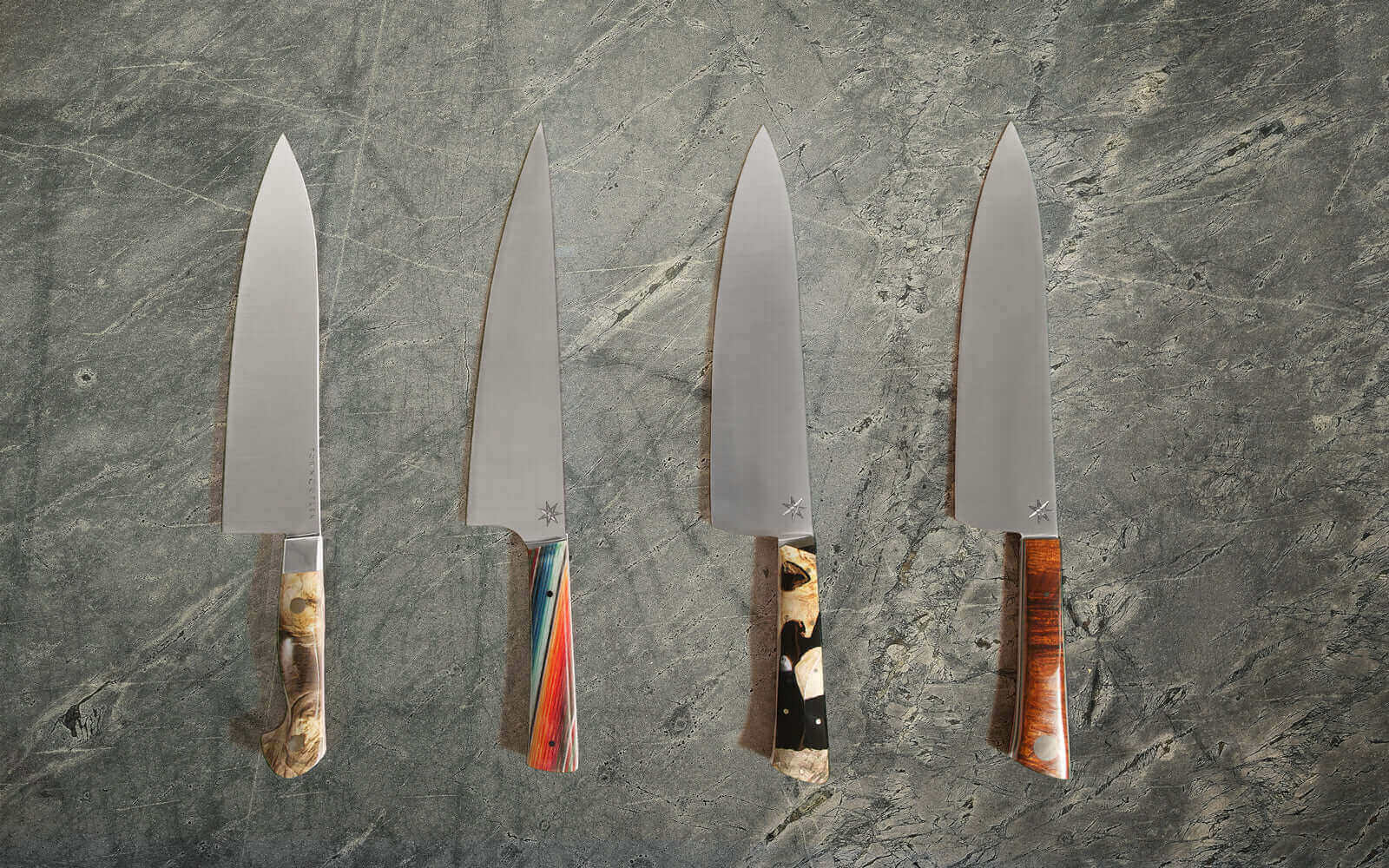
Choosing the right knife is important for safety and efficiency in the kitchen. A good knife helps you cut food easily and reduces the chance of accidents.
Not all knives are the same. Different knives serve different purposes. Picking the right type makes cooking safer and faster.
Types Of Kitchen Knives
There are many types of kitchen knives. Each one has a special use. Knowing the types helps you choose the best knife for your task.
- Chef’s Knife:A multipurpose knife for chopping, slicing, and dicing.
- Paring Knife:Small knife for peeling and trimming fruits and vegetables.
- Serrated Knife:Has saw-like edges, good for cutting bread and tomatoes.
- Utility Knife:Medium-sized knife used for various cutting tasks.
- Boning Knife:Thin blade for removing bones from meat and fish.
Factors To Consider
Choose a knife that feels comfortable in your hand. The right size and weight help you control the knife better.
Look at the blade material. High-quality steel stays sharp longer and resists rust. The handle should provide a good grip and not slip.
- Blade sharpness and material
- Handle comfort and grip
- Knife size and weight
- Purpose of the knife
- Ease of cleaning and maintenance
Credit: towncutler.com
Knife Handling Techniques
Using knives safely in the kitchen is very important. Proper handling helps avoid accidents and injuries.
Learning good knife techniques makes cutting easier and safer. Focus on grip and movement for control.
Proper Grip
Hold the knife firmly but not too tight. A good grip keeps the knife steady and prevents slipping.
Place your thumb and index finger on the blade’s sides. Wrap your other fingers around the handle.
- Keep your grip close to the blade for better control
- Do not hold the knife only by the handle
- Use your dominant hand for the grip
Controlled Movements
Move the knife slowly and steadily. Avoid fast or wild cuts to reduce the risk of injury.
Use smooth, even strokes. Let the sharp blade do the work without forcing it.
- Keep your fingers curled on the hand holding the food
- Cut away from your body and fingers
- Use a cutting board for a stable surface
Maintaining Sharpness
Keeping your kitchen knives sharp is important for safety and cutting ease. Dull knives need more force and can slip.
Sharp knives cut cleanly and reduce the chance of accidents in the kitchen. Regular care helps maintain their sharpness.
Honing Vs. Sharpening
Honing and sharpening are two ways to keep knives sharp, but they work differently. Honing straightens the blade edge.
Sharpening removes metal to create a new sharp edge. Honing is done often. Sharpening is done less.
- Honing:Realigns the blade edge without removing much metal.
- Sharpening:Grinds the blade to form a new edge by removing metal.
- Honing keeps the blade straight between sharpenings.
- Sharpening is needed when the blade becomes dull or damaged.
Tools For Sharpening
Several tools help sharpen knives. Each tool works best for different skill levels and knife types.
Choosing the right tool can keep your knives sharp and safe to use.
- Whetstone:A flat stone that you wet. You slide the blade across it to sharpen.
- Sharpening steel:Used mainly for honing, not full sharpening.
- Electric sharpeners:Quick and easy but can remove too much metal.
- Manual sharpeners:Handheld devices with slots for sharpening blades.
Safe Cutting Practices
Using knives safely in the kitchen helps prevent accidents and injuries. Following safe cutting practices keeps you and others safe.
Learn simple tips to use knives carefully. Proper techniques improve your control and reduce risks.
Using A Cutting Board
Always use a cutting board to protect your countertop and knife. It gives a stable surface for cutting.
Place a damp cloth under the board to stop it from slipping. This helps keep the board steady while you cut.
- Choose a board made of wood or plastic
- Keep the board clean to avoid germs
- Use separate boards for raw meat and vegetables
- Replace boards that have deep cuts or cracks
Chop And Slice Safely
Hold the knife firmly and cut with controlled, smooth motions. Avoid rushing to reduce the chance of slips.
Use a claw grip with your other hand to hold food. Curl your fingers inward to protect your fingertips.
- Keep knife blades sharp for better control
- Cut away from your body, not toward it
- Slice with a rocking motion for even cuts
- Keep the tip of the knife on the board when slicing
- Do not use your knife to open cans or pry items
Storage Solutions
Storing knives safely helps prevent accidents in the kitchen. Proper storage also keeps knives sharp longer.
Choosing the right storage method protects both you and your tools. Let’s look at popular options for knife storage.
Knife Blocks
Knife blocks are common in many kitchens. They hold knives upright and keep blades covered.
Blocks help organize knives by size and type. They also make knives easy to find and grab.
- Keep blocks on a stable surface away from edges
- Clean blocks regularly to avoid dirt buildup
- Insert knives fully to prevent blades from sticking out
Magnetic Strips
Magnetic strips hold knives on a wall or cabinet. This saves countertop space.
Magnets keep blades visible and easy to grab. Make sure the strip is strong enough to hold heavy knives.
- Mount strips at a safe height to keep knives out of children’s reach
- Clean knives before placing them on the magnet
- Place knives blade down or sideways to avoid accidents
Safety In Storage
Safe knife storage reduces cuts and injuries. Always store knives with blades covered or away.
Keep knives out of reach of children. Use locks or place knives high if needed.
- Never leave knives loose in drawers
- Use blade guards or sheathes for extra protection
- Check storage tools regularly for damage or wear

Credit: www.youtube.com
Cleaning And Maintenance
Keeping kitchen knives clean and well-maintained makes them last longer. Proper care also keeps them sharp and safe to use.
Regular cleaning removes food and germs. Good maintenance prevents rust and damage.
Avoiding Dishwasher Damage
Do not put knives in the dishwasher. The heat and detergent can harm the blade and handle.
Hand wash knives with warm water and mild soap. Rinse them well to remove all soap.
- Dishwasher heat can dull the blade
- Detergents can corrode metal
- Knives may hit other items and get damaged
- Wood handles can crack or warp
Drying And Storing
Dry knives immediately after washing. Water left on the blade can cause rust and stains.
Store knives safely to keep blades sharp and to avoid accidents. Use a knife block, magnetic strip, or blade covers.
- Use a soft cloth to dry knives
- Never leave knives wet in a sink
- Store knives out of reach of children
- Keep blades from touching other utensils
First Aid For Cuts
Knives are common in the kitchen but can cause cuts. Knowing first aid helps reduce harm and speed healing.
Act quickly and carefully to treat any cut. This guide explains what to do right away and when to get help.
Immediate Steps
Stop the bleeding by pressing gently on the cut with a clean cloth. Keep pressure for several minutes.
Clean the cut with water to remove dirt. Avoid using strong chemicals or soap inside the wound.
- Wash your hands before touching the cut
- Apply gentle pressure with a sterile cloth
- Rinse the wound with clean, cool water
- Pat dry and cover with a clean bandage
When To Seek Medical Help
See a doctor if the cut is deep, won’t stop bleeding, or shows signs of infection. Also seek help if you need stitches.
- Bleeding lasts more than 10 minutes
- Cut is deep or gaping
- Visible dirt or debris inside the wound
- Signs of infection like redness, swelling, or pus
- You have not had a tetanus shot in 5 years
- Loss of feeling or movement near the cut
Children And Knife Safety
Knives are sharp tools that need careful handling, especially around children. Teaching kids how to use knives safely helps prevent accidents.
Parents and caregivers must create a safe kitchen space. This keeps children safe while they learn cooking skills.
Teaching Safe Use
Start by explaining the dangers of knives clearly. Show children how to hold and use knives correctly.
Use child-friendly knives or plastic knives for practice. Teach them to cut away from their bodies.
- Hold the knife firmly with the right hand
- Keep fingers curled on the other hand
- Cut on a stable surface like a cutting board
- Never run or play with knives
Supervision Tips
Always watch children closely when they use knives. Stay close enough to help if needed.
Set clear rules about knife use. Remind children to ask for help if they feel unsure.
- Do not leave knives within reach unsupervised
- Guide children step-by-step during cutting tasks
- Keep the kitchen calm to avoid distractions
- Store knives safely after use
Common Mistakes To Avoid
Using knives in the kitchen needs care and attention. Many accidents happen because of simple mistakes.
Knowing what to avoid helps keep you safe and your food preparation smooth.
Using Dull Knives
Dull knives can be more dangerous than sharp ones. They need more force, which increases the chance of slipping.
Always keep your knives sharp. A sharp knife cuts easily and safely.
- Dull blades make cutting harder
- More pressure can cause loss of control
- Sharp knives reduce accidents
- Regularly sharpen your knives
Improper Cutting Techniques
Using the wrong cutting methods can cause injury. Always hold the knife and food properly.
Keep your fingers safe by tucking them away from the blade. Use smooth, controlled movements.
- Do not cut towards your hand or body
- Use a stable cutting board
- Keep fingers curled back on the hand holding the food
- Cut with steady, even strokes

Credit: survival-mastery.com
Frequently Asked Questions
How To Hold A Knife Safely In The Kitchen?
Hold the knife firmly with your dominant hand. Grip the handle close to the blade. Keep fingers curled to avoid cuts. This grip offers control and reduces accidents during chopping or slicing tasks.
What Are The Best Knives For Kitchen Safety?
Choose knives with non-slip handles and balanced weight. Sharp blades cut more safely than dull ones. Opt for high-quality stainless steel for durability. Proper knives reduce slips and improve cutting precision.
How To Properly Store Kitchen Knives Safely?
Store knives in a knife block, magnetic strip, or sheath. Avoid loose storage in drawers to prevent accidents. Proper storage protects blades and keeps them out of children’s reach.
What Cutting Surfaces Are Safest For Knives?
Use wooden or plastic cutting boards. These surfaces protect the blade and prevent slipping. Avoid glass or marble boards as they dull knives quickly and increase injury risk.
Conclusion
Safe knife use protects you and others in the kitchen. Always pay close attention while cutting. Keep your knives sharp and clean for better control. Store knives safely to avoid accidents. Practice these tips daily to build good habits. Safety starts with careful handling and respect for tools.
Your kitchen stays safer and cooking becomes easier. Stay alert, use knives wisely, and enjoy your cooking time.