
When you pick up a cutting tool, safety should be your top priority. Whether you’re using a knife, saw, or any sharp instrument, one small slip can lead to serious injury.
You want to finish your task quickly and well, but that won’t happen if you get hurt along the way. You’ll discover simple yet powerful tips that keep your hands safe and your work precise. Keep reading to protect yourself and make every cut count.
Choosing The Right Tool
Using cutting tools safely starts with picking the right one. The right tool makes cutting easier and safer.
Choosing the correct tool depends on what you need to cut and the size of the material.
Understanding Material Requirements
Different materials need different cutting tools. Hard materials like metal need strong tools.
Soft materials like paper or fabric need sharp but gentle tools to avoid damage.
- Use metal cutters for steel or aluminum
- Use utility knives for cardboard and plastic
- Use scissors for fabric and paper
- Use saws for wood and thick materials
Selecting The Appropriate Size
Choose a tool size that fits the job. Small tools work best for detail work.
Large tools are better for big jobs or thick materials to keep control and safety.
- Small blades for thin materials and precise cuts
- Medium tools for general use and moderate thickness
- Large tools for heavy materials and long cuts

Credit: www.livowalny.com
Inspecting Tools Before Use
Always check your cutting tools before starting any work. This helps keep you safe and your tools working well.
Inspecting tools prevents accidents caused by faulty or damaged equipment.
Checking For Wear And Damage
Look closely at blades, handles, and other parts for signs of wear. Cracks, rust, or chips can cause tools to break.
Do not use tools that show any damage. Replace or repair them before use.
- Check blade edges for dullness or chips
- Look for cracks in handles or guards
- Watch for rust or corrosion on metal parts
- Ensure screws and bolts are tight and not missing
Ensuring Proper Functionality
Test your cutting tools to make sure they work smoothly. Moving parts should not stick or wobble.
Check that safety features like blade guards are in place and working correctly.
- Open and close the tool to test smooth motion
- Make sure blades lock securely in place
- Verify that safety locks engage properly
- Sharpen dull blades before use
Personal Protective Equipment
Using cutting tools can be dangerous without the right protection. Personal protective equipment helps keep you safe from cuts and injuries.
Wearing proper gear reduces risks and makes your work safer and more comfortable.
Essential Gear For Safety
There are several important pieces of equipment you should wear when using cutting tools. These protect your body from sharp edges and flying debris.
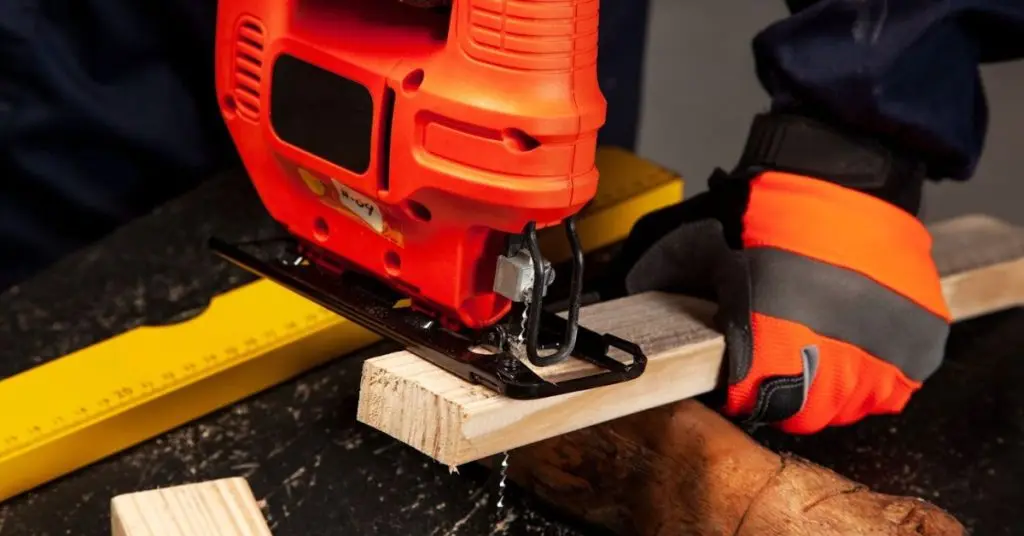
- Safety goggles to protect your eyes
- Cut-resistant gloves to shield your hands
- Long sleeves and pants to cover your skin
- Steel-toed boots to protect your feet
- Hearing protection if the tool is loud
Proper Usage Of Safety Equipment
Wearing gear is not enough; you must use it correctly. Make sure equipment fits well and is in good condition.
Check your gear before each use. Replace any worn or damaged items right away to stay safe.
- Put on goggles before starting work
- Wear gloves that fit snugly without limiting movement
- Keep sleeves rolled down to protect your arms
- Use hearing protection during long or noisy tasks
- Clean and store equipment properly after use
Credit: www.vevor.com
Safe Handling Techniques
Using cutting tools safely helps prevent accidents and injuries. Learning proper handling techniques is important for everyone.
This guide covers key tips to keep you safe when working with knives, scissors, and other cutting tools.
Correct Grip And Posture
Hold cutting tools firmly but not too tight. A steady grip gives better control and reduces slips.
Stand or sit with a straight back. Keep your arms close to your body for stability.
- Use your dominant hand to hold the tool
- Keep fingers away from the blade path
- Keep your work surface at a comfortable height
- Position your body to face the cutting direction
Avoiding Distractions While Cutting
Focus fully on your task to avoid accidents. Distractions can cause slips or wrong cuts.
Keep your workspace clear and quiet. Turn off phones or other devices that may interrupt you.
- Cut in a well-lit area
- Do not talk or look away while cutting
- Ask others to avoid disturbing you
- Take breaks if you feel tired or lose focus
Proper Tool Maintenance
Keeping cutting tools in good shape is key for safety. Proper maintenance helps tools work well and last longer.
Regular care reduces accidents and keeps your work smooth. Focus on cleaning, lubrication, and sharpening.
Regular Cleaning And Lubrication
Cleaning cutting tools after use removes dirt and debris. This stops rust and damage.
Lubricate moving parts to keep them working smoothly. Use the right oil or grease for your tool.
- Wipe blades with a dry cloth after use
- Use a brush to remove stuck debris
- Apply light oil on metal parts to prevent rust
- Check for loose screws or parts during cleaning
Sharpening Blades And Edges
Dull blades need more force and can slip easily. Keep edges sharp for safe cutting.
Use the right sharpening tool for each blade type. Sharpen regularly to maintain clean cuts.
- Use a sharpening stone or file for hand tools
- Follow the original blade angle when sharpening
- Clean blades before and after sharpening
- Wear safety gloves to protect your hands
Safe Storage Practices
Storing cutting tools safely helps prevent accidents and keeps tools in good shape. Proper storage also saves time by making tools easy to find.
Using smart storage methods stops damage to blades and handles. It also protects everyone at home or work from harm.
Organized Storage Solutions
Keep cutting tools in a dedicated space with clear organization. Use racks, pegboards, or toolboxes to separate each item.
Label storage spots so you can quickly find and return tools. This reduces clutter and lowers the chance of injury.
- Use wall-mounted pegboards for hanging tools
- Store blades in protective sheaths or cases
- Keep similar tools grouped together
- Use drawer organizers to avoid loose tools
Keeping Tools Out Of Reach Of Children
Cutting tools must be stored where children cannot reach them. This helps stop accidents and injuries in the home.
Use high shelves or locked cabinets to keep tools safe. Teach children that tools are not toys and should only be used by adults.
- Install child-proof locks on tool cabinets
- Store tools above eye level or in locked boxes
- Do not leave tools unattended in open areas
- Regularly check that safety locks are working
Emergency Procedures
Using cutting tools can cause injuries if not handled carefully. Knowing what to do in an emergency helps reduce harm.
Follow clear steps right after a cut to control bleeding and prevent infection. Stay calm and act quickly.
First Aid For Cutting Injuries
Stop the bleeding by pressing a clean cloth on the wound. Keep pressure until the bleeding slows or stops.
Clean the cut gently with water to remove dirt. Avoid using strong chemicals on the wound.
- Apply a sterile bandage to protect the cut
- Keep the injured part raised above the heart level
- Watch for signs of infection like redness or swelling
When To Seek Professional Medical Help
Get medical help if the cut is deep or bleeding does not stop after 10 minutes of pressure.
See a doctor if you notice signs of infection or if you cannot clean the wound well.
- Bleeding that soaks through bandages quickly
- Cut exposes muscles, bones, or tendons
- Loss of feeling or movement near the cut
- Tetanus shot is needed or not up to date
- Cut caused by dirty or rusty tools

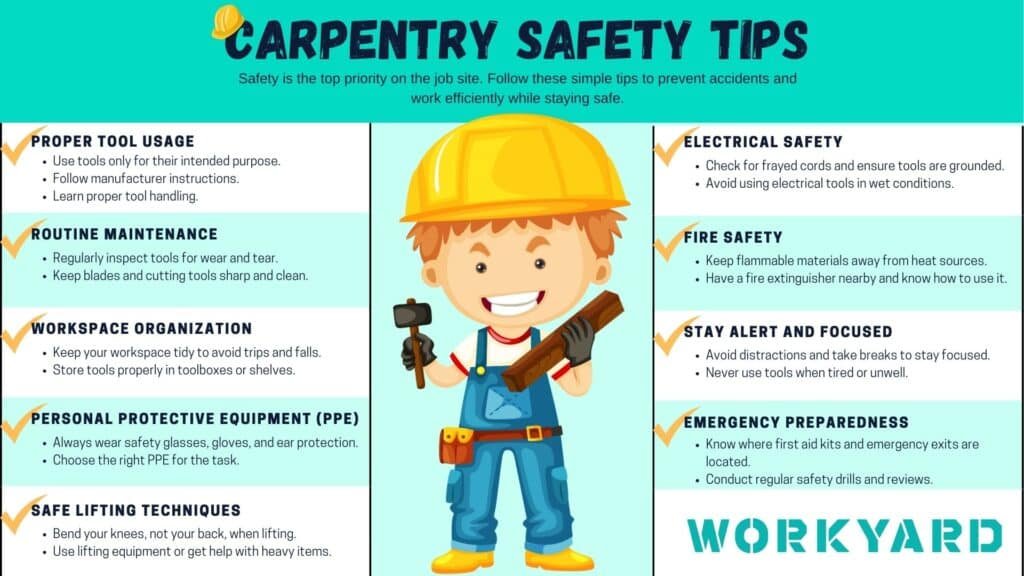
Credit: www.workyard.com
Frequently Asked Questions
What Are The Essential Safety Tips For Using Cutting Tools?
Always wear protective gear like gloves and goggles. Use sharp blades and handle tools with care. Keep your workspace clean and focus on the task to avoid accidents. Store tools safely after use to prevent injuries.
How Can I Maintain Cutting Tools For Safe Use?
Regularly clean and sharpen blades to ensure efficient cutting. Lubricate moving parts to prevent rust and damage. Inspect tools for wear or cracks before use. Proper maintenance extends tool life and enhances safety during use.
Why Is Proper Technique Important With Cutting Tools?
Using the correct technique reduces the risk of slips and injuries. It ensures precise cuts and better control over the tool. Proper handling also minimizes blade damage and improves overall safety during cutting tasks.
What Should I Do If A Cutting Tool Blade Breaks?
Stop using the tool immediately to avoid injury. Replace the broken blade with the correct type and size. Inspect the tool for any damage before resuming work. Always handle broken blades carefully to prevent cuts.
Conclusion
Safe use of cutting tools protects you and others around. Always wear safety gear like gloves and goggles. Keep tools sharp and clean for better control. Focus on your work to avoid careless mistakes. Store tools properly to prevent accidents at home.
Practice these tips every time you use cutting tools. Stay alert and respect the power of these tools. Safety helps you finish tasks quickly and without harm. Remember, careful handling keeps your hands and fingers safe. Use cutting tools wisely for a safer workspace every day.