
Are you sure your perishable foods are stored safely? Keeping fruits, vegetables, dairy, and meats fresh isn’t just about avoiding waste—it’s about protecting your health.
One small mistake in storage can lead to spoiled food or even foodborne illness. You’ll discover simple, effective tips that make a big difference. By following these easy steps, you’ll save money, reduce stress, and enjoy your meals without worry.
Keep reading to learn how to store your perishable foods the right way every time.

Credit: www.bostonglobe.com
Choosing The Right Storage Containers
Perishable foods need special care for safe storage. Choosing the right containers helps keep them fresh longer.
Proper storage containers prevent spoilage and waste. They are essential for maintaining food quality.
Materials That Preserve Freshness
Different materials have unique benefits for food storage. Some materials are better at preserving freshness.
- Glass containers are non-reactive and preserve flavors.
- Plastic containers are lightweight and durable.
- Stainless steel is strong and resists bacteria.
Size And Shape Considerations
Size and shape of containers affect storage efficiency. Choose wisely to make the most of your space.
- Smaller containers reduce air exposure for leftovers.
- Stackable shapes save space in the fridge.
- Wide openings make it easy to access food.
Sealing Techniques For Longevity
Sealing techniques are key for prolonging freshness. Proper seals keep air and moisture out.
- Airtight lids prevent contamination.
- Vacuum seals remove excess air.
- Snap-lock lids are easy to use and secure.
Optimal Temperature Settings
Keeping perishable foods safe depends on the right temperature. Proper cooling slows bacteria growth.
Set your fridge and freezer to correct levels. This helps food last longer and stay fresh.
Refrigerator Temperature Tips
Keep your refrigerator at or below 40°F (4°C). This temperature stops most bacteria from growing fast.
Use a fridge thermometer to check the temperature often. Avoid overloading the fridge to allow air flow.
- Set fridge between 35°F and 40°F (1.7°C to 4.4°C)
- Keep thermometer inside for accurate reading
- Do not pack food too tightly
- Place raw meat on bottom shelf to avoid drips
Freezer Best Practices
Freezers should stay at 0°F (-18°C) or below. This keeps food frozen and safe for a long time.
Check the freezer temperature regularly. Avoid thawing and refreezing food to keep quality high.
- Set freezer temperature to 0°F (-18°C) or lower
- Use a freezer thermometer for accuracy
- Keep freezer full but not overloaded
- Wrap food tightly to prevent freezer burn
Avoiding Temperature Fluctuations
Sudden temperature changes can spoil food faster. Open fridge and freezer doors only when needed.
Keep appliances away from heat sources. Maintain good seals on doors to keep cold air inside.
- Limit opening fridge and freezer doors
- Check door seals for tight fit
- Do not place fridge near ovens or direct sunlight
- Organize food to reduce door open time
Proper Food Handling Before Storage
Storing perishable foods safely starts with handling them the right way. Proper care keeps food fresh and reduces the risk of spoilage.
Learn simple steps to prepare your food before putting it away. This helps keep your food safe and tasty for longer.
Cleaning And Drying Foods
Wash fruits and vegetables under cold running water. This removes dirt, bacteria, and chemicals.
After washing, dry foods gently with a clean towel or paper towel. Moisture can speed up spoilage if left on the food.
- Use a vegetable brush for firm produce like potatoes.
- Do not use soap or bleach on food.
- Dry leafy greens by spinning them in a salad spinner.
Prepping For Extended Storage
Trim and cut foods before storing if you plan to keep them longer. This helps save space and speeds up thawing if frozen.
Use airtight containers or freezer bags for longer storage. Remove as much air as possible to prevent freezer burn.
- Label containers with the date of storage.
- Divide large portions into smaller packs.
- Use freezer-safe materials to protect food quality.
Separating Different Food Types
Keep raw meats separate from ready-to-eat foods. This prevents cross-contamination and foodborne illness.
Store foods in different containers or shelves. Use sealed packages to avoid mixing juices or odors.
- Place raw meat on the bottom shelf of the fridge.
- Store fruits and vegetables in separate bins.
- Keep dairy products away from strong-smelling foods.
Labeling And Organization
Keeping perishable foods safe starts with good labeling and organization. It helps you know what you have and when to use it.
Organized storage reduces waste and prevents food from spoiling. Clear labels and smart placement keep food fresh longer.
Date Marking Systems
Date marking shows when food was stored or should be used by. It helps you track freshness easily.
Use simple labels with the date you opened or stored the food. Write the use-by or expiration date clearly.
- Label all containers and packages
- Use waterproof markers or printed labels
- Include both storage date and use-by date
- Update labels if food is transferred to new containers
First In, First Out Method
First In, First Out means using older food before newer food. This prevents food from going bad.
Place new items behind older ones in your fridge or pantry. Always check dates before using food.
- Arrange foods by date, oldest in front
- Use older foods before opening new packages
- Regularly check and remove expired items
- Teach family or staff to follow this system
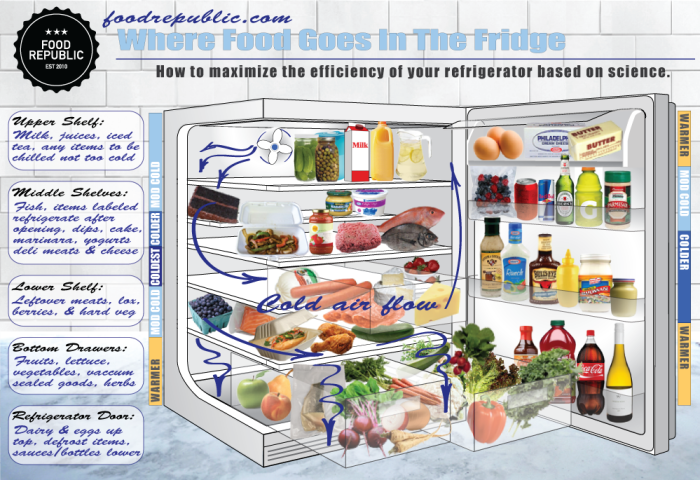
Storage Zones In Appliances
Different parts of your fridge or freezer keep foods fresh for different times. Knowing zones helps proper storage.
Store raw meat in the coldest zone to stop bacteria growth. Keep fruits and vegetables in drawers to stay fresh.
| Appliance Zone | Best Use | Temperature |
|---|---|---|
| Top Shelf | Ready-to-eat foods | 36-40°F (2-4°C) |
| Middle Shelf | Dairy products | 36-40°F (2-4°C) |
| Bottom Shelf | Raw meat and fish | 34-38°F (1-3°C) |
| Vegetable Drawers | Fruits and vegetables | 38-42°F (3-6°C) |
Avoiding Cross-contamination
Cross-contamination happens when harmful germs spread from one food to another. It can cause food poisoning and illness.
Safe storage of perishable foods helps stop this problem. Keep foods separate and clean to protect your health.
Storing Raw And Cooked Foods Separately
Raw foods like meat, poultry, and fish can carry germs. Cooked foods are safer because heat kills bacteria.
Store raw and cooked foods in different areas. This stops germs from raw food touching cooked food.
- Use lower shelves for raw meats to catch drips
- Place cooked foods on higher shelves
- Keep sealed containers to avoid leaks
Using Dedicated Containers
Use separate containers for raw and cooked foods. This prevents germs from spreading between foods.
Choose containers that seal tightly. Label them to avoid confusion and keep your kitchen safe.
- Plastic or glass containers with lids are best
- Use color-coded containers for easy sorting
- Always clean containers before reuse
Cleaning Storage Areas Regularly
Clean your fridge and pantry often. Dirt and spills can hold harmful bacteria that cause cross-contamination.
Wipe shelves, drawers, and handles with warm soapy water. Dry surfaces well before putting foods back.
- Clean spills immediately to stop germs
- Use food-safe cleaners for storage areas
- Check for spoiled foods and remove them fast
Credit: blog.containerexchanger.com
Signs Of Spoilage To Watch For
Keeping perishable foods safe means knowing when they go bad. Spoiled food can cause sickness and waste money. Recognizing spoilage signs helps you stay healthy.
Look carefully for changes in how food looks, smells, and feels. These clues tell you if food is unsafe to eat. Learn what to watch for to keep your food fresh.
Visual Indicators
Visual changes are often the first signs of spoilage. Check for mold, discoloration, and unusual spots on food. These changes mean bacteria or fungi may have grown.
- Green, white, or black mold spots
- Unusual colors on meat, fruits, or vegetables
- Cloudy or slimy liquids on packaged foods
- Swollen or damaged packaging
Smell And Texture Changes
Smell can quickly tell if food is spoiled. Bad odors like sour, rotten, or ammonia smells show bacteria growth. Texture changes also warn of spoilage.
- Sticky, slimy, or mushy texture on meat or fish
- Soft or mushy spots on fruits and vegetables
- Fizzy or sour smell in dairy products
- Off or foul odor in cooked foods
When To Discard Food
Throw away food if you see or smell signs of spoilage. Eating spoiled food can cause food poisoning. It is safer to discard questionable items.
- Mold growth on solid foods like bread or cheese
- Bad smell that does not go away after airing out
- Food texture is slimy or sticky without explanation
- Packaging is bulging or leaking
- Food passed the expiration or use-by date
Special Tips For Different Perishables
Storing perishable foods correctly helps keep them fresh and safe to eat. Different foods need different care to last longer.
Here are special tips for fruits and vegetables, dairy products, and meats and seafood.
Fruits And Vegetables
Keep fruits and vegetables in the right place to stay fresh. Some need refrigeration, and some do better at room temperature.
Store fruits that produce ethylene gas, like apples and bananas, away from vegetables. This gas can make vegetables spoil faster.
- Keep leafy greens in a damp cloth or paper towel inside a plastic bag.
- Store tomatoes and potatoes outside the fridge to keep their flavor.
- Wash berries just before eating to avoid mold growth.
Dairy Products
Dairy products need cold temperatures to stay safe. Keep them at or below 40°F (4°C) in the fridge.
Keep milk and cream in the main part of the fridge, not in the door. The door temperature changes often.
- Store cheese wrapped in wax or parchment paper, then in a loose plastic bag.
- Keep yogurt sealed tightly and avoid cross-contamination with other foods.
- Check expiration dates and use dairy products before they go bad.
Meats And Seafood
Meats and seafood spoil quickly. Keep them cold and separate from other foods to avoid contamination.
Store raw meat and seafood on the bottom shelf to catch drips. Use sealed containers or plastic wrap.
- Use meat and seafood within two days or freeze them for longer storage.
- Thaw frozen meat in the fridge, not on the counter.
- Keep cooked meat separate from raw meat to prevent bacteria spread.
Credit: medium.com
Frequently Asked Questions
How Long Can Perishable Foods Stay Refrigerated Safely?
Perishable foods generally stay safe for 3 to 4 days in the fridge. Always check expiration dates and storage guidelines for specific items. Keep your refrigerator at or below 40°F (4°C) to slow bacterial growth and maintain freshness.
What Temperature Is Ideal For Storing Perishable Foods?
The ideal temperature for storing perishable foods is at or below 40°F (4°C). This temperature slows down bacteria growth and keeps food fresh longer. Use a refrigerator thermometer to ensure consistent cold storage and avoid spoilage.
How Should I Store Raw Meat To Avoid Contamination?
Store raw meat in sealed containers or tightly wrapped on the bottom shelf of the fridge. This prevents juices from dripping onto other foods, reducing cross-contamination risks. Always keep raw meat separate from ready-to-eat items.
Can I Freeze Perishable Foods To Extend Shelf Life?
Yes, freezing perishable foods is an effective way to extend their shelf life. Keep your freezer at 0°F (-18°C) or below. Use airtight packaging to prevent freezer burn and maintain food quality.
Conclusion
Storing perishable foods safely helps keep them fresh longer. Cool temperatures slow down bacteria growth. Use airtight containers to protect food from air and moisture. Label your items with dates to avoid spoilage. Clean your fridge regularly to prevent contamination.
Small steps make a big difference in food safety. Stay mindful and enjoy healthier, safer meals every day. Safe storage saves money and reduces waste. Simple habits lead to better food care at home.