
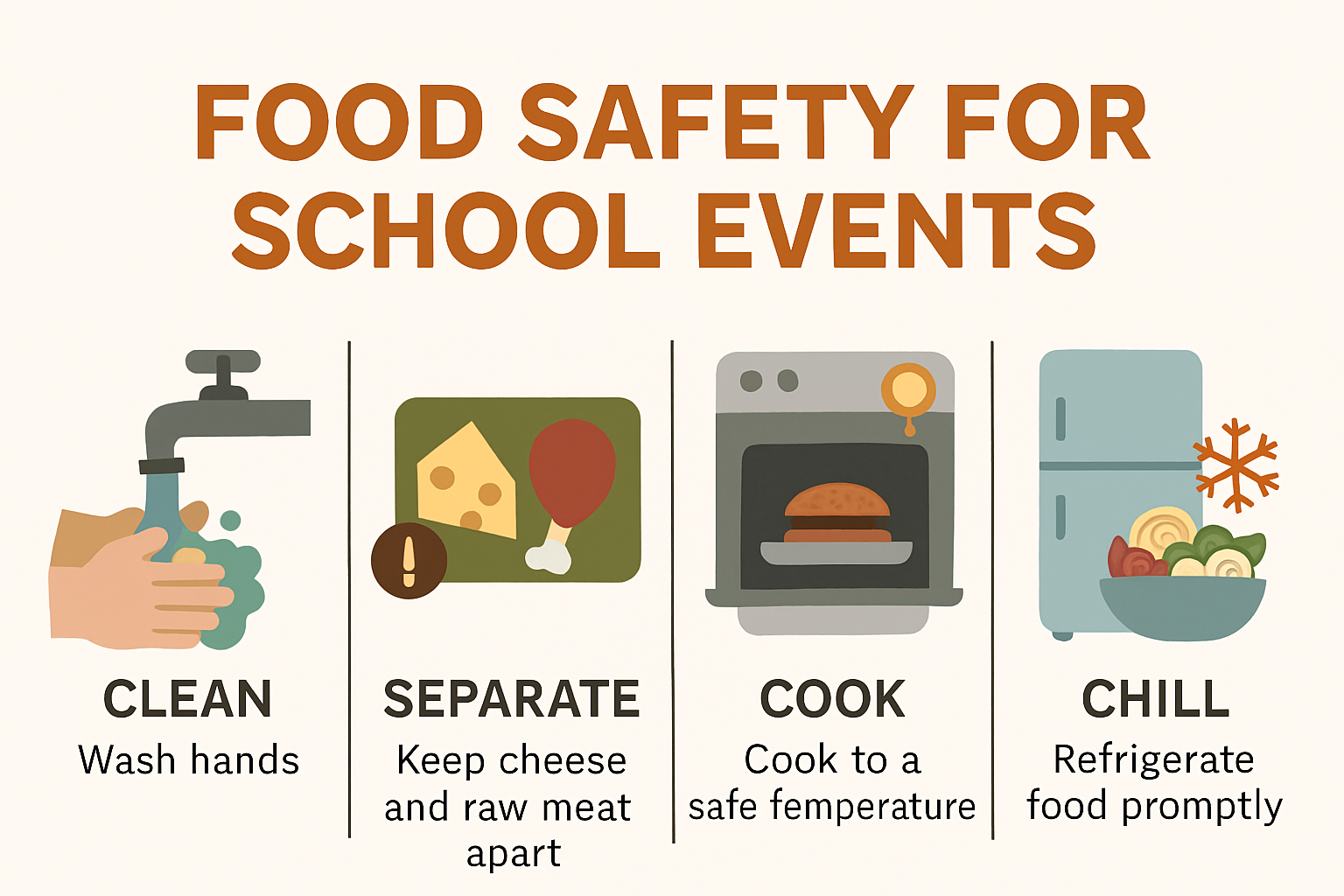
Have you ever worried if your leftover meals are still safe to eat? Storing cooked food the right way is more important than you might think.
If you don’t handle it properly, harmful bacteria can grow quickly, putting your health at risk. But don’t worry—by following a few simple tips, you can keep your food fresh and safe for longer. Keep reading to discover easy, practical steps that will protect you and your loved ones every time you save those tasty dishes.
Understanding Food Safety Risks
Storing cooked food safely helps prevent food poisoning. Knowing the risks helps keep food fresh and safe.
Bacteria grow quickly in cooked food if it is not stored properly. This can cause illness when eaten.
Bacterial Growth And Temperature Danger Zone
Bacteria multiply fast between 40°F and 140°F. This range is called the temperature danger zone.
Cooked food left in this zone for more than 2 hours can become unsafe to eat.
- Keep hot food above 140°F
- Chill cold food below 40°F
- Cool leftovers quickly before storing
Cross-contamination Risks
Cross-contamination happens when harmful germs spread from one food to another. This often occurs with raw and cooked foods.
Use clean containers and utensils to avoid mixing cooked food with raw ingredients or dirty surfaces.
- Store cooked food separately from raw meat
- Use clean cutting boards and knives
- Wash hands before handling food
Proper Cooling And Storage Times
Cooked food must cool quickly before refrigeration. Slow cooling lets bacteria grow.
Store leftovers in shallow containers. Eat or freeze cooked food within 3 to 4 days.
- Divide large portions into small containers
- Place containers in the fridge within 2 hours
- Label containers with date stored
Signs Of Spoiled Cooked Food
Check cooked food for changes before eating. Spoiled food can cause sickness.
Look for bad smell, color changes, or slimy texture. Throw away food if unsure.
- Strong sour or rotten smell
- Discoloration or mold spots
- Sticky or slimy surface

Credit: www.youtube.com
Temperature Control
Keeping cooked food safe starts with controlling its temperature. Bacteria grow fast when food is not stored properly.
Food must be kept hot or cold to stop harmful germs from multiplying. Let’s learn how to manage food temperature safely.
The Danger Zone
The Danger Zone is the temperature range where bacteria grow quickly. It is between 40°F and 140°F (4°C and 60°C).
Cooked food left in this range for more than two hours can cause food poisoning. Keep food out of the Danger Zone to stay safe.
- Do not leave food at room temperature for long.
- Keep hot food above 140°F (60°C).
- Keep cold food below 40°F (4°C).
- Use a food thermometer to check temperatures.
Proper Cooling Techniques
Cool cooked food quickly before storing it in the fridge. Slow cooling lets bacteria grow fast.
Use small containers to cool food faster. Leave lids off until food cools down to stop moisture build-up.
- Divide food into small portions.
- Place containers in an ice bath to cool.
- Stir food to release heat.
- Store food in shallow containers in the fridge.
Storage Containers
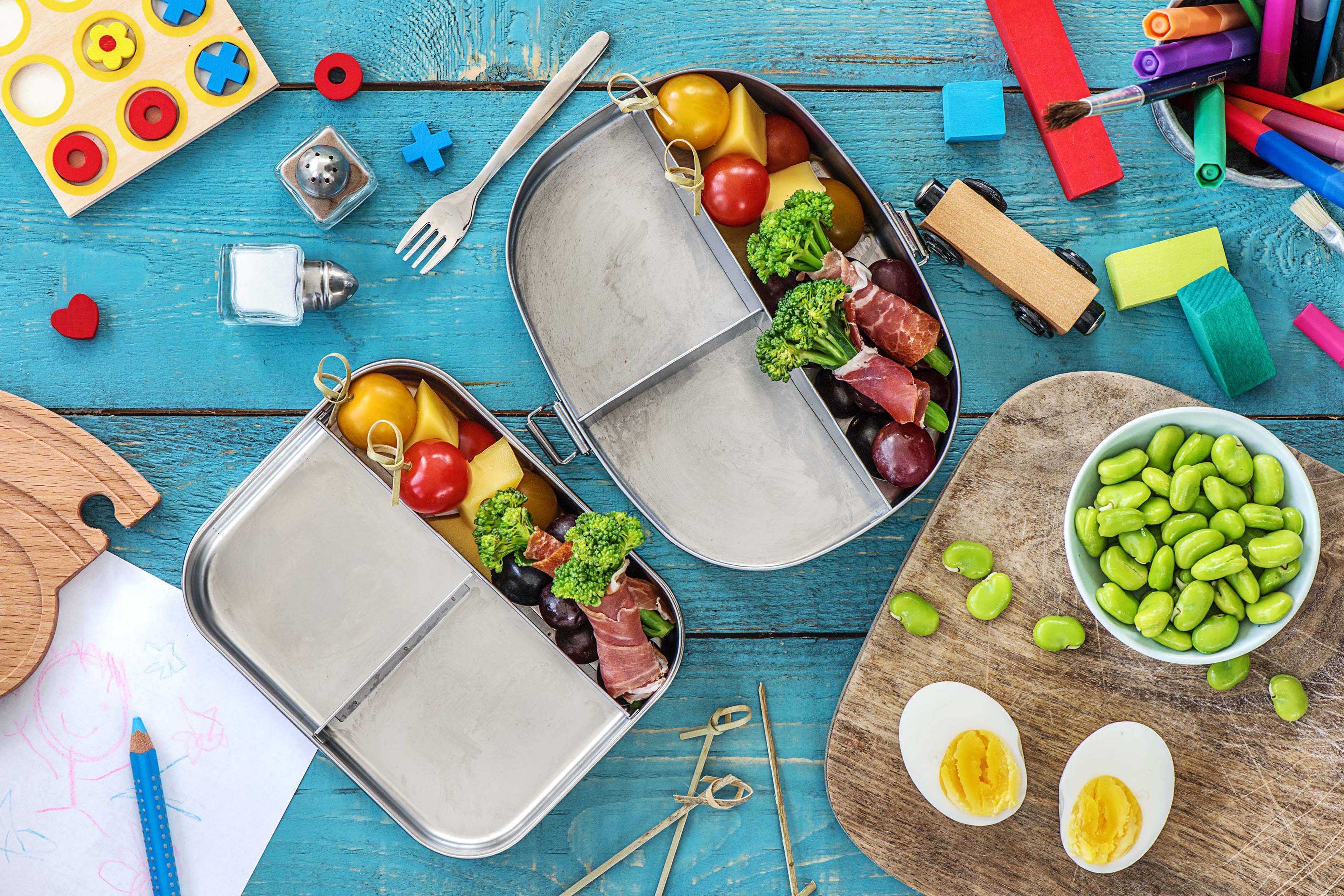
Storing cooked food safely is important to keep it fresh and prevent sickness. Using the right containers helps protect your food.
Good containers stop air and moisture from spoiling your meals. They also make it easy to organize your fridge or freezer.
Choosing Safe Materials
Pick containers made from food-safe materials. These materials do not leak chemicals into your food.
Glass, stainless steel, and BPA-free plastics are good choices. Avoid containers that can melt or warp with heat.
- Glass: Non-toxic and easy to clean
- Stainless steel: Durable and reusable
- BPA-free plastic: Lightweight and safe
- Avoid old plastics that may contain harmful chemicals
Labeling And Dating
Label containers with the food name and date stored. This helps you eat food before it goes bad.
Use waterproof markers or labels that stick well to containers. Keep your fridge organized by placing newer food behind older ones.
- Write the cooking or storage date clearly
- Include the food type to avoid confusion
- Use labels that resist moisture and cold
- Check dates regularly to avoid waste

Credit: www.delish.com
Refrigeration Tips
Storing cooked food safely helps keep it fresh and prevents illness. Using your fridge correctly is key.
Follow simple refrigeration tips to keep food safe for longer. Proper cooling slows bacteria growth.
Optimal Fridge Settings
Set your fridge temperature between 34°F and 40°F (1°C to 4°C). This keeps food cold but not frozen.
Check the temperature often with a fridge thermometer. Adjust settings if the fridge is too warm or too cold.
- Keep the freezer at 0°F (-18°C) or below
- Avoid setting the fridge too cold to prevent freezing cooked food
- Close the door quickly to keep the temperature steady
Organizing The Fridge
Place cooked food in clean, airtight containers to avoid contamination. Label containers with dates.
Store cooked food on shelves above raw foods. This stops drips from raw items spoiling cooked dishes.
- Use the top shelves for ready-to-eat cooked meals
- Keep raw meat on the bottom to prevent leaks
- Do not overcrowd the fridge; air must circulate
- Keep leftovers for 3 to 4 days before discarding
Freezing Guidelines
Freezing cooked food helps keep it fresh for longer. Proper freezing stops bacteria from growing. This guide gives tips for freezing cooked food safely.
Follow these guidelines to keep your food tasty and safe. Use the right methods to pack and thaw frozen foods.
Proper Packing For Freezing
Use containers or bags that block air to stop freezer burn. Leave some space for food to expand when it freezes. Label packages with the date and contents.
- Use airtight containers or heavy-duty freezer bags
- Remove as much air as possible before sealing
- Portion food into small amounts for quick thawing
- Write the freezing date and food name on each package
Thawing Safely
Thaw food in the fridge to keep it at a safe temperature. Avoid leaving food out on the counter. Use thawed food within 1 to 2 days for best safety.
- Place frozen food in the refrigerator to thaw slowly
- Use cold water thawing by sealing food in a bag and submerging it
- Cook food immediately if you thaw it in the microwave
- Never refreeze food that has fully thawed
Avoiding Cross-contamination
Cross-contamination happens when harmful bacteria move from one food to another. This can cause food poisoning if cooked food touches raw food or dirty surfaces.
To keep cooked food safe, it is important to store it properly. Follow simple tips to avoid mixing foods and using clean tools.
Separating Different Foods
Keep cooked food away from raw food in your fridge. Use separate containers for meat, vegetables, and ready-to-eat items. This stops germs from spreading.
Always store cooked food on higher shelves than raw food. This prevents juices from dripping onto cooked meals.
- Use sealed containers for each type of food
- Label containers with food type and date
- Store raw meat at the bottom of the fridge
- Keep cooked food on upper shelves
Using Clean Utensils
Always use clean utensils when handling cooked food. Do not reuse tools that touched raw food without washing them first.
Use separate cutting boards, knives, and spoons for raw and cooked foods. This keeps bacteria from moving between foods.
- Wash utensils with hot, soapy water after each use
- Use different cutting boards for raw meat and vegetables
- Do not place cooked food back on plates used for raw food
- Keep utensils in clean, dry places
Regular Inspection
Regular inspection helps keep cooked food safe. It stops bad food from causing sickness.
Checking your stored food often helps spot problems early. This saves money and keeps your family healthy.
Checking For Spoilage
Look for signs of spoilage like bad smells, colors, or textures. Do not taste food that looks or smells strange.
Throw away any food that shows mold or slimy spots. Keep food containers sealed tightly to prevent spoilage.
- Smell the food for sour or off odors
- Check if the color has changed
- Feel the texture for sliminess or softness
- Look for mold or unusual spots
- Make sure containers are closed well
Cleaning Storage Areas
Clean storage areas regularly to stop germs from growing. Use warm water and soap to wash shelves and containers.
Remove any spills or crumbs quickly. Dry storage places well before putting food back.
- Empty storage areas before cleaning
- Use mild detergent and warm water
- Rinse and dry all surfaces
- Check for cracks or damage to shelves
- Keep storage cool and dry
Credit: www.chefsplate.com
Frequently Asked Questions
How Long Can Cooked Food Be Safely Stored?
Cooked food can generally be stored safely for 3 to 4 days in the refrigerator. For longer storage, freeze it within two hours of cooking to prevent bacterial growth and maintain freshness.
What Is The Best Temperature For Storing Cooked Food?
Cooked food should be stored at or below 40°F (4°C) in the refrigerator. Keeping food at this temperature slows bacterial growth and helps maintain food safety and quality.
How Should Cooked Food Be Cooled Before Storage?
Cool cooked food quickly by dividing it into smaller portions. Use shallow containers and refrigerate within two hours to prevent bacteria from multiplying and ensure safe storage.
Can You Store Cooked Food In Airtight Containers?
Yes, storing cooked food in airtight containers helps maintain freshness and prevent contamination. It also reduces exposure to air, which can cause spoilage and odors.
Conclusion
Safe storage of cooked food keeps your meals fresh and healthy. Always cool food quickly and store it in clean containers. Keep your refrigerator at the right temperature. Avoid leaving food out too long to stop bacteria growth. Label containers with dates to use food before it spoils.
These small steps protect your family from foodborne illness. Good habits in the kitchen make a big difference every day. Stay careful, stay safe, and enjoy your meals without worry.