
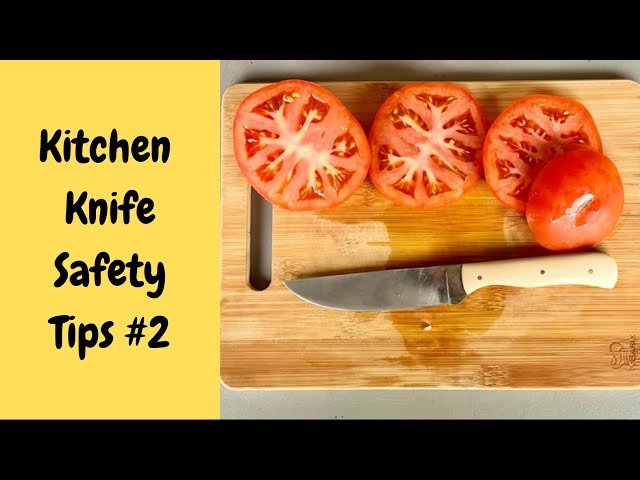
When you pick up a knife, it’s more powerful than just a simple tool—it can be dangerous if not handled right. Knowing how to use your knife safely protects you and everyone around you from accidents.
You’ll discover easy-to-follow tips that make knife handling safer and more confident. By the end, you’ll feel more in control and prepared every time you reach for your knife. Keep reading to learn how a few simple changes can keep your hands safe and your kitchen accident-free.
Choosing The Right Knife
Using the right knife makes cutting tasks safer and easier. It helps you control the blade better and avoid accidents.
Knowing which knife fits your job is key. This guide explains how to pick knives for different tasks and why quality matters.
Types Of Knives For Different Tasks
Different knives have shapes made for certain jobs. Using the right knife helps you cut food safely and well.
- Chef’s Knife:Good for chopping vegetables, meat, and fruits.
- Paring Knife:Perfect for peeling and small cuts.
- Serrated Knife:Best for cutting bread and soft foods.
- Boning Knife:Designed to remove bones from meat.
- Utility Knife:Works for medium-sized cutting tasks.
Importance Of Quality And Maintenance
A good knife lasts longer and feels safer. Sharp blades need less force and reduce slipping risks.
Keep knives clean and sharpened. Dull or dirty knives cause accidents and damage food.
- Choose knives made with strong, rust-resistant steel.
- Sharpen blades regularly using a whetstone or sharpener.
- Wash knives by hand and dry them immediately.
- Store knives in a block or magnetic strip to protect edges.
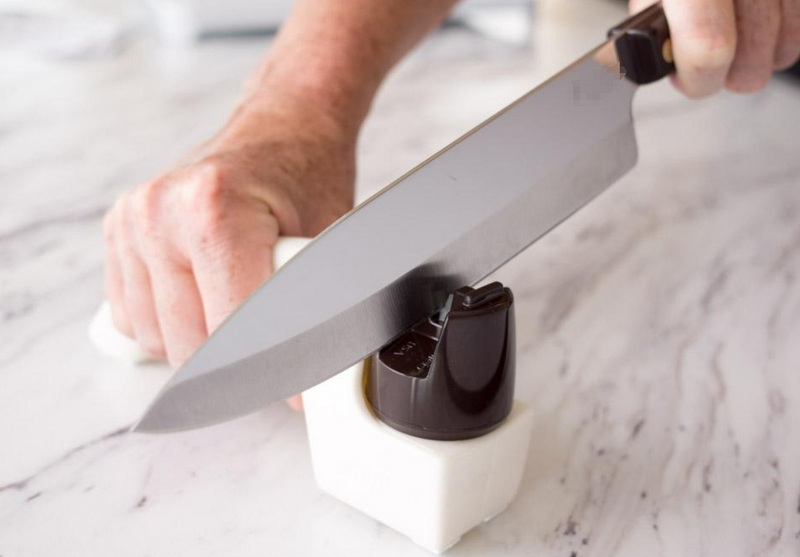
Credit: www.saafiknife.com
Proper Grip Techniques
Holding a knife the right way helps you cut safely and easily. A good grip gives better control and reduces accidents.
Learn simple techniques to hold your knife firmly. This keeps your hands steady and protects your fingers.
Holding The Knife Correctly
Hold the knife handle with your dominant hand. Wrap your fingers around the handle firmly but not too tight.
- Keep your thumb on one side of the handle.
- Wrap your index finger around the handle or rest it along the blade’s spine.
- Hold the rest of your fingers around the handle for support.
- Make sure your grip is steady but relaxed to avoid hand fatigue.
Using The Pinch Grip
The pinch grip improves knife control and precision. It uses your thumb and index finger to hold the blade itself.
| Pinch Grip Steps | Description |
| 1. Position Thumb | Place your thumb on the flat side of the blade near the handle. |
| 2. Position Index Finger | Rest your index finger on the opposite flat side, near the thumb. |
| 3. Wrap Remaining Fingers | Hold the handle with your middle, ring, and pinky fingers. |
| 4. Maintain Firm Hold | Keep the pinch firm but avoid squeezing too tightly. |
Cutting Board Safety
Using a cutting board safely helps prevent accidents in the kitchen. A secure board keeps the knife steady and protects your fingers.
This guide covers how to select a stable surface and avoid slippage while cutting.
Selecting A Stable Surface
Choose a flat, firm surface for your cutting board. Avoid places that wobble or tilt. A stable base stops the board from moving while you cut.
- Use a thick, heavy cutting board that won’t slide easily.
- Avoid glass or marble boards that can be slippery.
- Place the board on a dry countertop free from crumbs or spills.
Preventing Slippage
Keep your cutting board in place by using grips or mats underneath. This helps stop slips and keeps your cutting safe.
| Method | Benefit |
| Wet Towel | Creates friction to hold the board steady |
| Non-Slip Mat | Prevents sliding on smooth surfaces |
| Silicone Pads | Easy to clean and reusable grip |
Positioning And Posture
Safe knife handling starts with good positioning and posture. Your body should be steady and comfortable. This helps you control the knife better and avoid accidents.
Standing or sitting correctly keeps your muscles relaxed. It also reduces the risk of slipping or losing control of the blade.
Body Alignment For Control
Keep your feet shoulder-width apart for balance. Your knees should be slightly bent. This stance helps you stay stable while cutting.
Hold the knife with a firm grip. Keep your wrist straight, not bent. Your arm should move smoothly with the knife.
- Stand close to the cutting surface
- Keep your back straight
- Align your shoulders with your cutting arm
- Use your whole arm, not just your wrist
Keeping Fingers Safe
Always curl your fingers inward on the hand holding the food. This way, your knuckles guide the knife, not your fingertips.
Keep your fingers away from the blade path. Use a claw grip to hold the food securely and safely.
- Use the claw grip to protect fingertips
- Keep fingers tucked under and away from the blade
- Cut slowly and with control
- Never try to catch a falling knife
Safe Cutting Techniques
Using the right cutting technique helps prevent accidents in the kitchen.
Good knife skills make food preparation faster and safer for everyone.
Using The Rocking Motion
The rocking motion keeps the knife tip on the cutting board for better control.
This technique reduces the chance of the knife slipping and causing injury.
- Place the tip of the knife on the board
- Lift the handle slightly and move the blade down and forward
- Keep your fingers curled on the hand holding the food
- Move the knife in a smooth rocking motion
- Cut evenly and slowly to maintain safety
Avoiding Common Mistakes
Many accidents happen because of simple mistakes while cutting.
| Mistake | Why It Is Dangerous | How to Avoid |
| Using a dull knife | Needs more force, slips easily | Keep knives sharp and sharpen regularly |
| Cutting without a stable board | Board moves, causing slips | Use a damp cloth under the board |
| Holding food incorrectly | Fingers can get cut | Curl fingers inward, use claw grip |
| Cutting too fast | Less control, higher risk of injury | Cut slowly and focus on the task |
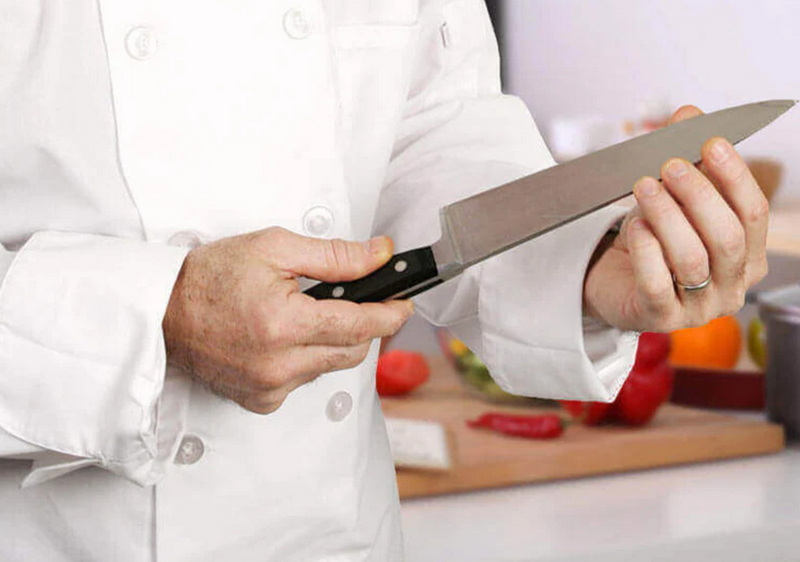
Credit: www.saafiknife.com
Knife Maintenance
Keeping your knives in good shape is important for safety and performance. Proper maintenance helps knives cut well and last longer.
This guide covers key tips for maintaining your knives. Focus on sharpening, cleaning, and storing them correctly.
Regular Sharpening
Dull knives are more dangerous because they slip easily. Sharpen your knives often to keep the edges sharp and safe.
Use a whetstone, sharpening steel, or electric sharpener. Sharpen at a consistent angle for best results.
- Sharpen knives before they feel dull
- Keep the angle between 15 to 20 degrees
- Use light, even strokes to avoid damage
Proper Cleaning And Storage
Clean knives carefully after each use to stop rust and bacteria build-up. Avoid soaking knives for long periods.
Dry knives completely before storing. Store knives in a block, magnetic strip, or sheath to protect the blades.
- Wash knives by hand with mild soap
- Never put knives in the dishwasher
- Store knives where blades do not touch
- Keep knives out of reach of children
Emergency Preparedness
Using knives can be risky without safety measures. Being ready for emergencies helps reduce harm.
Knowing what to do if a cut happens keeps you calm and safe. Follow simple steps for quick care.
Dealing With Minor Cuts
Minor cuts often happen when handling knives. Clean the wound right away to stop germs.
Apply gentle pressure with a clean cloth to stop bleeding. Use an antiseptic and cover with a bandage.
- Wash hands before touching the cut
- Rinse the cut with clean water
- Use antiseptic to prevent infection
- Cover with a sterile bandage or plaster
- Change the bandage daily or if wet
When To Seek Medical Help
Some cuts need expert care. Watch for signs that need a doctor’s help.
- Bleeding does not stop after 10 minutes
- The cut is deep or the edges are far apart
- There is dirt or debris inside the wound
- You see signs of infection like redness or pus
- You have not had a tetanus shot in five years
- The cut affects muscles, nerves, or joints

Credit: survival-mastery.com
Frequently Asked Questions
How To Hold A Knife Safely While Cutting?
Hold the knife handle firmly with your dominant hand. Use a pinch grip, placing your thumb and index finger on the blade. Keep fingers of the other hand curled to protect them. This grip ensures control and prevents accidental slips during cutting.
What Are The Best Knife Handling Practices?
Always cut away from your body and keep the blade sharp. Use a stable cutting surface and avoid distractions. Never try to catch a falling knife. Clean and store knives properly to maintain safety and longevity.
How To Prevent Knife Accidents In The Kitchen?
Keep knives out of reach of children and use blade guards. Store knives in a block or magnetic strip. Focus on your task, and never use a dull knife. Proper handling and awareness reduce accident risks significantly.
Why Is Knife Sharpening Important For Safety?
A sharp knife requires less force to cut, reducing slips. Dull blades can slip easily and cause injuries. Regular sharpening ensures clean cuts and better control. Safe cutting depends on maintaining a sharp, well-kept blade.
Conclusion
Safe knife handling keeps you and others protected. Always hold knives firmly and cut away from your body. Keep blades sharp to reduce slipping risks. Store knives properly to avoid accidents. Pay close attention while using knives. Practice these tips daily to build good habits.
Safety matters in every kitchen task. Stay alert and careful to prevent injuries. A little caution goes a long way. Handle knives with respect and care at all times.