
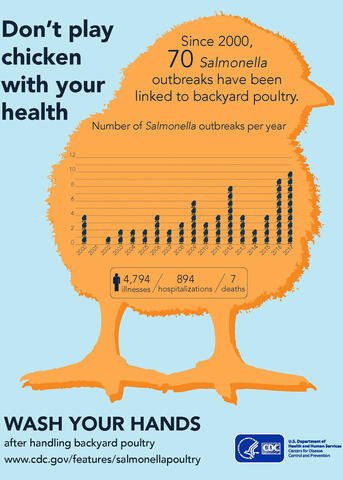
Handling poultry might seem simple, but one small mistake can put you and your loved ones at risk. You want to keep your meals delicious and safe, right?
That’s why knowing the right tips for safe handling of poultry is a must. You’ll discover easy steps that protect your health and ensure your food stays fresh and tasty. Keep reading to learn how you can avoid common dangers and handle poultry like a pro every time.
Credit: extension.msstate.edu
Choosing Fresh Poultry
Choosing fresh poultry is key to safe cooking. Always check for freshness before buying. Fresh poultry ensures better taste and health.
It’s important to know what to look for. This guide will help you choose wisely.
Checking Sell-by Dates
Sell-by dates help you know how long the poultry stays fresh. Look for the date on the package. It should be current or in the future.
Avoid poultry with expired dates. Fresh poultry should be used or frozen by this date for safety.
Inspecting Packaging
Check the packaging for any damage. Look for tears or holes. This can let bacteria in and spoil the poultry.
The package should be cold and not leaking. Leaking packages may mean the poultry is not fresh.
Selecting Trusted Sources
Buy poultry from trusted stores. These places usually have strict quality controls. Ask friends for store recommendations.
Local farms and well-known brands are often safe choices. They often have good track records for quality.
- Check reviews online before buying
- Look for certifications and quality seals
- Ask store staff about their suppliers
Proper Storage Techniques
Handling poultry safely helps stop germs from spreading. Proper storage keeps poultry fresh and safe to eat.
Use correct storage methods to keep poultry good and avoid food sickness.
Refrigeration Guidelines
Keep raw poultry in the fridge at 40°F (4°C) or below. Store it on the bottom shelf to stop juices from dripping on other foods.
Use poultry within 1-2 days after buying. If you won’t cook it soon, freeze it instead.
Freezing Tips
Freeze poultry at 0°F (-18°C) or lower to keep it safe. Wrap it tightly in plastic wrap or freezer bags to stop freezer burn.
Label packages with the date. Use frozen poultry within 6 months for best quality.
- Remove air from packaging
- Freeze poultry parts separately
- Thaw in the fridge, not on the counter
Avoiding Cross-contamination
Store raw poultry away from ready-to-eat foods to stop germs from spreading. Use sealed containers or plastic bags.
Clean and dry surfaces and hands after touching raw poultry. Do not reuse marinades used on raw poultry unless cooked first.
- Use separate cutting boards for poultry
- Wash knives and utensils after use
- Keep poultry juices contained
Safe Preparation Steps
Handling poultry safely is important to avoid foodborne illness. Follow simple steps to keep your kitchen clean and safe.
These steps help stop harmful bacteria from spreading to your food and surfaces.
Washing Hands And Surfaces
Wash your hands with soap and warm water before and after handling raw poultry. Clean surfaces often to kill germs.
Use hot, soapy water or a disinfectant to wipe counters, cutting boards, and utensils after use.
- Wash hands for at least 20 seconds
- Use separate cloths for different surfaces
- Dry hands with a clean towel
- Sanitize cutting boards after use
Using Separate Utensils
Use different knives, forks, and plates for raw and cooked poultry. This avoids cross-contamination.
Do not reuse utensils that touched raw poultry without washing them first with soap and hot water.
- Keep raw poultry utensils separate
- Wash utensils immediately after use
- Use separate cutting boards if possible
- Never place cooked food on a plate that held raw poultry
Thawing Poultry Correctly
Thaw poultry in the refrigerator, cold water, or microwave. Do not thaw at room temperature.
Keep poultry in a leak-proof bag if thawing in water. Cook immediately after microwave thawing.
- Refrigerator thawing: 1-2 days before cooking
- Cold water thawing: Change water every 30 minutes
- Microwave thawing: Cook right away
- Never leave poultry on the counter to thaw
Cooking Poultry Safely
Cooking poultry correctly helps stop food poisoning. It kills harmful germs that may be in the meat.
Use safe cooking methods and check the temperature to keep your food safe and tasty.
Recommended Internal Temperatures
Cook poultry to the right temperature to kill bacteria. Different parts may need different temperatures.
- Whole poultry: 165°F (74°C)
- Ground poultry: 165°F (74°C)
- Poultry breasts: 165°F (74°C)
Using A Food Thermometer
A food thermometer helps check if poultry is fully cooked. It shows the exact temperature inside the meat.
Insert the thermometer into the thickest part of the meat. Avoid touching bones or the cooking pan.
- Clean the thermometer before and after use.
- Check the temperature in several spots for accuracy.
- Use a digital or instant-read thermometer for quick results.
Avoiding Undercooking
Undercooked poultry can cause foodborne illness. Make sure the meat is cooked all the way through.
Do not rely on color or juices alone. Always use a thermometer to be sure.
- Cook poultry evenly by turning or rotating it while cooking.
- Let cooked poultry rest for a few minutes before cutting.
- Follow cooking times and temperatures from trusted sources.
Cleaning Up After Handling
Cleaning up after handling poultry is very important. It helps stop the spread of germs and keeps your kitchen safe.
Use the right steps to clean surfaces and tools that touched raw poultry. This keeps you and your family healthy.
Sanitizing Cutting Boards
Cutting boards can hold harmful bacteria from raw poultry. Clean them well to avoid cross-contamination.
Wash cutting boards with hot, soapy water right after use. Rinse and then sanitize to kill any germs.
- Use a solution of 1 tablespoon bleach in 1 gallon of water
- Apply the solution and let it sit for a few minutes
- Rinse the board well with clean water
- Let the board air dry completely before next use
Disinfecting Countertops
Countertops can get dirty from raw poultry juices. Clean and disinfect them after handling poultry.
Use hot, soapy water to wash the surface first. Then apply a disinfectant safe for kitchen use.
- Choose a kitchen disinfectant or a bleach solution
- Spray or wipe the disinfectant on the countertop
- Let it sit for the time the product says
- Wipe the surface with a clean cloth or paper towel
Proper Disposal Of Packaging
Packaging from raw poultry can carry germs. Throw it away properly to keep your kitchen clean.
Place the packaging directly into a trash bag. Do not leave it on counters or tables.
- Seal the trash bag tightly after disposal
- Wash your hands right after throwing away packaging
- Clean any surfaces that the packaging touched

Credit: www.canr.msu.edu
Recognizing Signs Of Spoiled Poultry
It is important to check poultry before cooking. Spoiled poultry can cause food poisoning. Learning how to spot bad poultry keeps you safe.
Look closely and use your senses to find signs of spoilage. This helps you avoid eating unsafe meat.
Visual Indicators
Fresh poultry has a pink color with no spots. Spoiled poultry often looks gray, green, or has dark spots. Slimy or sticky surfaces are a bad sign.
- Color changes from pink to gray or green
- Dark or unusual spots on the skin
- Sticky or slimy coating on the meat
Unusual Odors
Fresh poultry has a mild smell or no smell at all. Spoiled poultry smells sour, rotten, or like ammonia. Trust your nose to detect bad meat.
- Sour or putrid odor
- Strong ammonia-like smell
- Any strange or foul odor
Texture Changes
Good poultry feels firm and moist. Spoiled poultry feels sticky, slimy, or unusually soft. These texture changes show bacteria growth.
- Sticky or slimy surface
- Soft or mushy texture
- Loss of firmness when pressed

Credit: www.fsis.usda.gov
Frequently Asked Questions
How Do I Safely Wash Raw Poultry?
Always wash your hands before and after handling raw poultry. Avoid washing the poultry itself to prevent cross-contamination. Use clean utensils and surfaces, and sanitize them thoroughly after contact with raw poultry to ensure safety.
What Temperature Should Poultry Be Cooked To?
Cook poultry to an internal temperature of 165°F (74°C) to kill harmful bacteria. Use a food thermometer to check the thickest part. Proper cooking ensures the poultry is safe to eat and prevents foodborne illnesses.
How Should Raw Poultry Be Stored?
Store raw poultry in a sealed container or plastic bag on the bottom shelf of the refrigerator. Keep it at 40°F (4°C) or below. Use it within 1-2 days or freeze it to maintain freshness and safety.
Can I Reuse Marinade From Raw Poultry?
Never reuse marinade that has touched raw poultry unless you boil it first. Boiling kills harmful bacteria present in the marinade. This practice prevents cross-contamination and food poisoning, keeping your meals safe.
Conclusion
Safe handling of poultry protects your health and family. Always wash hands and clean surfaces well. Keep raw poultry separate from other foods. Cook poultry to the right temperature to kill germs. Store poultry properly to avoid spoilage. Small steps can prevent big problems.
Stay careful in the kitchen every time. Your safety matters most when handling poultry.