
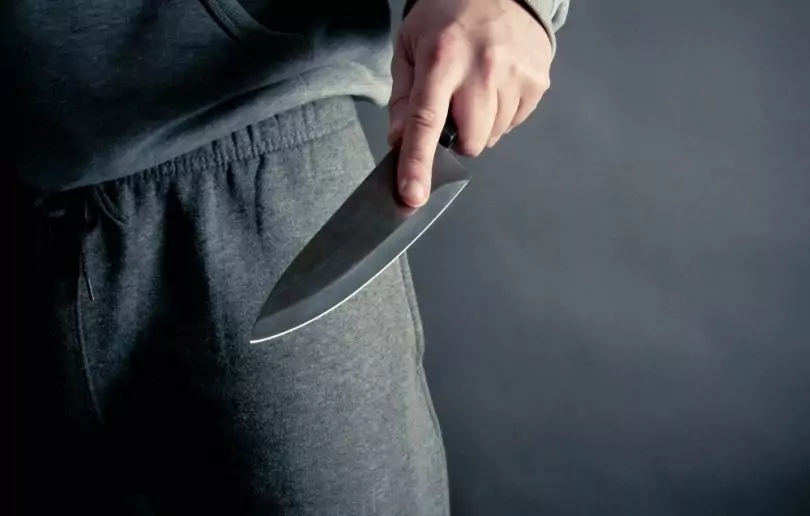
Knives are one of the most useful tools in your kitchen, but they can also be dangerous if not handled properly. You might think you know how to use them safely, but even small mistakes can lead to serious cuts or accidents.
What if you could learn simple tips that protect your fingers and keep your kitchen safe every time you cook? This article will show you easy and effective ways to handle knives with confidence. Keep reading to discover practical advice that will make your knife skills safer and your cooking experience more enjoyable.
Choosing The Right Knife
Choosing the right knife is important for safe handling. A good knife makes your work easier and safer in the kitchen.
There are several factors to consider when picking a knife. Let’s explore them to help you make a better choice.
Types Of Knives
Different knives serve different purposes. Knowing the types can help you pick the right one for each task.
- Chef’s Knife: Good for chopping and slicing.
- Paring Knife: Ideal for peeling and small cuts.
- Bread Knife: Best for cutting bread without crushing it.
- Boning Knife: Used for removing bones from meat.
Blade Material And Sharpness
The material of the blade affects its sharpness and durability. A sharp knife is safer than a dull one.
Common blade materials include stainless steel and carbon steel. Stainless steel is easy to care for. Carbon steel stays sharper longer.
Handle Design And Grip
A comfortable handle ensures a firm grip. This reduces the risk of accidents while using the knife.
Choose a handle that feels good in your hand. Look for non-slip materials like rubber or textured plastic.
Proper Knife Storage
Storing knives safely is important to avoid accidents. Proper storage keeps knives sharp and ready to use.
Choose the right storage method to protect the blade and your fingers.
Knife Blocks And Magnetic Strips
Knife blocks hold knives securely and keep blades from touching. They help organize knives neatly on the counter.
Magnetic strips attach to walls and hold knives by their blades. This saves space and keeps knives easy to find.
- Keep blades dry before placing on magnetic strips to avoid rust
- Insert knives fully into blocks to prevent blade damage
- Place knife blocks away from edges to prevent falls
Sheaths And Protective Covers
Sheaths and covers protect knife blades and your hands. They are useful for storing knives safely in drawers or bags.
Use a sheath made of plastic or leather to shield the blade and avoid cuts when grabbing knives.
- Always cover blades before storing
- Check covers for damage before use
- Clean knives and dry fully before covering
Safe Drawer Storage
Drawers can store knives if organized properly. Use dividers or trays to keep knives separated and safe.
Avoid loose knives in drawers to prevent cuts and blade damage. Keep handles easy to grab.
- Use knife trays or inserts for separation
- Store knives with blades facing down or covered
- Keep knives out of reach of children
Safe Cutting Techniques
Using knives safely in the kitchen is very important. Proper cutting techniques help prevent accidents and injuries.
Learning the right ways to hold and use a knife can make cutting easier and safer for everyone.
Correct Grip And Hand Placement
Hold the knife handle firmly with your dominant hand. Your thumb and index finger should grip the blade’s base for control.
Keep your other fingers wrapped around the handle. This grip helps you cut straight and avoid slipping.
Stable Cutting Surfaces
Always cut on a flat, stable surface. Use a cutting board that does not slide around.
Place a damp cloth or paper towel under the board to keep it steady. This prevents accidents caused by slipping.
Using The Claw Grip
Use your non-cutting hand to hold the food with fingers curled inward. This is called the claw grip.
The claw grip keeps your fingertips safe by guiding the knife while cutting.
- Curl your fingertips under your knuckles.
- Use your knuckles as a guide for the knife blade.
- Move your hand backward slowly as you cut.
Credit: westernhunter.net
Maintaining Knife Sharpness
Keeping your knives sharp is important for safety and performance. Sharp knives cut better and require less force.
Dull knives can slip and cause accidents. Regular care helps maintain sharpness over time.
Regular Honing
Honing straightens the knife edge without removing metal. It keeps the blade aligned for smooth cutting.
Use a honing rod before or after each use. Hold the rod vertically and slide the knife blade down at a 20-degree angle.
- Use light pressure
- Alternate sides evenly
- Do 5 to 10 strokes per side
Proper Sharpening Methods
Sharpening removes metal to create a new edge. Use a whetstone, electric sharpener, or professional service.
When sharpening, keep the blade at a consistent angle. Usually, a 15 to 20-degree angle works best.
- Soak whetstones in water if needed
- Start with coarse grit, then fine grit
- Sharpen both sides evenly
- Check the edge often
Avoiding Dull Blades
Avoid cutting on hard surfaces like glass or stone. Use wood or plastic cutting boards to protect your knives.
Do not put knives in the dishwasher. Hand wash and dry them right away to prevent damage and rust.
- Store knives in a block or on a magnetic strip
- Do not store loose in drawers
- Cut only soft or medium-hard foods
- Inspect blades regularly for damage
Cleaning And Caring For Knives
Proper cleaning and care keep your knives sharp and safe. It also helps them last longer.
Simple habits can protect your knives from damage and rust. Follow these tips after every use.
Hand Washing Best Practices
Always wash knives by hand with warm water and mild soap. Use a soft sponge to avoid scratches.
Do not soak knives for a long time. Clean them right after use to prevent food from drying on the blade.
- Hold the knife carefully to avoid cuts
- Wash one knife at a time
- Rinse thoroughly to remove soap
- Never use abrasive scrubbers
Drying And Storing After Use
Dry knives immediately with a clean towel to stop rust. Do not air dry as water spots can form.
Store knives in a knife block or on a magnetic strip. Keep blades separate to avoid dulling.
- Use a soft cloth to dry knives
- Store knives with blades covered or protected
- Keep knives away from other utensils
- Check knives regularly for rust or damage
Avoiding Dishwasher Damage
Dishwashers can damage knives by dulling blades and causing rust. Avoid placing knives in the dishwasher.
Heat and harsh detergents harm the metal and handles. Hand washing is safer for your knives.
- Dishwashers can loosen knife handles
- Blades can bump and dull in the dishwasher
- Detergents may corrode metal
- Hand wash to keep knives sharp and safe

Credit: www.youtube.com
Handling Knives With Caution
Knives are useful tools but can be dangerous if not handled carefully. Always focus and use safe habits when handling knives.
Proper handling helps prevent accidents and keeps you and others safe in the kitchen or workplace.
Passing Knives Safely
When handing a knife to someone, always pass it handle first. This way, the blade stays away from both people.
Make sure the other person is ready to take the knife before you let go of it.
- Hold the knife by the handle firmly
- Offer the handle, not the blade
- Wait for the other person to take it
- Do not throw or toss knives
Avoiding Distractions
Focus on the knife and task when cutting or handling knives. Distractions can cause slips and cuts.
Turn off phones or other devices and avoid talking while using knives to keep your full attention.
- Cut in a well-lit area
- Keep your work area clean
- Do not use knives when tired
- Stay calm and focused
Using Protective Gear
Wear cut-resistant gloves when using sharp knives. They protect your hands from accidental slips.
Use a stable cutting board to keep the knife steady and prevent accidents.
- Wear gloves made for knife safety
- Use a non-slip cutting board
- Keep knives sharp to cut easily
- Store knives in a safe place
Emergency Preparedness
Knives are useful tools but can cause injuries if not handled carefully. Being ready for emergencies helps reduce harm.
Knowing what to do after a cut and how to avoid future injuries is very important for safety.
First Aid For Cuts
Clean the cut with water to remove dirt. Stop the bleeding by pressing a clean cloth on the wound.
Use a bandage to cover the cut and keep it dry. Change the bandage daily to avoid infection.
- Wash hands before touching the cut
- Use clean water to rinse the wound
- Apply gentle pressure to stop bleeding
- Cover with a sterile bandage
- Watch for signs of infection
When To Seek Medical Help
See a doctor if the cut is deep or bleeding does not stop after 10 minutes. Also seek help if the wound is dirty or caused by a rusty knife.
Get medical care if you feel numbness, severe pain, or notice redness and swelling around the cut.
- Deep wounds that expose muscle or bone
- Bleeding that won’t stop with pressure
- Signs of infection like pus or redness
- Loss of feeling or movement near the cut
- Injury from an animal or dirty object
Preventing Future Injuries
Keep knives sharp and use the right knife for each task. Dull knives slip and cause more cuts.
Always cut away from your body and use a stable cutting surface. Store knives safely out of reach of children.
- Use sharp knives for safer cutting
- Cut on stable surfaces like cutting boards
- Keep fingers away from the blade
- Store knives in sheaths or blocks
- Teach safe knife handling to all users
Credit: survival-mastery.com
Frequently Asked Questions
How Can I Safely Hold A Knife While Cutting?
Hold the knife firmly with your dominant hand. Grip the handle close to the blade for control. Use your other hand to steady the food with curled fingers to avoid cuts.
What Is The Best Way To Sharpen Kitchen Knives?
Use a sharpening stone or honing rod regularly. Sharpen at a 20-degree angle for most knives. This keeps the blade sharp and reduces the risk of slipping.
How Should Knives Be Stored To Prevent Accidents?
Store knives in a knife block or magnetic strip. Avoid loose placement in drawers to prevent cuts. Proper storage keeps blades sharp and hands safe.
What Safety Tips Should Beginners Follow When Using Knives?
Start with a sharp knife and cut on stable surfaces. Always cut away from your body. Focus on your task and avoid distractions while handling knives.
Conclusion
Safe knife handling keeps you and others protected. Always focus while cutting. Use sharp knives; dull ones cause accidents. Store knives properly after use. Keep fingers clear from the blade. Clean knives carefully and dry them well. Teach children about knife safety early.
Practice these tips daily for better habits. Stay alert and respect the tool. Safe habits make cooking easier and safer. Remember, small actions prevent big injuries. Stay safe, stay smart in the kitchen.