
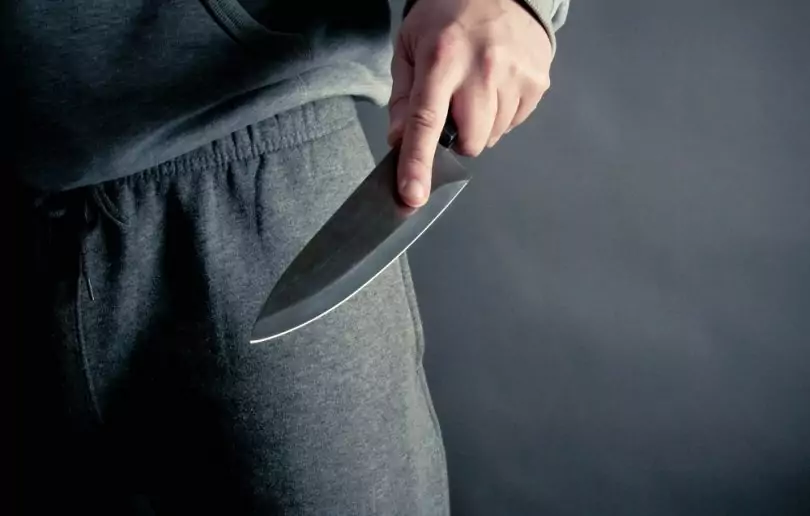
Knives are powerful tools that make your cooking easier and more enjoyable. But if you’re not careful, they can also cause serious injuries.
Knowing how to handle knives safely is not just smart—it’s essential for protecting yourself and everyone around you. You’ll discover simple yet effective tips that will help you stay safe every time you pick up a knife. Keep reading, because mastering these safety steps will change the way you use knives forever—and keep your fingers intact.

Credit: www.youtube.com
Choosing The Right Knife
Using the right knife keeps you safe in the kitchen. It also makes cutting easier and faster.
Learn about different knives and what features to look for. This helps you pick the best knife for your needs.
Types Of Knives
There are many types of knives. Each one is made for a special job in the kitchen.
- Chef’s Knife: Good for chopping and slicing many foods.
- Paring Knife: Small knife for peeling and small cuts.
- Serrated Knife: Has a saw-like edge for cutting bread.
- Utility Knife: Medium size for cutting fruits and vegetables.
- Boning Knife: Thin blade for removing bones from meat.
Knife Features To Consider
Look at the knife’s blade, handle, and weight. These affect safety and comfort.
- Blade Material: Stainless steel blades stay sharp and resist rust.
- Blade Length: Choose a length that feels easy to control.
- Handle Grip: A non-slip handle keeps your hand safe.
- Weight: A balanced knife feels steady and less tiring to use.
- Full Tang: A blade that extends into the handle is stronger.
Proper Knife Handling Techniques
Using knives safely is very important to avoid injuries. Good handling helps you cut food cleanly and quickly.
Understanding the right way to hold and use a knife keeps your hands safe and makes cutting easier.
Correct Grip Methods
Hold the knife firmly but not too tight. Use your dominant hand to grip the handle close to the blade.
Place your thumb and index finger on the blade’s sides for better control. Wrap your other fingers around the handle.
- Grip the handle near the blade for stability
- Keep your thumb and index finger on the blade’s base
- Hold the handle with your other fingers wrapped
- Do not hold the knife too tightly to avoid fatigue
Safe Cutting Practices
Always cut on a stable surface like a cutting board. Keep your fingers curled under and away from the blade.
Make slow, steady cuts. Avoid rushing to reduce the chance of slips and accidents.
- Use a clean, flat cutting board
- Curl your fingers inward on the hand holding food
- Cut away from your body and fingers
- Keep the knife sharp to reduce force needed
- Never try to catch a falling knife
Maintaining Sharpness And Condition
Keeping knives sharp is very important for safety and ease of use. A sharp knife cuts better and needs less force.
Proper care helps knives last longer and stay in good shape. Let’s look at how to sharpen and maintain knives well.
Sharpening Techniques
Sharpen knives regularly to keep their edges strong. Use tools like whetstones, honing rods, or electric sharpeners.
Sharpening with a whetstone takes time but gives a sharp edge. Hold the knife at a 20-degree angle for best results.
- Use a coarse stone first for dull edges
- Finish with a fine stone for smoothness
- Honing rods realign edges between sharpenings
- Electric sharpeners are quick and easy
Regular Maintenance Tips
Clean knives after every use with warm water and mild soap. Dry them well to stop rust from forming.
Store knives safely in a block or magnetic strip. Avoid tossing them in drawers to protect their edges.
- Use cutting boards made of wood or plastic
- Avoid cutting on hard surfaces like glass or stone
- Oil carbon steel knives occasionally to prevent rust
- Check knives for damage or chips regularly
Knife Storage Solutions
Keeping knives stored safely is key to preventing accidents. Proper storage also protects knife blades from damage.
Choosing the right storage option helps keep your kitchen organized and safe. It also makes knives easy to find when needed.
Safe Storage Options
Use knife blocks to keep knives upright and separated. This stops blades from bumping into each other.
Magnetic strips on walls hold knives securely. They keep knives visible and easy to grab.
- Knife blocks with slots for each knife
- Magnetic strips mounted on kitchen walls
- Drawer inserts that keep knives in place
- Knife guards or sheaths for individual blades
Avoiding Common Storage Mistakes
Do not store knives loose in drawers. This can dull blades and cause cuts when reaching inside.
Avoid stacking knives on top of each other. Blades can get damaged or cause injury.
- Never place knives loosely in drawers
- Do not store knives where children can reach
- Keep knives dry before storing to stop rust
- Avoid storing knives near heavy items that can fall
Safety Gear And Equipment
Using knives safely means wearing the right gear. Safety equipment helps protect your hands and body.
Good safety gear lowers the risk of cuts and injuries while handling knives.
Protective Gloves
Protective gloves guard your hands from sharp blades. They are made from tough materials that resist cuts.
Wearing gloves helps keep your grip steady and reduces accidents in the kitchen or workshop.
- Look for gloves made with Kevlar or similar fibers
- Choose gloves that fit snugly for better control
- Check gloves for damage before use
- Wash gloves regularly to keep them clean and effective
Cut-resistant Accessories
Cut-resistant accessories include sleeves and guards that protect your arms and fingers. They are useful when cutting large or tough materials.
These accessories add an extra layer of safety. They reduce the chance of serious injury from slips or mistakes.
- Use cut-resistant sleeves to protect your forearms
- Finger guards help shield fingertips during fine cutting
- Choose accessories with high cut resistance ratings
- Replace worn or damaged accessories immediately
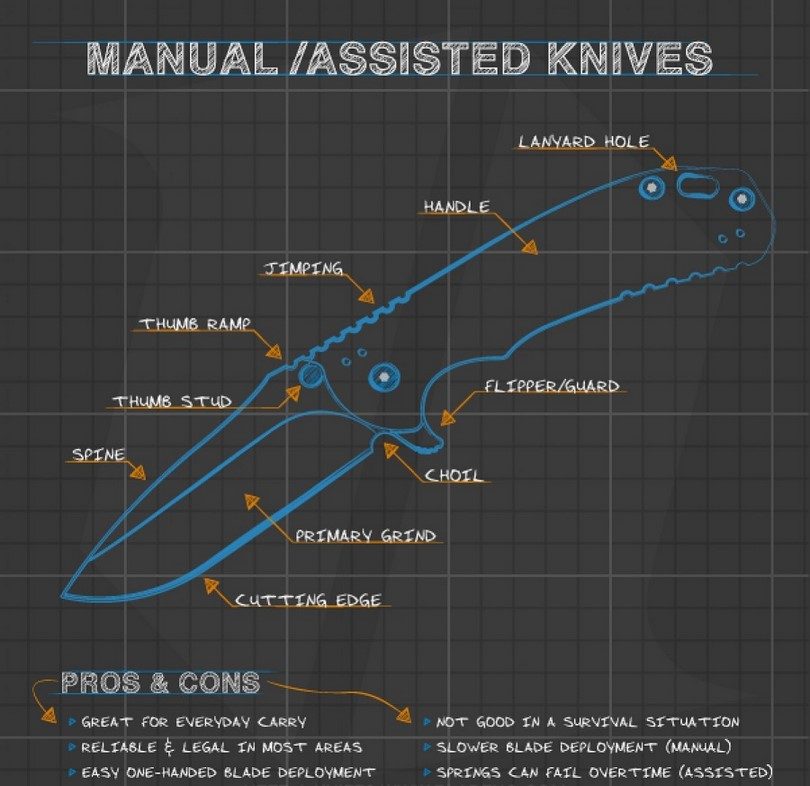
Credit: survival-mastery.com
Preventing Common Injuries
Knives are useful tools, but they can cause injuries if not handled safely. Knowing how to prevent accidents helps keep you and others safe.
This guide shares tips to avoid common knife injuries by recognizing risky actions and knowing basic first aid.
Identifying Hazardous Practices
Many knife injuries happen because of unsafe habits. Watch for these dangerous actions to reduce risk.
- Using dull knives that slip easily
- Cutting toward your hand or body
- Not using a cutting board
- Holding the knife incorrectly
- Distracted or rushed cutting
- Improper storage, like loose blades
- Trying to catch a falling knife
First Aid For Knife Injuries
Knife cuts can cause bleeding and pain. Acting quickly helps stop bleeding and prevent infection.
- Clean the wound gently with water
- Apply pressure using a clean cloth
- Elevate the injured area if possible
- Use a sterile bandage to cover the cut
- Seek medical help for deep or large wounds
- Watch for signs of infection like redness or swelling
Training And Skill Development
Handling knives safely requires proper training and practice. Learning the right techniques reduces accidents.
Building skills over time helps you feel confident and work more efficiently in the kitchen.
Knife Skills Workshops
Knife skills workshops offer hands-on practice in a safe setting. They teach correct grip, cutting methods, and knife care.
Workshops often cover how to keep knives sharp and how to cut different foods properly. This lowers the chance of slips and cuts.
- Learn proper knife handling
- Practice cutting techniques
- Understand knife maintenance
- Gain confidence with sharp tools
Learning From Professionals
Watching chefs and experts shows how to use knives safely and effectively. You can learn tips that books may not teach.
Ask questions and get feedback to improve your skills. Professionals can spot mistakes and help correct them early.
- Observe safe cutting habits
- Follow expert advice
- Receive personalized guidance
- Improve speed and accuracy
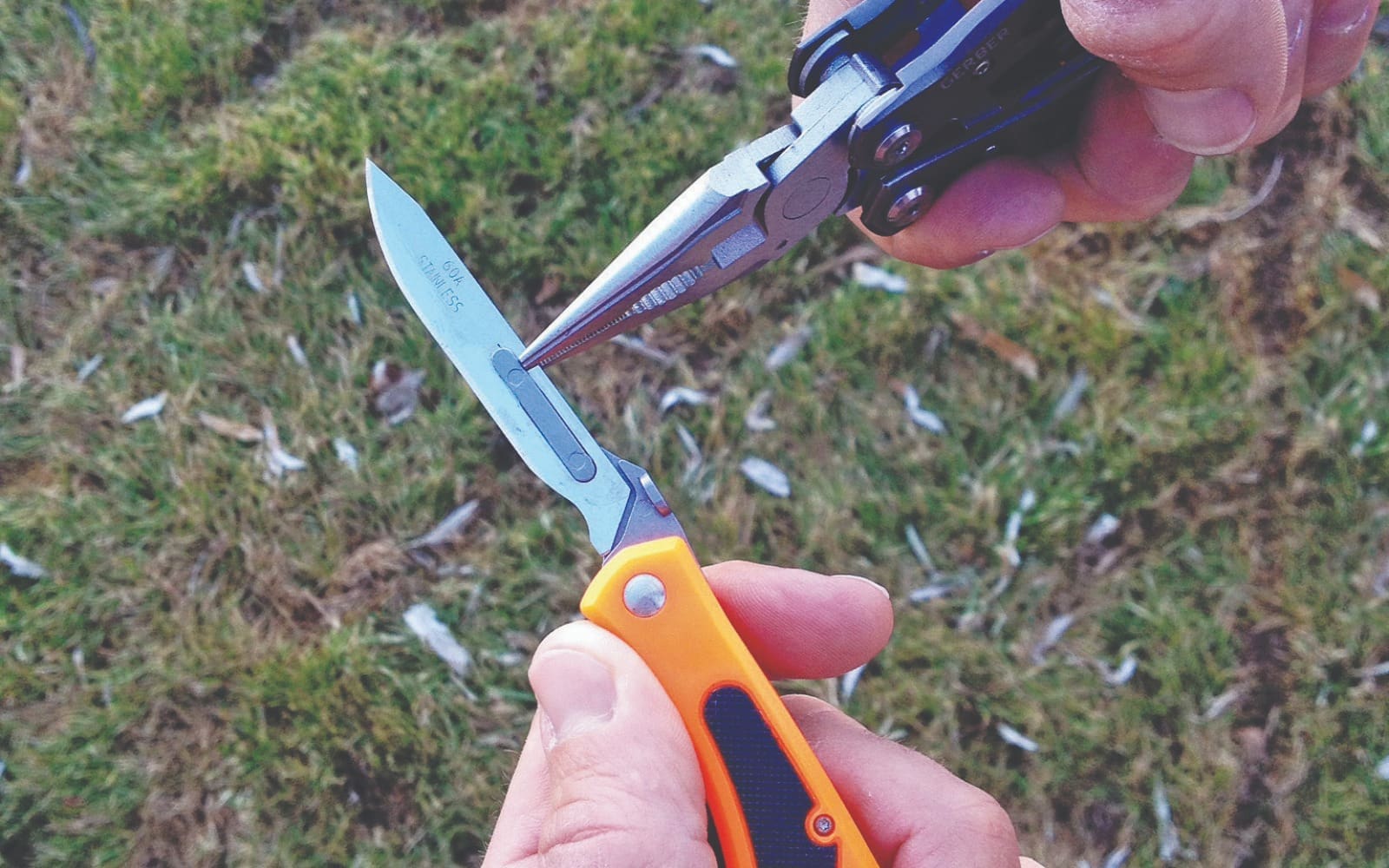
Credit: westernhunter.net
Frequently Asked Questions
How To Hold A Knife Safely For Cutting?
Hold the knife firmly with your dominant hand. Grip the handle securely and keep fingers away from the blade. Use a stable cutting surface and cut away from your body for safe handling.
What Is The Best Way To Store Kitchen Knives?
Store knives in a knife block, magnetic strip, or sheath. Avoid loose storage in drawers to prevent damage and injuries. Proper storage maintains blade sharpness and ensures safety.
How Often Should Kitchen Knives Be Sharpened?
Sharpen knives regularly, depending on usage frequency. For home cooks, every few months is ideal. Sharp knives reduce accidents by requiring less force and improving control.
What Safety Tips Prevent Knife Accidents In The Kitchen?
Always focus when using knives. Keep blades sharp and clean. Use the right knife for each task. Store knives safely and avoid distractions to prevent accidents.
Conclusion
Safe knife handling keeps you and others protected in the kitchen. Always focus on your task and keep knives sharp. Store knives properly to avoid accidents and never catch a falling knife. Use the right knife for each job to work safely and easily.
Practice these tips daily to build good habits. Staying careful helps prevent cuts and injuries. Remember, safety starts with you every time you pick up a knife. Simple steps make a big difference in handling knives safely.