
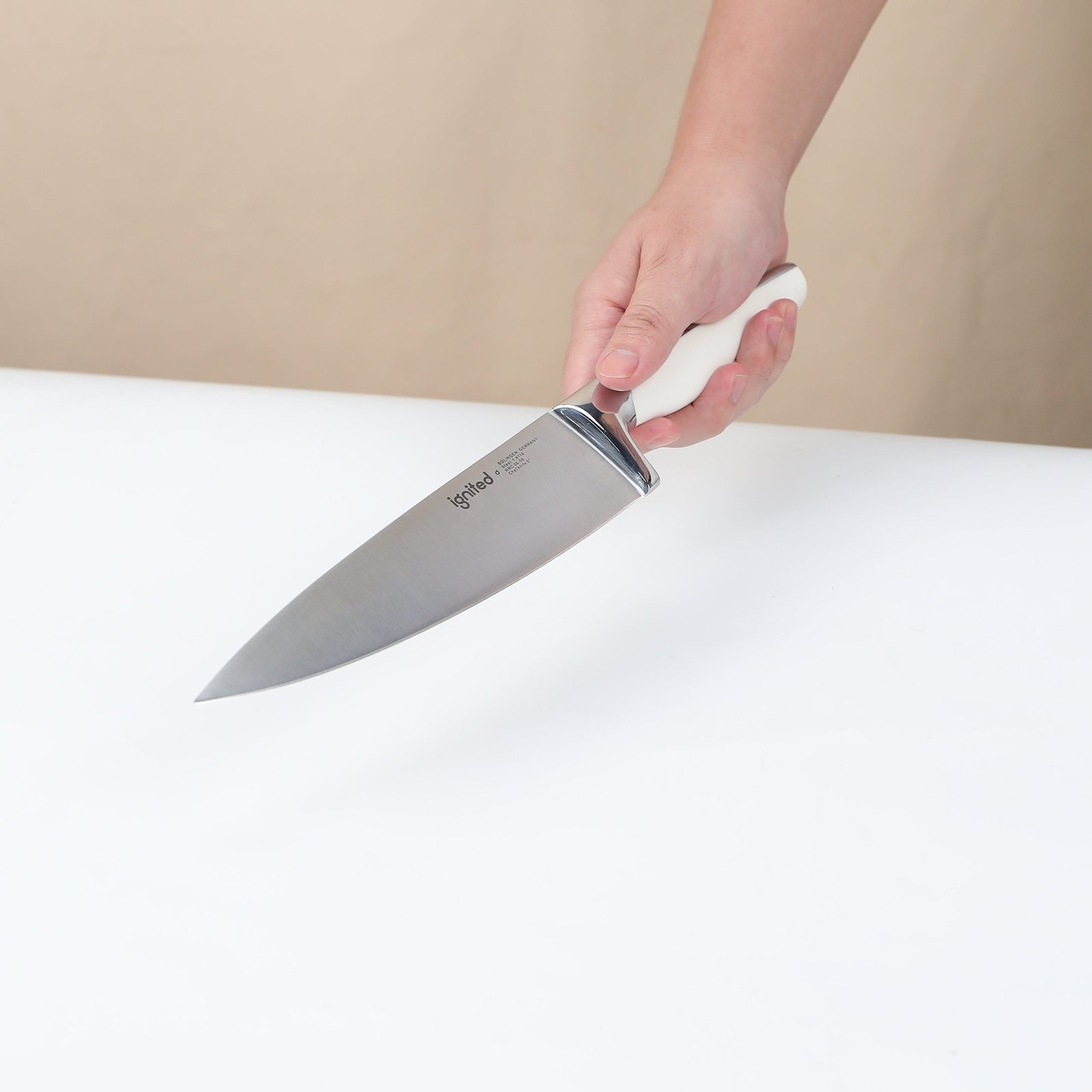
Your kitchen knives are powerful tools, but they can also be dangerous if not handled properly. Imagine slicing through your favorite ingredients smoothly without any slips or accidents.
Wouldn’t that make cooking more enjoyable and stress-free? You’ll discover simple yet effective tips to keep your hands safe every time you pick up a knife. By following these easy steps, you’ll protect yourself and your loved ones while boosting your confidence in the kitchen.
Keep reading to master the safe handling of kitchen knives and transform your cooking experience.

Credit: www.youtube.com
Choosing The Right Knife
Using the right kitchen knife makes cooking safer and easier. It helps you cut food cleanly and avoid accidents.
Picking a knife depends on what you need and how you use it. Good knives last longer and feel better in your hand.
Different Types Of Kitchen Knives
There are many kitchen knives, each with a special job. Knowing each type helps you choose the best one.
- Chef’s Knife:A large knife for chopping and slicing many foods.
- Paring Knife:Small knife for peeling and cutting small items.
- Serrated Knife:Knife with a toothed edge, perfect for bread and tomatoes.
- Utility Knife:Medium-size knife for cutting sandwiches and snacks.
- Boning Knife:Thin blade for removing bones from meat and fish.
Selecting Quality Materials
Good knives use strong materials that stay sharp and do not rust. This keeps you safe and saves money.
Look for these materials in kitchen knives:
- Stainless Steel:Rust-resistant and easy to clean. Common in many knives.
- Carbon Steel:Very sharp but needs care to avoid rust.
- Ceramic:Very sharp and lightweight but can break easily.
- High-Carbon Stainless Steel:Combines sharpness and rust resistance.
Credit: www.saafiknife.com
Proper Grip Techniques
Using kitchen knives safely starts with how you hold them. A good grip helps control the knife and prevents accidents.
Learning the right grip makes cutting easier and keeps your fingers safe from cuts.
Holding The Knife Correctly
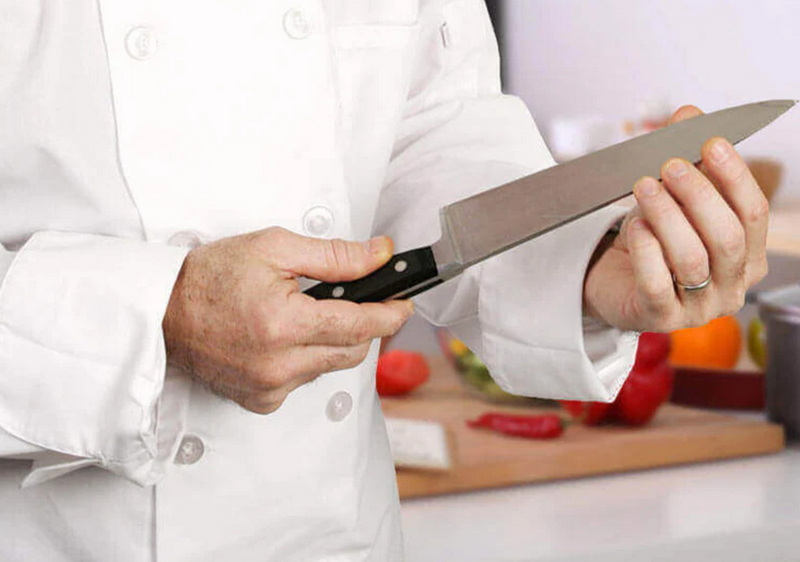
Hold the knife handle with your dominant hand. Wrap your fingers firmly around it for control.
Place your thumb and index finger on the blade’s sides near the handle. This grip improves precision and balance.
- Grip the handle with three fingers
- Place thumb on one side of the blade
- Place index finger on the opposite side
- Keep your grip firm but relaxed
Avoiding Common Grip Mistakes
A loose grip can cause the knife to slip and lead to injuries. Avoid holding the knife too lightly.
Do not hold the knife only by the handle without thumb and finger support. This reduces control.
- Do not hold the knife with just your fingers
- Avoid a tight grip that causes hand fatigue
- Do not let your thumb rest on the handle’s back
- Keep your wrist straight to prevent slipping
Cutting Board Safety
Using a cutting board safely helps prevent accidents with kitchen knives. It also keeps your food clean and healthy.
Choosing the right cutting board and making sure it stays steady can protect your hands. This guide shows how to do both.
Choosing The Right Cutting Board
Pick a cutting board that is strong and easy to clean. Avoid boards that get damaged quickly or absorb juices.
Wood and plastic boards are popular. Wood is gentle on knives and lasts long. Plastic is easy to wash in a dishwasher.
- Use separate boards for meat and vegetables to stop germs
- Check for deep cuts that can hide bacteria
- Choose a size that fits your workspace well
Stabilizing The Cutting Surface
Make sure your cutting board does not move while cutting. A moving board can cause slips and cuts.
Use a damp cloth or a non-slip mat under the board. This keeps it steady and safe to use.
- Place a wet towel under the board before chopping
- Use a rubber mat designed to hold boards in place
- Press down firmly on the board while cutting
Knife Maintenance
Keeping kitchen knives in good shape helps them work better. Proper care makes knives last longer and stay safe to use.
Regular maintenance includes sharpening, cleaning, and storing knives correctly. These steps protect the blade and the user.
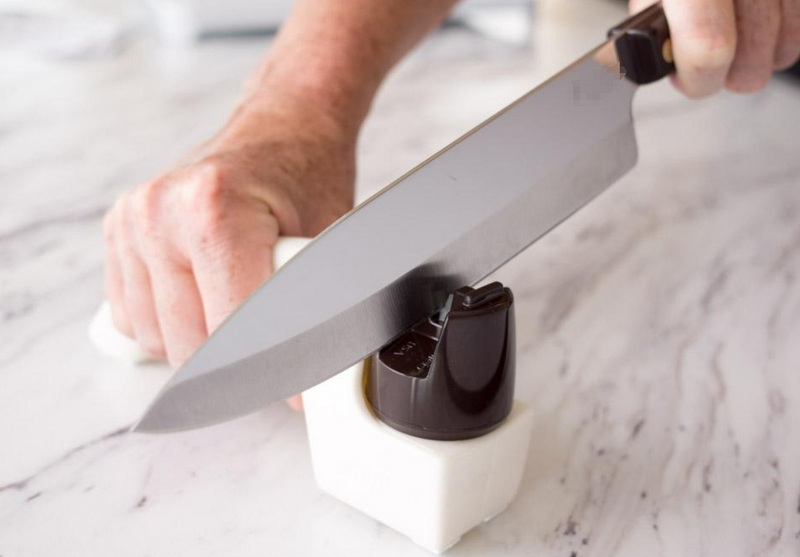
Regular Sharpening
Dull knives need more force to cut and can slip easily. Sharpening keeps the blade sharp and safe to use.
Use a whetstone or a sharpening tool. Sharpen knives every few weeks, or when cutting feels harder.
- Hold the blade at a 20-degree angle
- Move the blade across the sharpener evenly
- Sharpen both sides of the blade
- Test sharpness by slicing soft vegetables
Cleaning And Storing Knives
Wash knives by hand with warm, soapy water after use. Avoid putting knives in the dishwasher to stop damage.
Dry knives immediately to prevent rust. Store knives in a block, magnetic strip, or sheath to protect the blades and fingers.
- Use soft cloths to dry knives
- Keep knives separate to avoid nicks
- Store knives out of reach of children
- Check storage areas for cleanliness
Safe Cutting Practices
Using kitchen knives safely helps prevent injuries. Cutting with care keeps you and others safe.
Learning the right techniques improves your control and makes cutting easier. It also protects your fingers.
Using The Claw Grip
The claw grip helps keep your fingers safe while cutting. Curl your fingers inward and hold the food firmly.
Use your knuckles as a guide for the knife blade. This keeps the blade away from your fingertips.
- Keep fingertips tucked under and away from the blade
- Hold the food steady with your non-cutting hand
- Use your knuckles to guide the knife blade
- Practice slowly until the grip feels natural
Cutting Techniques For Various Foods
Different foods need different cutting styles to stay safe and neat. Adjust your knife and hand position for each food.
Use a rocking motion for herbs and soft vegetables. Use a straight down cut for hard foods like carrots or potatoes.
- Soft foods: Use a gentle rocking cut with a sharp knife
- Hard vegetables: Cut straight down with firm pressure
- Meat: Slice against the grain for better texture
- Round foods: Cut a small flat side first to stabilize
Avoiding Distractions
Using kitchen knives safely needs your full attention. Distractions can cause accidents and cuts.
Stay focused to handle knives with care. It helps keep you and others safe in the kitchen.
Focusing In The Kitchen
Keep your mind on the task when you use knives. Avoid watching TV or using your phone.
Clear your workspace before cutting. A clean area helps you work better and safer.
- Turn off distractions like music or phone alerts
- Prepare all ingredients before you start cutting
- Use a stable cutting board to prevent slips
- Keep your knife sharp to cut easily and safely
Dealing With Interruptions
Interruptions can break your focus and cause accidents with knives. Manage them carefully.
Tell others you need time without distractions. If interrupted, pause your cutting and put the knife down.
- Ask family or friends to wait before talking
- Stop cutting if someone needs to speak to you
- Put knives away safely before answering the door or phone
- Take breaks if you feel tired or unfocused
Handling Knife Accidents
Knife accidents can happen easily in the kitchen. Knowing what to do is important.
Quick and correct action can stop bleeding and reduce injury. Stay calm and act fast.
First Aid For Cuts
Wash your hands before helping. Clean the cut with water to remove dirt.
Press a clean cloth on the cut to stop bleeding. Keep pressure for several minutes.
- Use a bandage to cover the wound.
- If bleeding is heavy, raise the injured part above heart level.
- Seek medical help if the cut is deep or won’t stop bleeding.
- Watch for signs of infection like redness or swelling.
Preventing Future Incidents
Keep knives sharp. Dull knives need more force and cause slips.
Always cut on a stable surface. Use a cutting board that won’t move.
- Hold the knife firmly with a good grip.
- Cut away from your body and fingers.
- Store knives safely in a block or magnetic strip.
- Never try to catch a falling knife.
Credit: www.saafiknife.com
Frequently Asked Questions
How Do I Safely Hold A Kitchen Knife?
Hold the knife firmly by the handle with your dominant hand. Keep your fingers curled on the other hand to guide slicing. Always maintain a secure grip to avoid slips and accidents while cutting.
What Is The Best Way To Store Kitchen Knives?
Store knives in a knife block, magnetic strip, or protective sheath. Avoid tossing them loosely in drawers to prevent dulling and injuries. Proper storage keeps blades sharp and ensures safe handling.
How Should I Clean Kitchen Knives Properly?
Hand wash knives immediately after use with warm, soapy water. Avoid soaking or using a dishwasher, as it dulls blades and damages handles. Dry knives thoroughly to prevent rust and maintain sharpness.
When Should Kitchen Knives Be Sharpened?
Sharpen knives when cutting becomes difficult or the blade feels dull. Regular honing maintains the edge, but sharpening restores the blade’s sharpness. Proper sharpening ensures safe and efficient cutting.
Conclusion
Safe handling of kitchen knives protects you and others from harm. Always hold knives firmly and cut on stable surfaces. Keep blades sharp to reduce slipping and accidents. Store knives properly to avoid injuries and damage. Regularly clean and dry knives after use.
Practice these simple steps to stay safe while cooking. Careful knife use makes kitchen work easier and safer. Stay mindful and cautious every time you cook. Safety first—your hands will thank you.